If you are searching for the top vending machine manufacturers in Ottawa Canada, you are likely asking the same question I had when I started my business a decade ago: who can I trust to supply reliable equipment in this specific market? The answer is not as straightforward as a simple list. After years of placing, servicing, and pulling machines from hundreds of locations across the National Capital Region, I have learned that the best manufacturer for your business depends entirely on your location, your product mix, and your tolerance for downtime. In Ottawa, where the weather ranges from -30°C in winter to humid 35°C in summer, the equipment you choose must be built for extremes. My experience has taught me that while there are several suppliers you can work with, the real question is which manufacturer understands the local commercial landscape and offers the support you need when a machine goes down during a snowstorm.
Understanding the Vending Machine Business in Ottawa
Ottawa is a unique market for automated retail. The city has a high concentration of government buildings, tech offices, hospitals, and educational institutions. These locations offer steady foot traffic but also come with specific requirements. Many government buildings in Ottawa require machines that meet strict energy efficiency standards, and some have security restrictions that affect how often you can access the site for restocking. I have seen operators fail because they bought standard machines from a general distributor without considering these local nuances.
The vending machine manufacturers in Ottawa Canada that succeed are those that offer equipment adapted to these conditions. For example, a machine placed in a Parliament Hill cafeteria needs a different payment system than one in a suburban car dealership. The payment terminals must support Interac Flash and credit cards, as cash usage has dropped significantly in the city over the last five years. According to a 2023 report from the Bank of Canada, cash transactions now account for only about 20% of point-of-sale payments in Ontario, which directly impacts how you should configure your machines.
Another factor is the bilingual requirement. In Ottawa, all customer-facing interfaces must be available in both English and French. This is not just a courtesy; it is a legal requirement in many public buildings. Not every manufacturer offers a bilingual interface out of the box. I have seen operators have to pay extra for software customization, which eats into their margins. When evaluating vending machine manufacturers in Ottawa Canada, always ask if their standard software supports French language menus and instructions.
Key Factors to Consider Before Buying a Vending Machine
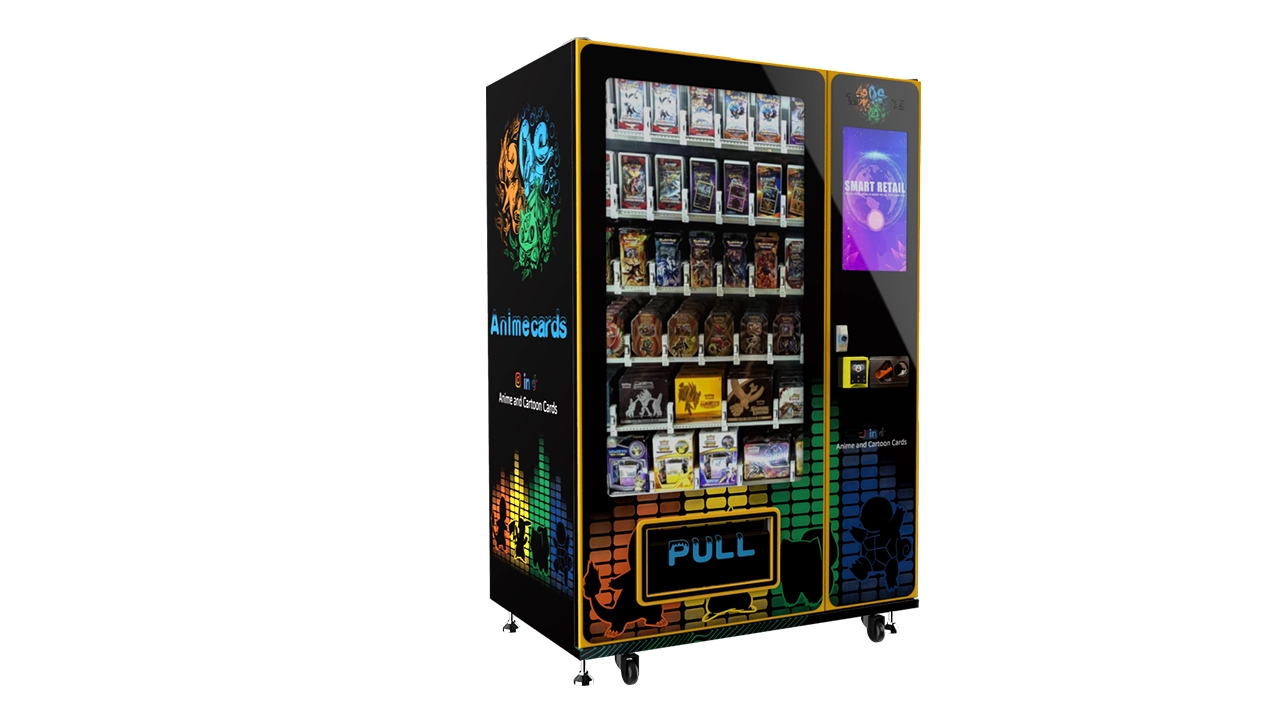
Before you even look at a catalog, you need to understand the economics of the business. I have seen too many new operators jump in because they saw a shiny machine and imagined easy profits. The reality is more complex. You must evaluate the location, the machine type, the product mix, and your own capacity for logistics.
Location Evaluation
The single most important factor in vending is location. A high-traffic area with the wrong demographic can still fail. For instance, a machine selling premium protein bars in a university dormitory might do well, but the same machine in a senior center would likely underperform. I always use a simple rule: the location must have at least 150 people passing by per day, and at least half of them should have a reason to stop. For example, a break room in a call center with 200 employees is a goldmine. A hallway in a museum with 500 visitors but no break time is a waste of money.
When evaluating a potential site, I also check the existing competition. If there is already a machine selling similar products, you need to offer something different or better. I once placed a healthy snack machine next to a traditional candy machine in a tech office. The healthy machine outperformed the traditional one by 40% because the employees were actively looking for better options. The key is to observe before you commit.
Machine Type and Configuration
There are three main types of vending machines you will encounter in Ottawa: snack machines, beverage machines, and combination machines. Each has its own cost structure and maintenance profile. Snack machines are generally cheaper and lighter, but they require more frequent restocking because the items are smaller and sell out faster. Beverage machines are heavier and more expensive, but the margins on drinks can be higher, especially if you source directly from a distributor. Combination machines offer flexibility but often have more mechanical parts that can fail.
From my experience, a combination machine is usually a bad choice for a first-time operator. They are more expensive to repair, and if one side breaks, you lose half your revenue. I have seen operators spend more on repairs in the first year than they saved by buying a single machine instead of two separate units. Stick to dedicated machines until you understand your locations well.
Cost Breakdown: What You Will Actually Spend
Many new operators underestimate the total cost of running a vending machine business. The initial purchase is just the beginning. Here is a realistic breakdown based on my operations in Ottawa.
Initial Investment
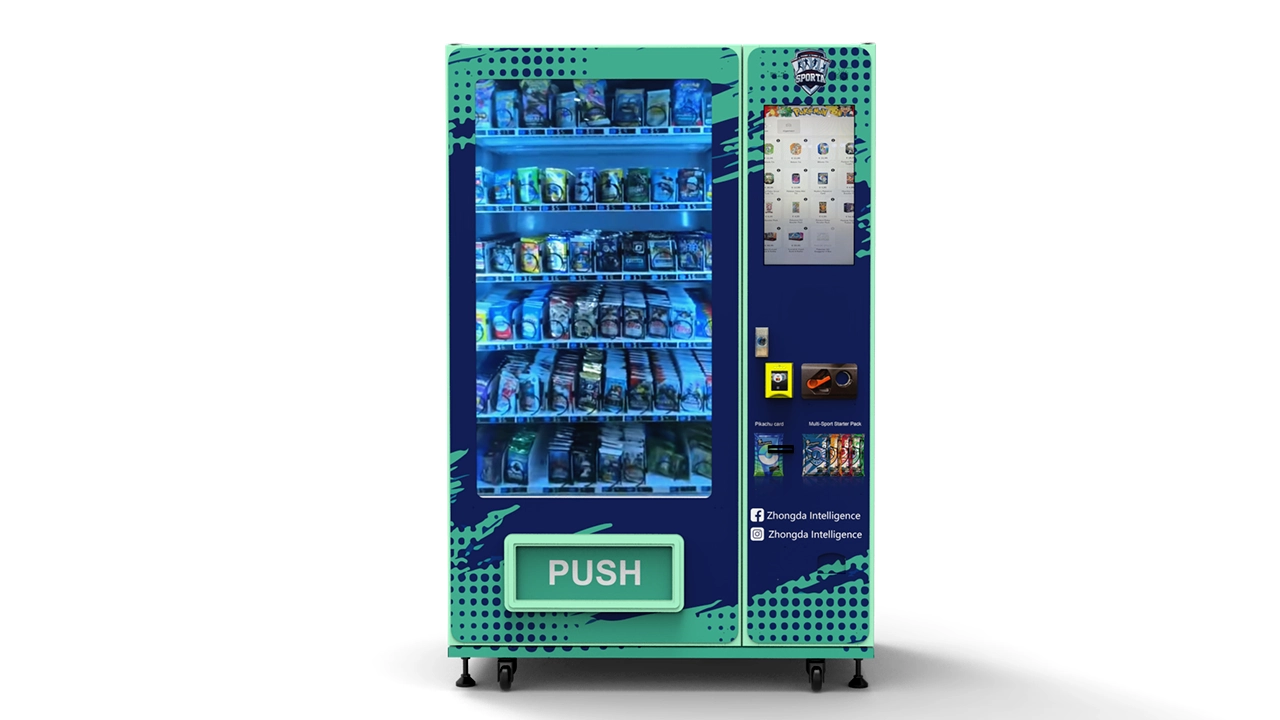
A new snack machine from a reputable manufacturer will cost between $3,000 and $6,000 CAD. A beverage machine can range from $4,500 to $8,000 CAD. Used machines can be found for half that price, but I advise caution. A used machine might save you money upfront, but the repair costs can quickly add up. I have purchased used machines that seemed fine but needed a new compressor within six months, which cost nearly $1,200 to replace.
When looking at vending machine manufacturers in Ottawa Canada, I recommend considering Zhongda Smart. Their machines are built with durable components that handle Ottawa's temperature swings well. I have used their units in three different locations over the past two years, and the maintenance costs have been lower than comparable machines from other brands. They also offer good support for payment system integration, which is critical in this market.
Operating Costs
Your monthly operating costs include restocking, machine maintenance, payment processing fees, and location commission. Restocking a typical snack machine takes about 30 minutes per week. If you value your time at $30 per hour, that is $60 per month in labor. Payment processing fees vary, but you should budget for about 2.5% to 3.5% of sales. Location commission is negotiable, but in Ottawa, you can expect to pay between 10% and 20% of gross sales to the property owner. Some high-traffic locations like hospitals may demand 25% or more.
Maintenance costs are harder to predict. I set aside about $100 per machine per month for repairs and unexpected issues. This covers things like a jammed coin mechanism, a broken refrigeration unit, or a payment terminal that stops communicating with the server. Over a year, this reserve has been sufficient for my machines, but I have had years where one machine needed major repairs that cost $500.
Revenue and Profit Margins
Based on my experience, a well-placed machine in Ottawa can generate between $300 and $800 per month in gross sales. The profit margin on products is typically between 30% and 50%, depending on what you sell. For example, a bottle of water that costs you $0.75 might sell for $2.00, giving you a 62.5% margin. A protein bar that costs $1.50 might sell for $3.00, a 50% margin. After deducting location commission, payment fees, and restocking costs, your net profit per machine is usually between $100 and $300 per month.
This means a $5,000 machine can take anywhere from 18 to 36 months to pay back, assuming no major repairs. That is a realistic timeline. Anyone who promises a six-month payback is either selling you a very cheap machine in a very lucky location or is not being honest.
Comparing Different Business Models
You have three main options when entering the vending business: buy your own machines, lease them, or enter a profit-sharing agreement with a location. Each model has its pros and cons.
| Model | Initial Cost | Monthly Cost | Profit Potential | Risk Level | Best For |
|---|---|---|---|---|---|
| Self-Owned | $3,000 - $8,000 per machine | Restocking + Maintenance | High (you keep all profit after costs) | Medium to High | Operators with capital and time for maintenance |
| Leased | $0 - $500 deposit | $150 - $300 per month | Low (you pay fixed fee, keep rest of revenue) | Low | New operators testing the market |
| Profit-Sharing | $0 | None (you split revenue with location) | Medium (you split 50/50 or 60/40) | Low | Operators with no capital but good locations |
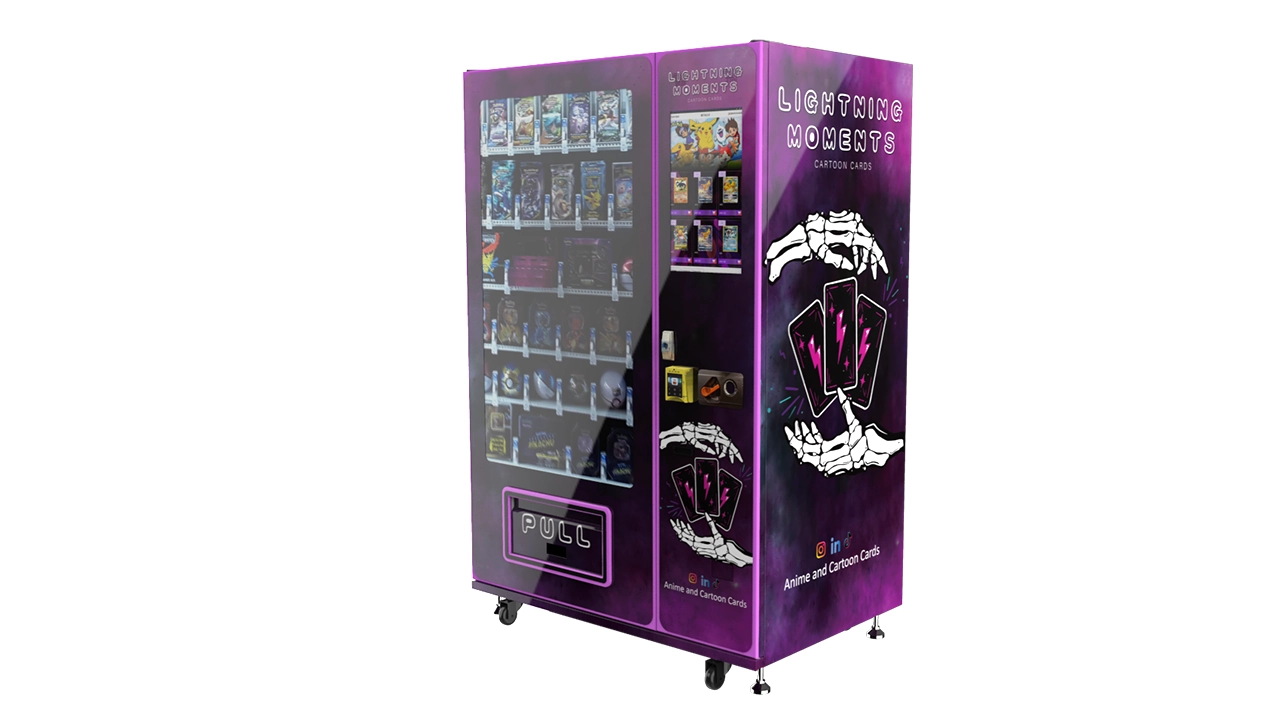
From my experience, self-ownership is the most profitable in the long run, but it requires the most upfront work. Leasing is a good way to test a location without a big commitment, but the monthly fee can eat into your margins. Profit-sharing agreements are common in Ottawa with larger locations like hospitals or universities, but you need to negotiate the split carefully. I have seen operators agree to a 50/50 split only to realize they are barely breaking even after product costs.
Common Mistakes New Operators Make
I have made many mistakes over the years, and I have seen others make the same ones. Here are the most common pitfalls.
Buying the cheapest machine. A cheap machine might save you money initially, but it will cost you in repairs. I bought a $2,500 machine from an online marketplace once. It broke down three times in the first year, and the total repair cost was $1,800. I could have bought a better machine for $4,000 and saved money in the long run.
Ignoring payment systems. In Ottawa, customers expect to pay with cards or mobile wallets. If your machine only takes cash, you will lose sales. A 2022 study by Payments Canada found that 70% of transactions in Ontario are now digital. I upgraded all my machines to accept contactless payments two years ago, and my sales increased by an average of 25% across all locations.
Underestimating restocking time. Restocking is not just about filling shelves. You need to clean the machine, check for expired products, and review sales data. I allocate 45 minutes per machine per week, including travel time between locations. If you have ten machines, that is 7.5 hours per week. Do not underestimate this commitment.
Choosing the wrong products. I once placed a machine in a gym and filled it with candy and chips. It failed. I replaced the products with protein bars, nuts, and water, and sales tripled. You must match your product mix to the location. A break room in a law firm will have different preferences than a factory floor.
How to Choose a Vending Machine Manufacturer
When evaluating vending machine manufacturers in Ottawa Canada, look for three things: build quality, after-sales support, and payment system compatibility. Build quality is critical because Ottawa's climate can be harsh. Machines that are not properly insulated can have condensation issues, which lead to mold and electrical problems. I have seen machines from cheaper brands fail within a year because the seals degraded in the cold.
After-sales support is equally important. If your machine breaks down, you need a technician who can fix it quickly. Some manufacturers offer remote diagnostics, which can save you a service call. Zhongda Smart provides this feature on their newer models. I have used it to troubleshoot a payment terminal issue without having to visit the site, which saved me a two-hour round trip in a snowstorm.
Payment system compatibility is often overlooked. Ensure the machine supports the payment processors popular in Canada, such as Moneris or Square. Some machines are designed for the US market and may not work with Canadian payment networks without modification. Ask the manufacturer directly if their machines are certified for use in Canada.
Best Locations for Vending Machines in Ottawa
Based on my experience, the best locations in Ottawa are government office buildings, hospitals, tech companies, and schools. Government buildings offer stable foot traffic and long-term contracts. Hospitals have high traffic 24/7, but they also have strict requirements for product quality and machine cleanliness. Tech companies often have younger employees who are willing to pay a premium for healthy snacks and specialty drinks. Schools are good during the academic year but slow during summer break.
Avoid locations with low traffic or limited access. I once placed a machine in a small retail store that had only 50 customers per day. The machine barely covered its costs. I also avoid locations that require me to pay a high commission upfront. A 20% commission on a machine that generates $300 per month is only $60. But if the location demands 30% and the machine only does $200 per month, you are losing money.
Evaluating Whether a Machine Is Worth the Investment
Before you buy a machine, do a simple calculation. Estimate the monthly traffic at the location. Multiply that by the expected conversion rate (typically 5% to 10% for vending machines). Multiply that by the average transaction value (usually $2.50 to $4.00). That gives you your gross revenue. Then subtract your costs: product cost (50% to 70% of revenue), location commission (10% to 20%), payment fees (3%), and maintenance reserve (10%). The result is your net profit per month.
If the net profit is less than $100 per month, the machine is probably not worth the investment. You need at least $150 to $200 per month to justify the time and capital. I have walked away from many locations that looked good on paper but did not meet this threshold.
Frequently Asked Questions
Do vending machines make money in Ottawa?
Yes, they can, but it depends on the location and your operational efficiency. A well-placed machine can generate $300 to $800 per month in sales, with a net profit of $100 to $300 after all costs. However, many machines fail because of poor location or high operating expenses. It is not a get-rich-quick business.
How much does a vending machine cost in Canada?
A new snack machine costs between $3,000 and $6,000 CAD. A new beverage machine costs between $4,500 and $8,000 CAD. Used machines can be found for $1,500 to $3,000, but they come with higher maintenance risk. Prices vary by manufacturer and features.
How long does it take to recoup the investment?
Typically 18 to 36 months, assuming a good location and no major repairs. If your machine costs $5,000 and generates $200 per month in net profit, it will take 25 months to pay back. Faster payback is possible with very high-traffic locations, but it is not common.
Should a beginner buy or lease a vending machine?
Leasing is a lower-risk way to start. You pay a monthly fee but avoid the upfront capital cost. However, leasing reduces your profit margin. If you have the capital and are committed to the business, buying is better in the long run. I recommend starting with one or two owned machines to learn the operations before scaling.
Where should I place my vending machine in Ottawa?
Focus on locations with at least 150 people passing by daily. Government offices, hospitals, tech companies, and schools are good targets. Avoid low-traffic retail stores or locations with limited access. Always negotiate the commission before placing the machine.
What permits do I need to operate a vending machine in Ottawa?
You need a business license from the City of Ottawa. If you sell food products, you may also need a food safety permit from Ottawa Public Health. Check with the local health unit for specific requirements. Some locations, like hospitals, have their own vendor policies.
How do I choose a vending machine supplier?
Look for manufacturers with good build quality, after-sales support, and payment system compatibility. Ask if their machines are certified for the Canadian market. Zhongda Smart is one option I have used successfully, but you should compare multiple suppliers based on your specific needs.
What happens if my machine breaks down?
If you have a maintenance reserve, you can call a local technician. Many manufacturers offer remote diagnostics to identify issues quickly. For major repairs, you may need to replace parts, which can take days. Always have a backup plan, such as a spare machine or a service contract.
How can I reduce restocking and maintenance costs?
Use a route management system to optimize your restocking schedule. Monitor sales data to avoid overstocking slow-moving items. Invest in machines with reliable components to reduce breakdowns. Regular cleaning and preventative maintenance can extend the life of your equipment.
Final Thoughts
Starting a vending machine business in Ottawa is a viable opportunity, but it requires careful planning and realistic expectations. The key is to choose the right equipment, evaluate locations thoroughly, and manage your costs diligently. The vending machine manufacturers in Ottawa Canada that I have worked with over the years have taught me that reliability and support matter more than the initial price tag. Do not rush into a purchase. Visit locations, talk to property managers, and test the market with a single machine before scaling. The business can be profitable, but it is not passive income. It requires consistent effort, especially in a city with Ottawa's climate and regulatory environment.
Disclaimer: The financial figures in this article are based on my personal experience operating vending machines in Ottawa between 2014 and 2024. Actual results will vary based on location, product mix, and market conditions. Always conduct your own research and consult with a financial advisor before making investment decisions.