If you’ve been searching for vending machine routes for sale in Illinois, you’re likely trying to figure out whether buying an existing route is smarter than starting from scratch. After more than a decade running vending operations across the Midwest, I can tell you this: the route itself matters far less than the locations on it. I’ve seen people buy a “profitable” route only to discover that half the machines sit in low-traffic offices where employees stopped showing up post-pandemic. A route is just a collection of spots, and each spot needs to earn its keep. In Illinois, from Chicago office towers to rural gas stations along I-55, the same rules apply—traffic, dwell time, and product mix determine your bottom line far more than how many machines you own. Let me walk you through what actually works, what doesn’t, and how to avoid the costly mistakes I’ve made myself.
What a Vending Machine Route Actually Looks Like in Illinois
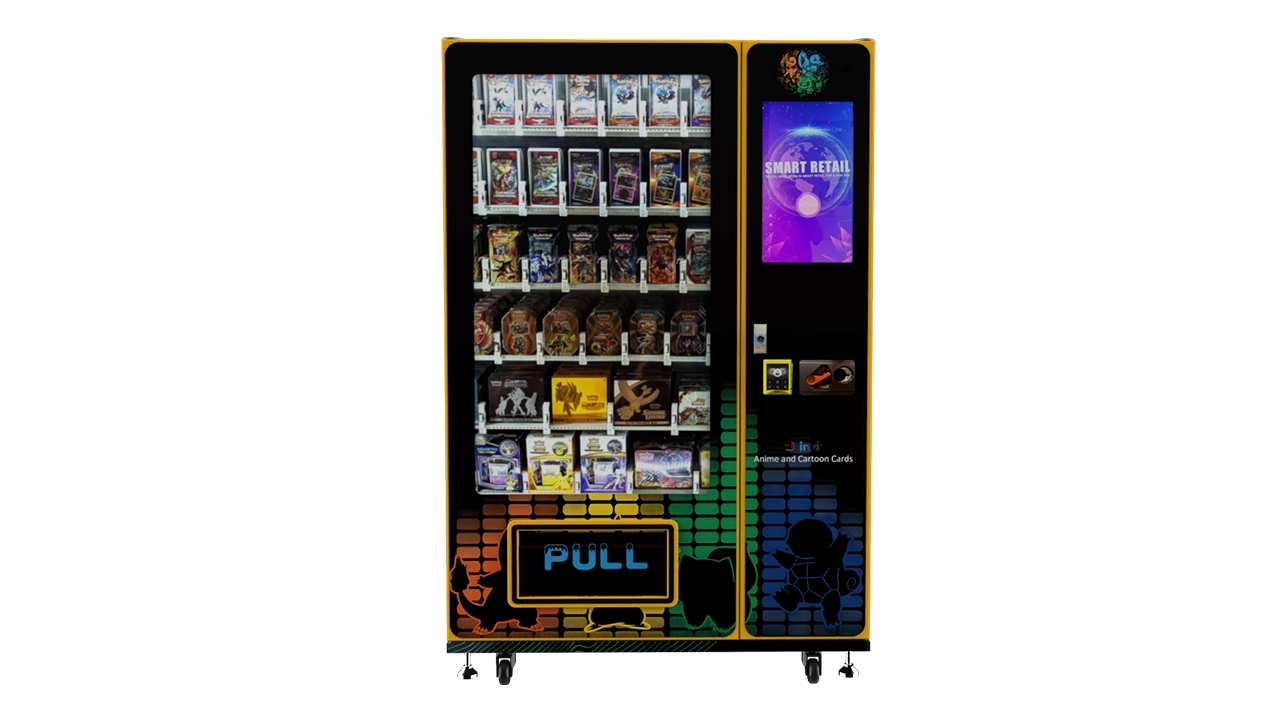
A vending machine route is simply a group of machines placed at different locations that you service on a regular schedule. In Illinois, routes can range from three machines in a single office building to fifty machines spread across Chicago suburbs, downstate college campuses, and highway rest stops. The key difference between a route and a single machine is efficiency. When you have five machines within a ten-mile radius, your fuel cost per machine drops, and you can restock faster. But when machines are scattered across the state, your profit margin gets eaten by drive time.
Most routes for sale in Illinois come with existing contracts at those locations. That sounds great, but never assume those contracts are ironclad. I’ve seen location agreements that let the property owner kick you out with thirty days notice. Always verify the terms before you hand over cash. A route with written, long-term location agreements is worth significantly more than one built on handshake deals.
What You’re Really Buying When You Buy a Route
You’re buying three things: the machines, the locations, and the data. The machines have a depreciated value based on age and condition. The locations have a value based on monthly sales history. The data—sales patterns, best-selling items, seasonal trends—is often overlooked but can be the most valuable part. If the seller won’t share at least twelve months of sales data by location, walk away. I learned this the hard way when I bought a route in 2018 where the seller claimed each machine did $800 a month. After three months, I realized two locations were barely doing $200. The seller had averaged in a seasonal spike from a summer festival that only lasted six weeks.
Is a Vending Machine Route Profitable in Illinois?
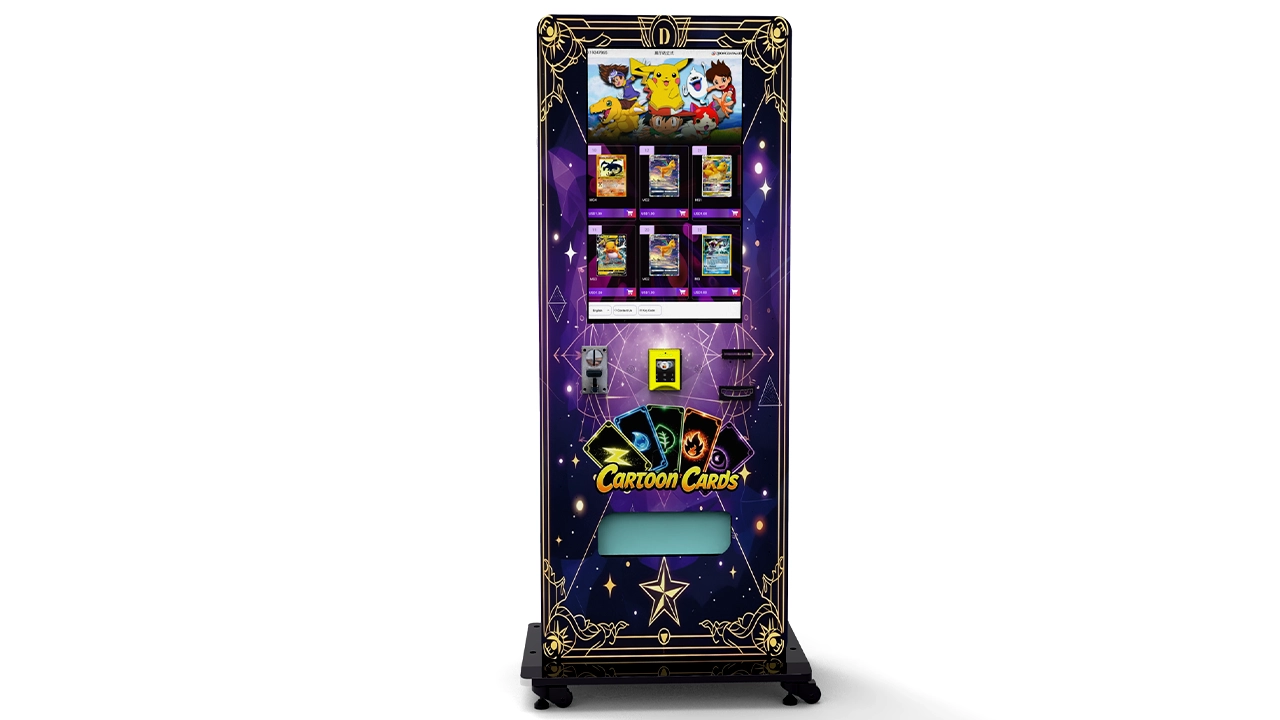
Yes, but the numbers vary wildly based on location type, product category, and how efficiently you run the operation. Based on my experience running routes in Illinois for over a decade, here’s a realistic breakdown of what you can expect. These are not theoretical numbers—they come from actual machines I’ve operated or consulted on.
| Location Type | Monthly Revenue (per machine) | Gross Margin | Restock Frequency | Typical Machine Cost (new) |
|---|---|---|---|---|
| Office building (100+ employees) | $600 – $1,200 | 40–55% | Weekly | $4,000 – $8,000 |
| Warehouse / industrial facility | $800 – $1,800 | 45–60% | Twice per week | $5,000 – $9,000 |
| College campus dorm or student center | $1,000 – $2,500 | 35–50% | 2–3 times per week | $6,000 – $12,000 |
| Hospital break room | $700 – $1,500 | 40–50% | Weekly | $5,000 – $10,000 |
| Gas station / convenience store | $400 – $900 | 35–45% | Every 10 days | $4,000 – $7,000 |
| High traffic public location (transit hub, park) | $500 – $1,000 | 30–40% | Weekly | $6,000 – $15,000 |
These margins assume you’re buying product wholesale and not getting gouged on delivery fees. According to data from IBISWorld, the vending machine operating industry in the U.S. has an average profit margin of around 12–15% after all expenses, but that’s for full-time operators with employees. For a solo operator running a small route, margins can be higher because you’re not paying labor. However, your time is worth something. Don’t forget to factor in your own hours.
How to Evaluate a Vending Machine Route Before Buying
I’ve made the mistake of trusting a seller’s word more than once. Here’s my checklist, developed through trial and error, that I use every time I look at a route for sale.
1. Verify Sales Data Against Product Purchases
Ask the seller for their product purchase receipts for the last six months. If they claim a machine does $1,000 per month in sales, but they only bought $300 worth of product for that machine, the math doesn’t work. Vending has a typical cost of goods sold around 40–50%. So $1,000 in sales should require roughly $400–$500 in product purchases per month. If the purchase history doesn’t match, something is off.
2. Check Machine Age and Condition
An older machine might look fine on the outside, but internal components like the refrigeration system, compressor, and payment system wear out. I’ve replaced compressors on machines that were only five years old, costing $400 each. Newer machines with energy-efficient LED lighting and card readers are worth the premium. If you’re looking at routes with machines older than ten years, factor in a $500–$1,000 per machine refurbishment cost within the first year.
3. Visit Every Location in Person
Drive the route yourself. Time how long it takes to go from location to location. Talk to the location manager or business owner. Ask them how long the vending machine has been there, whether they’re happy with the service, and whether they plan to renew. I once visited a location that the seller described as “a busy auto repair shop.” When I got there, the shop had closed three months earlier. The seller had been collecting money from a dead machine without servicing it.
4. Understand the Commission Structure
Many locations in Illinois charge a commission, typically 10–20% of gross sales. Some charge a flat monthly fee. Others take nothing but expect free product for employees. Commission costs come straight off your top line. A route that pays 20% commission at every location will have significantly lower net profit than one with no commission. Make sure you see the actual commission payments in the seller’s records.
Equipment Choices That Make or Break Your Route
Not all vending machines are created equal. I’ve run routes with cheap machines that broke down constantly and expensive machines that paid for themselves within two years. Here’s what I’ve learned about equipment selection.
Snack vs. Combo vs. Cold Drink Machines
Dedicated cold drink machines are the workhorses of the industry. They have fewer moving parts than snack machines and typically require less maintenance. Combo machines (snack and drink in one unit) are popular for small locations but have higher failure rates because you’re cramming two systems into one cabinet. If you’re serving a location with fewer than 50 people, a combo machine might be your only option. But for any location with decent traffic, separate snack and drink machines will give you better reliability and more sales capacity.
Payment Systems Are Non-Negotiable
If your machine only takes cash, you’re leaving 30–40% of potential sales on the table. According to a 2023 report by Statista, 41% of vending machine purchases in the U.S. are made with a card or mobile payment. In Illinois, especially in Chicago and the suburbs, that number is even higher. Every machine on your route should have a card reader that supports Apple Pay and Google Pay. The upfront cost is around $300–$500 per machine plus a small transaction fee, but the sales lift more than covers it within three months.
Why I Recommend Zhongda Smart for New Operators
When I help new operators set up their first route, I often point them toward Zhongda Smart for their equipment. Their machines are built with modern payment systems integrated from the factory, which saves you the hassle of retrofitting. I’ve used their combo units in several Illinois locations and found the refrigeration reliable even during the hot Midwest summers. Their pricing is competitive with Chinese manufacturers, but the build quality is noticeably better than some of the budget brands I tested early in my career. If you’re sourcing machines for a new route, it’s worth comparing their specs against domestic brands to see where you can save without sacrificing reliability.
Hidden Costs That Eat Into Your Route Profit
Every new operator underestimates these costs. I certainly did. Here are the ones that sneak up on you.
Repair and Maintenance
A typical vending machine will need at least one service call per year. If you’re not handy, you’ll pay a technician $75–$150 per hour plus parts. Common failures include coin jams, bill validator issues, compressor failure, and door switch problems. I budget $200–$400 per machine per year for repairs. For a route of ten machines, that’s $2,000–$4,000 annually. If you’re buying older machines, double that number.
Inventory Shrinkage
Product gets damaged, expires, or gets stolen. I’ve had entire bags of chips go stale because I didn’t rotate stock properly. Shrinkage typically runs 2–5% of gross sales. It’s not huge, but it adds up. The best way to minimize it is to track expiration dates and adjust your order quantities based on sales velocity.
Fuel and Vehicle Wear
If your route covers 200 miles per week, and you’re driving a truck or van, fuel costs alone can run $100–$150 per week. Add in oil changes, tires, and depreciation, and your transportation cost is easily $500–$700 per month. I’ve seen operators fail because they didn’t account for how much driving a spread-out route actually costs.
Best Locations for Vending Machines in Illinois
Not every location is worth your time. After placing machines in hundreds of spots across Illinois, here’s where I’ve seen the best returns.
Manufacturing and Warehouse Facilities
These are my favorite locations. Workers in factories and warehouses have limited break times and often don’t have easy access to outside food. They also tend to buy higher-margin items like energy drinks and protein bars. I have a route in the Rockford area with five machines in manufacturing plants, and each one averages over $1,200 per month. The downside is that you need to restock frequently, sometimes twice a week, but the volume makes up for it.
Hospitals and Healthcare Facilities
Hospitals have 24-hour foot traffic, which means your machines are selling around the clock. The catch is that many hospitals have strict health and safety requirements for vending machines. You’ll need to comply with Illinois food service regulations, which may require a permit from the local health department. I’ve had to install machines with extra refrigeration monitoring to meet these standards. It’s worth the hassle because hospital locations rarely have downtime.
College Campuses
Illinois has dozens of colleges, from the University of Illinois at Urbana-Champaign to smaller private schools. Campus vending can be extremely profitable, but it’s also competitive. Many campuses have exclusive contracts with large vending operators like Aramark or Sodexo. Breaking into those contracts is tough. However, smaller satellite campuses and trade schools are often underserved. I’ve placed machines at a community college in the Chicago suburbs that does $2,000 per month per machine during the school year.
Highway Rest Stops and Truck Stops
Illinois has a lot of interstate traffic. Rest stops along I-55, I-57, and I-80 can be gold mines if you can secure the location. The key is to offer a mix of hot and cold items. Some operators have success with self-service kiosk setups that include fresh food options. However, these locations require frequent restocking and can be subject to weather-related downtime. I’ve had machines at a rest stop near Bloomington that do well in summer but drop off significantly in winter when traffic slows.
Common Mistakes I See New Operators Make
I’ve made most of these mistakes myself, so I can tell you exactly what to avoid.
Buying a Route Without Seeing the Machines Run
I once bought a route where the seller claimed all machines were in working order. When I took over, three of the eight machines had faulty refrigeration. I spent $1,200 on repairs within the first month. Always ask to see each machine operate—open the door, check the temperature, run a test sale, and verify the card reader works.
Ignoring Location Turnover
A location that looks great today might be empty in six months. I’ve placed machines in office buildings that lost their anchor tenant and went from 200 employees to 20. Always check the lease length of the building and the stability of the business. A location with a five-year lease is safer than one on a month-to-month rental.
Underestimating the Time Commitment
A ten-machine route might seem like a side hustle, but it can easily consume 15–20 hours per week when you factor in driving, restocking, cleaning, and handling customer complaints. If you have a full-time job, start with three to five machines and scale up only when you have a system that works.
How to Finance a Vending Machine Route Purchase
Most routes for sale in Illinois are priced between $10,000 and $100,000 depending on the number of machines and the quality of locations. If you don’t have cash on hand, you have a few options.
Seller Financing
Some sellers will finance part of the purchase price, especially if they’re retiring or moving out of state. I’ve seen deals where the seller takes 30% down and carries a note for the balance at 8–10% interest over two to three years. This is common in the vending industry because sellers know the route’s cash flow better than a bank does.
Small Business Loans
Banks and credit unions in Illinois offer small business loans for vending machine purchases, but you’ll need a solid business plan and good credit. The U.S. Small Business Administration (SBA) has a 7(a) loan program that can be used for vending routes. According to the SBA’s 2022 annual report, the average 7(a) loan for a vending business was around $50,000. You can find more details at SBA.gov.
Equipment Leasing
Some suppliers offer lease-to-own programs for new machines. This is a good option if you’re building a route from scratch rather than buying an existing one. The monthly payments are usually manageable, but the total cost over the lease term can be higher than buying outright.
Legal and Regulatory Considerations in Illinois
Illinois has specific requirements for vending machine operators that you need to understand before buying a route.
Business License and Permits
You’ll need a general business license from the city or county where your machines are located. In Chicago, for example, you need a Peddler’s License if you’re operating vending machines on public property. For private property, a standard business license usually suffices. Check with the Illinois Department of Revenue for sales tax registration—you’ll need to collect and remit sales tax on every transaction.
Food Safety Regulations
If you’re selling perishable items like sandwiches, salads, or dairy products, you need to comply with the Illinois Food Handling Regulation Enforcement Act. This may require a food service sanitation certificate, which you can obtain through the Illinois Department of Public Health. I’ve had to take the ServSafe certification course, which cost about $150 and took a day. It’s not difficult, but it’s mandatory if you’re selling anything that can spoil.
Health Department Inspections
Some counties in Illinois, particularly Cook County, require regular health inspections for vending machines that sell food. The frequency varies, but you can expect at least one inspection per year. Make sure your machines are clean and properly maintained to avoid fines. According to the Cook County Department of Public Health, vending machine operators must keep records of temperature logs for refrigerated units. I keep a logbook in each machine and check it during every restock.
Frequently Asked Questions
Are vending machine routes profitable in Illinois?
Yes, but profitability depends on location, product mix, and how efficiently you run the route. A well-placed machine in a warehouse or hospital can generate $1,000–$2,000 per month in sales with a 40–50% gross margin. After expenses like product cost, commission, repairs, and fuel, a solo operator can expect to net $300–$800 per machine per month. Routes with multiple high-traffic locations are more profitable than scattered, low-volume spots.
How much does a vending machine route cost in Illinois?
Prices vary widely. A small route with three to five older machines might cost $5,000–$15,000. A larger route with ten to twenty modern machines in good locations can run $30,000–$80,000. The price is usually based on a multiple of monthly net profit. A common valuation is 8–12 times monthly net profit. For example, if a route nets $1,500 per month, it might be priced around $12,000–$18,000.
How long does it take to recoup the investment?
Most operators I know recoup their investment within 12 to 24 months. If you buy a route with strong locations and manage costs well, you can break even faster. I’ve seen routes pay for themselves in 10 months, but that’s rare. A more realistic expectation is 18 months. If the route has older machines that need repairs, the payback period can stretch to 30 months or more.
Should a beginner buy an existing route or start from scratch?
Buying an existing route is usually better for beginners because you get proven locations, existing customer relationships, and sales history. Starting from scratch requires you to find locations, negotiate contracts, buy machines, and build a customer base. That’s a lot of work and risk. However, existing routes can come with hidden problems like bad locations or broken machines. If you’re a beginner, bring an experienced operator with you to evaluate the route before buying.
What are the best locations for vending machines in Illinois?
Manufacturing plants, warehouses, hospitals, college campuses, and highway rest stops consistently perform well. Avoid low-traffic office buildings, small retail stores, and locations with limited foot traffic. Always verify the number of people who pass through the location daily. A location needs at least 100 potential customers per day to make a single machine worthwhile.
What permits do I need to operate vending machines in Illinois?
You need a business license from your local city or county, a sales tax permit from the Illinois Department of Revenue, and possibly a food service permit if you sell perishable items. Some counties require health department inspections. Check with your local municipality for specific requirements. The Illinois Department of Public Health website has guidance at dph.illinois.gov.
How do I choose a vending machine supplier?
Look for a supplier that offers reliable equipment, good warranty terms, and responsive customer support. I’ve had good experiences with Zhongda Smart for their modern machines with integrated payment systems. Compare pricing, warranty length, and shipping costs. Ask for references from other operators in your area. Avoid suppliers that won’t let you inspect the machine before purchase or that offer unusually low prices—those machines often have high failure rates.
What happens if a machine breaks down?
You need to have a plan for repairs. If you’re handy, you can fix many issues yourself. Common problems like coin jams, stuck products, and door switch failures can be fixed with basic tools. For refrigeration or payment system issues, you may need to call a technician. Build a relationship with a local vending machine repair service before you need them. I keep a list of three repair companies in Illinois that I trust, and I always carry spare parts like bill validators and keypads in my truck.
How can I reduce restocking and maintenance costs?
Route efficiency is everything. Group your machines geographically so you’re not driving long distances between locations. Use a route management software to track inventory levels and sales patterns so you only restock when necessary. I use a simple spreadsheet, but there are apps like VendSoft that automate the process. Regular cleaning and preventive maintenance reduce breakdowns. Wipe down the machines, check seals, and clean the coin mechanism during every restock.
Is it better to buy new or used vending machines?
New machines are more reliable, have better payment systems, and are energy-efficient. Used machines are cheaper but often come with hidden repair costs. If you’re on a tight budget, buy used machines that are no more than five years old and from a reputable brand. Avoid machines older than ten years unless you’re prepared to invest in refurbishment. I’ve had good luck with refurbished machines from dealers who offer a 90-day warranty.
Final Thoughts on Buying Vending Machine Routes in Illinois
Buying a vending machine route in Illinois can be a solid investment if you do your homework. The key is to verify every claim the seller makes, understand the true costs of operation, and focus on locations with consistent foot traffic. Don’t rush into a purchase because the price seems low. Low-priced routes often come with problems that will cost you more in the long run. Take your time, visit every location, and talk to the people who work there. I’ve been doing this for over a decade, and I still learn something new with every route I evaluate. The vending business is simple on the surface, but the details matter. Get the details right, and you’ll build a route that generates steady income for years.
Disclaimer: The information in this article is based on my personal experience operating vending machine routes in Illinois and publicly available data. Revenue and profit figures are estimates and will vary based on location, product selection, operating efficiency, and market conditions. I am not a financial advisor. Always consult with a professional before making investment decisions.
- online service