If you are looking for a vending machine manufacturer in Toronto Canada, you are likely trying to figure out whether this business is worth your time and money. After over a decade of operating vending routes across North America, I can tell you that the biggest mistake most new operators make is choosing the wrong supplier. The market in Toronto is competitive, but it is also full of opportunity if you know what to look for. The right manufacturer does not just sell you a box that dispenses snacks; they provide reliable hardware, local service support, and payment systems that actually work in Canadian dollars. In this guide, I will walk you through exactly how to evaluate suppliers, what costs to expect, and how to avoid the costly errors I have seen repeated by dozens of new operators.
Why the Vending Machine Business Works in Toronto
Toronto is one of the most diverse and densely populated cities in North America. With a huge number of office towers, industrial warehouses, hospitals, universities, and transit hubs, the demand for quick, contactless food and beverage options is constant. I have placed machines in locations ranging from automotive repair shops to law firm break rooms, and the common thread is always convenience. People want a cold drink or a snack without walking three blocks to a convenience store. That is where automated retail comes in.
However, not every location is a goldmine. I have seen machines sitting idle in low-traffic lobbies because the operator did not check foot traffic before signing the contract. The key is to match the right equipment to the right environment. A self-service kiosk with a touchscreen works well in a modern office, while a simple glass-front machine is better for a warehouse floor where workers just want to grab a soda quickly.
According to a 2023 report from IBISWorld, the vending machine industry in Canada generates over $1.2 billion annually, with steady growth driven by cashless payments and healthier product options. This is not a dying industry; it is evolving. The operators who adapt to these changes are the ones who see consistent returns.
How to Choose a Vending Machine Manufacturer in Toronto Canada
When you search for a vending machine manufacturer in Toronto Canada, you will find a mix of local resellers, international brands, and a few actual manufacturers. Most companies you find online are distributors, not manufacturers. That is fine, but you need to know the difference. A distributor buys from a factory and marks up the price. A manufacturer controls the production quality and can offer better after-sales support.
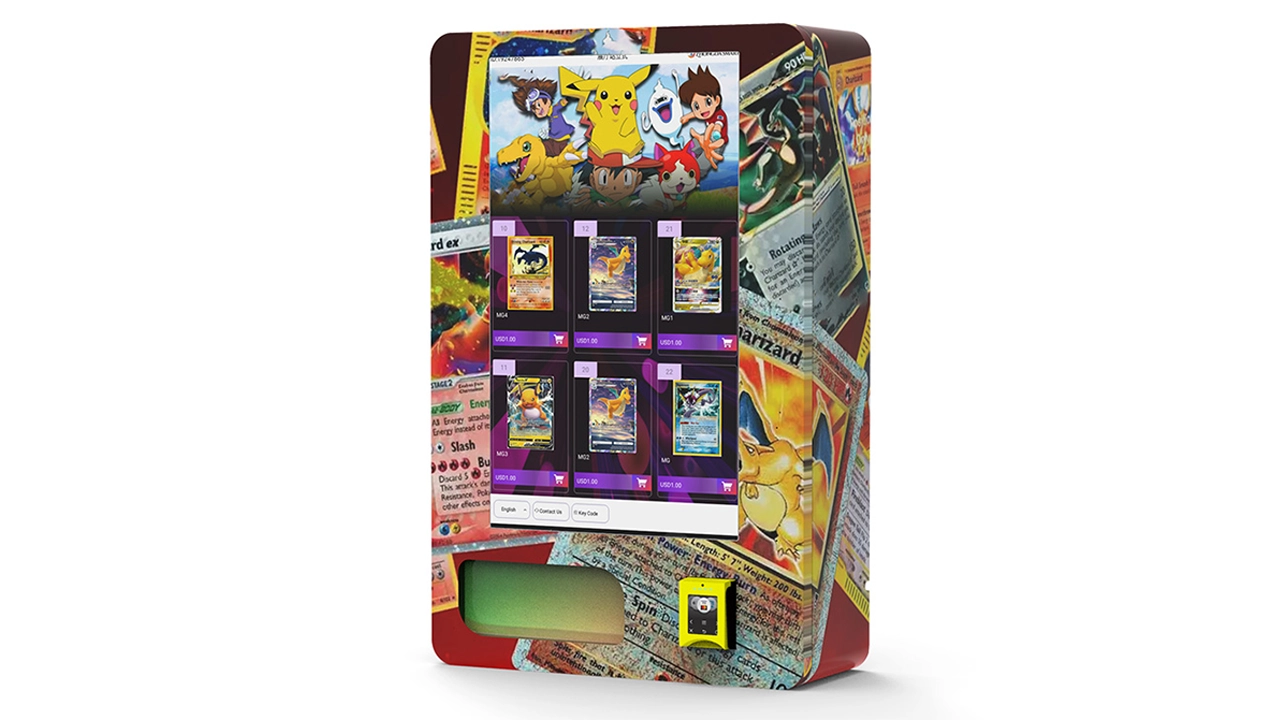
One manufacturer that has consistently delivered reliable equipment in the North American market is Zhongda Smart. They produce machines that meet Canadian electrical and food safety standards, and they offer customization options for payment systems that accept Canadian coins, bills, and contactless cards. I have used their machines in several routes, and the build quality has been solid. Their remote monitoring software also helps reduce the time I spend driving to check inventory.
When evaluating a supplier, look for these specific things:
- Local service network: Who fixes the machine when it breaks? If the manufacturer does not have a technician in the Greater Toronto Area, you will lose money on downtime.
- Payment system compatibility: The machine must accept Canadian currency and tap-to-pay. Many US-focused machines do not handle Canadian coins well.
- Energy efficiency: Toronto has cold winters and hot summers. A machine with poor insulation will drive up your electricity bill.
- Warranty terms: A good manufacturer offers at least one year of parts and labor. Avoid suppliers who only offer a 90-day warranty.
Red Flags When Selecting a Supplier
I have seen operators buy cheap machines from overseas suppliers that looked great in photos but failed within six months. The refrigeration units broke, the coin mechanisms jammed, and the touchscreens stopped responding. The worst part was that the manufacturer had no local support, so shipping a machine back to China for repair was not practical. The operator ended up buying a new machine from a local distributor, losing the entire initial investment.
Another common mistake is assuming that a lower price means a better deal. A machine that costs $2,000 less than a comparable model may save you money upfront, but if it breaks down twice a year and costs $400 per repair, you lose that saving quickly. Always ask about the cost of replacement parts and the average response time for service calls.
Understanding the Real Costs of a Vending Machine Business
Many people ask me: how much does it cost to start a vending machine business in Toronto? The answer depends on several factors, but I will give you realistic numbers based on my experience and industry data.
| Expense Category | Estimated Cost (CAD) | Notes |
|---|---|---|
| New machine (snack & drink combo) | $5,000 – $8,000 | Higher for touchscreen or refrigerated models |
| Used machine (refurbished) | $2,000 – $4,000 | Higher risk of breakdowns |
| Payment system upgrade | $500 – $1,200 | For cashless and tap-to-pay |
| Initial inventory (stock) | $500 – $1,500 | Depends on machine size and product mix |
| Commission or rent (per month) | $100 – $500 | Negotiated with location owner |
| Electricity (per month) | $30 – $80 | Higher for refrigerated machines |
| Maintenance & repairs (per year) | $300 – $800 | Averages from my route records |
| Insurance (per year) | $200 – $500 | Liability and equipment coverage |
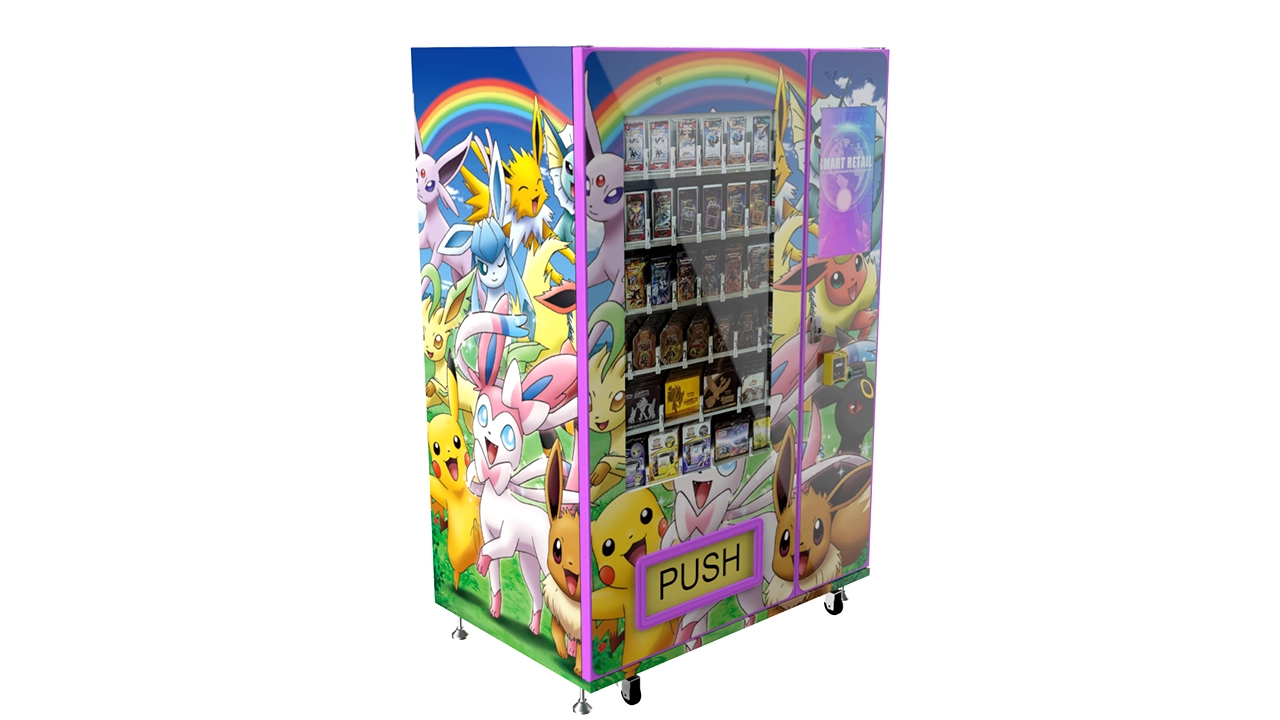
According to data from Statista, the average monthly revenue per vending machine in Canada is between $400 and $800, depending on location and product pricing. That means a single machine can generate $4,800 to $9,600 in annual revenue. With a gross profit margin of 25% to 40% on products, the net income per machine is typically between $1,200 and $3,800 per year after all costs.
Based on my own route, a well-placed machine in a busy office building in downtown Toronto generates about $700 per month in sales. After product costs, commission, and electricity, I net around $300 per month from that machine. The payback period on a new $7,000 machine is roughly 18 to 24 months. That is a reasonable return if you manage the route efficiently.
What Scenarios Offer the Best Profit Potential
Not all locations are equal. I have tested dozens of spots over the years, and I can tell you which ones consistently perform well and which ones you should avoid.
High-Performing Locations
- Manufacturing and industrial warehouses: Workers need quick access to drinks and snacks during breaks. These locations often have no nearby retail, so the machine becomes the only option.
- Hospitals and healthcare facilities: Staff and visitors are captive audiences. Machines placed near emergency rooms or staff break rooms see high turnover.
- Office towers with 200+ employees: If the building does not have a cafeteria, a vending machine is a necessity. Look for buildings with a single entrance or limited food options.
- Universities and colleges: Students are heavy users of vending machines, especially for drinks and quick snacks. However, you may need to compete with campus contracts.
Locations to Approach with Caution
- Retail stores: If the store already sells drinks and snacks, your machine will likely sit unused.
- Gyms: While some gyms work, many have their own smoothie bars or protein shake vending machines. Water and sports drinks sell well, but snack machines often underperform.
- Small offices with fewer than 30 employees: The sales volume is usually too low to cover the cost of stocking and servicing the machine.
One tip I always share with new operators: do not sign a long-term contract with a location until you have tested the machine for at least three months. I once signed a two-year contract for a location that looked perfect on paper, but the sales never exceeded $200 per month. I was stuck paying rent on a machine that barely broke even.
Key Features to Look for in a Vending Machine
When you are comparing machines from a vending machine manufacturer in Toronto Canada, pay attention to these features. They make the difference between a machine that runs smoothly and one that causes constant headaches.
Payment Systems
Cashless payment is no longer optional. According to a 2022 report from Payments Canada, over 70% of in-person transactions in Canada are now cashless. If your machine only accepts coins and bills, you will lose a significant portion of potential sales. Look for machines that support credit cards, debit cards, and mobile wallets like Apple Pay and Google Pay. Some manufacturers, including Zhongda Smart, offer integrated payment systems that work with Canadian payment networks.
Remote Monitoring
This feature allows you to check inventory levels, sales data, and machine status from your phone or computer. Without it, you have to drive to each machine to see if it needs restocking. Over the course of a year, remote monitoring can save you dozens of hours and hundreds of dollars in fuel costs. I consider it essential for any route with more than five machines.
Energy Efficiency
Toronto’s electricity rates are among the highest in Canada. A vending machine that runs 24/7 can cost $400 to $800 per year in electricity alone. Machines with LED lighting, high-efficiency compressors, and proper insulation can cut that cost by 30% to 50%. Ask the manufacturer for the energy consumption rating before you buy.
Customization Options
Some locations require specific branding or product layouts. For example, a machine placed in a hospital might need a section for healthy snacks. A manufacturer that offers customizable shelving and product trays gives you more flexibility to adapt to different locations.
How to Evaluate a Machine Before You Buy
I always recommend that new operators see the machine in person before committing. If you are buying from a local distributor, ask to visit their showroom or warehouse. If you are importing from a manufacturer like Zhongda Smart, request a video walkthrough of the machine running. Pay attention to the following during the inspection:
- Open the door and check the shelves. Are they adjustable? Are they sturdy?
- Test the payment system. Does it dispense change correctly? Does it accept tap payments quickly?
- Check the refrigeration. Does the compressor cycle on and off? Is the interior temperature stable?
- Look at the build quality. Are the hinges strong? Is the door seal tight? Are there any sharp edges that could cause injury?
I once bought a machine from a reputable brand that had a poorly designed door seal. Within a year, the seal started leaking cold air, causing the compressor to run constantly. The repair cost was almost $300, and the electricity bill increased by 40% during that period. That experience taught me to always check the seal before signing the purchase order.
Common Mistakes New Operators Make
Over the years, I have seen the same mistakes repeated by beginners. Here are the ones you should avoid:
Buying the Cheapest Machine
The lowest-priced machine is almost never the best value. Cheap machines often use low-quality components that fail quickly. The cost of repairs and lost sales will outweigh the initial savings.
Ignoring Location Contracts
Always get a written agreement with the property owner. The agreement should specify the commission rate, the duration of the contract, and who is responsible for electricity. I have seen operators lose a location because the building manager changed and the new manager wanted a different vendor.
Overstocking at the Start
When you first place a machine, you do not know what products will sell. Start with a small inventory and track sales for the first two weeks. Then adjust your product mix based on what moves quickly. I have seen operators fill a machine with expensive protein bars that nobody bought, while basic chips and candy bars sat on the shelves.
Neglecting Regular Cleaning
A dirty machine looks unprofessional and can lead to health code violations. Clean the glass, shelves, and payment interface at least once a month. In food service, cleanliness is directly tied to customer trust.
The Role of Maintenance and Repair
Even the best machines break down eventually. When they do, you need a reliable repair service. If you are using a vending machine manufacturer in Toronto Canada that offers local repair services, you have a significant advantage. Some manufacturers provide a network of certified technicians who can fix common issues like jammed coin mechanisms, faulty compressors, or broken touchscreens.
I recommend setting aside a maintenance budget of $300 to $500 per machine per year. This covers routine repairs and replacement parts. If you have a machine that requires frequent repairs, consider replacing it rather than continuing to pour money into fixes.
For operators who prefer to handle basic repairs themselves, keep a spare parts kit that includes a coin mechanism, a bill validator, a door switch, and a set of shelving clips. These parts are common failure points, and having them on hand can reduce downtime from days to hours.
How to Scale Your Vending Machine Business
Once you have a few machines running profitably, you can start thinking about scaling. The most efficient way to grow is to focus on a specific geographic area. If all your machines are within a 30-minute drive, you can service them in a single day. Spreading machines across the entire Greater Toronto Area increases travel time and reduces your net profit per machine.
Another scaling strategy is to partner with a location owner who has multiple properties. For example, a property management company that owns ten office buildings in Mississauga could give you access to multiple high-traffic locations. I have built relationships with several property managers over the years, and those partnerships have been the most reliable source of new placements.
When you are ready to buy multiple machines, negotiate with the manufacturer for a volume discount. Zhongda Smart, for instance, offers reduced pricing for orders of ten or more machines. That can save you 10% to 15% on the initial investment.
FAQ: Common Questions About Choosing a Vending Machine Manufacturer in Toronto Canada
Is a vending machine business profitable in Toronto?
Yes, it can be profitable if you choose the right locations and manage costs carefully. Based on my experience, a single machine in a good location can generate $400 to $800 per month in sales. After product costs, commission, and electricity, the net profit is typically $150 to $400 per month per machine. The key is to keep your overhead low and your inventory turnover high.
How much does a vending machine cost in Canada?
A new machine costs between $5,000 and $8,000 CAD, depending on features and size. Used machines can be found for $2,000 to $4,000, but they come with higher maintenance risks. Refurbished machines from a reputable supplier are a middle-ground option, usually costing $3,000 to $5,000.
How long does it take to recoup the investment?
For a new machine costing $7,000, the payback period is typically 18 to 24 months in a good location. If you buy a used machine for $3,000, you can recoup your investment in 12 to 18 months. These estimates assume consistent sales and minimal repair costs.
Should I buy or lease a vending machine?
Buying is usually better in the long run because you own the asset and keep all the profit. Leasing may work if you want to test the business with minimal upfront cost, but you will pay higher monthly fees and have less control over the equipment. I recommend buying a used or refurbished machine to start.
Where should I place my first machine?
Look for locations with high foot traffic and limited food options. Industrial warehouses, office buildings with 100+ employees, and healthcare facilities are good starting points. Avoid locations where food is already available, such as convenience stores or cafeterias.
What permits do I need in Toronto?
You need a business license from the City of Toronto. If you sell food or beverages, you must comply with Toronto Public Health regulations, which may require a food safety inspection. Check with the city’s business licensing office before placing your first machine.
How do I choose a reliable supplier?
Look for a supplier with a local service network, positive reviews from other operators, and transparent pricing. Ask for references and contact other operators who have bought from them. A manufacturer like Zhongda Smart, which provides machines with Canadian payment compatibility and local support, is a solid choice for operators in the Toronto area.
What happens if the machine breaks down?
If the machine is under warranty, contact the manufacturer or distributor for repair. If it is out of warranty, you will need to find a local technician who specializes in vending machine repair. Keep a list of repair services in the Toronto area before you need them.
How can I reduce restocking and maintenance costs?
Use a machine with remote monitoring to check inventory levels without driving to each location. Stock high-turnover products and avoid items that expire quickly. Schedule restocking on a regular route to save time and fuel.
Can I run a vending machine business part-time?
Yes, many operators start part-time with one or two machines. The time commitment is about two to four hours per week per machine for restocking and cleaning. As your route grows, you may need to hire help or switch to full-time operation.
Final Thoughts from an Industry Insider
Choosing the right vending machine manufacturer in Toronto Canada is the foundation of a successful operation. Do not rush the decision. Take the time to visit showrooms, compare machines, and talk to other operators. The equipment you choose will determine your repair costs, your customer satisfaction, and ultimately your profit margin.
I have seen too many people jump into this business without doing their homework. They buy a cheap machine, place it in a bad location, and then complain that vending is not profitable. The truth is that vending is profitable when you treat it like a real business. You need to analyze locations, manage inventory, maintain your equipment, and build relationships with property owners.
If you are serious about starting a vending route in Toronto, start small. Buy one machine from a reputable manufacturer, test it in a good location, and learn the ropes before scaling. With the right approach, you can build a steady income stream that requires less daily effort than many other small businesses.
Remember that the vending industry is constantly changing. Payment technology, product trends, and consumer behavior all evolve. Stay informed by reading industry publications and attending trade shows when possible. The operators who adapt are the ones who survive and thrive.
I hope this guide gives you a realistic picture of what it takes to succeed with vending machines in Toronto. If you have specific questions about equipment or locations, reach out to experienced operators or trusted manufacturers. The information is out there; you just have to ask.