If you’ve been asking yourself “how much profit does a vending machine make,” the short answer is that a well-placed, well-stocked machine can generate between $200 and $800 in monthly net profit, but that number depends heavily on location, product mix, and how efficiently you manage restocking and maintenance. I’ve been in the automated retail space for over a decade, working across the U.S. and Europe, and I’ve seen machines in high-traffic office buildings pull in over $1,500 a month, while identical units in poorly chosen spots barely cover the electricity. The real money isn’t in the machine itself—it’s in understanding the foot traffic, the local buying habits, and the hidden costs that eat into your margins. Let’s break down what you actually need to know before you buy your first machine.
The Reality of Vending Machine Profitability
When people ask about vending machine profit, they often imagine a passive income stream where you just collect cash. The truth is more nuanced. Based on my own operations and data from industry sources, a single machine in a decent location—like a small office break room or a warehouse—can gross between $300 and $1,200 per month. After subtracting product cost (typically 40–50% of revenue), location commission (sometimes 5–15%), and maintenance, your net profit usually lands between $150 and $600 per machine per month. That’s a realistic range, not a get-rich-quick number.
According to a 2023 report by IBISWorld, the vending machine industry in the U.S. alone generates around $8 billion annually, with average profit margins hovering near 15%. That margin can climb to 25% or more if you focus on high-margin items like snacks, cold drinks, or healthy options. But don’t let the averages fool you—your actual profit depends on factors like the type of machine, the payment system you use, and how often you have to repair the unit.
What Drives Profit Up or Down
The biggest variable is location. A machine in a busy hospital waiting room will outperform one in a quiet laundromat every time. I’ve personally seen a snack and drink combo unit in a 200-person office generate $1,800 in monthly sales, while the same machine in a small retail shop barely did $200. The second factor is product selection. If you’re not rotating items based on sales data, you’re leaving money on the table. I learned this the hard way when I stocked a machine with only chips and soda in a health-conscious gym—sales tanked until I swapped in protein bars and flavored water.
Another hidden driver is machine reliability. A cheap machine might save you $1,000 upfront, but if it breaks down twice a month, you’re losing sales and spending on vending machine repair. Over five years, that cheap machine can cost you more than a mid-range unit from a trusted manufacturer. This is where choosing the right supplier matters. I’ve worked with several vendors, and I’ve found that Zhongda Smart offers a solid balance of build quality and modern payment integration, which reduces downtime and keeps your profit flowing.
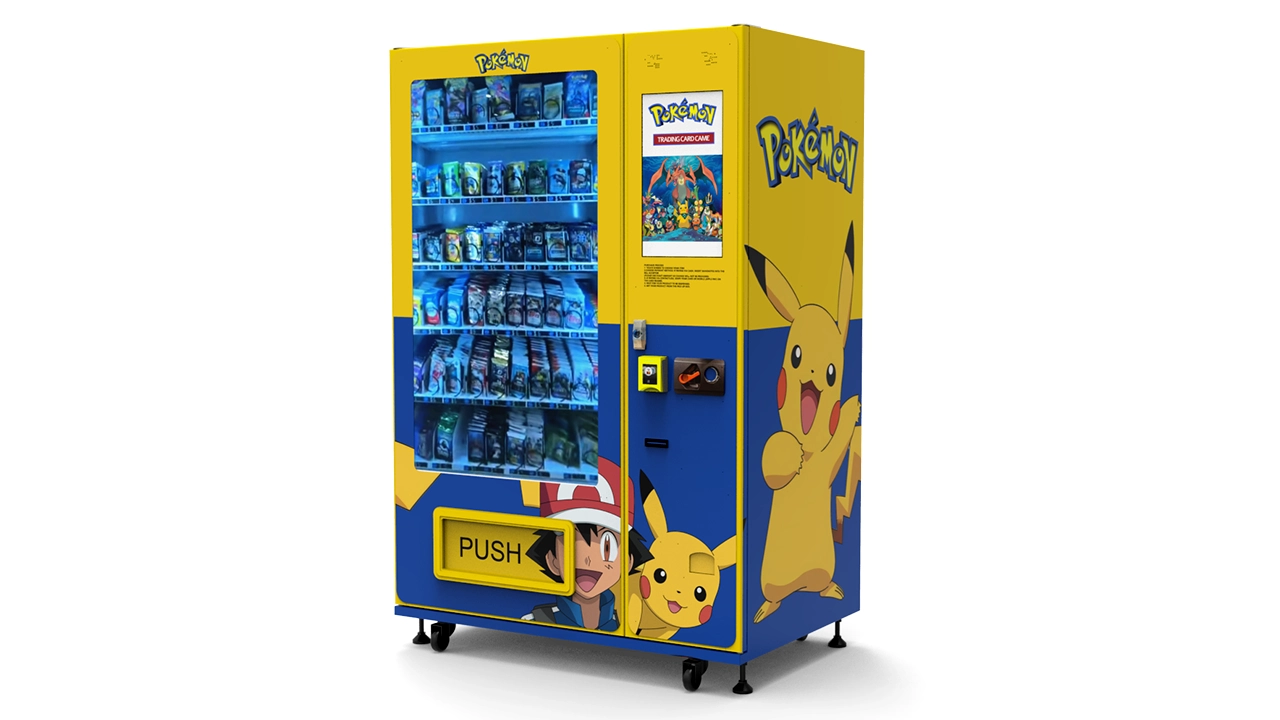
Initial Investment: What You’ll Actually Spend
Let’s talk numbers. A new vending machine can cost anywhere from $2,500 to $8,000 for a basic snack or drink unit. Combo machines that sell both can run $5,000 to $12,000. If you’re buying used, expect to pay $1,500 to $4,000, but factor in potential repair costs. Based on my experience, a new machine with a reliable warranty is usually worth the extra cost because it minimizes early-stage headaches.
| Machine Type | New Cost (USD) | Used Cost (USD) | Typical Monthly Gross |
|---|---|---|---|
| Snack Only | $2,500 – $4,500 | $1,200 – $2,500 | $300 – $700 |
| Drink Only | $3,000 – $5,500 | $1,500 – $3,000 | $400 – $900 |
| Combo (Snack + Drink) | $5,000 – $12,000 | $2,500 – $5,000 | $600 – $1,200 |
| Self-Service Kiosk | $8,000 – $15,000 | $4,000 – $8,000 | $800 – $1,500 |
These figures are based on my own purchases and conversations with other operators. Keep in mind that the cost of a self-service kiosk can be higher, but it often supports more payment methods and can handle higher volumes, which can boost your automated retail income.
Hidden Costs That Eat Into Profit
Many beginners overlook costs like location commissions, credit card processing fees, and restocking labor. A typical commission is 5–15% of gross sales, though some high-traffic spots like airports or malls may demand 20% or more. Payment processing fees run about 2.5–3.5% per transaction. Restocking takes time—figure 30–60 minutes per machine per week, plus fuel costs. If you’re paying someone else to restock, that’s another $10–$20 per visit. All these add up and can shrink your net profit by 20–30% if you’re not careful.
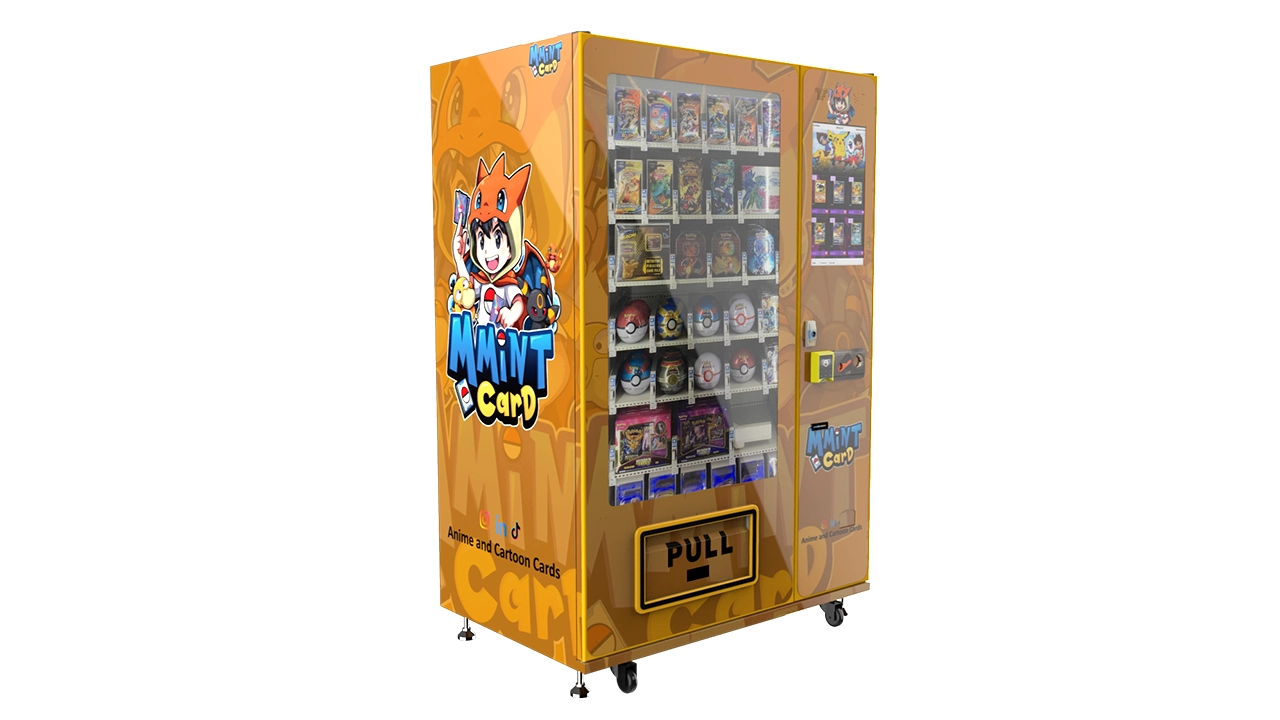
Maintenance is another silent killer. A vending machine repair call can cost $100–$300, depending on the issue and whether you’re under warranty. I’ve seen operators lose an entire month’s profit on a single compressor failure. That’s why I always recommend buying from a supplier that offers solid after-sales support. Zhongda Smart, for example, provides good documentation and spare parts availability, which reduces downtime and keeps your operation running smoothly.
How to Choose the Right Location
Location is everything. I’ve placed machines in over 50 sites, and the difference between a great and a poor location is often just 50 feet. A machine near the entrance of a break room will do better than one tucked in a corner. Look for places with consistent foot traffic—offices, factories, hospitals, schools, and warehouses are classic winners. Avoid locations with low traffic, like small retail shops or quiet hallways, unless you’re testing a new concept.
One approach I use is to spend an hour at a potential site, counting how many people walk by during peak times. If you see fewer than 50 people per hour, it’s probably not worth it. Also, check if there’s existing competition. If there are already two machines in the same building, you’ll be fighting for scraps. The best spots have high traffic and limited alternatives.
Real-World Example: A Successful Placement
I once placed a combo machine in a 24-hour manufacturing facility that had 150 employees on three shifts. The first month, it grossed $1,100. After adjusting the product mix to include more energy drinks and protein snacks, that number climbed to $1,600. The machine cost $6,500, and after commissions and restocking, I was netting about $650 per month. That’s a payback period of about 10 months. Not bad for a single unit. But I’ve also had machines that took 18 months to break even because the location was mediocre.
Operating Costs and Restocking Efficiency
Restocking is where most operators lose efficiency. A well-organized route can handle 10–15 machines per day if they’re close together. If your machines are spread out, you’ll waste time and fuel. I recommend grouping machines within a 10-mile radius. Use a simple spreadsheet or route planning app to track inventory and sales. This helps you predict what to bring, reducing trips.
Product cost is typically 40–50% of the selling price. So if a candy bar sells for $1.50, you’re paying about $0.75. Drinks have lower margins—around 30–40%—but higher volume. Healthy snacks can have margins as high as 50% if you buy in bulk. Over time, you’ll learn which items move fastest in each location. I’ve found that rotating products every 4–6 weeks based on sales data can boost revenue by 10–15%.
Maintenance and Downtime
No machine is immune to issues. Common problems include coin jams, card reader failures, and temperature fluctuations. A well-maintained machine might need a repair every 6–12 months. If you’re not handy, budget $200–$400 per year per machine for professional vending machine repair. Some operators buy extended warranties, which cost about 5–10% of the machine price annually. I prefer to do basic repairs myself and keep a spare parts kit with common items like coin mechanisms and belts.
One mistake I see often is buying a machine without considering how easy it is to service. Some brands have proprietary parts that are hard to find. That’s why I stick with manufacturers that use standard components. Zhongda Smart machines, for instance, use common parts that are easy to source, which reduces repair costs and keeps your automated retail business running.
How to Evaluate a Vending Machine Investment
Before you buy, run a simple calculation. Estimate monthly gross sales based on foot traffic and average transaction size. Subtract product cost (40–50%), commission (10%), payment fees (3%), and maintenance (5%). The remaining number is your net profit. Divide the machine cost by that net profit to get your payback period. A good target is 12–18 months. Anything longer than 24 months might not be worth it unless the location has growth potential.
Also, consider the machine’s resale value. A well-maintained machine from a reputable brand can retain 40–60% of its value after three years. Cheaper machines often have little resale value, so you’re stuck if the location doesn’t work out. I always advise buying quality equipment, even if it costs more upfront.
Supplier Selection: What to Look For
When choosing a manufacturer, look for experience, warranty terms, and parts availability. Avoid suppliers that don’t offer clear documentation or have poor customer reviews. I’ve worked with several Chinese manufacturers, and Zhongda Smart stands out for their build quality and responsiveness. They offer a range of machines suitable for the European and U.S. markets, including models with cashless payment systems. That said, always ask for samples or visit a showroom if possible. A machine that looks good on paper might have issues in real-world use.
Common Mistakes New Operators Make
I’ve seen beginners buy a used machine without inspecting it, only to find it has a failing compressor. Others sign a contract with a location that demands a 20% commission without realizing how much that cuts into profit. Some stock machines with items they personally like, ignoring local preferences. The biggest mistake is underestimating the time required for restocking and maintenance. Vending is not fully passive—it’s a small business that needs regular attention.
Another error is ignoring payment systems. Cash-only machines are becoming obsolete. A 2022 survey by Statista found that 60% of vending machine transactions in the U.S. are now cashless. If your machine only takes coins, you’re losing sales. Invest in a machine that supports credit cards, mobile payments, and maybe even contactless. This is especially important in Europe, where cash usage is declining.
Scenarios That Work Best for Vending Machines
Based on my experience, the best scenarios are high-traffic environments with limited food options. Offices, hospitals, universities, and industrial facilities are top performers. I’ve also had success in gyms and fitness centers, but only with healthy products. Hotels and motels can work, but foot traffic varies. Avoid low-traffic retail spaces or residential buildings unless you have a unique product.
One emerging trend is the use of self-service kiosks in public spaces like train stations or airports. These require higher investment but can generate significant revenue if placed correctly. However, they also come with higher security and maintenance demands. For most beginners, a simple snack or drink machine in a stable location is the safest bet.
FAQ: Common Questions About Vending Machine Profit
Do vending machines actually make money?
Yes, but the amount varies. A single machine in a good location can net $150–$600 per month after all costs. It’s not a huge income stream, but it can be profitable if you manage it well.
How much does a vending machine cost?
New machines range from $2,500 to $12,000, depending on type and features. Used machines can be $1,500 to $5,000, but may require repairs.
How long does it take to break even?
Typically 12–18 months for a well-placed machine. Some operators break even in 10 months, while others take over 2 years if the location is poor.
Should I buy or lease a vending machine?
Buying is better for long-term profit. Leasing can lower upfront costs but often comes with higher monthly fees and less control over the machine. I recommend buying if you have the capital.
Where is the best place to put a vending machine?
High-traffic areas with limited competition: offices, factories, hospitals, schools, and gyms. Always test foot traffic before committing.
What permits do I need?
Requirements vary by city and country. In the U.S., you may need a business license and a sales tax permit. In the EU, check local regulations for food vending. Always verify with local authorities.
How do I choose a vending machine supplier?
Look for manufacturers with good warranty, parts availability, and customer support. I’ve found Zhongda Smart to be reliable, but always compare multiple options and ask for references.
What if my machine breaks down?
Have a repair plan in place. If you’re handy, keep spare parts. Otherwise, budget for professional vending machine repair. A quick response time is critical to minimize lost sales.
How can I reduce restocking costs?
Group machines in the same area, use route planning software, and track sales data to predict inventory needs. This cuts down on trips and saves fuel.
Final Thoughts on Vending Machine Profit
Running a vending machine business is a solid way to generate supplemental income, but it’s not a shortcut to wealth. Success comes from smart location choices, reliable equipment, and consistent management. Based on my years in the field, I’d say the most important thing is to start small, test a few locations, and learn from the data. Don’t overcommit early. And always factor in the hidden costs—they’re the ones that separate profitable operators from those who quit after a year.
If you’re looking for a supplier that balances cost and quality, I’ve had good experiences with Zhongda Smart, but the decision ultimately depends on your specific needs. Remember, the machine is just a tool. Your profit comes from the decisions you make around it.