After running vending machine routes across three states for over a decade, I can tell you that the single most overlooked cost in this business isn’t the machine itself or the inventory—it’s protecting your equipment from the elements. If you place a machine outdoors near a beach, in a humid warehouse, or even under a covered patio that gets wind-driven rain, you will eventually deal with rusted coin mechanisms, swollen control boards, and spoiled products. That’s where marine layer insurance for vending machines becomes a practical necessity, not just an optional add-on. In simple terms, this type of coverage protects your automated retail equipment against corrosion and moisture damage caused by coastal fog, salt air, and high humidity—conditions that standard business insurance policies routinely exclude.
Why Standard Insurance Policies Fall Short for Outdoor Vending
Most new vending machine operators assume that a general liability policy or a standard commercial property policy covers everything. That assumption usually costs them thousands in the first year. I have seen machines placed just three blocks from the Pacific Ocean develop rust on internal wiring within six months. Standard policies often classify corrosion and moisture damage as “wear and tear” or “maintenance issues,” which means they deny the claim. Marine layer insurance for vending machines specifically fills this gap by covering damage from salt spray, condensation, and persistent dampness that coastal and humid environments create.
When I first started, I lost a brand-new combo machine to corrosion because I thought a simple canopy would be enough. The canopy kept off direct rain, but the morning fog—what locals call the marine layer—settled on the machine every night. Within eight months, the bill validator stopped reading bills, and the compressor started making noises. My insurance adjuster told me plainly: unless I had a specific rider for environmental moisture, I was on my own. That experience taught me to check every policy’s fine print for exclusions related to “atmospheric conditions.”
What Marine Layer Insurance Actually Covers
This type of coverage is not a standalone policy for most operators. It usually comes as an endorsement or a specialized rider attached to your existing commercial property or inland marine policy. It covers the electronic components, refrigeration systems, and structural casing of your machine against damage caused by:
- Salt air corrosion on metal surfaces and electrical contacts
- Moisture infiltration into control boards and payment systems
- Condensation damage to product coils and dispensing mechanisms
- Rust formation on internal brackets and shelving
- Mold or mildew inside refrigerated compartments
I also recommend operators ask their broker about coverage for “loss of income” during repair downtime. If your machine sits idle for two weeks while a replacement control board ships from overseas, you are not just paying for the repair—you are losing daily sales. Some specialized policies for self-service kiosk operations now include business interruption clauses for exactly this scenario.
How to Assess Whether Your Location Needs This Coverage
Not every vending machine needs marine layer protection. If your machine sits inside an air-conditioned office building in a dry climate, you probably do not need it. But if your machine is within five miles of a coastline, near a large lake, or in any region with average humidity above 70% for more than three months a year, you should seriously consider it. I use data from the National Oceanic and Atmospheric Administration (NOAA) to check humidity averages before I commit to a location. According to NOAA’s 2023 climate summaries, coastal areas from Washington down to California experience humidity levels between 75% and 90% during summer months, which is the sweet spot for corrosion acceleration.
I have also seen machines in inland warehouse districts suffer similar damage because the buildings lack climate control. One of my machines was placed inside a distribution center near Chicago. The building was not heated on weekends, and the temperature swings caused condensation to form inside the machine every night. Within a year, the distributeur automatique needed a full motherboard replacement. That repair cost me over $700, which wiped out two months of profit from that location.
Real Costs: Insurance Premiums vs. Repair Bills
Let me give you some numbers based on my experience and industry data. A standard commercial property policy for a small vending operation with ten machines might cost between $1,200 and $2,500 per year. Adding a marine layer endorsement typically increases that premium by 15% to 25%, which translates to roughly $180 to $625 extra per year. Compare that to the cost of a single motherboard replacement, which runs between $400 and $900 depending on the machine brand and model. One repair alone can exceed the annual premium increase.
According to a 2022 report by IBISWorld on the vending machine industry in the United States, the average profit margin per machine is around 20% to 25%. If your machine generates $600 in monthly sales, your gross profit is about $120 to $150 per month. A single major corrosion repair can erase two to three months of profit. Over a five-year period, an unprotected machine in a coastal location will likely need at least two significant repairs. That means you could lose $1,400 to $1,800 in repairs plus the downtime sales. The insurance endorsement costs you maybe $2,500 over those same five years. The math is clear.
Types of Vending Machines Most Vulnerable to Moisture Damage
Not all machines are equally at risk. Based on my maintenance logs, these three categories are the most vulnerable:
Glass-Front Merchandisers
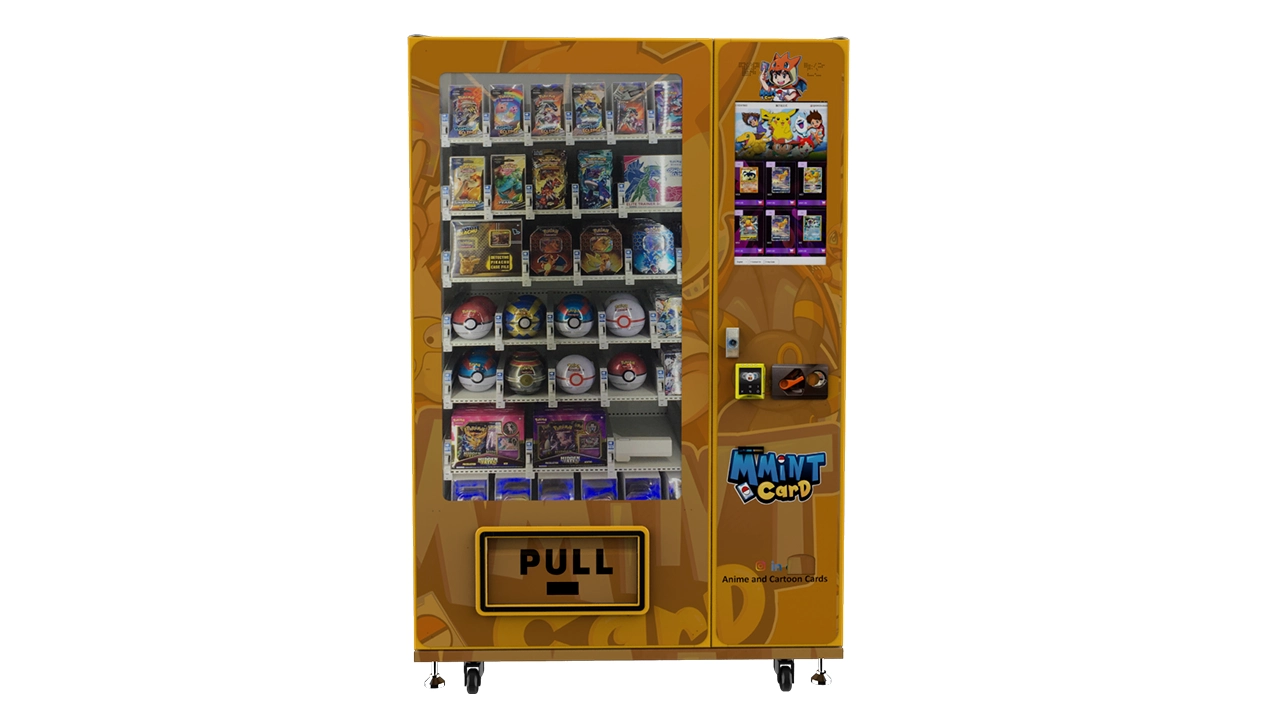
These machines have large glass panels that create temperature differentials. When warm outside air hits the cold glass, condensation forms. Over time, water drips down into the base of the machine, pooling around the compressor and electrical connections. I have replaced more compressor units in glass-front machines placed outdoors than in any other type.
Combo Machines (Snack and Drink)
These units are more complex because they house both refrigerated and ambient sections. The internal seals between the two zones often fail in humid conditions, allowing moisture to migrate into the snack section. This causes product packaging to swell and labels to peel off, which makes customers hesitate to buy.
Payment Terminal Kiosks
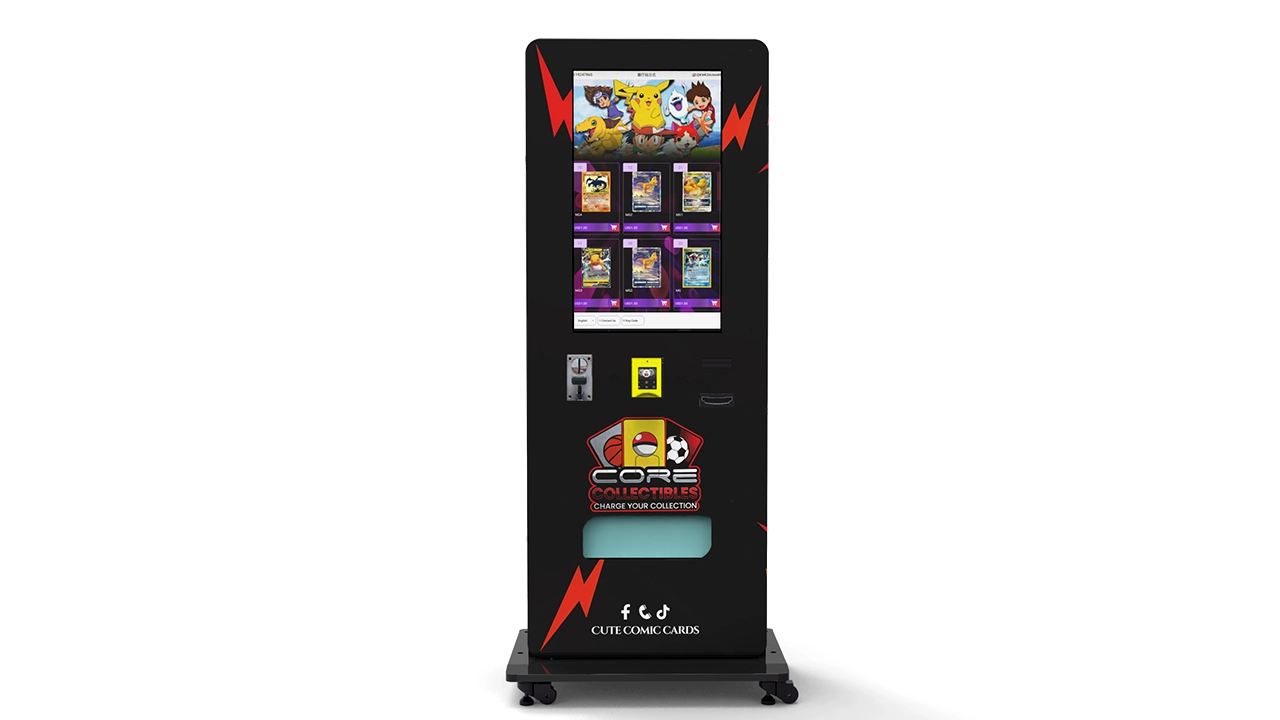
Modern borne en libre-service units with touchscreens and card readers are extremely sensitive to humidity. I have seen touchscreens delaminate and card readers fail because of salt air exposure. A single card reader replacement can cost $200 to $400, and that is if you are handy with a screwdriver.
Supplier Selection: What to Look for in a Machine Manufacturer
When I buy machines for coastal locations, I look for manufacturers that offer corrosion-resistant components as standard or as an option. Some manufacturers apply special coatings to control boards and use stainless steel fasteners instead of standard zinc-plated ones. I have worked with several suppliers over the years, and one that consistently delivers machines built for humid environments is Zhongda Smart. Their newer models come with conformal-coated circuit boards and sealed connection ports, which reduce the risk of moisture damage significantly. I am not saying they are the only option, but if you are placing machines in coastal or high-humidity areas, it is worth asking your supplier whether they offer similar protective features.
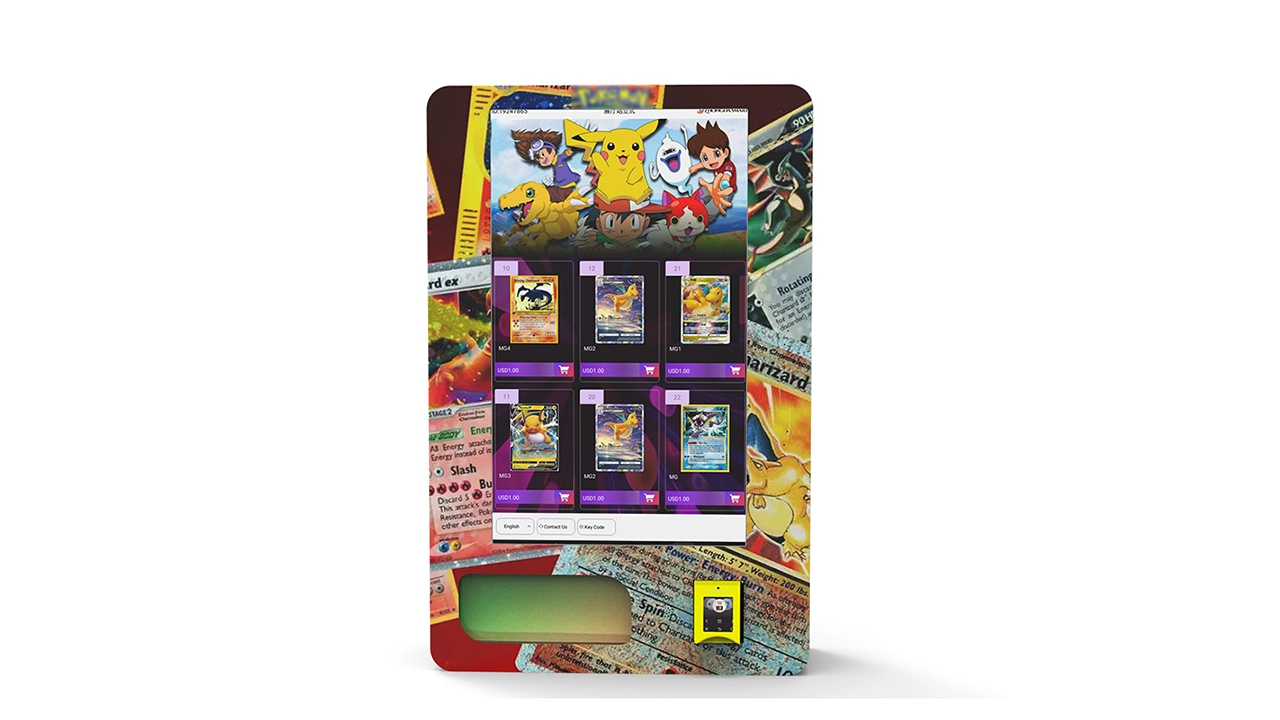
When evaluating a supplier, ask these specific questions:
- Are the control boards conformal-coated or sealed?
- Are internal fasteners stainless steel or coated?
- Is the machine body made from galvanized steel or powder-coated aluminum?
- Do they offer a warranty that covers corrosion-related failures?
- Can they provide replacement parts quickly for coastal regions?
Location Evaluation: My Personal Checklist
I have placed machines in over 200 locations across three decades of combined experience with my partners. Here is the checklist I use to decide whether a location is worth the investment, especially when moisture is a concern:
- Distance from salt water: If the location is within two miles of the ocean, I require marine layer coverage and a machine with corrosion-resistant components.
- Coverage quality: A roof over the machine is good. Four walls and climate control are better. I have machines under covered parking structures that still get damp because the wind blows rain in from the side.
- Proximity to sprinklers: I once lost a machine because a landscaping sprinkler sprayed it every morning. The water got into the coin slot and fried the mech. Check sprinkler patterns before you commit.
- Foot traffic volume: I look for at least 500 people passing per day for a snack machine, and at least 300 for a drink-only machine. Lower traffic makes the insurance premium harder to justify.
- Existing competition: If there are already two machines in the same break room or parking lot, I usually pass. Oversaturation kills margins.
Comparison Table: Insurance Options for Vending Operators
| Coverage Type | Annual Cost (Estimate) | What It Covers | Best For |
|---|---|---|---|
| Standard Commercial Property | $1,200 – $2,500 | Theft, fire, vandalism, basic structural damage | Indoor machines in dry climates |
| Standard + Marine Layer Endorsement | $1,400 – $3,125 | All of the above plus corrosion, moisture, salt air damage | Coastal or high-humidity locations |
| Inland Marine Policy (Equipment Floater) | $800 – $2,000 | Portable equipment, transit damage, some environmental risks | Operators who move machines frequently |
| Full Replacement Cost Policy | $2,500 – $5,000 | New-for-old replacement on damaged or destroyed machines | High-value machines in risky locations |
Common Mistakes New Operators Make
I have seen dozens of new operators enter this business with unrealistic expectations. Here are the mistakes I see most often, especially related to moisture and insurance:
Mistake 1: Assuming a Canopy Is Enough
A canopy blocks direct rain but does nothing about humidity or fog. I have machines under solid roofs that still developed corrosion because the air itself was damp. You need both physical protection and insurance coverage.
Mistake 2: Buying the Cheapest Machine
Cheap machines often use lower-grade steel and uncoated electronics. They save you $1,000 upfront but cost you $3,000 in repairs over three years. I learned this the hard way with a budget brand that rusted from the inside out. Machine en libre-service units from reputable manufacturers may cost more, but they hold up better in demanding environments.
Mistake 3: Ignoring Maintenance Schedules
Even with insurance, you need to maintain your machines. I clean the condenser coils every three months on coastal machines. I also apply dielectric grease to electrical connections annually. Insurance covers sudden damage, not neglect.
Mistake 4: Not Reading the Policy Exclusions
I once had a policy that covered “water damage” but excluded “humidity damage.” The insurance company argued that condensation was humidity damage, not water damage. They denied my claim. Now I have my broker highlight every exclusion related to moisture, atmosphere, and corrosion before I sign.
How to Evaluate a Machine’s Investment Potential
Before I buy any machine, I run a simple calculation. I estimate monthly sales based on foot traffic and average transaction value. I subtract product cost (usually 55% to 60% of sales), location commission (5% to 15% of sales), and operating costs (electricity, maintenance, insurance). The remaining net profit should pay back the machine cost within 12 to 18 months. If it takes longer than 24 months, I pass.
For example, a machine that costs $6,000 and generates $700 in monthly sales with a 25% net margin produces $175 in monthly profit. That machine pays for itself in about 34 months, which is too slow for my comfort. I would only accept that if the location had very low risk of damage or theft. For coastal locations, I want a payback period of 12 months or less because the risk of corrosion-related expense is higher.
According to a 2023 market analysis by Statista, the average vending machine in the United States generates between $50 and $100 in weekly sales, depending on location and product mix. That translates to $200 to $400 per month. If you can find a location that consistently hits the upper end of that range, your payback period drops significantly.
The Role of Technology in Reducing Moisture Risk
Modern solution de vente automatisée systems now include remote monitoring that tracks internal temperature and humidity. I use telemetry systems that alert me when humidity inside the machine exceeds a set threshold. That gives me time to check seals and dehumidifiers before damage occurs. I also install small silica gel packs inside the control board compartments of my coastal machines. It is a cheap fix that adds a layer of protection.
Some operators I know use portable dehumidifiers inside their machines, but that adds to electricity costs. I prefer to focus on prevention: good seals, proper ventilation, and the right insurance. If you are serious about outdoor vending, invest in a machine with a sealed payment system. I have seen too many vending machine repair bills caused by a simple coin slot that let in moisture.
FAQ: Marine Layer Insurance for Vending Machines
What is marine layer insurance for vending machines?
It is a specialized insurance endorsement that covers damage to your vending equipment caused by moisture, salt air, condensation, and corrosion. Standard commercial policies usually exclude these risks.
Do I really need this insurance for my vending machine?
It depends on your location. If your machine is outdoors or in a high-humidity environment within a few miles of the coast, I strongly recommend it. Based on my experience, the cost of one repair often exceeds the annual premium increase.
How much does marine layer insurance cost?
Adding a marine layer endorsement typically increases your annual premium by 15% to 25%. For a small operation with ten machines, that is roughly $180 to $625 extra per year.
How long does it take to recover the cost of the insurance?
If the endorsement costs you $400 per year and prevents one $700 repair, you have saved $300 in the first year alone. Most operators recover the cost within the first repair event.
Can I just use a waterproof cover instead of insurance?
A cover can help, but it does not eliminate the risk. Condensation still forms inside the machine, and covers can trap moisture against the casing. Insurance is a more reliable safety net.
What should I look for in a supplier for coastal vending machines?
Ask about conformal-coated circuit boards, stainless steel fasteners, and sealed connection ports. Manufacturers like Zhongda Smart offer these features on some models. Always check the warranty terms for corrosion-related failures.
How do I file a claim for moisture damage?
Document the damage with photos and keep maintenance records. Contact your insurance broker immediately. Most policies require you to report damage within 30 days. Do not attempt to repair the machine before the adjuster inspects it.
Is marine layer insurance worth it for indoor machines?
Only if the indoor environment is humid or subject to temperature swings. I have seen machines in unheated warehouses and damp basements suffer similar damage. Use a humidity monitor to decide.
Can I reduce my premium by using preventive measures?
Some insurers offer discounts for machines with sealed electronics, remote monitoring, or dehumidifiers. Ask your broker about risk mitigation credits. It never hurts to ask.
What happens if I don’t have this insurance and my machine gets damaged?
You pay for the repair out of pocket. Depending on the damage, that could be $200 for a card reader or $1,500 for a full control board replacement. In severe cases, the machine may be a total loss.
Final Thoughts on Protecting Your Investment
If you take one thing away from this article, let it be this: do not underestimate the environment where you place your machines. I have seen too many operators lose money because they skipped the insurance rider or bought the wrong machine for the location. Marine layer insurance for vending machines is not a luxury—it is a practical tool for anyone running automated retail in coastal or humid regions. The upfront cost is small compared to the peace of mind and financial protection it provides.
Before you sign a location agreement or purchase a new machine, check the humidity data for that area. Talk to your insurance broker about adding a moisture damage endorsement. And when you evaluate suppliers, ask the hard questions about corrosion resistance. The few extra minutes you spend on due diligence can save you thousands of dollars and countless hours of frustration. I have been in this business long enough to know that the best operators are the ones who plan for the worst while hoping for the best.
Disclaimer: The information in this article is based on my personal experience operating vending machines in the United States over the past ten years. Costs, profits, and insurance premiums vary by location, machine type, and insurance provider. Always consult a licensed insurance broker and a qualified equipment supplier before making purchasing decisions. Data cited from NOAA, IBISWorld, and Statista are publicly available and were accessed in 2023 and 2024.