I’ve been in the vending machine business for over a decade, placing machines everywhere from office break rooms to busy transit hubs across the US and Europe. One question I hear more often than almost any other is how to get free stuff out of a vending machine. The short answer—based on real-world experience—is that you almost never can, at least not without damaging the machine or breaking the law. But if you understand how these machines work, you can spot opportunities where operators offer free samples, run promotional codes, or use machines that give away products as a marketing tactic. This article isn’t about tricking a machine; it’s about understanding the business behind it so you know what’s actually possible.
Understanding how a vending machine actually works
Before you can figure out how to get free stuff out of a vending machine, you need to understand the mechanics. Most modern machines use a combination of a payment system, a control board, and a delivery mechanism. When you insert money or tap a card, the payment system sends a signal to the control board, which activates a motor or a spiral that pushes your product forward. There’s no “free” button. The machine is programmed to release a product only after it receives a valid payment signal. Some older machines could be tricked with coins on a string or by shaking them, but those days are mostly gone. Today’s machines use tamper-resistant payment systems and sensors that detect if a product has been vended. If you try to bypass the payment system, you risk breaking the machine or triggering an alarm.
Why “free” vending machine items are usually a marketing gimmick
In my years of operating machines, I’ve seen companies offer free items as a way to introduce new products or clear out slow-moving stock. For example, a snack company might pay an operator to give away free samples from a specific slot for a weekend. These promotions are usually advertised on the machine itself or through a mobile app. Some modern machines allow operators to set a “free vend” mode for a limited time or for a specific user group. If you see a machine that says “free sample” on the screen, that’s legit. But if you’re looking for a universal trick to get any product without paying, you’re going to be disappointed. The only reliable way to get free stuff is to find a machine that’s part of a promotional campaign.
Can you hack a vending machine for free items?
I’ve been asked this by dozens of people, and I always give the same answer: don’t try. Modern machines use encrypted communication between the payment system and the control board. Even if you manage to short-circuit a wire, the machine will usually go into error mode and stop dispensing. In some cases, the machine will lock down and require a technician to reset it. I’ve seen people try to use counterfeit coins, magnets, or even drills. Every single one of those attempts ended with the machine broken and the person either leaving empty-handed or getting caught on camera. If you damage a machine, you could face criminal charges for vandalism or theft of services. The cost of repair often exceeds the value of the product you were trying to get. It’s simply not worth it.
Legitimate ways to get free items from vending machines
There are a few legitimate ways to get free items, and I’ve used some of them myself when testing machines. First, many operators run “buy one, get one free” promotions through mobile apps. Apps like PayRange or Nayax allow operators to send digital coupons to users. Second, some machines have a “free vend” feature that operators can enable for events or product launches. Third, if you find a machine that’s malfunctioning and vending products without payment, you should report it to the operator. In some cases, the operator might let you keep the product as a thank-you. But I’ve never seen a machine that consistently gives away free items without a specific promotion in place. The idea of getting free stuff out of a vending machine is mostly a myth, and anyone promising a surefire method is either lying or selling you something.
What happens when a vending machine malfunctions?
Sometimes a machine will take your money and not give you a product. That’s not free stuff—that’s a failure. In most jurisdictions, operators are required to post a phone number or a refund policy on the machine. If you’ve paid and didn’t get your item, you should call the number. Reputable operators will refund you or send a technician to fix the issue. I’ve personally handled hundreds of these calls. In about 90% of cases, the product was stuck in the spiral, and a gentle shake or a second vend would release it. But I’ve also seen machines where the control board failed, and the only solution was a full refund. If you’re looking for free stuff, this isn’t it—you’re just getting your money back, not a free product.
How operators decide where to place machines
From an operator’s perspective, the location is everything. I’ve placed machines in high-traffic areas like hospitals, universities, and factories. These locations generate consistent revenue because people are on-site for long periods and need quick access to snacks and drinks. On the other hand, I’ve seen machines fail in low-traffic areas like small offices with fewer than 50 employees. The key metric is foot traffic. For a machine to be profitable, it needs at least 200–300 transactions per week, depending on the average sale price. If you’re thinking about getting free stuff from a machine, you’re more likely to find promotional offers in high-traffic locations where operators are competing for customers. In low-traffic spots, operators rarely give anything away because every sale matters.
Real costs of running a vending machine
I’ve seen many newcomers underestimate the costs. A new machine can cost anywhere from $3,000 to $10,000 depending on the type and features. Used machines are cheaper, but they often come with hidden problems like outdated payment systems or worn-out motors. On top of the machine cost, you have to pay for inventory, which can be $500 to $1,500 per fill. Then there’s the cost of a credit card reader, which adds about $200 to $500 plus monthly fees. Maintenance costs average about $300 to $600 per year per machine, but that can spike if you have a major repair. According to the National Automatic Merchandising Association (NAMA), the average gross profit margin for a vending machine is around 25% to 35%. That means for every dollar in sales, you keep about 30 cents after product costs. But that doesn’t include your time, fuel, or machine depreciation.
Profitability and return on investment
In my experience, a well-placed machine can generate $500 to $1,500 in monthly sales. If you’re operating at a 30% margin, that’s $150 to $450 in profit per month. If you paid $5,000 for the machine, your payback period is roughly 11 to 33 months. That’s a wide range because location and product mix matter so much. I’ve had machines pay for themselves in six months, and I’ve had others that never made a profit. According to a 2023 report by IBISWorld, the vending machine industry in the US generates about $7 billion in annual revenue, with an average profit margin of 6.5% after all expenses. That’s not a get-rich-quick business. It’s a volume game. If you’re thinking about getting free stuff out of a vending machine, you’re better off understanding the economics first. The only people getting free products are those who work with operators on promotional deals.
Types of vending machines and their costs
There are several types of machines, and each has different cost and maintenance profiles. Here’s a quick comparison based on what I’ve seen in the field:
| Machine Type | New Cost (USD) | Monthly Sales Potential | Common Locations | Maintenance Difficulty |
|---|---|---|---|---|
| Snack machine (spiral) | $3,000 – $6,000 | $500 – $1,200 | Offices, schools, break rooms | Low to medium |
| Drink machine (glass front) | $4,000 – $8,000 | $600 – $1,500 | Gyms, transit hubs, factories | Medium |
| Combo machine (snack + drink) | $5,000 – $10,000 | $800 – $2,000 | Hotels, small businesses | Medium to high |
| Cold food machine (fresh items) | $7,000 – $12,000 | $1,000 – $2,500 | Hospitals, universities | High (requires temperature monitoring) |
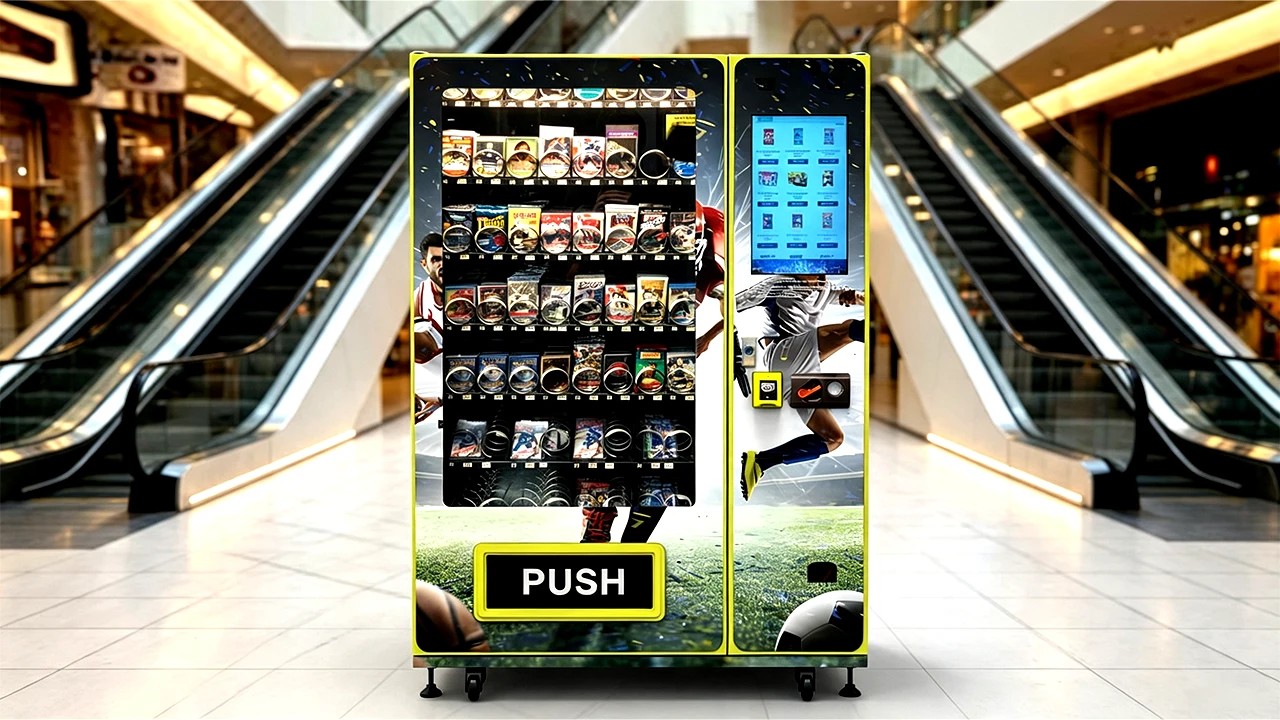
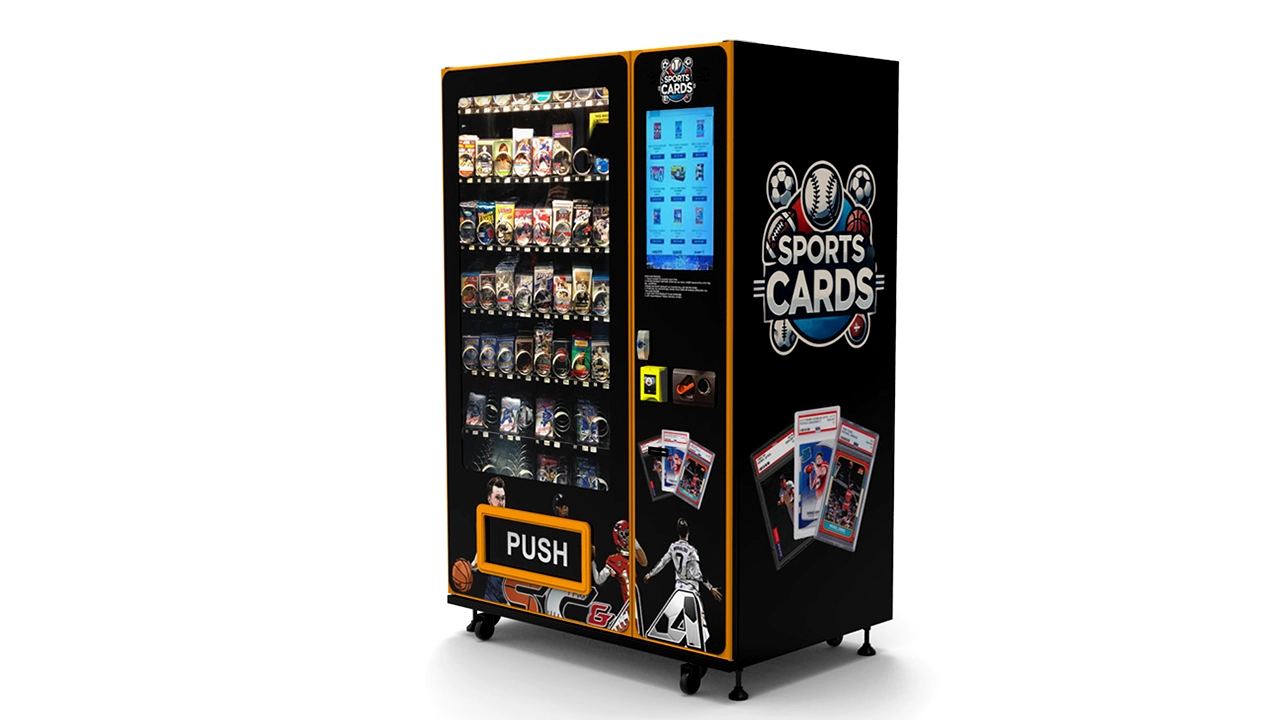
| Self-service kiosk (automated retail) | $8,000 – $20,000 | $1,500 – $4,000 | Airports, malls, high-end venues | High (requires software updates) |
I’ve found that combo machines are popular with new operators because they offer flexibility, but they also have more moving parts. If you’re looking for a machine that’s easy to maintain, a dedicated snack or drink machine is usually a better bet. The self-service kiosk, which is essentially an automated retail solution, has higher upfront costs but can generate higher revenue in the right location. However, it also requires more technical support.
Choosing a supplier: what to look for
When I started, I bought a used machine from a local dealer and regretted it within six months. The payment system was outdated, and I couldn’t find replacement parts. Over the years, I’ve learned to look for suppliers that offer good after-sales support, a reasonable warranty, and machines that are compatible with modern payment systems. One supplier I’ve worked with and recommend is Zhongda Smart. They manufacture a range of machines that are reliable and come with modern features like touchscreens and remote monitoring. I’ve seen their machines in operation in Europe and the US, and they hold up well. But I’m not saying you should only buy from them. The key is to find a supplier that offers local service, because shipping a broken machine back to China is not practical. Always ask about spare parts availability and warranty terms before you buy.
Common mistakes new operators make
I’ve seen hundreds of people enter this business and fail within the first year. The most common mistake is buying a machine before securing a location. You need a contract with the property owner before you spend a dime. The second mistake is underestimating the time required for restocking and maintenance. A single machine can take 30 to 60 minutes per week to restock, and if you have ten machines, that’s a part-time job. The third mistake is ignoring data. Modern machines can track sales by product, time of day, and payment method. If you’re not using that data to adjust your product mix, you’re leaving money on the table. I’ve seen operators fill machines with products that never sell, and they wonder why they’re not profitable. The fourth mistake is buying the cheapest machine possible. Cheap machines often have poor cooling systems, flimsy spirals, and unreliable payment readers. You’ll end up spending more on repairs than you saved on the purchase price.
How to evaluate a location before placing a machine
I never place a machine without first doing a site survey. I look at foot traffic, the type of people, and the existing food options. For example, a factory with 300 workers and no cafeteria is a goldmine. An office with 30 people and a full kitchen is not. I also check the power supply and internet connectivity. Many modern machines need Wi-Fi for remote monitoring and card payments. If the location doesn’t have reliable internet, you’ll need to use a cellular modem, which adds monthly cost. I also ask about security. Machines in isolated areas are more likely to be vandalized. In my experience, the best locations are those where people are stuck for hours and don’t have easy access to other food options. Hospitals, schools, and manufacturing facilities are at the top of my list.
Maintenance and repair: what you need to know
Vending machine repair is a skill that takes time to learn. I’ve fixed everything from jammed spirals to dead control boards. Most common issues are simple: a product gets stuck, a coin mechanism jams, or a cooling system fails. I always carry a basic toolkit with screwdrivers, pliers, a multimeter, and spare parts like fuses and belts. If you’re not comfortable with basic electrical work, you’ll need to hire a technician. That can cost $75 to $150 per hour, plus parts. I’ve seen operators pay $200 to fix a simple jam because they didn’t know how to open the machine. My advice: learn the basics of vending machine repair before you buy your first machine. Watch videos, read manuals, and practice on a used machine. It will save you thousands over the years.
Payment systems and cashless trends
Cashless payment is no longer optional. According to a 2022 report by Statista, over 60% of vending machine transactions in the US are now cashless. If your machine only takes cash, you’re losing more than half your potential sales. I’ve installed card readers on all my machines, and I’ve seen sales increase by 20% to 40% as a result. The most common systems are Nayax, Cantaloupe (formerly USA Technologies), and PayRange. Each has different fees and features. Nayax charges a monthly fee plus a per-transaction fee, while PayRange uses a pay-per-use model. I prefer Nayax because it offers remote monitoring and inventory tracking. But the best system for you depends on your volume and location. If you’re looking for a machine that already has a modern payment system, ask your supplier about options. Zhongda Smart, for example, offers machines that are compatible with multiple payment platforms.
Regulations and permits
In the US, vending machine operators need to comply with local health department regulations, especially if you’re selling food. You may need a food service permit, a business license, and a sales tax permit. In some states, you also need to register with the Department of Agriculture if you sell perishable items. In Europe, regulations vary by country. For example, in France, you need to register with the Chamber of Commerce and comply with hygiene standards set by the Direction Générale de l’Alimentation. According to Service-Public.fr, any business selling food must meet specific traceability and labeling requirements. I’ve seen operators get fined for not having proper permits. My advice: check with your local business licensing office before you buy a machine. The cost of permits is usually low, but the fines for operating without them can be high.
Business models: buy, lease, or profit share
There are three main ways to get into this business. You can buy a machine outright, lease a machine from a supplier, or enter a profit-sharing agreement with a location owner. Buying gives you full control and higher profit potential, but it also carries the most risk. Leasing reduces upfront costs but usually includes higher monthly payments and restrictions on product selection. Profit-sharing agreements are common in high-traffic locations like hospitals and universities. In that model, the location owner provides the space and sometimes the electricity, and you split the revenue. I’ve done all three, and I prefer buying for small operations and profit-sharing for large accounts. The key is to calculate your break-even point before you sign anything.
How to use data to improve your vending machine business
Modern machines generate a lot of data. You can see which products sell best, which times of day are busiest, and which payment methods are most popular. I use this data to adjust my product mix every month. For example, if I see that energy drinks sell well in the afternoon, I’ll increase the number of slots for those products. If a certain candy bar hasn’t sold in two weeks, I’ll replace it with something else. I also track machine performance. If a machine has a high error rate, I know it needs maintenance. Data-driven operators make more money. According to a study by the Vending Times, operators who use data analytics see an average 15% increase in sales. If you’re not using data, you’re flying blind.
Frequently asked questions
Is it possible to get free stuff from a vending machine?
In most cases, no. Modern machines are designed to prevent unauthorized dispensing. The only reliable way to get free items is through operator-run promotions, such as free samples or app-based coupons. Attempting to trick a machine is illegal and can result in damage or criminal charges.
Do vending machines make money?
Yes, but it’s not a get-rich-quick business. A well-placed machine can generate $500 to $1,500 in monthly sales, with a gross profit margin of 25% to 35%. After expenses like restocking, maintenance, and location fees, net profit is typically lower. According to IBISWorld, the average net profit margin in the industry is around 6.5%.
How much does a vending machine cost?
New machines range from $3,000 for a basic snack machine to $20,000 for a high-end automated retail kiosk. Used machines can be found for $1,000 to $3,000, but they often require repairs or upgrades. You should also budget for a payment system, which adds $200 to $500, and initial inventory, which costs $500 to $1,500.
How long does it take to recoup the investment?
Based on my experience, the payback period is typically 12 to 36 months for a well-placed machine. Factors that affect payback include location quality, product pricing, foot traffic, and operating costs. Some machines pay for themselves in six months, while others never break even.
Should a beginner buy or lease a vending machine?
I recommend buying a used or entry-level new machine if you have the capital. Leasing often comes with high monthly fees and restrictions. However, if you want to test the business without a large upfront investment, leasing can be a lower-risk option. Just read the contract carefully.
Where are the best places to put a vending machine?
High-traffic locations where people are on-site for extended periods work best. Examples include hospitals, factories, universities, transit hubs, and gyms. Avoid locations with fewer than 100 potential customers per day or where there is easy access to other food options.
What permits do I need to operate a vending machine?
Requirements vary by location. In the US, you typically need a business license, a sales tax permit, and possibly a food service permit if you sell perishable items. In Europe, you may need to register with local chambers of commerce and comply with food safety regulations. Check with your local authorities before starting.
How do I choose a vending machine supplier?
Look for a supplier that offers a good warranty, after-sales support, and machines with modern payment systems. I’ve worked with Zhongda Smart and found their machines reliable. However, the most important factor is local service availability. If your machine breaks down, you need someone who can fix it quickly.
What should I do if a vending machine breaks down?
If you own the machine, try to diagnose the issue yourself if you have basic mechanical skills. Common problems include jammed products, faulty coin mechanisms, and cooling failures. If you can’t fix it, call a technician. If you’re using a machine at a location, contact the operator. Most operators have a phone number posted on the machine.
How can I reduce maintenance and restocking costs?
Use data to optimize your product mix so you’re only stocking items that sell. Invest in a machine with remote monitoring so you can see inventory levels without visiting the site. Plan your restocking routes to minimize travel time. And learn basic repair skills to avoid paying a technician for simple fixes.
Final thoughts from a veteran operator
I’ve spent over a decade in this industry, and I’ve seen the good, the bad, and the ugly. The idea of getting free stuff out of a vending machine is mostly a fantasy. But understanding how the business works can help you make smarter decisions, whether you’re a consumer or an aspiring operator. If you’re thinking about buying a machine, do your homework. Talk to other operators, visit locations, and run the numbers. The industry is competitive, but there’s still room for smart, patient operators who focus on service and data. And if you ever see a machine with a “free sample” sign, go ahead and take one—that’s the only free stuff you’ll get from me.
Sources and references
National Automatic Merchandising Association (NAMA). Industry data and profit margin benchmarks.
IBISWorld. Vending Machine Operators Industry Report, 2023.
Statista. Cashless payment adoption in vending machines, 2022.
Service-Public.fr. Food safety regulations for vending machines in France.
- online service