If you are researching a snack & drink combo vending machine for your business or location, you likely want to know one thing first: does it actually make money? After over a decade running vending routes across the U.S. and parts of Europe, I can tell you the answer is yes—but only if you place the right machine in the right spot and understand the real costs involved. A combo machine that sells both chips and cold drinks can generate between $300 and $1,200 per week in gross revenue at a good location, with typical margins between 25% and 35%. However, the machine itself, the payment system, the commission you pay to the property owner, and your maintenance habits all determine whether that revenue turns into profit. This guide covers what I have learned from buying, placing, servicing, and sometimes removing these machines, so you can avoid the mistakes I made early on.
What a Snack & Drink Combo Vending Machine Actually Does
A snack and drink combo machine is exactly what it sounds like: one unit that holds both packaged snacks and canned or bottled beverages. Unlike older setups where you needed two separate machines, a combo unit saves floor space and reduces the initial equipment cost. Most modern combo machines use spiral or tray mechanisms for snacks and a separate refrigerated section for drinks. This design is popular in break rooms, small offices, gyms, auto repair shops, and waiting areas where space is limited but demand for quick refreshments is steady.
From my experience, the biggest advantage of a combo machine is simplicity. One machine means one power connection, one payment system, and one location to service. The trade-off is that you have less total capacity compared to two dedicated machines. A typical combo unit holds around 30 to 40 snack selections and 100 to 150 drinks, depending on the model. That is usually enough for a location with 30 to 80 employees or daily visitors. If your location has higher traffic, you might need two machines or a larger dedicated unit.
Another point I rarely see discussed is the importance of the cooling system. In a combo machine, the drink section requires consistent refrigeration. If the cooling unit fails, you lose your highest-margin products. I have seen operators buy cheap combo machines only to spend more on repairs in the first year than they saved on the purchase. Reliable compressors and proper insulation are not optional—they are the difference between a machine that runs for a decade and one that becomes a headache after six months.
Is a Vending Machine Business Profitable? Real Numbers from the Field
Profitability in vending depends on three variables: location, product mix, and operational efficiency. I have placed machines in locations that grossed over $1,500 per week and others that barely hit $100. The difference was never the machine itself—it was the foot traffic and the demographic. According to a 2023 IBISWorld report on vending machine operators in the U.S., the industry average profit margin is around 6% to 8% after all expenses, but that includes large operators with high overhead. For a single operator with one or two machines, margins can be significantly higher because you are not paying for warehouse space or multiple employees.
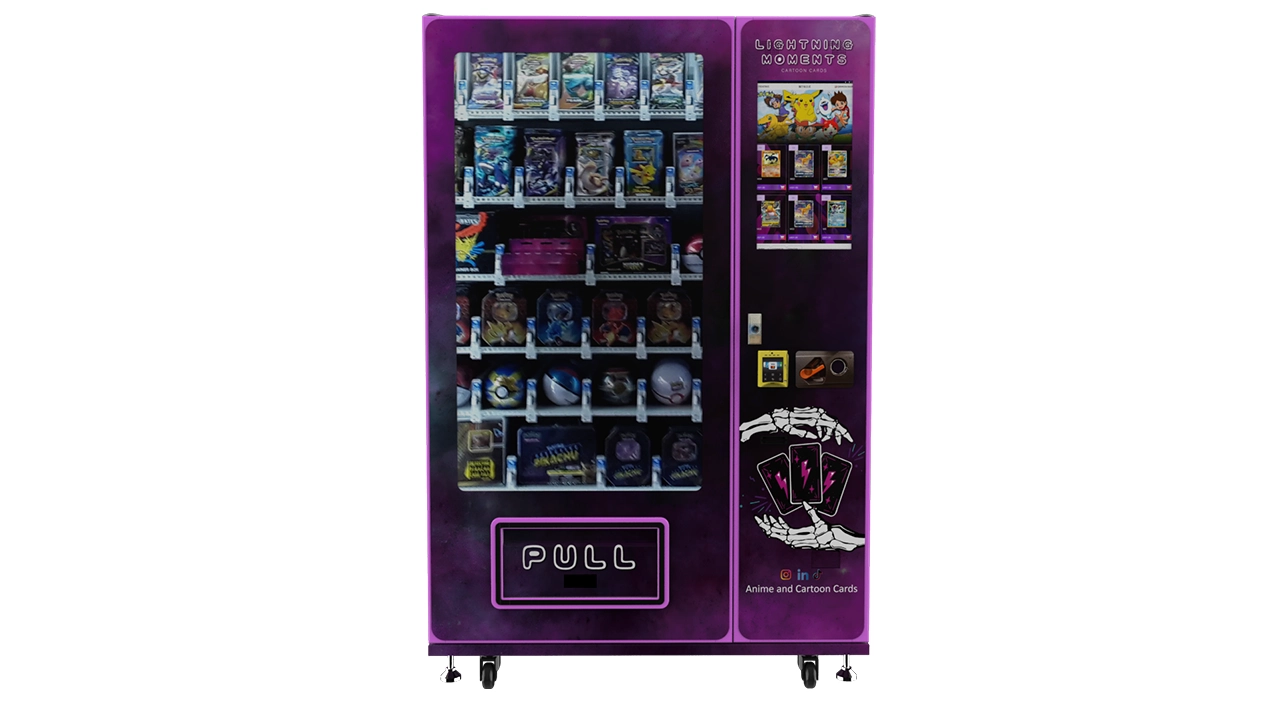
Let me give you a realistic example from one of my own routes. I placed a snack and drink combo machine in a mid-sized automotive repair shop with 12 mechanics and a steady stream of customers waiting for their cars. The shop owner asked for a 10% commission on gross sales. My average weekly revenue was $480. My product cost was roughly 55% of that, leaving $216 gross profit. After subtracting the commission ($48), credit card processing fees (about 3% or $14), and my time for restocking twice a week (about 30 minutes total), I was left with around $140 per week in net profit. That machine cost me $4,200 new. It paid for itself in about 30 weeks. After that, it was pure profit for the next four years until I moved it to a different location.
Compare that to a machine I placed in a small office with 15 employees. Weekly revenue averaged $120. After similar expenses, I was making about $25 per week. That machine took over three years to break even. The lesson is clear: a profitable location is not just any location. It needs enough people who are willing to buy at the moment they see the machine. A snack and drink combo vending machine works best where people are captive—meaning they cannot easily walk to a store or cafeteria. Factories, warehouses, hospitals, and schools are classic examples. I have also seen good results in laundromats and self-storage facilities, where customers have time to kill.
Data from Statista (2024) shows that the average vending machine in the U.S. generates about $75 to $100 per week in sales across all types. However, combo machines tend to perform better because they offer both food and drink in one stop. My personal experience aligns with that: my combo machines average around $380 per week, while my cold drink-only machines average $250.
Key Factors to Consider Before Buying a Combo Machine
Location Evaluation Comes First
Never buy a machine before you have a location secured. I made this mistake early in my career. I bought a refurbished combo unit thinking I would find a spot easily. It sat in my garage for four months while I paid storage and watched the value drop. Location scouting should be your first step. Look for places with at least 50 potential customers per day who cannot easily access other food options. Industrial parks, distribution centers, and medical office buildings are often under-served. Approach the property manager or business owner with a simple proposal: you provide the machine, stock it, and maintain it. In exchange, they get a commission (usually 5% to 15% of gross sales) or a flat monthly fee.
Machine Cost and Quality
The price of a new snack and drink combo machine ranges from $3,500 to $8,000, depending on brand, features, and refrigeration quality. Refurbished units can cost $1,500 to $3,000, but you need to be careful. I have bought refurbished machines that worked fine for years, and I have bought others that needed a new compressor within weeks. If you are new to this business, I recommend buying a new machine from a reputable manufacturer. One supplier I have worked with and can recommend is Zhongda Smart. They produce reliable combo machines with modern payment systems and energy-efficient cooling. Their pricing is competitive, and their after-sales support has been solid in my experience. That said, always compare multiple suppliers and ask for references from other operators in your region.
Payment Systems and Connectivity
In 2025, a machine without a card reader is a machine that loses sales. Cash-only machines can miss 30% to 50% of potential transactions, especially in younger demographics. Most modern combo machines come with a built-in payment terminal that accepts credit cards, mobile wallets, and sometimes contactless payments. You also want a machine that supports remote telemetry. This feature lets you see sales data, inventory levels, and machine status from your phone or computer. It saves you time and fuel because you only visit the machine when it actually needs restocking or repair. Telemetry adds about $200 to $400 to the upfront cost, but it pays for itself within months by reducing unnecessary trips.
Commission and Contract Terms
Always put the agreement in writing. I have lost locations because a handshake deal fell apart after the property manager changed. Your contract should specify the commission rate, who pays for electricity, who handles cleaning, and how either party can terminate the agreement. Most locations expect a commission of 5% to 15%. In high-traffic locations like hospitals or universities, you might pay 20% or more. Factor that into your financial projections before you sign.
Comparing Different Machine Types and Configurations
Not all combo machines are the same. Below is a comparison table based on my experience and industry data. This should help you decide which configuration fits your target location and budget.
| Machine Type | Typical Capacity | Average Cost (New) | Best For | Common Issues |
|---|---|---|---|---|
| Basic Combo (snack spirals + drink tray) | 30 snacks / 100 drinks | $3,500 – $5,000 | Small offices, break rooms | Drink section may not cool evenly |
| Premium Combo (glass front, telemetry, card reader) | 40 snacks / 150 drinks | $5,500 – $8,000 | Medium to high traffic locations | Higher upfront cost, but lower long-term maintenance |
| Refurbished Combo | Varies | $1,500 – $3,000 | Budget-conscious operators with repair skills | Higher risk of breakdown; may lack modern payment options |
| Dual Machine Setup (separate snack + drink) | 50 snacks / 200 drinks | $6,000 – $10,000 | High traffic locations with space | More maintenance points; higher electricity cost |
In my opinion, the premium combo machine is the best value for most new operators. The extra upfront cost is offset by fewer service calls and higher sales from the card reader. I have also noticed that glass-front machines increase sales by about 15% because customers can see the products clearly.
How to Choose a Vending Machine Supplier
Selecting the right supplier is as important as selecting the right location. Over the years, I have purchased machines from five different manufacturers and distributors. Some were excellent; others left me with machines that spent more time broken than selling. Here are the criteria I use now:
- After-sales support: Do they have a service center in your country or region? If not, who repairs the machine when it breaks? I once waited six weeks for a replacement control board from a supplier in another continent. That machine lost me the location.
- Spare parts availability: Can you buy common parts like spirals, motors, or refrigeration units easily? If the supplier is the only source and they are slow, you will struggle.
- Payment system compatibility: Does the machine support the payment processors common in your market? In the U.S., that means Nayax, USA Technologies, or Cantaloupe. In Europe, you might need different protocols.
- Warranty terms: A one-year warranty is standard. Two years is better. Read the fine print on what is excluded. Some warranties do not cover the refrigeration system after 90 days, which is a red flag.
- References: Ask for contact information of three operators who have used their machines for at least a year. Call them. Most will be honest about their experience.
One supplier that consistently meets these criteria is Zhongda Smart. Their machines are built with industrial-grade components, and they offer good support for international buyers. I have two of their combo machines in my current route, and both have been running without issues for over two years. That said, I always recommend checking multiple suppliers. Your specific market may have different requirements, and what works for me in the U.S. might not be ideal for someone operating in France or Germany.
Common Mistakes New Operators Make
I have seen dozens of people enter this business and quit within a year. The reasons are almost always the same. Let me list the ones I have personally witnessed or experienced.
Buying the cheapest machine available. A $2,000 machine might look like a bargain, but when the cooling system fails after six months and the repair costs $600, you will wish you had spent more upfront. Cheap machines also tend to have flimsy coin mechanisms and door hinges that wear out quickly. In vending, reliability is everything. A machine that is broken for two weeks loses that location permanently in many cases.
Ignoring the payment system. I already mentioned this, but it bears repeating. If you buy a machine that only takes cash, you are excluding a huge portion of potential buyers. In 2024, according to a Federal Reserve report, 30% of all transactions in the U.S. were cashless, and that number is higher among younger consumers. A card reader is not optional anymore.
Overpaying for a location. Some property owners will ask for 25% or 30% commission. Unless the location has guaranteed high traffic, that is usually too much. I walked away from a deal with a large warehouse because the owner wanted 25%. I later found out the operator who took that deal was barely breaking even. Know your numbers before you negotiate.
Neglecting regular cleaning and maintenance. A dirty machine looks unprofessional and can lead to mechanical problems. Spills inside the snack section can attract pests. I clean my machines every time I restock, which is usually once a week. It takes an extra 10 minutes and saves me from expensive pest control calls later.
Not tracking sales data. If you do not know which products sell and which sit on the shelf for months, you are losing money. Telemetry systems solve this problem, but even without one, you can keep a simple log. I use a spreadsheet to track sales per location per week. That data tells me when to change products, raise prices, or move the machine.
Best Locations for a Snack and Drink Combo Machine
Based on my experience and conversations with other operators, the most profitable locations share a few characteristics: high foot traffic, limited access to alternative food options, and a demographic that buys impulsively. Here are the types of locations I have found most reliable.
- Industrial and manufacturing facilities: Workers in factories often have short breaks and cannot leave the premises. A combo machine placed near the break room or entrance can do extremely well. I have machines in two factories that each generate over $700 per week.
- Auto repair shops and tire centers: Customers waiting for their cars to be serviced often buy drinks and snacks. The mechanics also use the machine. These locations tend to have low competition and loyal customers.
- Self-storage facilities: People moving items in and out are often thirsty and hungry. The facility manager usually welcomes a machine because it adds convenience for customers.
- Medical and dental offices: Staff and patients appreciate having a machine nearby. However, some medical offices have restrictions on sugary drinks, so you may need to stock healthier options.
- Gyms and fitness centers: Protein bars, bottled water, and sports drinks sell well. Snack machines in gyms need to focus on healthier items, but the volume can be good if the gym has a steady flow of members.
- Small colleges and trade schools: Students are a prime market for vending. If the campus does not have a full cafeteria, a few combo machines can be very profitable.
One location I would approach with caution is public office buildings with a cafeteria or a convenience store nearby. The competition will eat into your sales. I once placed a machine in a government office that had a coffee shop in the lobby. The machine never did more than $100 per week, and I moved it after six months.
How to Evaluate If a Machine Is Worth the Investment
Before you commit to buying a machine for a specific location, do a simple break-even analysis. Estimate the weekly revenue based on the number of potential customers and their likely purchase frequency. I use this rough formula: number of people who pass the machine per day multiplied by 0.15 (a 15% purchase rate) multiplied by $2.50 (average transaction). That gives me a daily revenue estimate. Multiply by the number of operating days per week to get weekly revenue. Then subtract product cost (55% of revenue), commission (10%), and payment fees (3%). The result is your weekly net profit. Divide the machine cost by that number to see how many weeks it will take to break even.
For example: 100 people per day x 0.15 = 15 transactions. 15 x $2.50 = $37.50 per day. If the location is open 5 days a week, that is $187.50 per week. Product cost at 55% is $103.13. Commission at 10% is $18.75. Payment fees at 3% are $5.63. Net profit is $60 per week. A $5,000 machine would take about 83 weeks to break even. That is a bit long for my taste, but if the location is stable and the machine is reliable, it can still be a good investment over several years.
If the net profit is less than $50 per week, I usually pass. The effort of restocking and maintaining the machine is not worth it for that return. On the other hand, if the net profit is over $100 per week, I consider it a strong opportunity. I have a few machines that net over $200 per week, and those are the ones I protect fiercely.
Real Costs: Purchase, Installation, and Ongoing Expenses
Let me break down the costs I have encountered in my own operations. These numbers are based on the U.S. market, but they should give you a general idea regardless of your location.
- Machine purchase: $3,500 to $8,000 for a new combo machine. Refurbished units are cheaper but carry more risk.
- Shipping and delivery: $200 to $600 depending on distance and whether the supplier uses a freight service. Some suppliers include shipping in the price.
- Installation: If you are handy, you can do this yourself. Otherwise, expect to pay $100 to $300 for someone to level the machine, connect the power, and set up the payment system.
- Payment system setup: Some suppliers charge a one-time activation fee of $50 to $150. Monthly fees for telemetry and card processing range from $10 to $30 per machine.
- Product inventory: Initial stock for a combo machine costs about $300 to $600, depending on the mix of snacks and drinks.
- Electricity: A combo machine uses about 8 to 12 kWh per day, which translates to roughly $20 to $40 per month, depending on local rates.
- Maintenance and repairs: I budget about $200 to $400 per year per machine for routine maintenance and unexpected repairs. This includes things like replacing a faulty motor, fixing a jammed spiral, or servicing the refrigeration system.
According to a 2022 report from the National Automatic Merchandising Association (NAMA), the average operating cost for a vending machine in the U.S. is about 15% of gross sales. That aligns well with my experience, though I have seen it go higher for machines in remote locations that require longer travel for restocking.
How to Reduce Maintenance and Restocking Costs
Efficiency is the key to making vending profitable. Over the years, I have found several ways to reduce my costs without sacrificing service quality.
First, use telemetry. Knowing exactly what needs to be restocked and when eliminates guesswork. I used to visit every machine once a week regardless of sales. Now I only go when the machine tells me it is running low. That has cut my driving time by about 40%.
Second, standardize your product mix. I use the same core set of products in most of my machines. This simplifies inventory management and lets me buy in bulk, which lowers my product cost. I negotiate with my distributor for a 5% discount on cases of 12 or more. It does not sound like much, but over a year it adds up.
Third, learn basic repairs. You do not need to be a technician, but knowing how to replace a spiral, fix a jammed coin mechanism, or reset a payment terminal will save you hundreds of dollars in service calls. I carry a small toolkit in my car and have resolved most issues on the spot. For major refrigeration problems, I call a professional, but those are rare with a quality machine.
Fourth, keep the machine clean. This is the simplest and most overlooked cost-saving measure. A clean machine has fewer mechanical issues because dust and debris do not interfere with the moving parts. It also sells more because customers are more likely to buy from a machine that looks well-maintained.
Frequently Asked Questions
Are snack and drink combo vending machines profitable?
Yes, they can be profitable, but it depends heavily on location and operational efficiency. A well-placed machine can generate $300 to $1,200 per week in revenue, with net profit ranging from $50 to $200 per week after product cost, commission, and fees. Many machines pay for themselves within one to two years.
How much does a snack and drink combo vending machine cost?
A new machine costs between $3,500 and $8,000. Refurbished units are available for $1,500 to $3,000, but they may lack modern payment systems and have higher maintenance costs. Prices vary by brand, features, and supplier.
How long does it take to break even on a vending machine?
Based on my experience, break-even periods range from 6 months to 3 years. The average for a well-placed machine is about 12 to 18 months. Machines in low-traffic locations can take much longer or may never break even.
Should a beginner buy or lease a vending machine?
Buying is usually better in the long run because you own the asset and keep all the profit after it pays for itself. Leasing can be useful if you want to test the business with lower upfront cost, but the monthly payments eat into your margins. I have always bought my machines.
Where is the best place to put a vending machine?
Locations with high foot traffic and limited access to other food options are best. Factories, warehouses, auto repair shops, gyms, hospitals, and schools are all good candidates. Avoid locations with a cafeteria or convenience store nearby.
What permits or licenses do I need to operate a vending machine?
Requirements vary by country and local jurisdiction. In the U.S., you typically need a business license, a seller's permit, and possibly a food handling permit. In Europe, you may need to register with local health authorities. Check with your city or county business office before placing any machines.
How do I choose a reliable vending machine supplier?
Look for suppliers with good after-sales support, spare parts availability, and a solid warranty. Ask for references from other operators. I have had good experiences with Zhongda Smart for their build quality and support, but always compare multiple options.
What happens if the machine breaks down?
Most issues can be fixed with basic tools and a little knowledge. For major problems like compressor failure, you will need a professional repair service. Having a backup machine or a good relationship with a local technician is helpful. Telemetry can alert you to problems early.
How can I reduce restocking and maintenance costs?
Use telemetry to track inventory, standardize your product mix to simplify ordering, learn basic repairs, and keep the machine clean. These steps can cut your operational costs by 20% to 30% over time.
- online service