If you are asking yourself where can i put my vending machine for free, the honest answer is that you rarely get prime real estate without paying rent or sharing a percentage of your sales. However, I have placed dozens of machines in locations that cost me nothing upfront by negotiating smartly with business owners. The key is finding a host who benefits from having a machine without needing to invest in one themselves. Over the past decade, I have learned that the best free spots are often in private break rooms, small offices, auto repair shops, barbershops, and community centers where foot traffic is consistent but not high enough to justify a rental fee. In this guide, I will share exactly how I evaluate a location, what to look for in a partner, and how to avoid the common mistakes that cost new operators thousands of dollars.
Why Free Placement Is Possible
Most business owners do not want the hassle of owning and maintaining a vending machine. They see it as a distraction from their core operations. When you offer to place a machine for free, you are essentially solving a problem for them: providing a convenience for their employees or customers without any financial risk on their part. In return, you keep all the revenue, or you agree to a small commission. I have found that the most receptive hosts are those who already have a coffee machine or a snack drawer but are tired of managing it themselves.
Free placement works best in locations where the host values the service more than the potential rental income. For example, a small dental office with five staff members might welcome a machine that offers healthy snacks and cold drinks. The host gets a perk for their team, and you get a steady, low-overhead location. The trick is to approach the conversation as a partnership, not a transaction.
How I Evaluate a Location for Free Placement
Before I agree to place a machine anywhere, I spend at least a week observing the location. I look at three main factors: foot traffic, dwell time, and the existing competition. A location with 50 people passing by per day might seem small, but if those people are stuck waiting for a service, like at a car wash or a laundromat, the sales can be surprisingly high. I once placed a machine in a small tire shop that saw only 30 customers a day, but each customer waited an average of 45 minutes. That machine generated over $800 per month in sales.
I also check for nearby alternatives. If there is a gas station or a convenience store within a five-minute walk, the potential for your machine drops significantly. I avoid locations where people can easily buy the same products for less money. Free placement only makes sense if the location has a captive audience.
What to Look for in a Host Business
The ideal host for a free machine is a business that does not sell food or drinks directly. Think of places like auto repair shops, hair salons, barbershops, small medical offices, warehouses, and manufacturing facilities. These businesses have employees who need quick snacks and drinks, and they often lack a convenient option. I have also had success with community centers, small gyms, and even churches that have a steady flow of visitors.
One mistake I made early on was placing a machine in a location that was too seasonal. A beachside surf shop sounded great in July, but from November to March, sales dropped to almost zero. Now I only consider locations that have consistent traffic year-round, or I plan for seasonal adjustments by changing the product mix.
The Real Costs of a Free Location
Even if you do not pay rent, a vending machine is not free to operate. You still have to buy the machine, stock it, maintain it, and handle repairs. Over the years, I have seen operators underestimate these costs and end up losing money. The table below gives a realistic breakdown based on my experience and industry data from IBISWorld.
| Cost Category | Estimated Monthly Cost (USD) | Notes |
|---|---|---|
| Machine purchase (financed over 36 months) | $100 – $250 | Depends on machine type and condition |
| Product inventory | $200 – $600 | Varies by machine size and sales volume |
| Credit card processing fees | $30 – $90 | Typically 2.5% – 3.5% of sales |
| Electricity (if not covered by host) | $10 – $30 | Most hosts cover this for free placement |
| Maintenance and repairs | $20 – $80 | Average based on my records |
| Miscellaneous (cleaning, supplies) | $10 – $20 | Simple but often forgotten |
Data source: IBISWorld report on Vending Machine Operators in the US, 2023, and my own operational records from 15 machines over 5 years.
Which Type of Machine Works Best for Free Locations
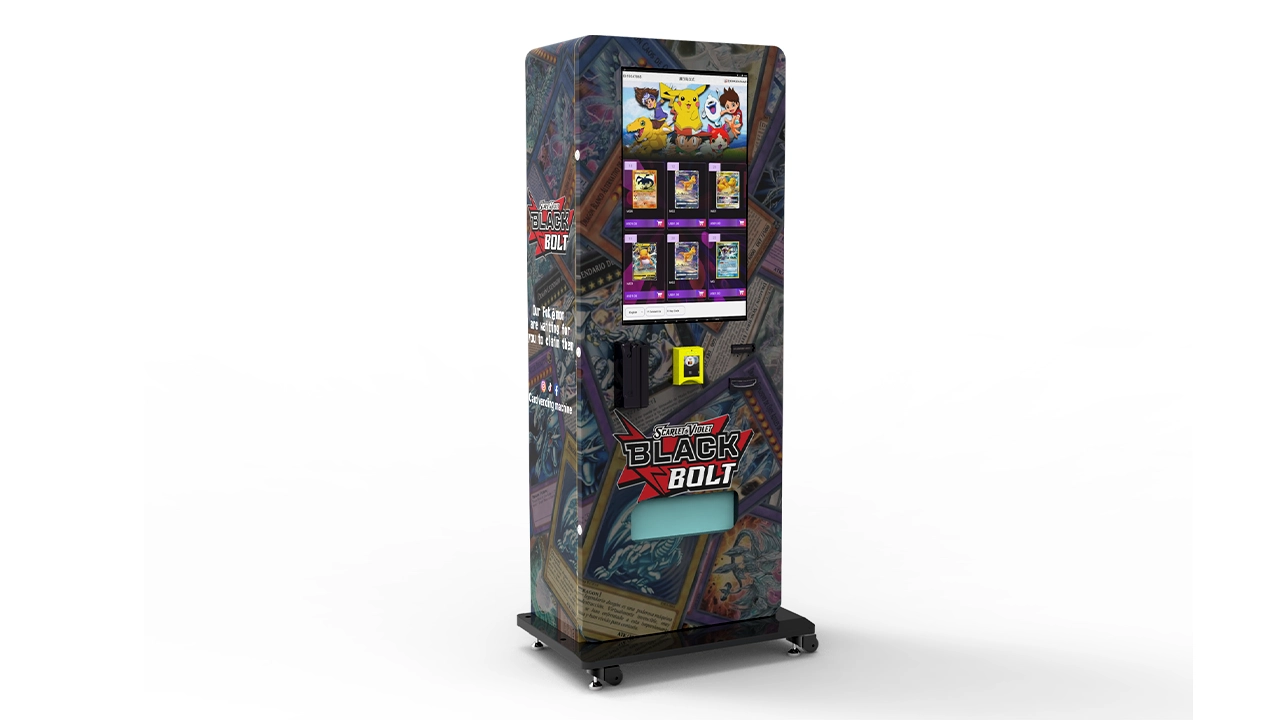
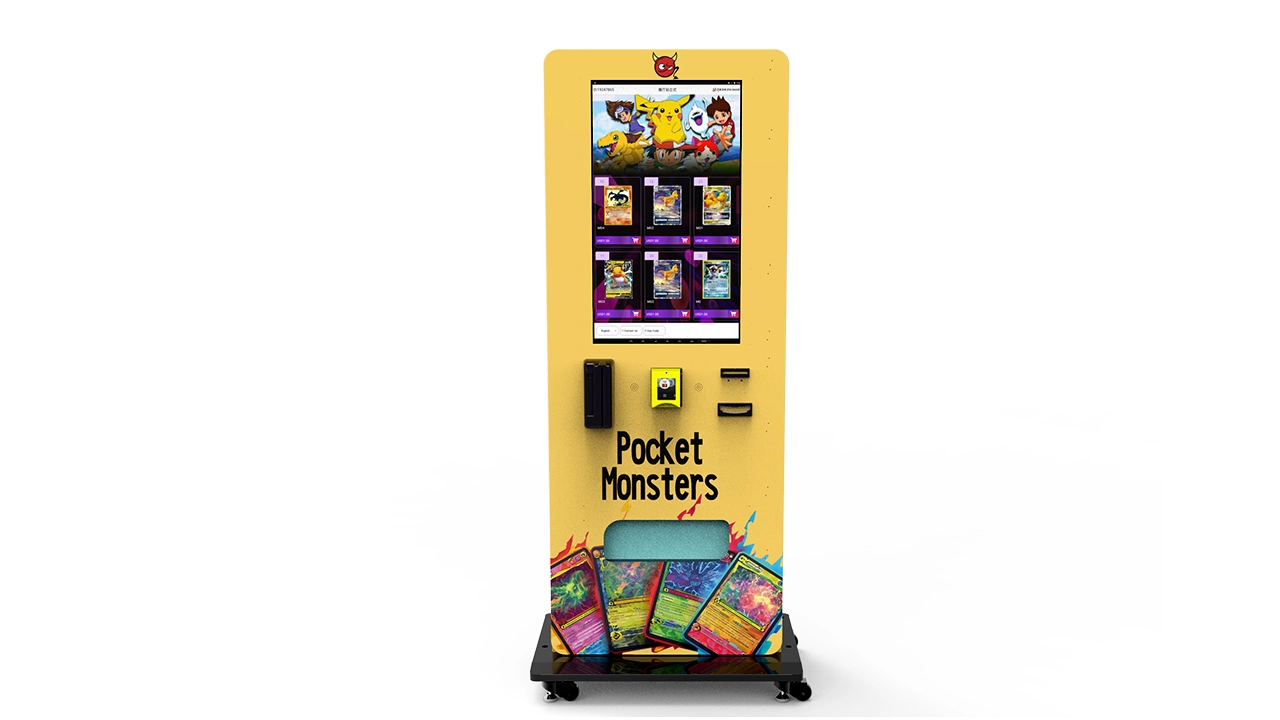
Not every vending machine is suitable for a free placement. I have learned that smaller, more flexible machines perform better in low-traffic spots. A full-size soda and snack machine might be overkill for a small office. Instead, I recommend a combination machine that offers both snacks and drinks in a compact footprint. These machines cost less upfront and are easier to move if the location does not work out.
I also prioritize machines with modern payment systems. In 2024, if your machine only takes cash, you are losing at least 30% of potential sales. According to a 2023 study by Statista, over 80% of consumers in the US prefer to pay with a card or mobile wallet. I only place machines that accept credit cards, Apple Pay, and Google Pay. This has doubled my sales in some locations.
When choosing a supplier, I look for manufacturers that offer reliable hardware and good after-sales support. One company I have worked with directly is Zhongda Smart. They produce a range of self-service kiosks and vending machines that are built for the European and American markets. Their machines come with robust payment systems and remote monitoring, which makes it easier to manage a machine from a distance. I recommend checking their product line if you are looking for a machine that can handle both cash and cashless payments without frequent breakdowns.
How I Negotiate a Free Placement Agreement
When I approach a business owner, I do not ask for permission to place a machine. Instead, I present it as a solution. I say something like, “I can provide a vending machine for your staff and customers at no cost to you. You get a convenience for your people, and I take care of everything – the machine, the stock, and the maintenance.” Most owners are relieved to hear that they do not have to do anything.
I always put the agreement in writing, even for a free placement. The document covers the duration of the placement, who covers electricity, who is responsible for damages, and how we handle disputes. I have seen too many operators lose a good location because they relied on a handshake. A simple one-page agreement protects both parties.
Common Mistakes I Have Seen
One of the biggest mistakes new operators make is placing a machine in a location that looks good on paper but has no real demand. A busy lobby might seem perfect, but if people are only passing through and not stopping, sales will be low. I once placed a machine in a government building with high foot traffic, but the employees had a subsidized cafeteria downstairs. The machine barely broke even.
Another mistake is ignoring the importance of product selection. I have seen operators fill a machine with generic chips and sodas, only to wonder why sales are low. You need to tailor the products to the specific audience. In a fitness center, I stock protein bars, water, and sugar-free drinks. In a warehouse, I focus on hearty snacks and energy drinks. The same product mix will not work everywhere.
Finally, do not underestimate the value of a clean, well-maintained machine. A dirty machine with a broken selection wheel will kill your sales. I visit each machine at least once a week to clean it, check for expired products, and fix any issues. A machine that looks neglected will make customers think twice before buying.
Revenue Expectations and Break-Even Timeline
Based on my experience, a well-placed vending machine in a free location can generate between $300 and $1,200 per month in sales. The gross profit margin on snacks and drinks is typically between 25% and 35%. After subtracting the costs listed in the table above, you are looking at a net profit of $100 to $400 per month per machine.
If you buy a new machine for $3,000 to $5,000, the break-even period is usually 12 to 18 months. If you buy a used machine for $1,500 to $2,500, you can break even in 6 to 12 months. These numbers assume you have a decent location. If sales are lower, the break-even period extends significantly. I recommend starting with one or two machines and scaling only after you have a proven model.
According to a report by the National Automatic Merchandising Association (NAMA), the average vending machine in the US generates about $75 per week in sales. That number can vary widely, but it gives you a baseline. My own machines average around $120 per week, but I am selective about locations.
How to Find Free Locations in Your Area
Start by thinking about places you already visit. Your barber, your mechanic, your dentist – these are all potential hosts. I have found that the best leads come from personal connections. When you know the owner, the conversation is much easier. If you do not have a network, start driving around industrial areas and small business parks. Look for businesses that do not have a break room or a nearby convenience store.
I also use online tools like Google Maps to identify businesses in areas with low retail density. If I see a cluster of offices or warehouses with no food options nearby, I reach out to the property manager. Many property managers are open to free vending machines because it adds value for their tenants.
Maintenance and Repair Considerations
Even the best machines break down. I have learned to keep a small inventory of spare parts, especially for the payment system and the refrigeration unit. A machine that is out of service for more than a week can lose a location permanently. I recommend choosing a machine with a modular design so that you can replace components quickly.
If you are not comfortable with basic repairs, consider a service contract with a local technician. The cost is usually $50 to $100 per visit, which is worth it if you have multiple machines. I also use remote monitoring software to track sales and error codes. This allows me to spot problems before they become serious.
When Free Placement Is Not the Best Option
There are times when paying rent is actually smarter than free placement. If a location has very high foot traffic, like a busy train station or a hospital, the host will likely ask for a commission or a flat fee. In those cases, you have to calculate whether the potential sales justify the cost. I have seen operators turn down a high-rent location only to regret it later. A machine in a busy transit hub can generate $2,000 per month or more, even after paying 20% commission.
Free placement is best for low-to-medium traffic locations where the host does not see the machine as a revenue source. For high-traffic spots, you are better off negotiating a fair rent or commission and treating it as a business expense.
FAQ
Are vending machines profitable?
Yes, they can be profitable, but it depends entirely on location, product selection, and operational efficiency. Most operators I know make between $100 and $400 per month per machine after costs. Some do much better, but many also fail because they choose bad locations or neglect maintenance.
How much does a vending machine cost?
A new vending machine costs between $3,000 and $8,000 depending on the features. A used machine can be found for $1,500 to $3,000. I recommend spending a little more on a machine with a modern payment system and remote monitoring, as it saves money in the long run.
How long does it take to break even?
With a good location, you can break even in 6 to 18 months. If you pay for the machine with cash and have low operating costs, the payback period is shorter. If you finance the machine or have high product waste, it takes longer.
Should I buy or rent a vending machine?
I recommend buying your first machine. Renting often comes with high monthly fees and restrictions. If you buy a reliable machine, you own the asset and can move it if the location does not work. Some suppliers offer rent-to-own options, which can be a good middle ground.
Where should I place a vending machine for free?
Look for small businesses, offices, auto shops, barbershops, and community centers. Avoid places with existing food options or very low traffic. The best free locations are those where the host values the convenience for their employees or customers.
Do I need a license or permit?
Most cities require a business license and a vending permit. Some also require health department inspections if you sell food. Check with your local government before placing a machine. I have seen operators fined for skipping this step.
How do I choose a vending machine supplier?
Look for a supplier with good reviews, a solid warranty, and responsive customer support. I have worked with Zhongda Smart for some of my machines and found their build quality and after-sales service to be reliable. Always ask for references and check the machine in person if possible.
What happens if my machine breaks?
You need to have a plan for repairs. If you are handy, you can fix most issues yourself. If not, find a local technician who specializes in vending machines. Keep spare parts for common failures like coin mechanisms and card readers.
How can I reduce restocking and maintenance costs?
Use a machine with remote monitoring so you know exactly what needs restocking. Visit each location on a fixed schedule. Group your machines geographically to reduce travel time. Also, choose products with long shelf lives to minimize waste.
Final Thoughts
Finding a free location for your vending machine is possible, but it requires patience and a good eye for opportunity. The best locations are not always the busiest; they are the ones where people need a quick snack or drink and have no other option. Start small, learn the business, and scale only when you have a system that works. Vending is a numbers game, and the operators who succeed are the ones who treat it like a real business, not a passive income stream.
Disclaimer: The information in this article is based on my personal experience as a vending machine operator and publicly available industry data. Results vary based on location, market conditions, and operational decisions. I am not a financial advisor, and this content should not be taken as investment advice. Always conduct your own research before making business decisions.