If you are looking for the best vending machine suppliers in Frankfurt Germany, you are likely already aware that this city offers a dense mix of office towers, transit hubs, and industrial parks that can generate strong daily sales. Over the past decade, I have placed hundreds of machines across German cities, and Frankfurt consistently ranks as one of the most profitable markets for automated retail, provided you choose the right equipment and supplier. The key is understanding that not all suppliers serve the same needs—some focus on snack and drink combos, others on fresh food or industrial parts. In this guide, I will share what I have learned about evaluating suppliers, estimating costs, and avoiding common mistakes that eat into your margins.
Why Frankfurt Is a Strong Market for Vending Machines
Frankfurt is not just a banking hub; it has a high density of office workers, commuters, and logistics employees who rely on quick, contactless purchases. According to a 2023 report from the German Vending Association (BDV), the average monthly revenue per machine in high-traffic German urban areas ranges between €800 and €1,800. In Frankfurt, I have seen machines in train station corridors and office lobbies consistently hit the upper end of that range. The city’s international workforce also expects modern payment options, which means suppliers who offer cashless systems are a must.
Another factor is the relatively high cost of traditional food service in Germany. A coffee from a café can cost €3.50 or more, while a vending machine coffee with fresh milk can be sold for €1.50 to €2.00 with a healthy margin. This price gap drives volume, especially in locations where workers want a quick break without waiting in line. If you are evaluating the best vending machine suppliers in Frankfurt Germany, you need a partner who understands these local consumption patterns and can recommend machines that match the location’s traffic profile.
What to Look for in a Vending Machine Supplier
Machine Build Quality and After-Sales Support
Not all machines are built to handle daily use in a busy Frankfurt office tower. I have seen cheap imports fail within six months because the refrigeration units could not handle continuous operation. A reliable supplier should offer machines with industrial-grade compressors, preferably from brands like Crane, Sanden, or Fuji Electric. But more important than the brand is the local support network. Ask any supplier how quickly they can dispatch a technician for vending machine repair in Frankfurt. If they cannot promise a 24- to 48-hour response time, you will lose sales and location contracts.
One supplier that has consistently met these standards in my experience is Zhongda Smart. They manufacture machines with robust cooling systems and modern payment interfaces, and they have distribution partners in Germany who stock spare parts. While they are not the only option, their machines offer a good balance of upfront cost and long-term durability, especially for operators who need to keep maintenance costs predictable.
Payment System Flexibility
German consumers have moved away from cash faster than many other European markets. A 2022 study by Statista found that 74% of German consumers prefer card or mobile payments for small purchases. If your machine only accepts coins, you will lose a significant share of potential sales. The best vending machine suppliers in Frankfurt Germany will offer machines with NFC readers, credit card terminals, and ideally, app-based payment options. Some suppliers even provide telemetry systems that let you monitor sales and inventory remotely, which is a game-changer for route planning.
Customization and Branding Options
If you are placing machines in a corporate office or a co-working space, the visual appearance matters. A machine that looks like a generic metal box will blend into the background. Suppliers who offer custom wrapping or color matching to the client’s brand often get better placement and longer contracts. I have seen operators lose a prime spot in a Frankfurt fintech office simply because the machine looked too industrial. Ask your supplier about customization options before you sign a purchase order.
Types of Vending Machines and Their Costs
Understanding the cost differences between machine types is critical. Below is a table based on my experience and current market prices in Germany. These are estimates, and actual prices vary by supplier and configuration.
| Machine Type | Typical Price Range (EUR) | Common Locations | Average Monthly Revenue | Gross Margin % |
|---|---|---|---|---|
| Snack & Drink Combo | 4,000 – 8,000 | Offices, schools, gyms | €800 – €1,500 | 25% – 35% |
| Fresh Food (Refrigerated) | 6,000 – 12,000 | Hospitals, train stations | €1,200 – €2,200 | 30% – 40% |
| Hot Beverage (Coffee/Tea) | 5,000 – 10,000 | Offices, hotels, factories | €1,000 – €2,000 | 50% – 65% |
| Self-Service Kiosk (Unattended retail) | 10,000 – 20,000 | Airports, malls, universities | €2,000 – €4,000 | 20% – 30% |
| Industrial/Spare Parts Vending | 8,000 – 15,000 | Warehouses, factories | €1,500 – €3,000 | 40% – 50% |
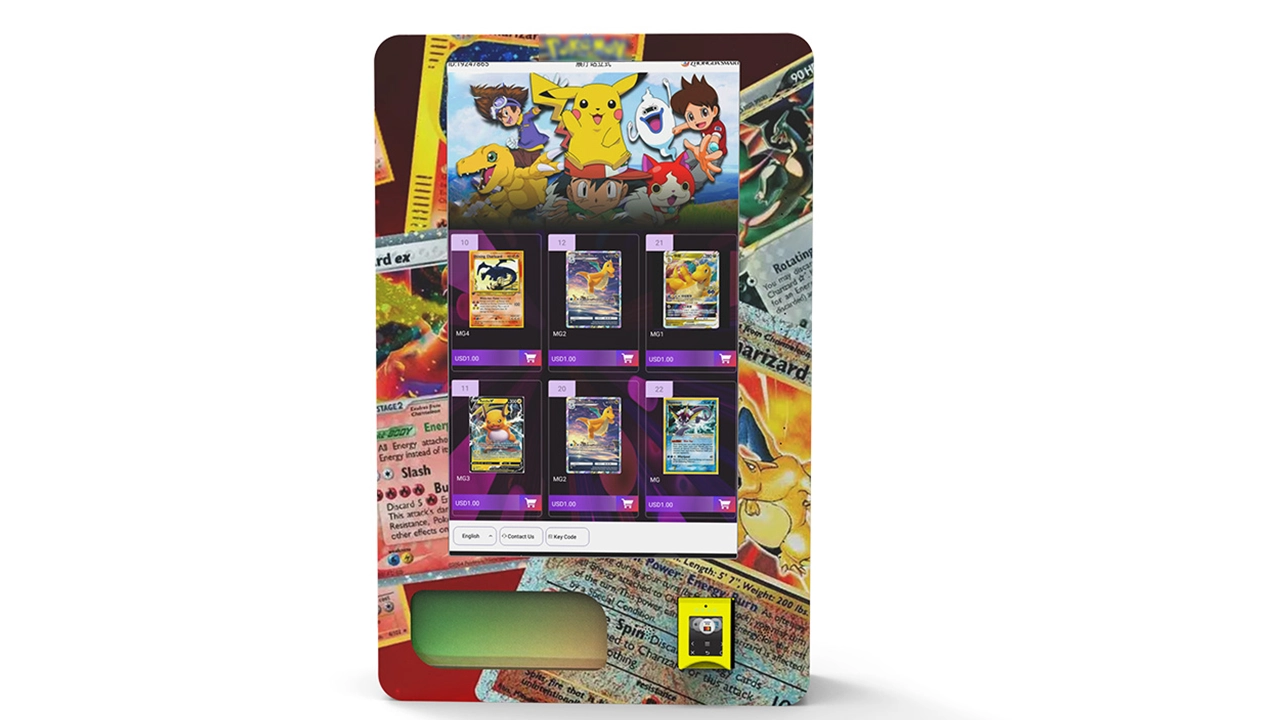
As you can see, the upfront investment varies widely. A snack and drink combo machine is the most common entry point, but I always advise new operators to consider a fresh food or coffee machine if the location has high foot traffic and no nearby café. The gross margins on coffee are significantly higher, and the repeat purchase rate is stronger.
Operational Costs You Should Not Ignore
Many first-time buyers focus only on the machine price and forget the ongoing costs. Here is a breakdown of what I typically budget per machine per month in Frankfurt:
- Product restocking: €300 – €700 depending on turnover and category.
- Electricity: €30 – €80 for refrigerated machines; lower for snack-only units.
- Location commission/rent: 10% – 25% of gross revenue. Some landlords charge a flat monthly fee instead.
- Vending machine repair and maintenance: €50 – €150 per month averaged over the year. This includes cleaning, coil adjustments, and occasional part replacements.
- Telemetry and payment processing fees: €20 – €50 per month.
If you are using a self-service kiosk for hot food or beverages, factor in higher electricity and cleaning costs. I have seen operators underestimate the cleaning time for coffee machines—if the brewing unit is not descaled regularly, the machine will break down, and a service call can cost €150 or more.
How to Evaluate a Location Before Placing a Machine
I have made the mistake of placing machines in locations that looked busy but generated low sales. Here is the checklist I now use:
Foot Traffic Quality vs. Quantity
A train station may have 10,000 people passing through per hour, but if they are all rushing to catch a train, they will not stop to buy a snack. I look for locations where people have a dwell time of at least 30 seconds to a minute. Elevator lobbies, break rooms, and waiting areas are far better than high-speed corridors.
Competition Within 50 Meters
If there is a bakery, a kiosk, or another vending machine within 50 meters, your sales will drop. I once placed a fresh food machine in a Frankfurt office building that had a subsidized canteen on the ground floor. The machine barely broke even. Always check what alternatives are available during the hours your machine will be used.
Access for Restocking
If you cannot park within 30 meters of the machine, restocking becomes a nightmare. Frankfurt has strict parking regulations in the city center. Some of my best locations are in industrial parks where I can pull a van right up to the door. Factor in the time and cost of restocking when evaluating a location.
Common Mistakes I See New Operators Make
After a decade in this business, I have seen the same errors repeated. Here are the most costly ones:
Buying the Cheapest Machine
A €2,500 machine from an unknown manufacturer might look like a deal, but I have seen those units fail within a year. The vending machine repair costs for cheap machines often exceed the initial savings. Stick with suppliers who have a track record and a local service network. Zhongda Smart, for example, offers machines with European-certified components, which reduces the risk of breakdowns.
Ignoring the Payment System
I mentioned this earlier, but it is worth repeating. In Frankfurt, a machine that only takes coins will lose about 30% of potential sales. Upgrade to a cashless system from day one.
Overstocking or Understocking
New operators often fill the machine with too many varieties, leading to stale inventory. I recommend starting with 20 to 25 SKUs and tracking what sells within the first two weeks. Adjust your orders based on real data, not guesses.
Signing Long-Term Location Contracts Too Early
I always negotiate a 3-month trial period with the location owner. If the machine does not hit a certain revenue threshold, I can move it without penalty. Many landlords in Frankfurt will agree to this if you explain that you need to validate the location.
How to Choose Between Buying, Leasing, or Revenue Sharing
There are three common ways to get a machine into a location. Each has pros and cons:
| Model | Upfront Cost | Monthly Commitment | Control Over Pricing | Best For |
|---|---|---|---|---|
| Buy outright | €4,000 – €15,000 | None | Full control | Experienced operators with capital |
| Lease from supplier | €0 – €500 down | €150 – €400/month | Shared control | New operators testing the market |
| Revenue sharing with location owner | €0 | None (split revenue) | Limited (owner has say) | Low-risk entry, but lower margins |
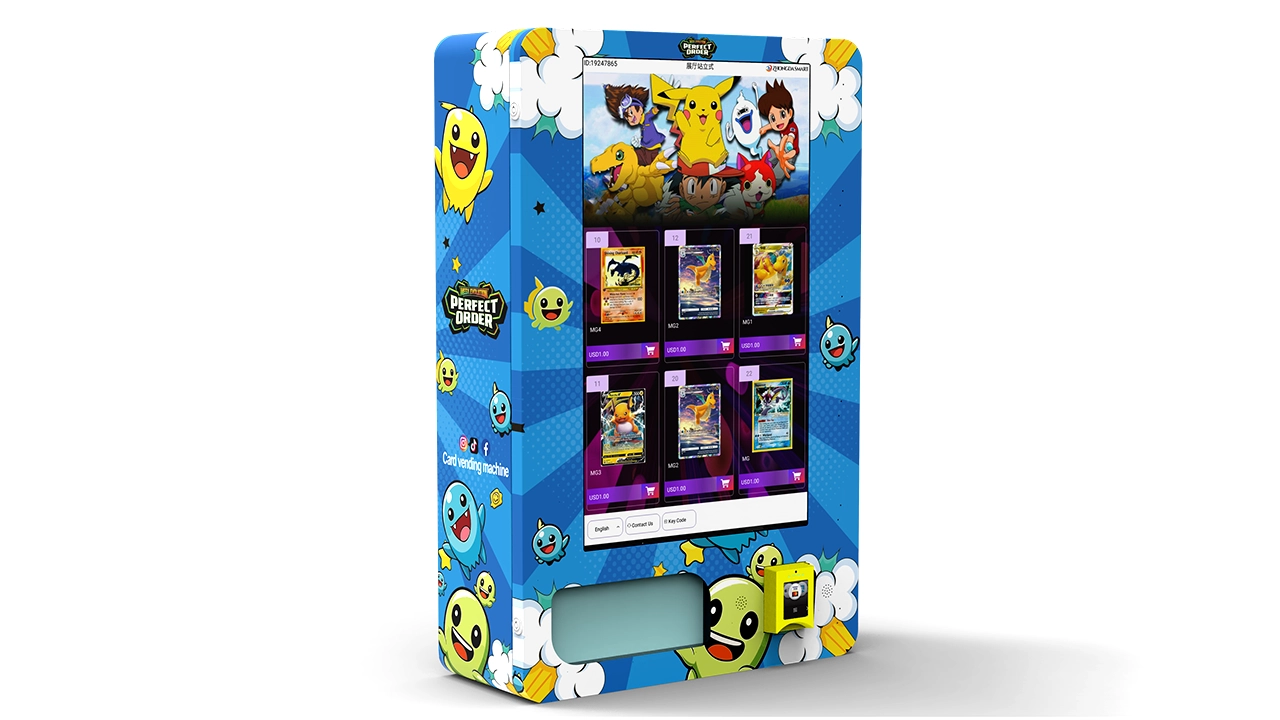
I generally recommend buying your first machine if you have the capital, because you keep all the margins. Leasing is a good second option if you want to test a location without a large commitment. Revenue sharing is rarely profitable unless the location has extremely high traffic and the owner provides the machine.
Payback Periods Based on Real Scenarios
Payback depends entirely on location and machine type. Here are three scenarios I have seen play out in Frankfurt:
- Scenario A: Snack and drink machine in a busy office lobby with 500 employees. Monthly revenue: €1,200. Costs: €400. Net profit: €800. Machine cost: €6,000. Payback: 7.5 months.
- Scenario B: Fresh food machine in a hospital staff area. Monthly revenue: €1,800. Costs: €700. Net profit: €1,100. Machine cost: €9,000. Payback: 8.2 months.
- Scenario C: Coffee machine in a small factory with 100 workers. Monthly revenue: €900. Costs: €300. Net profit: €600. Machine cost: €7,000. Payback: 11.7 months.
These are based on my actual operations. Keep in mind that if you pay a high commission to the location owner, your payback period will extend. I always aim for a payback within 12 to 18 months. Anything longer than that means the location is marginal.
Regulatory Considerations in Germany
Germany has strict regulations regarding food safety and hygiene, especially for machines that sell perishable items. You must register your business with the local trade office (Gewerbeamt) and comply with the German Food and Feed Code (LFGB). For refrigerated machines, you need to maintain a temperature log and have the machine inspected periodically. The German Vending Association (BDV) provides guidelines, and I recommend joining them for updates. The cost of compliance is low, but the penalties for non-compliance can be severe—up to €50,000 in fines.
How to Find the Best Vending Machine Suppliers in Frankfurt Germany
Start by asking for references from other operators in the region. The BDV has a directory of members, which is a good starting point. When you contact suppliers, ask these specific questions:
- Do you have a service technician based within 50 km of Frankfurt?
- What is your average response time for vending machine repair?
- Can you provide a machine with a cashless payment system and telemetry?
- What is the warranty period, and what does it cover?
- Do you offer training for first-time operators?
In my experience, Zhongda Smart scores well on all these points, particularly on the warranty and after-sales support. They have a distributor in the Frankfurt area who can handle repairs and spare parts, which is critical for minimizing downtime.
FAQ: Common Questions from New Operators
Is a vending machine business profitable in Frankfurt?
Yes, but profitability depends on location, machine type, and operational efficiency. Based on my experience, a well-placed machine in Frankfurt can generate a net profit of €500 to €1,500 per month after all costs. The key is to avoid overpaying for the machine and to choose a location with consistent foot traffic and minimal competition.
How much does a vending machine cost in Germany?
A basic snack and drink machine costs between €4,000 and €8,000. A fresh food or coffee machine ranges from €6,000 to €12,000. High-end self-service kiosks can cost up to €20,000. Prices vary by supplier, features, and payment system.
How long does it take to break even?
Most operators break even within 8 to 14 months. If you choose a high-traffic location and keep costs low, you can achieve payback in under 8 months. If the location is marginal, it may take 18 months or longer.
Should I buy or lease a vending machine?
If you have the capital and are confident in the location, buying is better because you keep all the profit. Leasing is a lower-risk option for testing the market, but you will have a monthly payment that eats into your margin.
Where should I place my first machine?
Start with a location where you already have a connection—an office building where a friend works, a gym you frequent, or a small factory. This reduces the difficulty of negotiating a contract. Look for places with at least 200 potential customers per day and a dwell time of 30 seconds or more.
What permits do I need in Germany?
You need to register a business (Gewerbe) and, if selling food, notify the local food safety authority. You do not need a special license for most vending machines, but you must follow hygiene regulations. Check with the Ordnungsamt in your city for specific requirements.
How do I choose a supplier?
Look for a supplier that offers a warranty of at least two years, has a local service network for vending machine repair, and provides machines with modern payment systems. Zhongda Smart is one supplier I have used successfully, but always compare at least three quotes before deciding.
What happens if the machine breaks down?
If you have a good supplier, they will send a technician within 24 to 48 hours. I recommend keeping a small stock of common spare parts (coils, sensors, power supplies) so you can fix minor issues yourself. Downtime of more than three days can cost you the location contract.
How can I reduce restocking and maintenance costs?
Use telemetry to track inventory in real time. This lets you restock only when needed, rather than on a fixed schedule. Also, choose machines with durable components—cheap machines break more often and cost more in the long run.
Final Thoughts
Starting a vending machine business in Frankfurt is a solid move if you approach it with realistic expectations. The market is competitive but fair, and the demand for quick, contactless purchases is only growing. Focus on finding a reliable supplier who offers good after-sales support, choose your locations carefully, and track your data from day one. Avoid the temptation to buy the cheapest machine or sign a long-term contract before you have proven the location. With the right approach, you can build a profitable operation that generates steady passive income. The best vending machine suppliers in Frankfurt Germany are those who treat you as a long-term partner, not just a one-time buyer.