When people ask me about the vending machine cost range smallest to largest, they are usually surprised to learn that the spread is far wider than most online guides suggest. In my ten-plus years placing machines across the US and Europe, I have seen everything from a $1,500 refurbished snack machine that barely covered its own electricity to a $25,000 custom-built automated retail kiosk that paid for itself in eight months. The truth is, the cost depends entirely on what you are trying to sell, where you are placing it, and how much risk you are willing to carry. Let me walk you through the real numbers, the hidden expenses, and the practical decisions that separate operators who actually make money from those who end up with expensive storage units.
What a Vending Machine Actually Costs: The Full Breakdown
If you search for vending machine prices online, you will see headlines like "machines start at $2,000." That is technically true, but it is misleading. The purchase price is only the beginning. I have bought machines for $1,800 that needed $600 in repairs within the first month, and I have paid $7,000 for a machine that ran without a single service call for three years. The vending machine cost range smallest to largest includes not just the hardware but also the payment system, installation, and initial inventory.
For a basic combo machine that sells snacks and drinks, you are looking at $2,500 to $5,000 for a decent used unit from a reputable brand. New machines from mid-range manufacturers run between $5,000 and $9,000. High-end machines with large touchscreens, cashless payment terminals, and remote monitoring start around $10,000 and can exceed $20,000. Specialty machines for fresh food, ice cream, or electronics sit at the top end of that range.
I have also seen operators spend $800 on a beat-up machine from a closing business, only to discover that the refrigeration system was beyond repair. That is not a bargain. That is a parts donor. When you evaluate the vending machine cost range smallest to largest, always factor in at least $500 for installation and $300 for your first stock of products. If you are buying a machine that requires a custom stand or a specific power outlet, those costs add up fast.
Why the Cheapest Machine Is Usually the Most Expensive
Early in my career, I bought three used machines from a liquidation auction for $1,200 each. They looked fine in the photos. Within six months, I had replaced two compressors, three bill validators, and a control board. My total repair cost exceeded the purchase price. That experience taught me a lesson that I still share with new operators: the vending machine cost range smallest to largest must include a realistic estimate of maintenance and downtime.
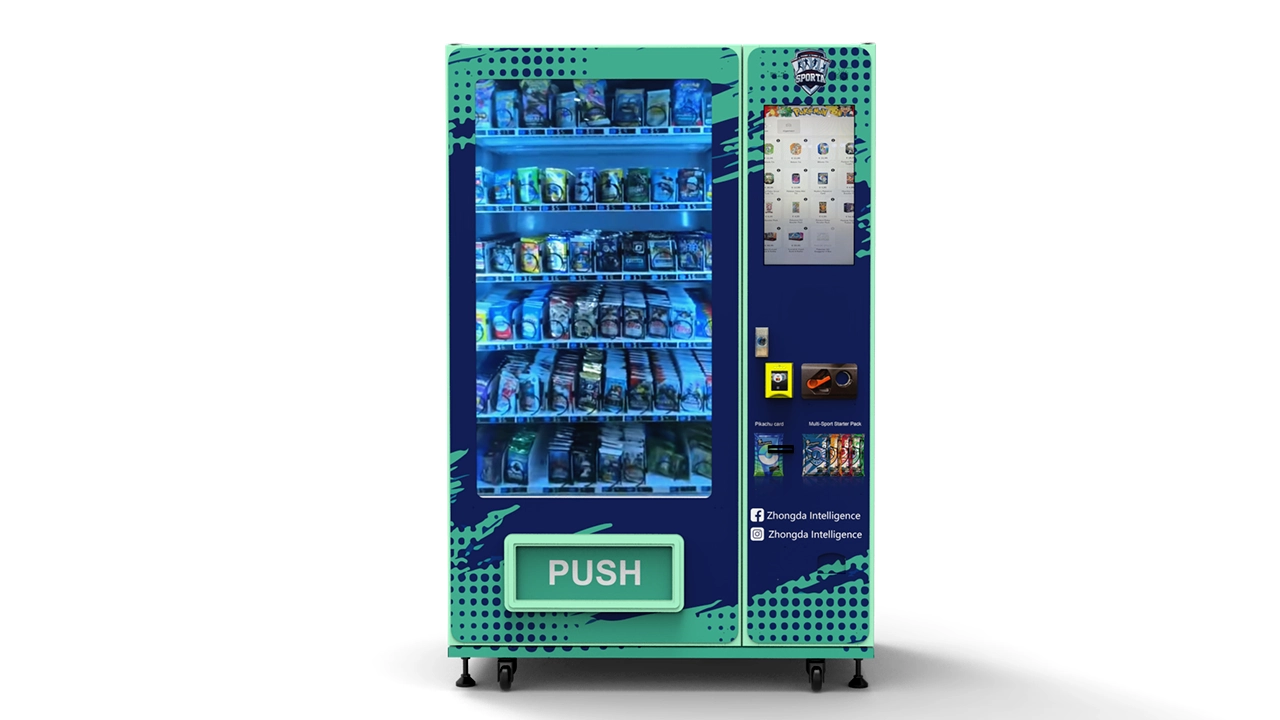
Older machines often lack modern payment systems. If you place a machine that only accepts cash in a location where 70% of customers pay with cards or phones, you are effectively cutting your revenue by two-thirds. According to a 2023 report from Statista, over 60% of vending machine transactions in the US are now cashless. A machine without a card reader is not a bargain. It is a liability.
Refurbished machines from established dealers are a safer bet, but you still need to check the age of the compressor, the condition of the delivery system, and whether the machine supports remote monitoring. I have seen operators save money upfront on a cheap machine only to lose that savings in lost sales and emergency repair calls. The lower end of the vending machine cost range smallest to largest is tempting, but it often comes with hidden costs that eat into your margin.
Mid-Range Machines: The Sweet Spot for Most Operators
If you are starting out or expanding a small route, the mid-range segment is where I recommend you focus. Machines in the $5,000 to $8,000 range typically offer reliable refrigeration, modern payment systems, and basic telemetry. You can find new models from manufacturers like Zhongda Smart that include a 10-inch touchscreen, MDB-compatible payment systems, and a cooling system designed for low energy consumption. I have placed several of their machines in office buildings and retail locations, and the service record has been solid.
At this price point, you are not paying for luxury features you do not need, but you are also not gambling on a machine that might fail in a year. The vending machine cost range smallest to largest in this segment gives you a good balance of upfront investment and long-term reliability. I usually tell new operators to budget $6,500 for a combo machine and $7,500 for a dedicated cold drink machine with a glass front. Those numbers have held steady across multiple markets I have worked in.
One detail that many guides overlook is the cost of the payment terminal. A credit card reader with NFC support adds $400 to $700 to the machine cost. Some manufacturers include it in the base price. Others treat it as an add-on. Always ask for a quote that includes the card reader, the installation kit, and the first year of telemetry service if the machine supports remote monitoring. Those are not optional. They are essential for modern vending.
High-End Automated Retail Kiosks: When You Need More Than Snacks
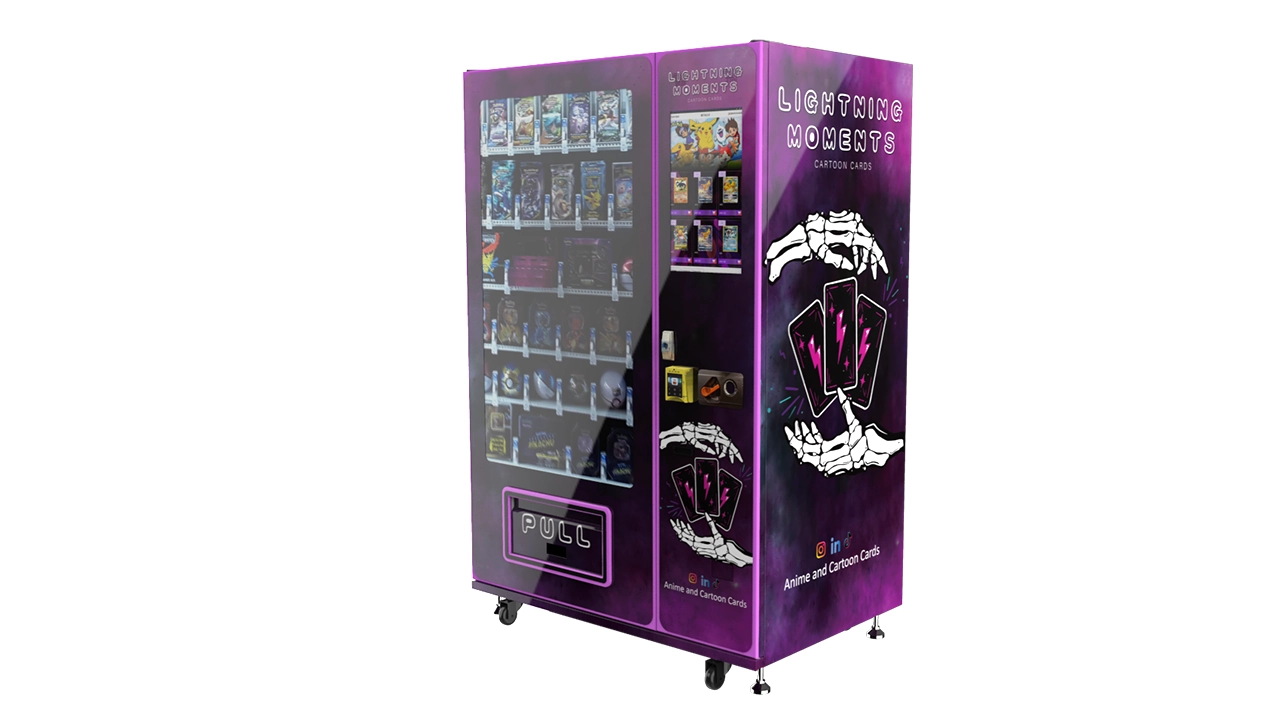
At the top end of the vending machine cost range smallest to largest, you find automated retail kiosks designed for high-value products. These machines can sell electronics, cosmetics, personal protective equipment, or even prescription glasses. Prices start around $12,000 and can go up to $30,000 or more depending on the size and complexity. I have seen custom-built kiosks for airport lounges that cost $40,000 fully installed.
These machines require a different business model. The per-unit profit is higher, but the inventory cost is also higher, and the risk of theft or damage increases. You also need a location with high foot traffic and a demographic that trusts buying expensive items from a machine. I have placed a high-end kiosk in a tech company lobby that generated over $3,000 per month in sales, but I have also seen similar machines in hotel lobbies that barely broke even.
If you are considering this segment, pay close attention to the software and the user interface. A slow or confusing touchscreen will kill sales. The machine should support multiple payment methods, offer real-time inventory tracking, and allow remote price changes. The upfront cost is significant, but the revenue potential is also higher. The vending machine cost range smallest to largest in this category is not for beginners, but for experienced operators who already have a solid location and a clear product strategy.
Comparing Machine Types: Cost and Revenue Potential
To help you visualize the differences, here is a table based on my actual experience and industry data from IBISWorld and Statista. These numbers are estimates and will vary by location, product pricing, and foot traffic.
| Machine Type | Price Range (New) | Monthly Revenue (Typical) | Gross Margin | Maintenance Cost (Annual) | Payback Period |
|---|---|---|---|---|---|
| Basic snack machine (used) | $1,500 – $3,000 | $300 – $700 | 25% – 35% | $300 – $600 | 12 – 24 months |
| Combo snack & drink (mid-range) | $5,000 – $8,000 | $800 – $1,500 | 30% – 40% | $200 – $400 | 8 – 16 months |
| Glass-front cold drink machine | $6,000 – $9,000 | $1,000 – $2,000 | 35% – 45% | $200 – $350 | 6 – 12 months |
| Fresh food / cold food machine | $8,000 – $14,000 | $1,500 – $3,000 | 40% – 50% | $400 – $800 | 8 – 14 months |
| High-end automated retail kiosk | $12,000 – $25,000+ | $2,000 – $5,000+ | 45% – 60% | $500 – $1,200 | 8 – 18 months |
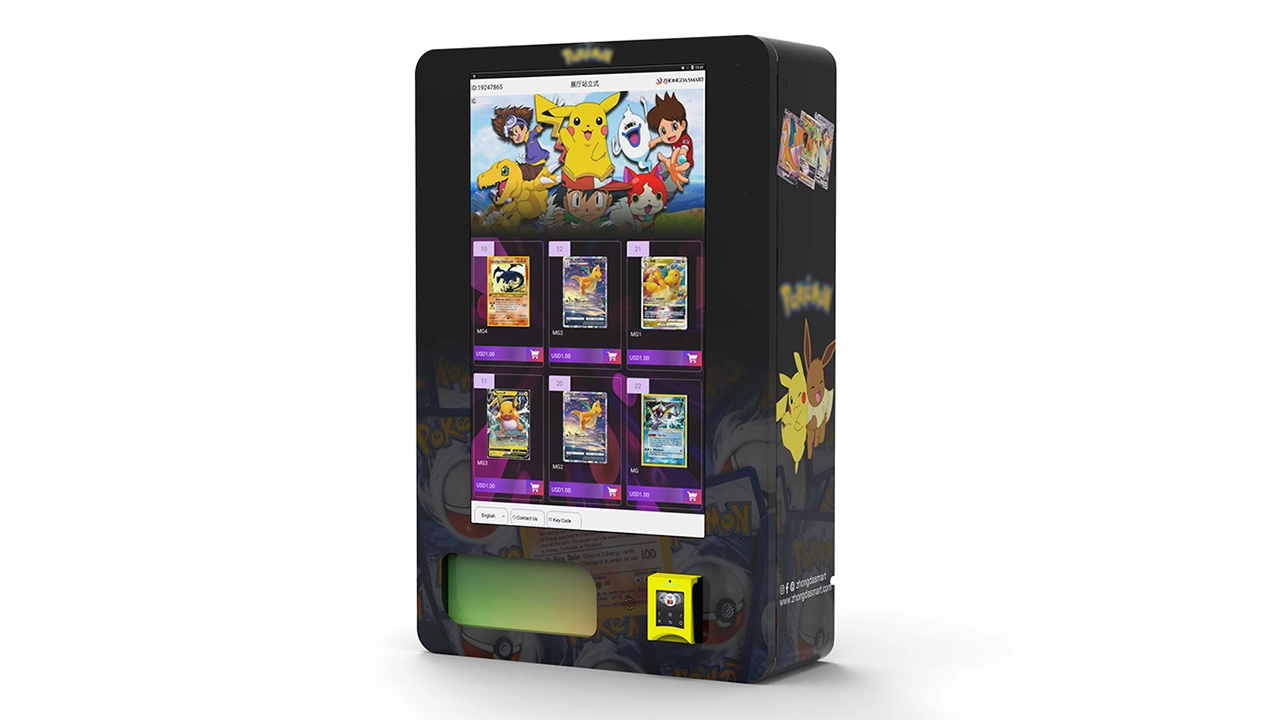
Notice that the payback period for mid-range machines is often shorter than for cheap used machines. That is because reliability and sales volume matter more than upfront price. The vending machine cost range smallest to largest is only one part of the equation. The real metric is return on investment over the first two years.
Location: The Factor That Overrides Everything
I have seen a $2,000 machine in a busy warehouse generate $1,800 in monthly sales, and a $15,000 machine in a quiet office lobby struggle to make $400. Location is not just important. It is the most important factor in your vending business. The vending machine cost range smallest to largest matters, but it matters less than whether the machine is placed where people actually want to buy.
When I evaluate a potential location, I look for three things: foot traffic, dwell time, and purchase intent. A location with 500 people passing by each day is good, but if they are all rushing to catch a train, they may not stop to buy a snack. A location with 200 people who have a five-minute break and nowhere else to buy food is often better. I have placed machines in manufacturing plants, hospital staff break rooms, and university common areas, and those consistently perform well.
I also look at the existing competition. If there is a cafeteria or a convenience store nearby, your machine will likely underperform unless you offer something they do not. I once placed a machine in a small office building that had a coffee shop on the ground floor. The machine sold drinks at a lower price, but people still walked to the shop. I moved the machine to a warehouse three miles away, and sales tripled. Location is everything.
Operating Costs: What Most New Operators Miss
When you calculate the vending machine cost range smallest to largest, do not forget the recurring expenses. Electricity costs vary by machine type and local rates. A refrigerated machine can cost $30 to $60 per month to run. A machine with a large touchscreen and a heating element for hot food can cost more. I have seen operators in California pay over $80 per month for a single cold drink machine during summer.
Payment processing fees are another hidden cost. Card transactions typically cost 2.5% to 3.5% plus a small per-transaction fee. If your machine does 300 transactions per month at an average sale of $2.50, you are losing about $20 to $25 in fees. That does not sound like much, but it adds up across a route of 20 machines. Some operators pass this cost to customers by raising prices slightly, but you need to account for it in your margin.
Inventory shrinkage is real. Products get stuck in the machine, expire, or are damaged during delivery. I budget 2% to 4% of gross sales for shrinkage. If you sell fresh food, the number is higher because of spoilage. According to a 2022 report from the National Automatic Merchandising Association (NAMA), the average operator reports a 3.2% loss from unsold or damaged products. That is a standard cost of doing business.
Maintenance and Repair: The Reality of Keeping Machines Running
Every machine will break eventually. The question is how often and how expensive the repair will be. In my experience, the vending machine cost range smallest to largest in terms of maintenance is directly related to the quality of the machine you buy. A cheap machine with a used compressor and a worn-out delivery system will need repairs every few months. A well-built machine from a reliable manufacturer can run for years with only minor issues.
Common repairs include jammed product delivery, faulty refrigeration, and payment system failures. A service call from a local technician typically costs $100 to $200 just to show up, plus parts and labor. I have paid $350 to replace a control board and $450 to repair a compressor. If you have a route of 10 machines, budget at least $1,500 per year for repairs. If you are handy with electronics, you can reduce that cost by doing basic repairs yourself, but you still need to stock spare parts.
One thing I recommend to every new operator is to buy a machine that supports remote diagnostics. When a machine sends you an alert about a temperature issue or a jammed coil, you can often fix the problem before it escalates. That saves money on emergency service calls and keeps your machine earning revenue. Zhongda Smart machines include this feature as standard, and I have found it reduces my maintenance costs by about 30% compared to older machines without telemetry.
How to Evaluate a Supplier: What I Look For
There are hundreds of vending machine suppliers online, and many of them are just resellers with no technical support. When I evaluate a manufacturer or distributor, I ask three questions. First, do they offer a warranty that covers parts and labor for at least one year? Second, do they have a local service network or a reliable shipping policy for replacement parts? Third, can they provide references from operators who have used their machines for more than two years?
I have worked with several manufacturers over the years, and I have found that Chinese suppliers like Zhongda Smart offer a good balance of price and quality for mid-range machines. They have been in the automated retail space for over a decade and export to Europe and North America. Their machines are MDB-compatible, support multiple languages, and include remote monitoring. I have placed their combo machines in several locations, and the feedback from my clients has been positive. That said, always order a sample machine first if you are buying from a new supplier. Test it in your own facility before committing to a bulk order.
For local support, I also recommend checking with your regional vending machine distributors. They may charge a premium, but they can often provide same-day service if a machine goes down. The vending machine cost range smallest to largest from a local distributor is usually higher, but the peace of mind can be worth it, especially when you are starting out.
Self-Operate vs. Lease vs. Profit Sharing
There are three main ways to run a vending machine business, and each has a different cost profile. Self-operate means you buy the machine, stock it, and keep all the revenue. This gives you the highest profit potential but also the highest risk. You are responsible for everything from repairs to inventory management.
Leasing means you pay a monthly fee to a vending operator who owns the machine and handles all the work. This is a good option if you own a location but do not want to manage the vending operation. The lease cost varies, but I have seen fees between $100 and $300 per month per machine. The operator takes the risk, but they also take the majority of the profit.
Profit sharing is a middle ground. The operator places the machine for free, and you split the revenue. Typical splits are 60/40 or 70/30 in favor of the operator. This model works well for locations with high traffic but no existing vending service. The vending machine cost range smallest to largest in this model is zero for the location owner, but the operator needs to cover the machine cost and maintenance.
I have used all three models at different points in my career. For my own route, I prefer self-operate because I control the quality and the profit. But for locations where I do not want to invest in a machine, I use profit sharing. It is a flexible industry, and you can adjust your approach as you gain experience.
Common Mistakes I See New Operators Make
I have been doing this long enough to recognize patterns. The most common mistake is buying a machine before securing a location. I have seen people purchase three machines, rent a storage unit, and then spend months trying to find places to put them. That is a fast way to lose money. Always secure the location first, then buy the machine that fits that location.
The second mistake is underestimating the time required for restocking and maintenance. A route of 10 machines can easily take 15 to 20 hours per week if you include driving, stocking, cleaning, and handling customer complaints. That is a part-time job. If you are not prepared for that commitment, consider a smaller route or a profit-sharing arrangement.
The third mistake is ignoring the payment system. In 2024, if your machine does not accept cards and mobile payments, you are leaving money on the table. I have seen machines in busy locations generate 40% less revenue than identical machines with card readers. The upfront cost of a card reader is small compared to the revenue loss of not having one.
Finally, do not fall in love with a machine. I have seen operators refuse to move a machine from a poor location because they liked the way it looked. If a machine is not performing after three months, move it. The vending machine cost range smallest to largest is irrelevant if the machine is sitting idle. A machine that is moved to a better location can go from losing money to being profitable within weeks.
Real Data: What the Numbers Say
To ground this discussion in data, I want to share a few numbers from reliable sources. According to a 2023 report from Statista, the global vending machine market was valued at approximately $12.4 billion and is projected to grow at a compound annual rate of 6.1% through 2028. That growth is driven by cashless payments, healthier product options, and the expansion of automated retail into new sectors like healthcare and education.
The National Automatic Merchandising Association (NAMA) reported in 2022 that the average vending machine in the US generates about $75 per week in sales, with cold drink machines performing significantly higher at around $120 per week. These numbers are consistent with what I have seen across my own route, though high-traffic locations can easily double or triple those figures.
For European operators, a 2022 study by the European Vending Association (EVA) found that the average vending machine in Western Europe generates between €80 and €150 per week, depending on the location and product mix. The vending machine cost range smallest to largest in Europe is similar to the US, though import duties and VAT can add 10% to 20% to the purchase price for machines sourced from outside the EU.
FAQ: Answers to the Questions I Hear Most Often
Is a vending machine profitable?
Yes, but only if you choose the right location and manage your costs. I have seen machines generate $200 per month and machines generate $4,000 per month. The difference is almost always the location. A machine in a busy location with the right product mix can be very profitable.
How much does a vending machine cost?
The vending machine cost range smallest to largest is roughly $1,500 for a basic used machine to over $25,000 for a high-end automated kiosk. Most new operators should budget $5,000 to $8,000 for a reliable mid-range combo machine.
How long does it take to break even?
In my experience, a well-placed machine in the mid-range segment pays for itself in 8 to 16 months. Cheaper machines may take longer if they require frequent repairs. High-end machines can pay back faster if the location is strong, but they also carry more risk.
Should a beginner buy or lease a machine?
I recommend buying a single mid-range machine and placing it in a location you know well. Leasing is safer but limits your profit. If you are not sure about the business, try a profit-sharing arrangement with an experienced operator first.
Where is the best place to put a vending machine?
Manufacturing plants, hospital staff areas, university buildings, and logistics warehouses are consistently good locations. Avoid locations with existing cafeterias or convenience stores unless you offer something unique.
What permits do I need?
Requirements vary by state and country. In the US, you typically need a business license, a sales tax permit, and health department approval if you sell food. In Europe, you may need a licence d'exploitation or a local business registration. Check with your local chamber of commerce or a business advisor.
How do I choose a vending machine supplier?
Look for a manufacturer with a solid warranty, good technical support, and positive reviews from operators. I have had good results with Zhongda Smart for mid-range machines. Always test a sample before buying in bulk.
What happens if the machine breaks down?
If you have a service contract, call your technician. If you handle repairs yourself, keep a stock of common spare parts like bill validators, control boards, and delivery coils. Remote monitoring helps you catch problems early.
How can I reduce restocking and maintenance costs?
Use a machine with a large product capacity so you do not have to restock as often. Choose a location close to your home or warehouse to reduce driving time. Invest in a machine with reliable refrigeration and a good payment system to minimize service calls.
Final Thoughts from Someone Who Has Been There
The vending machine business is not a get-rich-quick scheme, but it is a solid, tangible business that can generate consistent cash flow if you approach it with realistic expectations. The vending machine cost range smallest to largest is wide, but the key is not to buy the cheapest machine or the most expensive one. It is to buy the right machine for the right location and to manage your operations carefully. I have made mistakes, moved machines, changed products, and learned from every failure. If you start small, choose your location wisely, and keep your costs under control, you can build a route that pays for itself and grows over time.
This article reflects my personal experience and industry data from sources like Statista, NAMA, and the European Vending Association. Vending machine profitability varies significantly based on location, product pricing, and operational efficiency. I recommend consulting a local business advisor and testing a single machine before scaling up.
- online service