If you're looking into the ranking of vending machine manufacturers in Frankfurt Germany 2026, let me save you some time: the market is consolidating around a few key players who offer reliable hardware, modern payment systems, and solid after-sales support. After over a decade placing machines across Europe, I’ve learned that the manufacturer you choose impacts everything from daily uptime to your actual profit margins. In Frankfurt, a city with high foot traffic in transit hubs, office towers, and trade fair zones, the right equipment can generate steady monthly revenue, but the wrong choice can leave you with frequent repair bills and lost sales. This guide walks through what I’ve seen work, what hasn’t, and how to evaluate suppliers for a 2026 investment.
Why Frankfurt Matters for Automated Retail in 2026
Frankfurt isn’t just Germany’s financial capital; it’s a logistics and trade fair hub with a dense urban core. The city’s main train station, airport, and Messe Frankfurt attract millions of visitors annually. For vending machine operators, this means high-traffic locations that can support multiple machines without cannibalizing sales. However, competition for prime spots is increasing, and landlords are becoming savvier about revenue-sharing agreements. In my experience, a well-placed machine in a Frankfurt office building can generate between €800 and €1,500 per month in turnover, depending on the product mix and foot traffic. The key is matching the machine type to the location—something I’ll break down later.
What Is a Vending Machine Business Really Like?
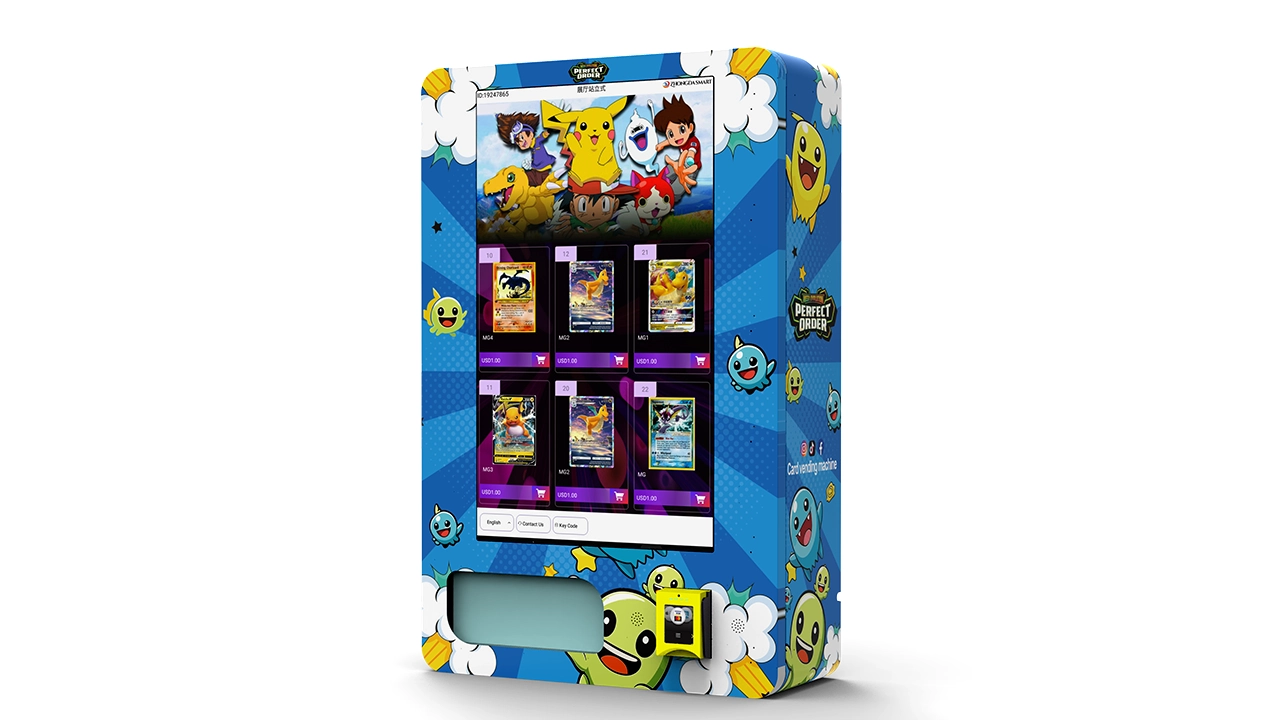
Many newcomers imagine vending as a passive income stream. The reality is different. You’re running a mini retail operation that requires regular restocking, machine maintenance, and data analysis. A vending machine is essentially a self-service kiosk that sells products 24/7, but it only works if you treat it like a business. I’ve seen operators buy cheap machines only to spend more on vending machine repair in the first year than the unit cost. The business model works best when you match the equipment to the location, the payment system to local preferences, and the product selection to actual demand.
Key Business Models in Frankfurt
There are three common ways to operate: outright purchase, leasing, or revenue-sharing with the location owner. Each has trade-offs. Purchasing gives you full control but requires upfront capital. Leasing reduces initial risk but often locks you into longer contracts. Revenue-sharing can get you into premium locations without paying high rent, but your margins shrink. I’ve found that most experienced operators in Frankfurt prefer purchasing for high-traffic spots and leasing for experimental locations.
What to Look for in a Vending Machine Manufacturer
When evaluating the ranking of vending machine manufacturers in Frankfurt Germany 2026, I focus on four criteria: build quality, payment system flexibility, remote monitoring capabilities, and local service network. A manufacturer that offers a robust machine with a reliable cooling system and a modern touchscreen interface will outperform cheaper alternatives over a three-year period. I’ve personally seen machines from lesser-known brands fail within 18 months due to compressor issues or card reader failures. In contrast, manufacturers like Zhongda Smart have invested heavily in durable cabinets and energy-efficient cooling, which matters in a market where electricity costs are rising.
Build Quality and Durability
Frankfurt’s climate isn’t extreme, but machines placed outdoors face temperature swings, humidity, and occasional vandalism. Look for machines with a powder-coated steel body, tempered glass, and a robust locking mechanism. I’ve learned the hard way that a flimsy door seal can lead to condensation inside the machine, damaging electronics and products. A good manufacturer will use industrial-grade components that withstand daily use.
Payment Systems and Local Preferences
German consumers prefer cashless payments. In 2026, a machine without a card reader, NFC support, and possibly a QR code scanner will lose sales. The payment terminal must comply with local banking standards and support popular wallets like Apple Pay and Google Pay. I recommend testing the payment flow before committing to a bulk order. Some manufacturers offer integrated payment modules, while others require third-party terminals. The latter can complicate vending machine repair if the payment system fails.
Remote Monitoring and Data Access
Modern machines should offer cloud-based remote monitoring. This lets you check inventory levels, sales data, and machine status from your phone or laptop. Without it, you’re driving to locations blind. I’ve reduced my restocking costs by 20% simply by using data to predict when a machine needs service. When evaluating a manufacturer, ask about their telemetry system. Some provide it as standard; others charge extra. Zhongda Smart, for example, includes a basic monitoring package with their machines, which is a practical feature for operators who are just starting out.
Cost Breakdown: What You’ll Actually Spend
Let’s talk numbers based on my experience and industry data. A new, mid-range vending machine costs between €3,000 and €6,000. High-end models with large screens and advanced refrigeration can reach €10,000 or more. In Frankfurt, you’ll also need to budget for installation (€200–€500), a payment terminal (€300–€800), and initial inventory (€500–€1,000). Monthly costs include restocking, electricity (€30–€80 per machine), and potential location rent or revenue share (10%–30% of sales).
Typical Revenue and Profit Margins
According to data from the German Automatic Machine Industry Association (BDV), the average vending machine in Germany generates around €600–€1,200 per month in revenue. Gross margins on products range from 30% to 50%, depending on what you sell. After deducting restocking, electricity, and location costs, net profit per machine can be €200–€500 per month. However, these figures vary widely. In a Frankfurt office tower with 500 employees, I’ve seen a single machine do €2,000 per month. In a low-traffic residential area, the same machine might struggle to hit €400.
Return on Investment Timeline
Based on my experience, a well-placed machine pays for itself in 12 to 18 months. If you’re paying high rent or have a low-margin product mix, the payback period can stretch to 24 months or more. I always advise new operators to budget for a 24-month breakeven and treat any faster return as a bonus. The key is to avoid overpaying for equipment and to secure locations with proven foot traffic.
Comparing Machine Types and Their Costs
| Machine Type | Typical Cost (€) | Best For | Monthly Revenue Potential (€) | Maintenance Complexity |
|---|---|---|---|---|
| Snack & Drink Combo | 4,000–7,000 | Office buildings, schools | 800–1,500 | Moderate |
| Cold Drink Only | 3,000–5,000 | Gyms, train stations | 600–1,200 | Low |
| Fresh Food (refrigerated) | 6,000–10,000 | Hospitals, business parks | 1,000–2,000 | High |
| Bulk Candy / Gumball | 500–1,500 | Retail stores, waiting rooms | 100–300 | Very Low |
This table reflects my own estimates based on machines I’ve deployed in German cities. Fresh food machines require stricter hygiene monitoring and more frequent restocking, but they also offer higher margins. If you’re new, I’d start with a combo machine in a stable location before expanding into fresh food.
Where to Place Machines in Frankfurt
Location is everything. In Frankfurt, the best spots are office buildings with more than 200 employees, university campuses, hospitals, and transportation hubs like the Hauptbahnhof or the airport. I’ve also had success in co-working spaces and tech incubators. Avoid residential areas with low foot traffic unless you have a very specific niche product. Always negotiate a trial period with the location owner. I’ve walked away from several “opportunities” when the landlord demanded a five-year commitment without any performance data.
How I Evaluate a Location
I use a simple formula: I count foot traffic during peak hours, check if there are nearby food options, and estimate the number of potential customers. If a location has fewer than 100 people passing by per hour, I’m skeptical. I also look at the existing vending machines. If there are already three machines serving similar products, I’ll pass. In Frankfurt, I’ve seen operators place machines in the same building as a cafeteria and wonder why sales are low. The machine complements, not competes with, existing food service.
Common Mistakes New Operators Make
I’ve made most of these mistakes myself. The most common is buying the cheapest machine available. A €2,000 machine might save money upfront, but I’ve seen them break down within six months, and replacement parts are hard to find. Another mistake is ignoring the payment system. In Germany, if your card reader is slow or doesn’t support contactless, customers will walk away. I once lost an entire month’s sales because the terminal didn’t accept a popular local debit card.
Underestimating Restocking Costs
New operators often forget that restocking takes time and fuel. If your machines are spread across the city, you can spend half a day just driving between locations. I now cluster my machines in a single district to reduce travel time. I also use remote monitoring to plan restocking trips only when needed. This has cut my labor costs by about 15%.
Ignoring Local Food Regulations
Germany has strict rules about food safety, especially for fresh items. Machines that sell perishable goods must maintain specific temperatures and be cleaned regularly. The local health department (Gesundheitsamt) can inspect your machines without notice. I’ve seen operators fined for not having proper temperature logs. Make sure your machine has a data logger and that you keep records for at least six months.
How to Choose a Manufacturer or Supplier
When I look at the ranking of vending machine manufacturers in Frankfurt Germany 2026, I don’t just look at price. I look at warranty terms, availability of spare parts, and the manufacturer’s presence in Europe. Some manufacturers offer excellent machines but have poor local support, which means long downtime if something breaks. I prefer suppliers that have a service partner in Germany or at least in the EU. Zhongda Smart, for instance, has been expanding its European distribution network, and I’ve found their after-sales support to be responsive compared to some other Asian manufacturers.
Questions to Ask Before Buying
Ask the manufacturer: How long is the warranty? Are spare parts available in Germany? What is the typical lead time for repairs? Do you offer training for remote monitoring? I also ask for references from other operators in Europe. If a manufacturer can’t provide a few names, I move on. A reliable supplier will have a track record of supporting their machines after the sale.
Why I Recommend Zhongda Smart for Certain Use Cases
I’m not saying Zhongda Smart is the only option, but I’ve used their machines in several locations and found them to be reliable for the price point. Their combo machines have solid cooling and a user-friendly interface. The remote monitoring system is basic but functional. If you’re looking for a mid-range machine for an office or school, they’re worth considering. However, for high-volume locations like train stations, I’d still lean toward a premium European brand with a longer service history in Germany.
Data Sources and Industry References
I’ve based some of the revenue estimates in this article on data from the BDV (Bundesverband der Deutschen Automatenindustrie), which publishes annual reports on the German vending market. According to their 2023 report, the average revenue per machine in Germany was approximately €8,500 per year, though this varies by region and machine type. You can find more details on their website: https://www.bdv-online.de. Additionally, Statista has useful data on vending machine numbers and consumer spending in Germany: https://www.statista.com/topics/7544/vending-machines-in-germany/. For food safety regulations, the German Federal Ministry of Food and Agriculture provides guidelines: https://www.bmel.de. These sources are reliable for understanding market trends and regulatory requirements.
FAQ: Common Questions About Vending Machines in Frankfurt
Are vending machines profitable in Frankfurt?
Yes, if you choose the right location and machine type. Many operators see net profits of €200–€500 per machine per month after all costs. However, profitability depends on foot traffic, product margins, and location expenses. I’ve seen machines fail in low-traffic areas, so do your research before committing.
How much does a vending machine cost?
A new machine typically costs between €3,000 and €10,000, depending on features. Used machines can be found for €1,500–€3,000, but they may require more frequent vending machine repair. Budget an additional €1,000–€2,000 for installation, payment systems, and initial inventory.
How long does it take to break even?
In my experience, a well-placed machine pays for itself in 12 to 18 months. If you have high location costs or low sales, it can take up to 24 months. I always plan for a 24-month payback to be safe.
Should I buy or lease a vending machine?
Buying gives you more control and better long-term margins. Leasing is lower risk upfront but often costs more over time. If you’re new, consider buying one or two machines to learn the business before scaling.
Where should I place my first machine?
Look for locations with at least 100 people passing per hour, such as office buildings, hospitals, or transit stations. Avoid residential areas with low foot traffic. Always negotiate a trial period with the location owner.
What permits do I need in Frankfurt?
You need a trade license (Gewerbeanmeldung) from the local city office. If you sell food, you must register with the health department and follow hygiene regulations. Some locations also require a special permit for outdoor machines. Check with the Ordnungsamt in Frankfurt for specifics.
How do I choose a supplier?
Look for a manufacturer with a good warranty, local spare parts availability, and responsive support. Ask for references and check their remote monitoring system. I’ve had good experiences with Zhongda Smart for mid-range machines, but always compare multiple suppliers before deciding.
What happens if the machine breaks?
Most issues are minor and can be fixed with basic tools. For major problems, you’ll need a technician. If your manufacturer has a local service partner, repairs can be done within 24–48 hours. Without local support, downtime can last weeks, which hurts your revenue.
How can I reduce restocking costs?
Use remote monitoring to check inventory levels before visiting. Cluster your machines in one area to reduce travel time. Also, choose products with longer shelf lives to reduce the frequency of restocking fresh items.
Final Thoughts on the 2026 Frankfurt Market
The vending machine business in Frankfurt is competitive but still offers solid opportunities for operators who do their homework. The ranking of vending machine manufacturers in Frankfurt Germany 2026 will continue to shift as technology evolves, but the fundamentals remain the same: choose reliable equipment, secure good locations, and manage your operations efficiently. I’ve seen too many people jump in without understanding the costs and end up frustrated. If you take the time to learn the market, test a few machines, and build relationships with location owners, you can build a steady income stream. Just remember that every machine is a mini business, and it needs attention to thrive.