If you are looking for the best vending machine suppliers in Amsterdam Netherlands, you are likely trying to figure out whether this business is worth your time and money. After over a decade of running vending operations across Europe, I can tell you that Amsterdam offers a unique mix of high foot traffic, international tourists, and a dense office culture that makes it a strong market for automated retail. But the key is not just finding a supplier—it is finding the right equipment for your specific location, understanding local regulations, and avoiding the common pitfalls that eat into your margins. In this guide, I will share what I have learned from real installations, from the canals to the Zuidas business district, so you can make an informed decision.
Why Amsterdam Is a Strong Market for Vending Machines
Amsterdam is not like other European cities. The city center sees millions of tourists annually, while the outskirts host large corporate campuses, hospitals, and universities. This creates a demand for quick, contactless, and 24/7 access to snacks, drinks, and even fresh food. According to a 2023 report by Statista, the vending machine market in the Netherlands is projected to grow steadily, driven by cashless payment adoption and the need for low-labor retail solutions. In my experience, a well-placed machine in Amsterdam can generate between €800 and €2,500 in monthly revenue, depending on the category and foot traffic.
One of the biggest advantages here is the density of potential locations. You have train stations, co-working spaces, gyms, and even museums that are open to hosting self-service kiosks. However, rent and commission rates can be steep in prime spots. I have seen operators pay 15% to 30% of gross sales as location commission, which is something you must factor into your financial model from day one.
What to Look for in a Vending Machine Supplier
When you search for vending machine suppliers in Amsterdam Netherlands, you will find a mix of local distributors, international manufacturers, and second-hand dealers. Not all are created equal. Over the years, I have learned that the cheapest machine often becomes the most expensive one to maintain. Here are the criteria I use when evaluating a supplier.
Equipment Reliability and Spare Parts Availability
A machine that breaks down twice a month will kill your profit. In Amsterdam, where labor costs for vending machine repair can run €80 to €150 per service call, you need equipment that is built to last. Look for suppliers who stock spare parts locally or have a service network in the Netherlands. I have worked with Zhongda Smart machines in several locations, and their reliability has been consistent. Their units are designed with modular components, which makes repairs faster and cheaper. If you are importing, make sure the supplier can provide technical support in English or Dutch.
Payment Systems and Cashless Compatibility
Amsterdam is a nearly cashless city. Tourists and locals alike prefer debit cards, credit cards, and mobile payments. Your machine must support contactless payments, including Maestro, Visa, Mastercard, and ideally Apple Pay and Google Pay. Some older machines only accept coins, and those will lose you business. A good supplier will offer machines with integrated card readers or at least the option to retrofit them. I have seen operators lose 40% of potential sales simply because their machine did not accept cards.
Energy Efficiency and Cooling Systems
Energy costs in the Netherlands are among the highest in Europe. A standard refrigerated vending machine can consume 4 to 8 kWh per day, which adds up to several hundred euros per year. Modern machines with LED lighting, inverter compressors, and better insulation can cut that by 30% to 50%. Ask your supplier for the energy rating of the machine. This is not a minor detail—it directly affects your net profit.
After-Sales Support and Warranty
What happens when the machine arrives and something does not work? A reputable supplier will offer at least a one-year warranty and provide remote diagnostics. Some Chinese manufacturers like Zhongda Smart offer good warranty terms and have European distribution partners. Always ask for references from other operators in the region. I once bought from a distributor who disappeared after six months, and I ended up paying double for local repairs.
Types of Vending Machines and Their Costs
Not all vending machines are the same. The type you choose depends on your location and target audience. Below is a comparison based on my experience and industry data.
| Machine Type | Initial Cost (New) | Monthly Revenue Range | Typical Margin | Best Location |
|---|---|---|---|---|
| Snack and drink combo | €3,500 – €6,000 | €1,000 – €2,500 | 25% – 35% | Office buildings, co-working spaces |
| Fresh food (refrigerated) | €5,000 – €9,000 | €1,500 – €3,000 | 30% – 45% | Hospitals, universities, train stations |
| Beverage only (cans/bottles) | €2,500 – €4,500 | €600 – €1,800 | 20% – 30% | Gyms, sports centers, public areas |
| Combination (snack, drink, fresh) | €7,000 – €12,000 | €2,000 – €4,000 | 28% – 40% | High-traffic transit hubs |
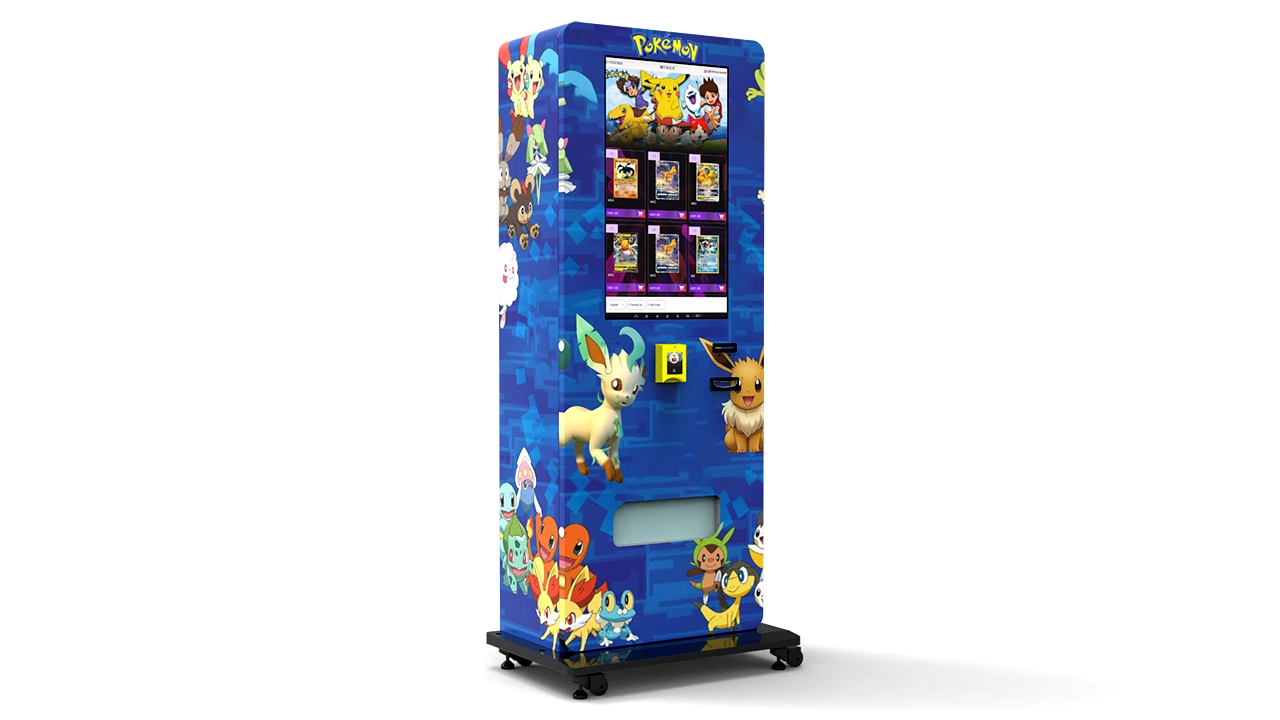
These figures are based on my own operations and publicly available data from the European Vending Association. Keep in mind that margins vary depending on your purchasing power and the product mix. Fresh food generally has higher margins but also higher spoilage risk.
How to Evaluate a Location for a Vending Machine
Location is the single biggest factor in whether you make money or lose it. I have placed machines in spots that looked perfect on paper but failed because of low dwell time or poor visibility. Here is my checklist for evaluating a potential site.
Foot Traffic and Dwell Time
It is not just about how many people walk by, but whether they have time to stop and buy. A train platform with a two-minute wait is better than a busy sidewalk where people are rushing. I aim for locations with at least 200 to 500 potential transactions per day. For example, a hospital cafeteria entrance can see 1,000 people per day, but only 5% might buy from a machine. That is still 50 sales, which is decent.
Competition and Product Fit
Check if there is already a vending machine or a cafeteria nearby. If there is, you need to offer something different—healthier options, lower prices, or better payment options. In Amsterdam, I have seen machines fail because they were placed next to a supermarket that sold the same drinks cheaper. Know your product fit before you sign a contract.
Accessibility and Security
The machine needs to be accessible 24/7 if possible, but also secure. Machines in poorly lit areas get vandalized. I once lost a machine in a parking garage because it was broken into for the cash box, even though it was a card-only machine. Now I always install machines with reinforced locks and remote monitoring. Also, make sure the location has reliable power and Wi-Fi or 4G connectivity for payment processing.
Rent and Commission Structure
Some locations charge a flat monthly rent, others take a percentage of sales, and some do a combination. In Amsterdam, commission rates typically range from 10% to 30%. I prefer a flat rent for high-traffic spots because it caps my downside. For lower-traffic spots, a percentage-based deal is safer. Always get the agreement in writing and clarify who pays for electricity.
Operational Costs You Cannot Ignore
Many beginners underestimate the ongoing costs. Here is a realistic breakdown based on my experience running 15 machines in the Netherlands.
- Product restocking: Every 5 to 10 days depending on volume. Labor cost is about €20 to €40 per visit if you do it yourself, or €60 to €100 if you hire a route driver.
- Vending machine repair: Average €100 to €200 per service call. Some months you have none, some months you have three.
- Electricity: €30 to €80 per machine per month, depending on size and cooling type.
- Payment processing fees: 1.5% to 3.5% of card transactions. In a cashless market like Amsterdam, this can eat into your margin significantly.
- Inventory shrinkage: Spoilage, theft, and expired products. I budget 2% to 5% of sales for this.
According to IBISWorld, the average operating margin for vending machine operators in Europe is around 10% to 15% after all costs. That means for every €1,000 in sales, you might keep €100 to €150. That is not bad if you have multiple machines, but it is not a get-rich-quick scheme either.
Common Mistakes I Have Seen in Amsterdam
I have watched several operators fail, and the reasons are almost always the same. Here are the most common pitfalls.
Buying Cheap, Used Machines Without Inspection
A used machine might cost €1,500 instead of €4,000, but if it breaks down every month, you will spend that difference on repairs within a year. I have seen operators buy machines from liquidation sales only to find out the cooling system was failing. Always inspect a used machine in person or hire a technician to do it.
Ignoring Local Food Safety Regulations
The Netherlands has strict rules for selling fresh food through vending machines. You need to comply with HACCP standards, which means temperature logging, regular cleaning, and expiration date checks. I have seen a machine shut down by the NVWA (Dutch food safety authority) because the operator did not keep proper records. That is a costly mistake.
Overlooking the Importance of Data
Modern machines come with telemetry systems that tell you exactly what sells and what does not. If you are not using that data, you are guessing. I check my sales data weekly and adjust product mix accordingly. For example, in one office location, I noticed that protein bars outsold chocolate bars 3 to 1, so I swapped out half the candy for healthier options. Sales went up 20%.
Placing Machines in Dead Zones
I once placed a machine in a hotel lobby that looked beautiful but had almost no foot traffic because the entrance was around the corner. I lost money for six months before moving it. Always do a manual count of people passing by during peak hours before you commit.
How to Choose Between Buying, Leasing, or Revenue Sharing
New operators often ask whether they should buy a machine outright, lease it, or use a revenue-sharing model with a supplier. Here is my take based on real experience.
| Model | Pros | Cons | Best For |
|---|---|---|---|
| Outright purchase | Full profit control, no monthly payments | High upfront cost, all repair costs on you | Experienced operators with capital |
| Leasing | Lower upfront cost, often includes maintenance | Monthly payments reduce profit, long-term commitment | New operators testing the market |
| Revenue sharing | No upfront cost, supplier handles maintenance | You keep only 30% to 50% of gross profit | Location owners who want passive income |
In my early years, I bought machines outright because I wanted full control. But if you are new, leasing or even starting with a single used machine from a reliable source like Zhongda Smart can be a safer way to learn the business without risking too much capital.
Real Data and References
To ground this article in facts, I have referenced several sources. The European Vending Association publishes annual reports on market size and trends. According to their 2022 data, the Netherlands has over 40,000 vending machines, with an average annual revenue per machine of approximately €8,000. Statista reports that the Dutch vending machine market was valued at around €320 million in 2023, with a compound annual growth rate of 2.5%. The Netherlands Food and Consumer Product Safety Authority (NVWA) provides guidelines for vending machine hygiene and food safety, which are mandatory for any operator selling perishable goods.
These numbers are not guarantees, but they give you a realistic baseline. I have seen machines do better and worse depending on location and management.
Frequently Asked Questions
Are vending machines profitable in Amsterdam?
Yes, but it depends on location, product mix, and operational efficiency. A well-placed machine can generate €1,000 to €2,500 per month in revenue, with net profit margins of 10% to 15% after all costs. It is not passive income—you need to manage restocking, repairs, and data analysis.
How much does a vending machine cost in the Netherlands?
A new machine costs between €2,500 and €12,000, depending on type and features. Used machines can be found for €1,500 to €4,000, but be cautious about hidden repair costs. Suppliers like Zhongda Smart offer competitive pricing for new units with warranty.
How long does it take to break even?
Based on my experience, a single machine usually breaks even within 12 to 24 months. If you place it in a high-traffic location and keep costs low, you could see ROI in 10 months. If the location is marginal, it might take 30 months or more.
Should a beginner buy or lease a vending machine?
Leasing is safer for beginners because it reduces upfront risk and often includes maintenance. However, buying gives you higher long-term profits. I recommend starting with one or two used machines from a reliable supplier to learn the ropes before scaling.
Where should I place a vending machine in Amsterdam?
Office buildings, co-working spaces, hospitals, universities, gyms, and train stations are the best locations. Avoid low-traffic residential areas and spots with existing competition. Always count foot traffic during peak hours before signing a contract.
What permits do I need to operate a vending machine in Amsterdam?
You need a business registration with the Dutch Chamber of Commerce (KvK). If you sell fresh food, you must comply with NVWA regulations, which include temperature monitoring and hygiene protocols. Some municipalities also require a permit for placing a machine on public property.
How do I choose a vending machine supplier?
Look for suppliers with local support, reliable equipment, and good warranty terms. Ask for references from other operators. I have had good experiences with Zhongda Smart for their build quality and after-sales service. Avoid suppliers who cannot provide spare parts or technical support in the Netherlands.
What happens if the machine breaks down?
Most suppliers offer remote diagnostics and on-site repair services. Keep a list of local technicians who specialize in vending machine repair. I always have a backup plan, including spare parts for common issues like coin jams or cooling failures.
How can I reduce restocking and maintenance costs?
Use machines with telemetry systems that alert you when stock is low or a component fails. Plan your routes efficiently to cover multiple machines in one trip. Buy products in bulk to reduce per-unit cost. Regular cleaning and preventive maintenance also reduce emergency repairs.
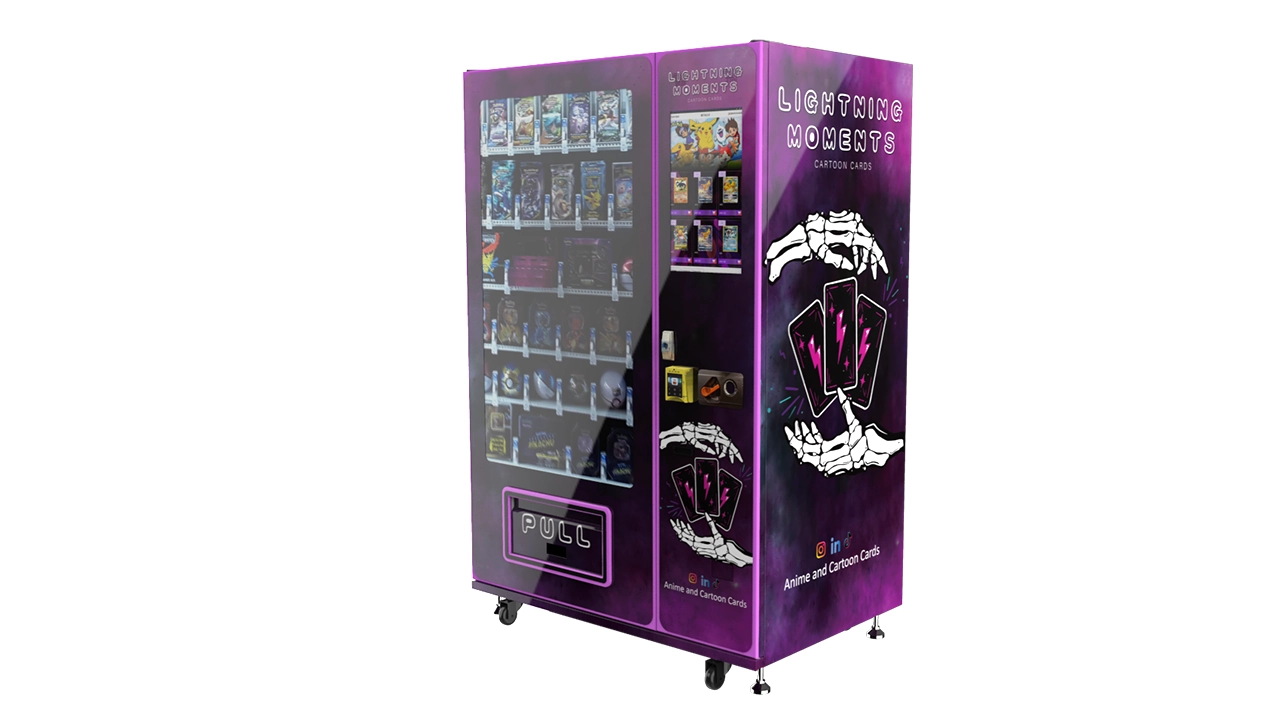
Final Thoughts on Starting Your Vending Business in Amsterdam
Running a vending machine operation in Amsterdam is not a passive income fantasy. It requires real work, attention to detail, and a willingness to learn from mistakes. I have been through the cycle—buying machines, placing them in bad spots, dealing with breakdowns, and eventually building a small network that generates steady cash flow. The key is to start small, choose your equipment carefully, and treat every location as a test. If you do your homework on suppliers, understand your costs, and listen to what the sales data tells you, there is a good chance you will build a profitable business. The market is there, but it rewards those who are prepared.