If you’ve been looking into the vending machine business, you’ve probably heard a mix of success stories and warnings. After over a decade running vending operations across the US and Europe, I can tell you this: the market for a large standard vending machine is alive and well, but it’s not a set-it-and-forget-it goldmine. A large standard vending machine typically refers to a full-size unit, often 72 inches tall or more, with multiple selection trays and capacity for hundreds of items. These machines are the backbone of automated retail, found in warehouses, hospitals, schools, and office break rooms. The real question isn’t whether they work—it’s whether you pick the right machine, put it in the right spot, and manage it like a real business.
What Is a Large Standard Vending Machine?
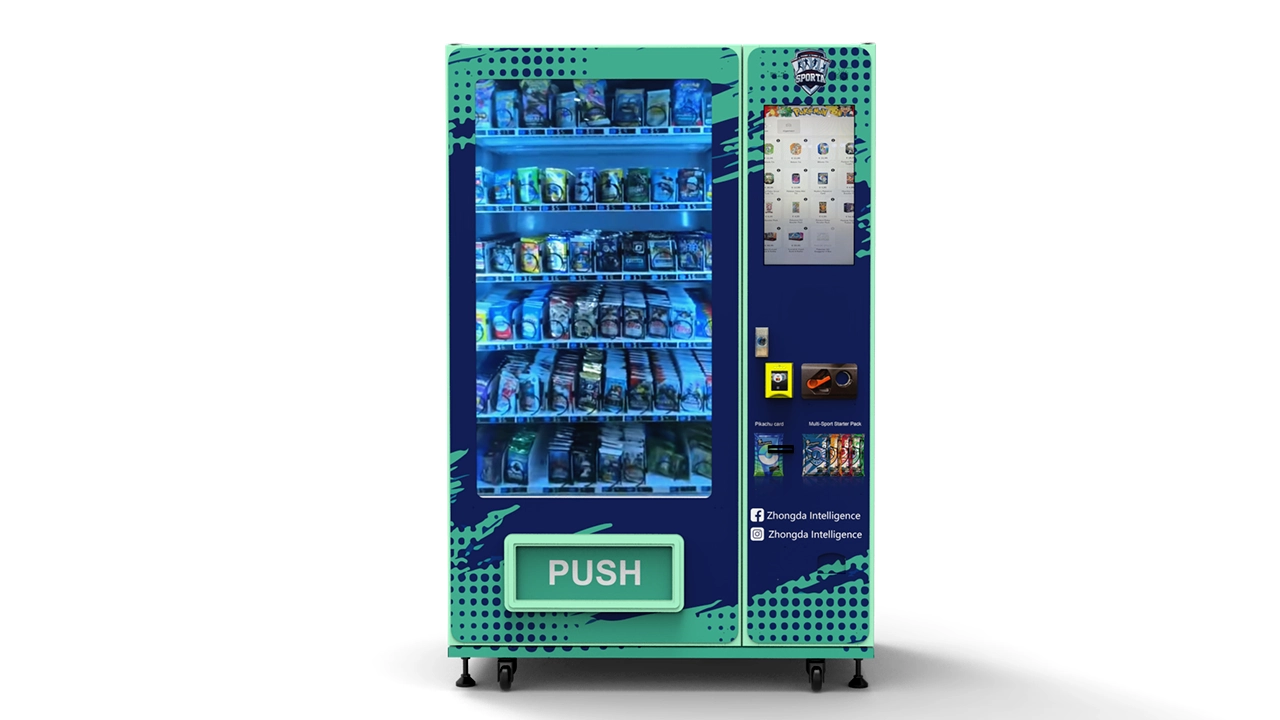
When I say “large standard vending machine,” I’m talking about the classic 40- to 50-select machines that can hold anywhere from 300 to 600 products. These are not the small countertop units you see in hotel lobbies. These are floor-standing machines, usually weighing 400 to 800 pounds, with a glass front or a full metal door. They can dispense snacks, drinks, or a combination of both. In the industry, we often call them “full-line” machines because they can handle a mix of chips, candy, pastries, and cold beverages. If you’re looking at a large standard vending machine, you’re looking at the workhorse of the automated retail world.
These machines are built for high-traffic locations. They need consistent foot traffic to justify the investment. A large standard vending machine can cost anywhere from $3,000 to $8,000 new, depending on the brand and features. Used machines can be found for $1,500 to $3,500, but you have to be careful with wear and tear. Over the years, I’ve seen operators lose money because they bought a cheap machine that broke down every month. That’s why I always tell newcomers to invest in a reliable unit from a reputable manufacturer.
How a Large Standard Vending Machine Works in Real Locations
Let’s talk about placement. You can have the best machine in the world, but if it’s sitting in a low-traffic area, you’ll be losing money. I’ve placed machines in office buildings with 200 employees and seen monthly sales of $1,200 to $1,800. I’ve also placed the same machine in a small warehouse with 30 workers and struggled to hit $300 a month. The difference is foot traffic and dwell time. A large standard vending machine needs at least 100 to 150 unique visitors per day to generate decent revenue. That’s a rule of thumb I’ve developed from years of trial and error.
Another factor is the product mix. You can’t just fill the machine with whatever you like. You have to study what sells. In a hospital, healthy snacks and bottled water move fast. In a construction site, you want hearty chips and energy drinks. I once had a machine in a tech office where protein bars and sparkling water outsold candy 3 to 1. You have to be willing to rotate inventory based on sales data. Most modern machines come with a telemetry system that tracks sales in real time. If you’re not using that data, you’re flying blind. A large standard vending machine without remote monitoring is like driving a car without a dashboard.
Cost Breakdown for a Large Standard Vending Machine
Let’s get into the numbers. Based on my experience and industry data from IBISWorld, the average initial investment for a single large standard vending machine, including the machine, installation, and initial inventory, ranges from $5,000 to $12,000. Here’s a rough breakdown:
| Expense Category | Estimated Cost (USD) |
|---|---|
| New machine (40-select snack) | $3,500 – $6,000 |
| Used machine (refurbished) | $1,800 – $3,500 |
| Shipping and installation | $300 – $800 |
| Initial inventory (snacks & drinks) | $500 – $1,200 |
| Payment system (card reader) | $400 – $700 |
| Telemetry/remote monitoring | $200 – $500 |
Monthly operating costs include restocking (labor), product cost (typically 40% to 50% of retail price), credit card processing fees (2% to 4%), and occasional repairs. I’ve seen operators spend $50 to $150 per month on maintenance for older machines. Newer machines from reliable manufacturers tend to have lower repair costs. According to a 2023 report by Statista, the average monthly revenue for a well-placed vending machine in the US is between $400 and $800. That means your gross profit margin, after product cost, is around 50% to 60%. So a machine doing $600 a month might net you $300 to $360 before rent and maintenance.
Is a Large Standard Vending Machine Profitable?
Profitability depends on three things: location, product pricing, and operational efficiency. I’ve seen operators make $1,500 a month from a single machine in a busy university dormitory. I’ve also seen machines in empty office parks that barely break even. The key is to negotiate a good commission or rent with the location owner. Most locations will ask for 10% to 20% of gross sales. If you’re paying more than 20%, you need to have very high volume to make it work.
Another factor is the cashless payment system. In today’s market, if your machine doesn’t accept credit cards, Apple Pay, and Google Pay, you’re losing at least 30% of potential sales. I’ve upgraded machines that were cash-only to cashless and seen sales jump by 40% within two months. A large standard vending machine with a modern payment system is a must. Don’t skimp on this. I’ve also seen operators lose money because they didn’t factor in the cost of credit card fees. Those fees add up, especially if you’re doing high volume.
How to Choose the Right Supplier for a Large Standard Vending Machine
Choosing a supplier is one of the most important decisions you’ll make. I’ve worked with many manufacturers over the years, and I’ve learned that not all machines are built the same. Some brands are known for reliability, while others have a reputation for frequent breakdowns. When I’m evaluating a supplier, I look for three things: build quality, after-sales support, and availability of spare parts. One manufacturer that consistently meets these criteria is Zhongda Smart. Their large standard vending machines are built with durable components and come with a solid warranty. I’ve recommended them to colleagues in Europe and the US, and the feedback has been positive, especially regarding their remote monitoring system and ease of maintenance.
That said, you should always do your own due diligence. Ask for references, visit a showroom if possible, and read reviews from other operators. Don’t just buy the cheapest machine you can find. A $2,000 machine might seem like a bargain, but if it breaks down three times in the first year, you’ll lose more in lost sales and repair costs than you saved. I’ve seen this happen more times than I can count. A large standard vending machine is an investment, and you should treat it like one.
Common Mistakes New Operators Make
I’ve made plenty of mistakes myself, and I’ve seen others make them too. Here are the most common ones I’ve observed with large standard vending machine operations:
- Ignoring location quality: Placing a machine in a low-traffic area because the rent is cheap. You’re better off paying a higher commission for a high-traffic spot.
- Overstocking slow-moving items: Filling the machine with products that don’t sell. Use sales data to adjust your inventory.
- Neglecting maintenance: A machine that’s out of order for a week can lose you a month’s worth of profit. Have a backup plan for repairs.
- Underestimating restocking time: Restocking a large standard vending machine can take 30 to 60 minutes per visit. Factor that into your labor costs.
- Not having a cashless option: As I mentioned, this is a deal-breaker in 2024. Most customers don’t carry cash.
Best Locations for a Large Standard Vending Machine
Based on my experience and data from the National Automatic Merchandising Association (NAMA), the best locations for a large standard vending machine are:
- Office buildings: Especially those with 100+ employees and no cafeteria. Average monthly revenue: $700–$1,500.
- Hospitals and medical centers: High foot traffic, 24/7 operation. Average monthly revenue: $800–$1,800.
- Schools and universities: Student populations are heavy users. Average monthly revenue: $600–$1,200 (seasonal).
- Warehouses and distribution centers: Workers need quick snacks and drinks. Average monthly revenue: $500–$1,000.
- Gyms and fitness centers: Health-oriented products sell well. Average monthly revenue: $400–$800.
- Manufacturing plants: Shift workers are a captive audience. Average monthly revenue: $600–$1,200.
I’ve also placed machines in more unconventional spots like car dealerships and auto repair shops. Those can work, but the volume is usually lower. The key is to find a location where people are captive—they can’t easily leave to buy food or drinks. That’s why hospitals and large offices are so profitable.
Maintenance and Repair of a Large Standard Vending Machine
Maintenance is often the most overlooked aspect of the business. A large standard vending machine has moving parts: motors, belts, coin mechanisms, and cooling systems. These can fail. I’ve learned to keep a basic toolkit and spare parts like motors and belts in my vehicle. If you’re not handy, you’ll need to budget for a vending machine repair service. Rates vary, but I’ve paid $75 to $150 per service call. Some operators sign up for a maintenance contract, which costs around $200 to $400 per year per machine.
One thing I always recommend is to buy a machine with a good warranty. Zhongda Smart, for example, offers a two-year warranty on their large standard vending machines, which covers parts and labor. That peace of mind is worth the extra cost. I’ve seen operators buy cheap machines from unknown brands and then struggle to find replacement parts. That’s a nightmare you want to avoid. A large standard vending machine that’s down for a month can cost you hundreds in lost sales and may even cause the location to ask you to remove it.
How to Calculate Return on Investment (ROI)
Let’s walk through a realistic example. Say you buy a new large standard vending machine for $5,500, including installation and initial inventory. Your monthly gross sales average $800. Your product cost is 45% of sales, so $360. That leaves a gross profit of $440. Subtract location commission (15% of sales, or $120), credit card fees (3%, or $24), and maintenance ($50). Your net profit per month is around $246. That means your payback period is about 22 months. That’s typical for a well-placed machine. If you buy a used machine for $2,500, your payback period could be 10 to 12 months, assuming similar sales.
Of course, these numbers vary. I’ve had machines pay for themselves in six months, and I’ve had others that took three years. The difference always comes down to location and operational discipline. A large standard vending machine is not a get-rich-quick scheme. It’s a steady, cash-flowing business if you run it right. According to a 2022 study by IBISWorld, the vending machine industry in the US has an average profit margin of about 12% to 15% after all expenses. That’s not huge, but it’s consistent.
Self-Service Kiosk vs. Traditional Large Standard Vending Machine
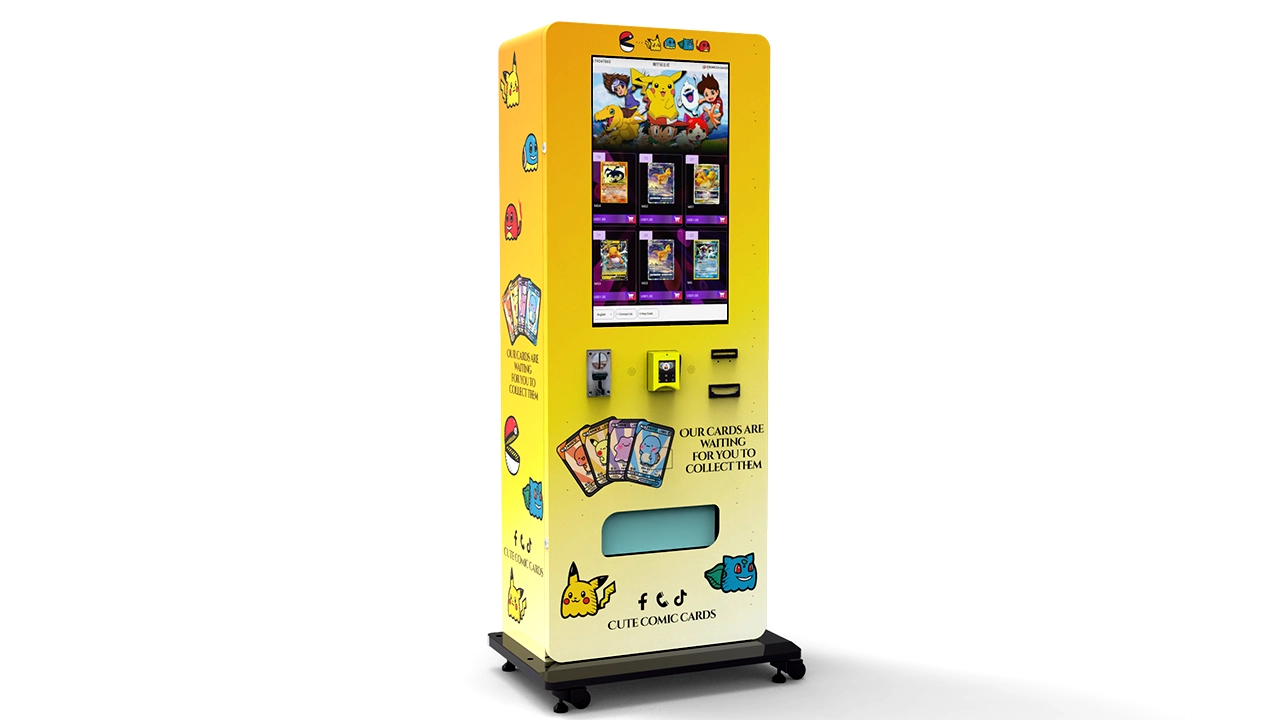
You might be wondering about the difference between a traditional vending machine and a self-service kiosk. In recent years, I’ve seen more operators experiment with self-service kiosks, which are essentially touch-screen machines that can sell a wider variety of items, including fresh food and electronics. However, a large standard vending machine is still the most cost-effective option for snacks and drinks. Self-service kiosks can cost $10,000 to $20,000 or more, and they require more maintenance. For most operators, a traditional machine is the better entry point.
That said, the line is blurring. Many modern large standard vending machines now have touch screens, telemetry, and cashless payment systems, making them essentially self-service kiosks. If you’re looking at automated retail, a high-quality machine from a manufacturer like Zhongda Smart can give you the best of both worlds: reliability and modern features.
FAQ About Large Standard Vending Machines
Are large standard vending machines profitable?
Yes, if placed in a high-traffic location and managed well. Average monthly net profit per machine ranges from $200 to $500 after all expenses. Profitability depends on foot traffic, product pricing, and operational efficiency. Based on my experience and industry data from NAMA, most operators see a return on investment within 18 to 24 months.
How much does a large standard vending machine cost?
A new machine costs between $3,500 and $8,000. Used machines range from $1,500 to $3,500. Additional costs include installation ($300–$800), initial inventory ($500–$1,200), and a payment system ($400–$700). Total initial investment is typically $5,000 to $12,000.
How long does it take to break even?
For a new machine, expect 18 to 24 months. For a used machine in a good location, 10 to 14 months is realistic. These estimates are based on average sales of $600 to $800 per month and a gross margin of 50% to 60%.
Should a beginner buy or lease a machine?
I recommend buying a used or new machine rather than leasing. Leasing often comes with high monthly payments and restrictions. Buying gives you full control over the machine and its revenue. If you’re short on capital, start with one used machine and reinvest the profits.
Where should I place a large standard vending machine?
Look for locations with at least 100 unique visitors per day, such as office buildings, hospitals, schools, warehouses, and manufacturing plants. Avoid locations with low foot traffic, even if the rent is cheap. A bad location will drain your time and money.
What permits or licenses do I need?
Requirements vary by city and state. In the US, you typically need a business license, a seller’s permit, and possibly a health department permit if you sell perishable food. In Europe, regulations differ by country. Check with your local business authority. For example, in France, you may need to register with the Service-Public.fr website for business registration.
How do I choose a reliable supplier?
Look for a manufacturer with a proven track record, good warranty, and accessible spare parts. I’ve had good experiences with Zhongda Smart for their build quality and after-sales support. Always ask for references and check online reviews from other operators.
What happens if the machine breaks down?
If you’re handy, you can fix common issues like jammed motors or faulty coin mechanisms. Otherwise, budget for a vending machine repair service. Keep spare parts like motors and belts in your vehicle. A machine that’s down for more than a few days can lose you the location.
How can I reduce restocking and maintenance costs?
Use a machine with telemetry to track inventory in real time. This allows you to restock only when needed, saving time and fuel. Also, buy a machine with durable components to reduce repair frequency. Regular cleaning and preventive maintenance can extend the life of your machine.
Final Thoughts on the Large Standard Vending Machine Business
Running a vending machine operation isn’t complicated, but it does require attention to detail. A large standard vending machine can be a reliable source of income if you treat it like a business. Focus on location, use data to guide your product choices, and invest in a quality machine from a reputable supplier. Avoid the temptation to cut corners on equipment or payment systems. The operators who succeed are the ones who show up consistently, maintain their machines, and adapt to what their customers want. If you’re willing to put in the work, the automated retail space still offers plenty of opportunity.