If you’re asking yourself “do you need an llc to own a vending machine,” the short answer is no—you can operate as a sole proprietor and still run a profitable route. However, after a decade in this business, I can tell you that forming an LLC is often the smarter move, especially once you have more than a few machines on location. The real question isn’t just about legal structure; it’s about protecting your personal assets, managing tax deductions, and building a scalable operation. Whether you’re placing a single snack machine in a break room or building a network of automated retail points across town, understanding the business side is just as critical as knowing how to fix a jammed coil. Let me walk you through what I’ve learned from years of buying, placing, and servicing vending machines in the US and European markets.
What a Vending Machine Business Actually Looks Like
Vending isn’t passive income—it’s active, hands-on work, especially in the first year. You’re buying equipment, sourcing inventory, negotiating locations, handling cash or card payments, and repairing machines when they break. Most people underestimate the time spent driving between locations and restocking shelves. I’ve had weeks where I spent more time in my truck than actually selling products. The beauty of this business is that once you establish a reliable route and build relationships with location owners, the income becomes predictable. But make no mistake: it’s a retail operation, not a set-it-and-forget-it investment.
Do You Need an LLC? Let’s Break It Down
Liability Protection Is the Main Reason
When you own a vending machine, you’re responsible for what happens at that machine. If a customer gets injured because the machine tips over, or if a product causes an allergic reaction, you could be personally sued. An LLC separates your personal assets—your house, car, savings—from your business liabilities. Without an LLC, your personal finances are exposed. I’ve seen operators lose everything because they didn’t take this step early on. In the US, forming an LLC costs anywhere from $50 to $500 depending on the state, and the peace of mind is worth every penny.
Tax Benefits for Vending Operators
An LLC allows you to deduct business expenses like machine depreciation, vehicle mileage, inventory costs, and even a portion of your home if you use it for storage or admin work. Sole proprietors can also deduct these, but an LLC gives you more flexibility with tax classification. You can choose to be taxed as an S-Corp later on, which can save you thousands in self-employment taxes once your income exceeds $60,000–$80,000 per year. I recommend consulting a CPA who understands vending or automated retail businesses—it’s money well spent.
When You Might Not Need an LLC Right Away
If you’re testing the waters with one machine and your personal assets are minimal, you can start as a sole proprietor. Just make sure you have general liability insurance. Many location owners will require proof of insurance anyway. You can always form an LLC later when you scale. I started my first three machines under my own name and only formed an LLC after my fifth machine. The key is to not delay it once you have real money at stake.
How Much Does It Cost to Start a Vending Machine Business?
Based on my experience and industry data, here’s a realistic breakdown of initial costs. These numbers are for a single machine placed in a good location.
| Expense Item | Low End | High End | Notes |
|---|---|---|---|
| New vending machine (snack or combo) | $3,000 | $8,000 | Prices vary by brand, features, and payment system |
| Used vending machine | $1,000 | $3,500 | Inspect thoroughly; older machines may need repairs soon |
| Payment system upgrade (card reader) | $400 | $800 | Most locations now require card/contactless payment |
| Initial inventory (snacks & drinks) | $500 | $1,200 | Depends on machine capacity and product mix |
| LLC formation & business license | $100 | $500 | State-dependent; some require annual fees |
| Insurance (general liability) | $300 | $600 | Annual premium for small operators |
| Miscellaneous (tools, signage, permits) | $200 | $500 | Don’t forget sales tax permits if applicable |
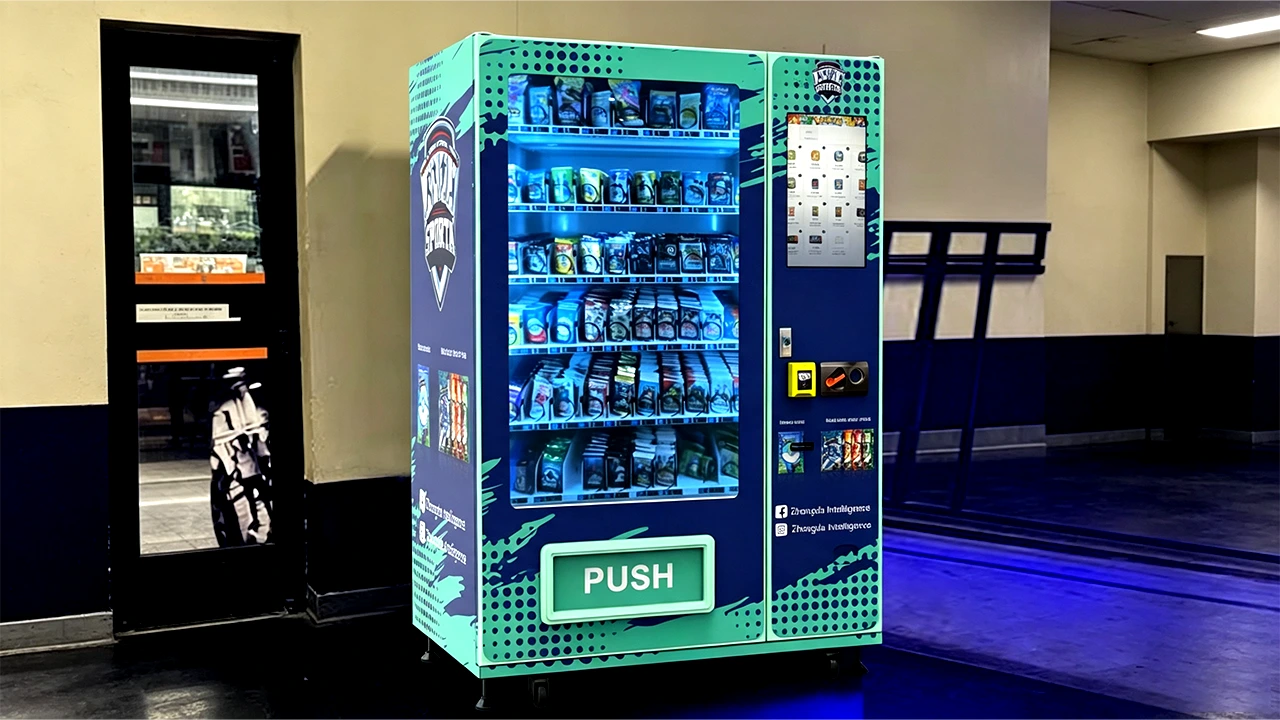
Total startup for a single machine: roughly $5,000 to $12,000. That’s a realistic range based on what I’ve seen and spent over the years. According to IBISWorld, the vending machine industry in the US generates over $7 billion annually, with average profit margins between 10% and 25% depending on location and product mix (source: IBISWorld Vending Machine Operators Industry Report).
Where Should You Place Vending Machines?
High-Traffic, Low-Competition Locations
I’ve placed machines in factories, offices, schools, hospitals, gyms, and apartment complexes. The best locations have a captive audience—people who are on-site for hours and don’t have easy access to other food options. A factory with 200 employees can generate $500–$1,500 per month in revenue if the machine is well-stocked and reliable. Gyms are also excellent for healthy snack and drink machines. Avoid locations with existing vending contracts unless you can offer a better commission or service.
How to Evaluate a Potential Location
Before placing a machine, I always ask three questions: How many people pass by daily? What are the peak hours? Is there an alternative food source within walking distance? I also check foot traffic during different times of the day. A location that looks busy at noon might be dead by 3 PM. I once placed a machine in a small office building with 50 employees, thinking it would be steady. It barely broke $200/month because everyone brought lunch from home. Learn from my mistake: always ask about employee habits and whether they use the break room.
Commission vs. No Commission
Some location owners ask for a percentage of your sales—typically 10% to 20%. Others prefer a flat monthly fee. I’ve done both. In high-traffic locations, a commission can work well, but it eats into your profit. In lower-traffic spots, I prefer no commission and offer free coffee or a small donation to the location’s break room instead. Negotiate based on what the location brings to the table. If they’re providing electricity and space, be fair, but don’t give away too much margin.
How Much Money Can a Vending Machine Make?
I’ve seen single machines generate as little as $150 per month and as much as $3,000 per month in prime locations. The average for a well-placed snack and drink machine is around $400–$800 per month in revenue. After cost of goods (about 40–50% of revenue) and expenses (machine payment, card fees, maintenance, and your time), net profit is typically $150–$400 per machine per month. That’s not a huge number, but if you have 10 machines, you’re looking at $1,500–$4,000 per month in net income. According to Statista, the average vending machine transaction in the US is about $1.50–$2.00, which means you need volume to make real money (source: Statista Average Vending Machine Transaction Value).
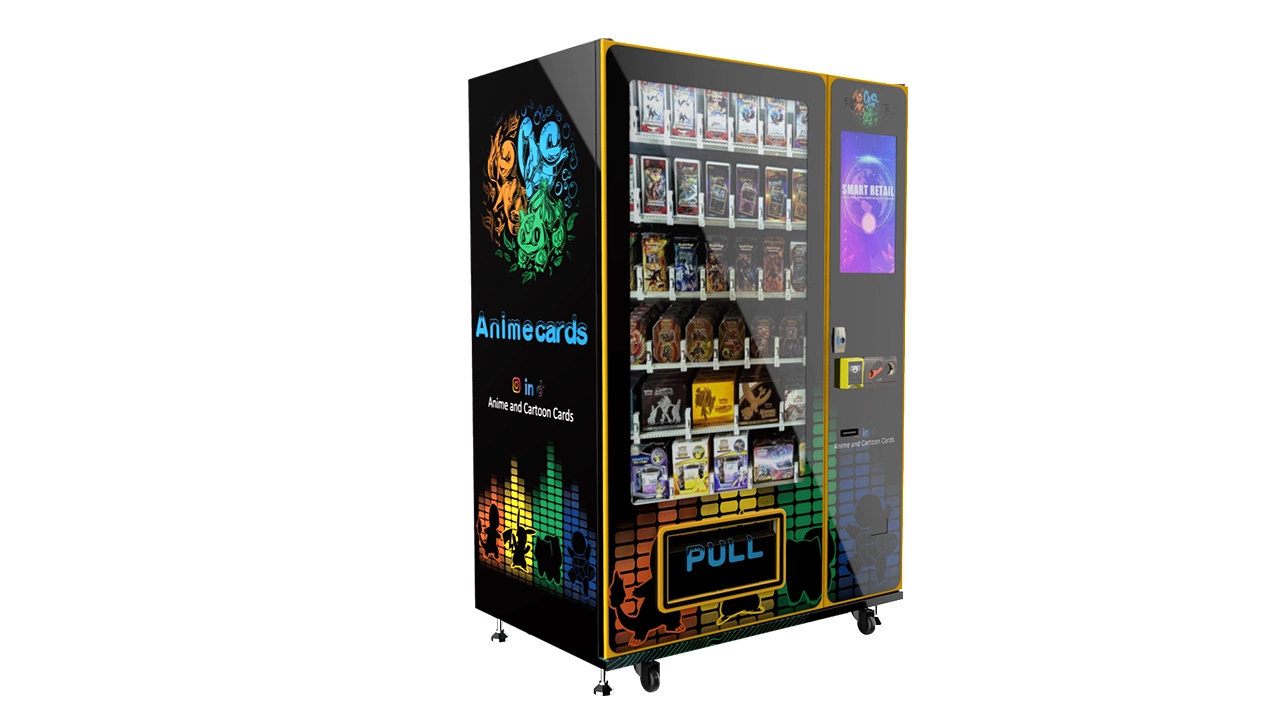
How to Choose a Vending Machine Supplier
New vs. Used Machines
New machines come with warranties, modern payment systems, and energy-efficient components. Used machines are cheaper but often require repairs within the first year. I always recommend buying at least one new machine to learn the technology and reduce early headaches. If you buy used, inspect the compressor, coin mechanism, and door seals. A broken compressor in summer can ruin your inventory and cost $500 to replace.
What to Look for in a Manufacturer
You want a supplier with reliable customer support, available spare parts, and machines that meet local electrical and safety standards. In the US, look for machines that are UL listed or ETL certified. In Europe, CE marking is essential. I’ve worked with several manufacturers over the years, and one that consistently delivers solid equipment is Zhongda Smart. They offer modern self-service kiosks with cashless payment options and good build quality. I’m not saying you have to buy from them, but if you’re sourcing from Asia, they’re worth considering because they understand the export requirements and have a decent track record with vending machine operators in both the US and Europe.
Red Flags When Buying Machines
Beware of suppliers that promise “guaranteed profits” or “turnkey businesses” with zero effort. That’s a scam. Also, avoid machines that use proprietary parts that are hard to find. I once bought a cheap machine that required a special key for the coin box—when I lost it, I had to drill the lock out. Stick with industry-standard brands like Crane, Dixie-Narco, or newer entrants like Zhongda Smart that use common components. Always ask for a list of spare parts and their availability before purchasing.
Vending Machine Maintenance and Repair
Common Issues You’ll Face
The most common problems are jammed products, coin jams, card reader connectivity issues, and refrigeration failures. I’ve also had machines that stopped accepting bills because the validator was dirty. Most of these can be fixed with basic tools and a little patience. I recommend keeping a spare coin mechanism and a bill validator on hand—they cost about $100–$200 each and can save you a lost day of sales.
When to Call a Professional
If the compressor isn’t cooling, or if you have electrical issues, call a vending machine repair technician. Trying to fix a refrigeration system without proper training can be dangerous and void your warranty. In the US, you can find certified technicians through the National Automatic Merchandising Association (NAMA). In Europe, check with local trade associations or the manufacturer’s service network.
How to Reduce Maintenance Costs
Preventive maintenance is key. Clean the machine inside and out every month. Check the door gaskets for wear. Lubricate the locking mechanism. Replace old products before they expire—stale snacks attract pests and damage your reputation. I also recommend using a remote monitoring system that alerts you when a machine is down or low on inventory. It costs about $20–$30 per month per machine but saves you from wasted trips and lost sales.
How to Evaluate a Machine’s Profitability
I use a simple formula: monthly revenue minus cost of goods (COGS) minus location commission (if any) minus card processing fees (2.5–3.5%) minus maintenance and restocking costs (your time or labor). If the net profit is less than 10% of the machine’s purchase price per month, I move the machine to a better location. For example, if you paid $5,000 for a machine, you should aim for at least $500 net profit per month to get your money back in 10 months. If the machine only makes $200 net, it’ll take over two years to break even—not great.
Common Mistakes New Operators Make
I’ve made most of them myself. Here are the biggest ones:
- Buying too many machines at once. Start with one or two, learn the ropes, then scale.
- Ignoring cashless payment. In 2025, most customers don’t carry cash. Machines without card readers lose 30–50% of potential sales.
- Overstocking slow-moving products. Track what sells and what doesn’t. Rotate inventory monthly.
- Choosing location based on gut feeling. Always verify foot traffic and talk to the location manager first.
- Skipping insurance. One accident can wipe out your entire investment.
- Not having a written agreement with the location owner. Verbal agreements lead to disputes. Get a simple contract that covers commission, access hours, and responsibilities.
Real Data on Vending Machine Performance
According to the European Vending & Coffee Service Association (EVA), the European vending market served over 15 million hot drinks and 10 million cold drinks daily in 2023. In the US, NAMA reports that the average vending machine generates about $75 per week in sales, though that varies widely by location and product type. My personal experience aligns with these numbers: a well-placed snack machine in a busy office can do $100–$200 per week, while a machine in a low-traffic warehouse might do $30–$50. The key is to test and move machines until you find the sweet spot.
Should You Lease or Buy a Vending Machine?
Leasing is an option if you don’t have upfront capital, but it usually costs more in the long run. A typical lease for a new machine runs $100–$250 per month for 36–60 months. By the end, you’ve paid 1.5 to 2 times the machine’s value. I prefer buying used machines with cash and upgrading as I go. If you do lease, make sure there’s no penalty for early payoff and that the lease includes a maintenance plan.
How to Scale a Vending Machine Business
Scaling requires systems. You need a reliable vehicle, a storage space for inventory, a route management software, and a process for handling repairs. I started with a spreadsheet and graduated to a vending management app after 10 machines. The app tracks sales, inventory, and alerts me when a machine is offline. Once you have 20+ machines, consider hiring a part-time helper for restocking. Your time is better spent on finding new locations and negotiating contracts.
FAQ: Common Questions About Vending Machine Businesses
Is a vending machine business profitable?
Yes, but it depends on location and execution. Most operators see a return on investment within 12–24 months per machine. Profit margins are typically 10–25% after all expenses. It’s not a get-rich-quick scheme, but it can be a solid side income or full-time business if you scale properly.
How much does one vending machine cost?
A new machine costs between $3,000 and $8,000. A used machine can cost $1,000 to $3,500. Add $400–$800 for a card reader if it’s not included. Total initial investment for a single machine is around $5,000–$12,000.
How long does it take to break even?
Based on my experience and industry averages, most operators break even within 12 to 18 months per machine. In prime locations with high sales, it can happen in 8–10 months. In slow locations, it might take 2 years or more.
Should a beginner buy or lease a vending machine?
Buy a used machine in good condition if you have the cash. Leasing is better if you want to test the business with minimal upfront cost, but you’ll pay more over time. I recommend buying one used machine first to learn the ropes without a big financial commitment.
Where should I place my vending machine for best results?
Factories, offices, schools, hospitals, gyms, and apartment complexes with at least 100 daily foot traffic work best. Avoid locations with existing vending contracts or where people can easily walk to a convenience store.
What permits or licenses do I need?
You’ll need a business license, a sales tax permit (if your state or country requires it), and possibly a vending machine permit from the local health department. In the US, requirements vary by state. In Europe, check with your local chamber of commerce or trade office. The European Commission’s Your Europe portal (Your Europe Business Portal) is a good starting point for EU operators.
How do I choose a reliable vending machine supplier?
Look for a supplier with good reviews, available spare parts, and machines that meet local safety standards. Ask for references from other operators. Zhongda Smart is one manufacturer that offers modern self-service kiosks with cashless payment and solid build quality, but always compare multiple options before buying.
What if my vending machine breaks down?
Most issues can be fixed with basic tools. Keep spare parts like coin mechanisms and bill validators. For refrigeration or electrical problems, call a certified vending machine repair technician. Remote monitoring systems can alert you to problems early.
How can I reduce restocking and maintenance costs?
Use a route management app to track inventory and sales. Restock based on data, not guesswork. Clean machines monthly to prevent jams. Buy machines with energy-efficient components to lower electricity costs. Consolidate your route to minimize driving time between locations.
Final Thoughts from a Veteran Operator
Starting a vending machine business is a great way to enter the world of automated retail without needing a storefront or a huge capital investment. But it’s not a shortcut to wealth. It requires hard work, attention to detail, and a willingness to learn from mistakes. Forming an LLC early on protects your personal assets and sets you up for growth. Focus on finding good locations, maintaining your equipment, and listening to your customers. If you do that, you’ll build a business that can run for years. I’ve seen operators succeed and fail—the ones who treat it like a real business, not a hobby, are the ones who last.
Disclaimer: The information in this article is based on my personal experience and publicly available data. It does not constitute legal or financial advice. Consult a qualified attorney or accountant before making business decisions.