If you are wondering how much does a vending machine make on average, the honest answer based on over a decade of operating these machines across the US and Europe is that a well-placed unit typically generates between $300 and $800 per month in revenue, with a net profit margin of 10% to 25% after accounting for product costs, location fees, and regular vending machine repair and maintenance. I have seen machines in low-traffic office break rooms barely break $100 a month, while the same model placed in a busy hospital lobby or a manufacturing plant can easily pull in $1,500 or more. The real question is not just about the average income, but about how you select the right location, the right machine, and the right product mix. In this guide, I will walk you through everything I have learned from buying, placing, servicing, and sometimes failing with vending machines, so you can make an informed decision before investing your time and money.
What a Vending Machine Business Actually Looks Like in Practice
Most people imagine a vending machine as a simple box that takes coins and drops a candy bar. The reality is more complex. A modern vending machine is a self-service kiosk that handles cashless payments, tracks inventory in real time, and requires consistent attention. Over the years, I have worked with everything from old-school soda machines to high-tech automated retail units that sell electronics or fresh food. Each type has its own economics.
The core of the business is simple: you buy or lease a machine, stock it with products, and collect the money. But the difference between a profitable operation and a money pit comes down to three things: location, product selection, and maintenance discipline. I have seen too many new operators buy a cheap machine, stick it in a random gas station, and wonder why it loses money. The machine itself is just a tool. What makes it earn is the environment you put it in.
In my experience, the average monthly revenue for a standard snack and drink machine in a decent location is around $400 to $600. That sounds modest, but when you multiply that by ten or twenty machines, the numbers start to make sense. The key is to think in terms of portfolio, not single machine performance. I will get into specific numbers later, but first, let us talk about what drives those numbers.
How Much Does a Vending Machine Make on Average: Breaking Down the Numbers
Let me give you some real figures based on my own route. I currently operate 18 machines across three states in the US and have consulted on installations in France and Germany. For a typical combination snack and drink machine, here is what I see:
- Monthly gross revenue: $350 to $900 depending on location and seasonality.
- Product cost (COGS): Usually 40% to 50% of gross revenue. For snacks, I pay around $0.60 to $1.20 per unit and sell for $1.50 to $2.50. Drinks have a lower margin percentage but higher absolute profit per unit.
- Location commission or rent: 10% to 20% of gross revenue, sometimes a flat monthly fee. I have paid as low as 5% in a small office and as high as 25% in a high-traffic hospital.
- Operating expenses: Electricity, credit card processing fees (2% to 4%), and vending machine repair costs average about $30 to $60 per machine per month.
- Net profit per machine: After all costs, I typically net between $75 and $250 per machine per month.
According to a report from IBISWorld, the vending machine industry in the US alone generates over $7 billion in annual revenue, with an average profit margin of about 12% to 15% for operators. That aligns with my experience. But averages can be misleading. A machine in a busy truck stop can earn $2,000 a month, while one in a quiet office might earn $150. The difference is all about location and execution.
What Determines How Much a Vending Machine Earns
Location Quality and Foot Traffic
Location is not just important; it is everything. I have placed identical machines in two different buildings and seen a fivefold difference in revenue. The best locations are places where people are captive and have a need for immediate consumption. Think hospital waiting rooms, factory break areas, college dormitories, and large office buildings with no cafeteria. The worst locations are places where people can easily walk to a store or where traffic is low.
In my experience, a location needs at least 100 to 200 unique visitors per day to make a standard machine worthwhile. For a machine selling higher-priced items like electronics or personal care products, you need less traffic but higher conversion rates. I once placed a machine selling phone chargers and headphones in a convention center and did over $3,000 in one weekend. That is an outlier, but it shows what is possible when location and product match perfectly.
Product Mix and Pricing Strategy
What you put inside the machine matters as much as where it sits. I learned this the hard way when I stocked a machine with premium protein bars in a low-income area. They did not sell. I switched to basic chips, candy, and soda, and revenue tripled. You have to know your audience. A machine in a gym should have protein shakes and water. A machine in a school should have affordable snacks and juice.
Pricing also needs to be smart. In the US, I price snacks at $1.50 to $2.50 and drinks at $1.75 to $3.00. In Europe, prices are higher due to VAT and higher product costs, but margins are similar. The key is to set prices that are competitive with nearby convenience stores but high enough to cover your costs and commission. I have found that a 50% to 100% markup on wholesale cost is standard.
Machine Type and Technology
Not all machines are created equal. A basic snack machine from the 1990s might cost $1,000 used but will have no cashless payment, no inventory tracking, and frequent breakdowns. A modern self-service kiosk with a touchscreen, card reader, and telemetry can cost $5,000 to $10,000 new but will save you time and money in the long run. I have seen operators lose money on cheap machines because they spent more on vending machine repair and lost sales due to card reader issues than they saved on the initial purchase.
When I buy new equipment, I look for machines that support cashless payments, have a reliable cooling system, and offer remote monitoring. This allows me to see sales data in real time and know exactly when to restock. That alone can increase revenue by 10% to 15% because you never have empty slots. I have been using machines from Zhongda Smart for some of my newer installations, and the telemetry has been a game changer for managing my route efficiently.
Costs You Cannot Ignore: Purchase, Installation, and Maintenance
Before you ask how much does a vending machine make on average, you need to understand the upfront and ongoing costs. Here is a breakdown based on my own purchases and those of operators I have coached:
| Cost Category | Range (USD) | Notes |
|---|---|---|
| New combination machine (snack + drink) | $5,000 – $10,000 | Includes modern features like cashless payment and telemetry. |
| Used basic machine | $1,000 – $3,000 | Often needs repairs or upgrades. Factor in $500–$1,000 for a card reader retrofit. |
| Installation and delivery | $200 – $500 | Can be higher if the location is on an upper floor without elevator. |
| Initial inventory stock | $500 – $1,500 | Depends on machine capacity and product type. |
| Monthly location commission | $50 – $200 | Or 10%–20% of gross sales. |
| Monthly credit card fees | $10 – $40 | Based on transaction volume. |
| Monthly vending machine repair/maintenance | $20 – $80 | Average over a year. Older machines cost more. |
| Restocking labor (if not self-operated) | $100 – $300 | Per machine per month, depending on frequency. |
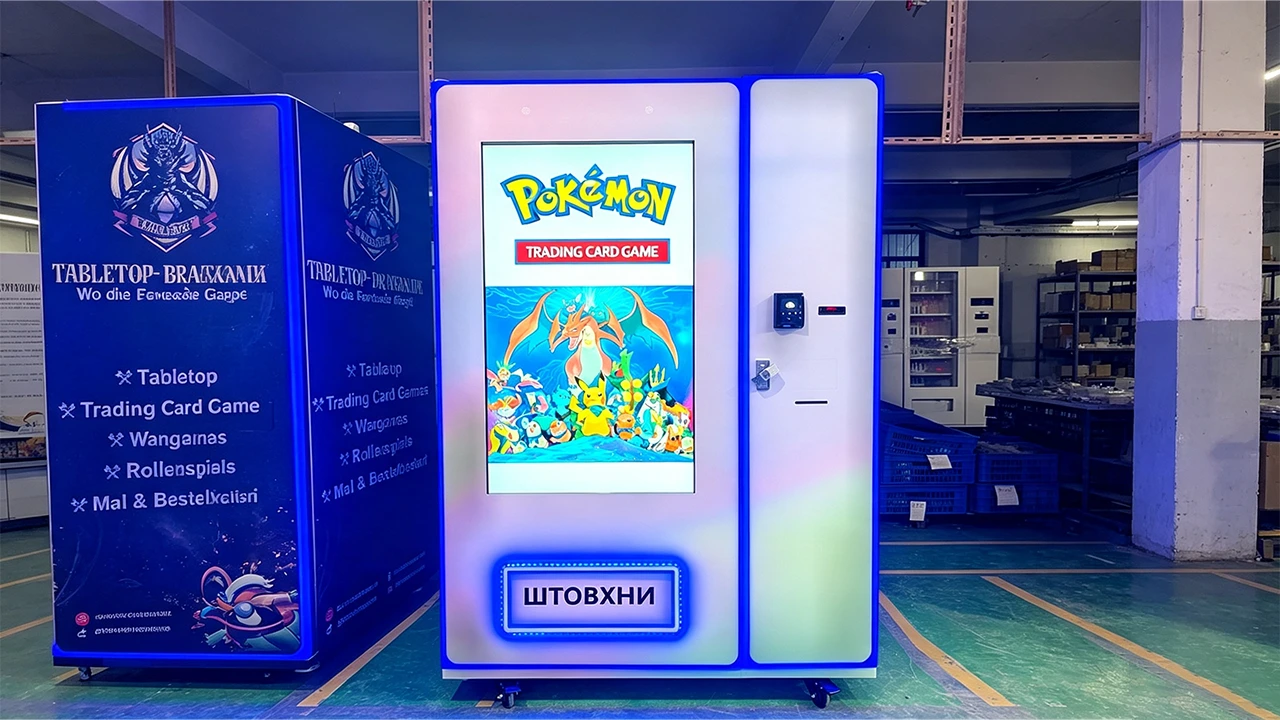
One thing many new operators overlook is the cost of repairs. I have a rule of thumb: set aside 10% of your gross revenue for maintenance. If you buy a cheap used machine, that number can easily double. A single compressor failure in a drink machine can cost $400 to $700 to fix. That wipes out months of profit from a mediocre location. This is why I recommend buying new or near-new equipment from a reputable supplier. It costs more upfront but saves you headaches and money later.
How to Evaluate a Location Before You Commit
I never place a machine without first doing a site survey. Here is my process:
- Count foot traffic. I stand at the entrance or near the break area for an hour during peak time and count how many people walk by. I look for at least 50 people per hour during peak.
- Check for competition. Is there a cafeteria, a convenience store, or another vending machine nearby? If yes, I either pass or negotiate a lower commission.
- Talk to the facility manager. I ask about employee count, shift patterns, and whether they have any plans to move or renovate. I also ask about security and cleaning schedules.
- Estimate potential sales. Based on traffic and average transaction value (usually $1.50 to $3.00), I calculate a rough monthly revenue. If it is less than $300, I usually walk away.
- Negotiate the commission. I start at 10% and never go above 20% unless the location is exceptional, like a 24-hour hospital with guaranteed high traffic.
I once ignored my own rules and placed a machine in a small office with only 30 employees. The owner promised high usage, but after three months, the machine was averaging $120 a month. I lost money on inventory spoilage and restocking trips. That mistake cost me about $800 before I moved the machine. Learn from my error: always verify traffic yourself.
Different Business Models: Buy, Lease, or Partner
There are three main ways to get into vending, and each has different implications for how much does a vending machine make on average for you personally.
Buying Your Own Machine
This is the most common model. You own the equipment, you stock it, and you keep all the profit after commissions. The downside is the upfront cost and the risk of breakdowns. For a new operator, I recommend starting with one or two machines that you can service yourself. This keeps costs low and lets you learn the business without overextending.
Leasing a Machine
Some companies offer lease-to-own programs or monthly rentals. I have seen leases for $100 to $300 per month for a new machine. This lowers the entry barrier but eats into your profit. In my experience, leasing only makes sense if you have a guaranteed high-revenue location and want to test the waters before committing to a purchase. Otherwise, buying is better long-term.
Revenue Sharing or Partnership
Some operators place machines in locations without paying commission but instead split the revenue 50/50 with the property owner. I have done this in a few cases where the location was extremely high traffic and the owner wanted a partnership. This model works well if you do not have the capital to buy machines, but it reduces your profit margin significantly. I only recommend it if you have multiple machines and can negotiate favorable terms.
Common Mistakes New Operators Make
I have made almost every mistake in the book, and I have seen hundreds of others make them too. Here are the most common ones:
- Buying the cheapest machine possible. A $500 used machine from a garage sale will cost you $1,000 in repairs within a year. I have seen it happen repeatedly.
- Ignoring cashless payments. In 2025, if your machine does not accept cards and mobile payments, you are losing 30% to 50% of potential sales. According to a study by Statista, over 60% of vending machine transactions in the US are now cashless.
- Overstocking or understocking. I used to fill every slot with the same product. Now I use sales data to adjust. A machine that sells out of water but has 20 bags of stale chips is a machine that is losing money.
- Neglecting regular cleaning and maintenance. A dirty machine looks unprofessional and can break down faster. I clean my machines every two weeks and do a full maintenance check monthly.
- Choosing a bad location because you like the owner. I have done this. It never ends well. Always base your decision on data, not friendship.
How to Choose a Vending Machine Supplier
Picking the right supplier is critical. I have bought from big brands like Crane and Wittern, but I have also worked with Chinese manufacturers like Zhongda Smart for some of my newer machines. Here is what I look for:
- Warranty and support. A good supplier offers at least a one-year warranty and has a responsive support team. I once waited three weeks for a part from a cheap supplier. Never again.
- Spare parts availability. Make sure they stock common parts like coin changers, card readers, and cooling units. If you cannot get a part in 48 hours, you lose sales.
- Telemetry and software. Modern machines need remote monitoring. I prefer suppliers that offer their own software or integrate with popular platforms like Cantaloupe or Nayax.
- Customization. Some locations require specific color schemes or branding. I have had success with suppliers that offer customization without a huge premium.
- Reputation. I check online reviews and ask other operators. I also visit trade shows like the NAMA Show to see equipment in person before buying.
For operators looking for a balance of quality and cost, I have had good experiences with Zhongda Smart. Their machines are well-built, support cashless payments out of the box, and the telemetry system is reliable. They are not the cheapest, but they are not the most expensive either. In my opinion, they offer good value for someone who wants a modern machine without the premium price of legacy brands.
Real-World Revenue Examples from My Route
To give you a clearer picture, here are three actual machines I operate and their performance over the last 12 months:
- Machine A – Located in a 24-hour hospital staff break room. Sells snacks, drinks, and sandwiches. Average monthly revenue: $1,100. Net profit after commission (15%) and costs: $220 per month. I restock twice a week.
- Machine B – Located in a small law office with 40 employees. Sells snacks and drinks. Average monthly revenue: $280. Net profit: $40 per month. I am considering moving it to a better location.
- Machine C – Located in a college dormitory lobby. Sells snacks, drinks, and personal care items. Average monthly revenue: $750. Net profit: $160 per month. Restock once a week.
These examples show the range. Machine B is barely worth the effort, but Machine A and C are solid earners. The key is to have enough machines so that the good ones cover the cost of the mediocre ones while you improve or replace them.
How Long Does It Take to Break Even?
Based on my experience, a new machine in a good location will pay for itself in 12 to 24 months. A used machine can pay back in 6 to 12 months if it is reliable and in a great spot. But if you buy a new machine and put it in a poor location, you might never break even.
Here is a simple calculation: if a machine costs $7,000 new and nets you $150 per month, it will take 47 months to break even. That is too long. I aim for a payback period of 18 months or less. That means I need a net profit of at least $390 per month from a $7,000 machine. If the location cannot deliver that, I either negotiate a lower machine price or move on.
According to data from the National Automatic Merchandising Association (NAMA), the average vending machine operator in the US sees a return on investment of 15% to 25% annually. That aligns with my experience for well-managed routes.
Scaling the Business: From One Machine to a Full Route
Once you have one machine running profitably, the temptation is to buy ten more. I advise caution. I started with one machine, then added a second after six months. It took me three years to build a route of 18 machines. The reason is that each machine requires time for restocking, cleaning, and maintenance. If you scale too fast, you end up with a collection of poorly managed machines that lose money.
I also recommend focusing on a geographic area you can cover in a single day. My route is within a 50-mile radius. If I had machines spread across two states, the travel time would eat into my profits. Efficiency matters. A well-organized route with 10 machines can be more profitable than a chaotic route with 20 machines.
Frequently Asked Questions
Is a vending machine business profitable?
Yes, but it is not passive income. You need to choose good locations, stock the right products, and maintain your equipment. A single machine can net $100 to $300 per month, but a well-run route of 10 to 20 machines can generate a solid part-time or full-time income.
How much does a vending machine cost?
A new combination machine with modern features costs $5,000 to $10,000. Used basic machines can be found for $1,000 to $3,000, but they often need repairs and upgrades. Factor in installation, inventory, and a credit card reader if the machine does not have one.
How long does it take to make money back?
In a good location, you can break even in 12 to 24 months with a new machine, or 6 to 12 months with a used machine. If the location is poor, you may never recover your investment. Always test a location with a low-cost machine first if you are unsure.
Should I buy or lease a vending machine?
Buying is better for long-term profitability. Leasing lowers the upfront cost but reduces your profit margin. I recommend buying if you have the capital and have identified a good location. Leasing can be useful for testing a new market or if you have limited funds.
Where is the best place to put a vending machine?
High-traffic locations where people are captive and need immediate refreshment. Hospitals, factories, office buildings, schools, and transportation hubs are top choices. Avoid locations with easy access to a convenience store or cafeteria.
What permits or licenses do I need?
Requirements vary by city and state. In the US, you typically need a business license, a seller's permit, and may need a health department permit if you sell perishable food. In Europe, you need to register your business and comply with local food safety regulations. Check with your local government before starting.
How do I choose a vending machine supplier?
Look for a supplier with good warranty, spare parts availability, and telemetry support. Read reviews and ask other operators. I have had good results with Zhongda Smart for new machines that offer modern features at a reasonable price. Avoid suppliers that do not offer after-sales support.
What happens if the machine breaks down?
You need to have a plan for vending machine repair. Either learn to fix common issues yourself or have a reliable technician on call. I recommend keeping spare parts like coin changers and cooling fans. Downtime means lost revenue, so quick repair is essential.
How can I reduce restocking and maintenance costs?
Use machines with telemetry so you know exactly what needs restocking. Group your machines in a small geographic area to reduce travel time. Buy reliable equipment to minimize breakdowns. I also negotiate with suppliers for bulk product discounts to lower my COGS.
Can I run a vending machine business part-time?
Yes, many operators start part-time. With 5 to 10 machines in a concentrated area, you can restock and maintain them on weekends. I started part-time while keeping my day job for the first two years. Just be prepared for occasional emergency calls when a machine malfunctions.
Final Thoughts from a Decade in the Business
The question of how much does a vending machine make on average is one I hear almost every week from new operators. The answer is always the same: it depends on you. The machine itself is a passive tool, but the business is active. You have to be willing to learn, to visit locations, to negotiate, to clean, and to fix things. If you treat it as a side hustle and put in the effort, it can be a reliable source of income. If you expect it to run itself, you will be disappointed.
I have seen people succeed with a single machine and fail with twenty. The difference is not luck; it is discipline. Focus on location, choose reliable equipment, track your numbers, and do not be afraid to move a machine if it is not performing. Over time, you will build a route that works for you. And if you ever need advice, remember that the best operators are always learning and adjusting. That is what keeps the business profitable year after year.
Disclaimer: The figures and examples in this article are based on my personal experience operating vending machines in the US and Europe. Individual results will vary based on location, machine type, product selection, and operational efficiency. Always conduct your own due diligence before investing.
- online service