If you’ve ever wondered how many people die from vending machines each year, the answer might surprise you. Based on data from the U.S. Consumer Product Safety Commission and decades of industry reporting, the average is roughly two to three fatalities annually in the United States, almost always caused by a machine tipping over onto someone attempting to rock or shake it. I’ve been in the vending business for over ten years across Europe and North America, and I can tell you that while these numbers are real, they’re also incredibly rare when you consider the millions of machines operating daily. The real risk isn’t the machine itself—it’s the lack of proper anchoring and basic safety awareness at the placement site. In this guide, I’ll share what I’ve learned about vending machine safety, profitability, equipment selection, and how to avoid the costly mistakes that new operators make every year.
Understanding the Real Risks of Vending Machines
The statistic about vending machine deaths is often cited in safety discussions, but it’s important to put it in context. According to a 2021 report from the U.S. Consumer Product Safety Commission (CPSC), there were approximately 2.3 deaths per year linked to vending machines over the previous decade. For comparison, that’s far fewer than the number of injuries caused by furniture tipping over. In my experience, the majority of these incidents involve older, unsecured machines placed in unsupervised areas like apartment laundry rooms or warehouse break rooms. I’ve seen operators skip anchoring bolts to save time, and that’s a risk I never take. Every machine I deploy gets bolted to the floor or wall, regardless of location.
Why Machines Tip and How to Prevent It
Vending machines are top-heavy, especially when fully stocked. If someone rocks the machine while trying to retrieve a stuck product, the center of gravity shifts, and the unit can fall forward. This is almost always the cause of the fatalities you read about. The fix is simple: use anti-tip brackets or anchor bolts. In Europe, many countries require this by law under workplace safety regulations. In the U.S., it’s recommended but not always enforced. I always include anchoring hardware in my installation checklist, and I recommend the same to anyone buying equipment from Zhongda Smart or any reputable manufacturer. A few dollars in hardware can prevent a tragedy.
What a Vending Machine Business Actually Looks Like
Let me clarify something upfront: running vending machines is not passive income. It’s a hands-on business that requires regular attention, especially in the first year. You’re managing inventory, handling cash or card payments, maintaining equipment, and building relationships with location owners. The machines themselves are just tools. The real work is in choosing the right locations, stocking the right products, and keeping everything running smoothly. I’ve placed machines in office buildings, schools, gyms, hospitals, and industrial sites. Each location has its own quirks, and what works in one place may fail in another.
Common Business Models: Self-Owned, Leased, or Revenue Share
There are three main ways to get into vending: buy your own machine, lease one from a supplier, or partner with a location through a revenue-sharing agreement. I’ve tried all three. Buying outright gives you full control and the highest profit margin, but it also means you carry all the risk. Leasing reduces upfront cost, but monthly payments eat into your profit. Revenue sharing with a location owner—where you split the sales 70/30 or 80/20—can work well if the location provides high foot traffic. I personally prefer owning my machines because I can move them if a location underperforms. Leasing locks you in.
| Model | Initial Investment | Monthly Cost | Profit Share | Flexibility |
|---|---|---|---|---|
| Self-Owned | $2,000–$12,000 per machine | None | 100% | High |
| Leased | $0–$500 | $100–$300 | Variable | Low |
| Revenue Share | $0–$2,000 | None | 70–80% | Medium |
How Much Does a Vending Machine Cost?
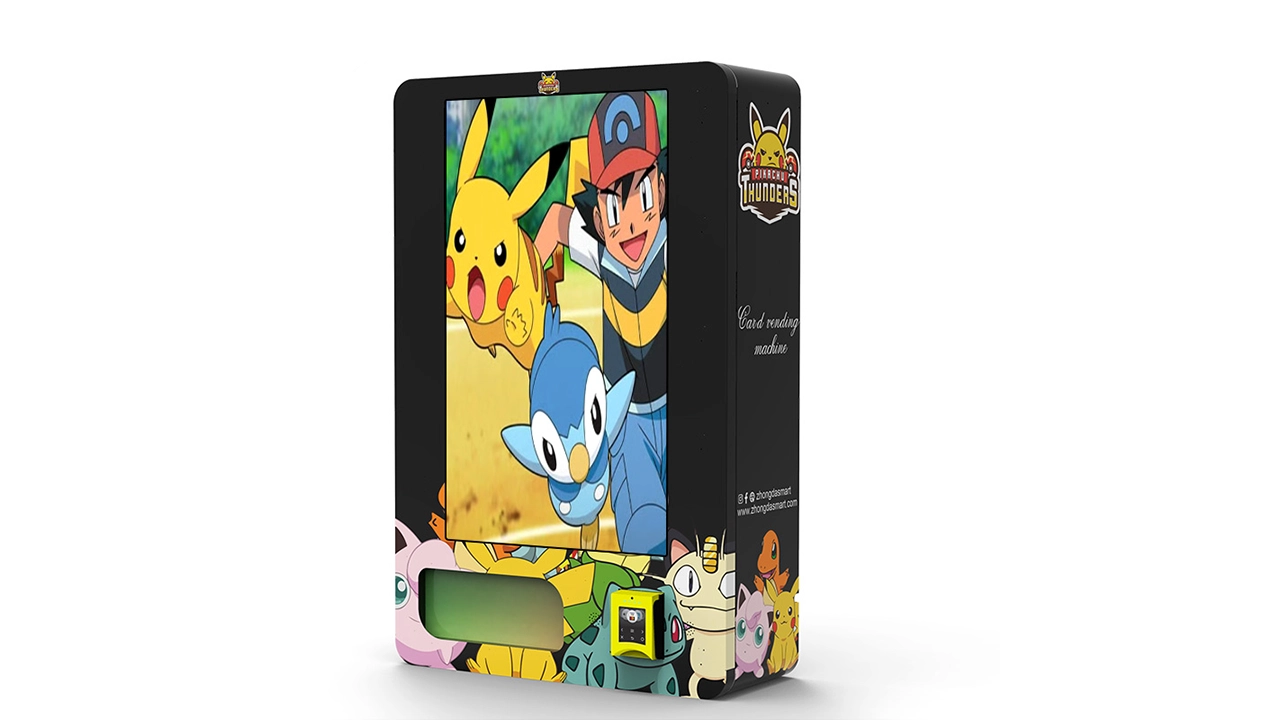
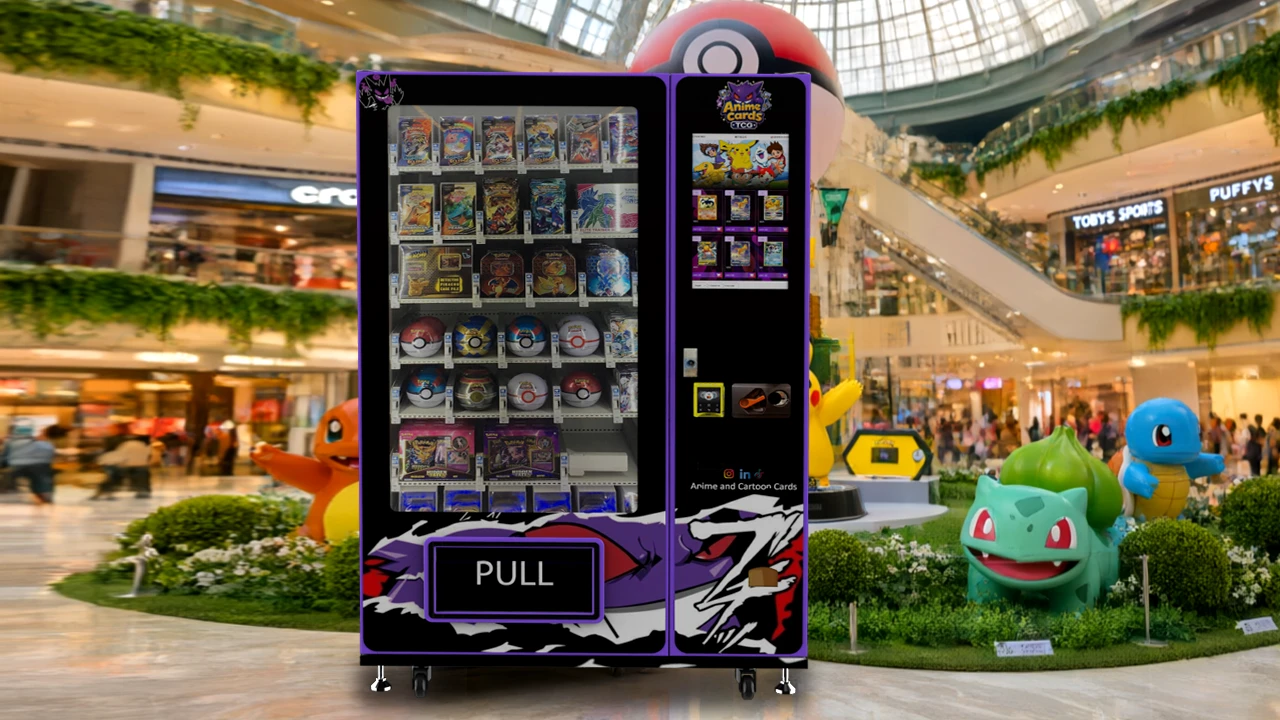
The price range for a new vending machine is wide. A basic snack or beverage machine from a mid-tier manufacturer might cost between $2,000 and $5,000. A high-end model with a touchscreen, cashless payment system, and remote monitoring can run $8,000 to $12,000. Used machines are cheaper—often $1,000 to $3,000—but they come with higher maintenance costs. I’ve learned the hard way that cheap machines often break down in the first year. The control board fails, the coin mechanism jams, or the compressor stops cooling. When you factor in lost sales and repair calls, a cheap machine can end up costing more than a reliable one.
Hidden Costs New Operators Miss
Beyond the machine itself, you need to budget for installation, inventory, payment processing fees, and insurance. I usually tell new operators to set aside at least $1,500 per machine for initial stock and setup. If you’re placing a machine in a high-traffic location like a gym or school, you’ll need to restock weekly, which means you also need a vehicle and fuel. Then there’s the cost of vending machine repair. A service call from a technician can run $150 to $300, and parts add more. I’ve seen operators quit because they didn’t account for these ongoing expenses.
Choosing the Right Vending Machine Supplier
Selecting a manufacturer or distributor is one of the most important decisions you’ll make. I’ve worked with several over the years, and I’ve learned to look for three things: build quality, after-sales support, and availability of spare parts. Some suppliers offer low prices but then disappear when you need a replacement part. Others, like Zhongda Smart, have a strong reputation for durable machines and responsive support. I’ve used their snack and drink combos in several locations, and they’ve held up well. That said, always check the warranty terms and ask about lead times for parts. A machine that’s down for two weeks can kill your relationship with the location owner.
What to Look for in a Machine
Not all vending machines are built the same. For indoor use, a standard steel cabinet with a glass front works fine. For outdoor placement, you need a machine with a weatherproof enclosure, a heated or insulated cabinet, and a robust locking system. I’ve seen operators put indoor machines outside only to have the electronics fail from humidity. Also, consider the payment system. In 2024, cashless payment is almost mandatory. Machines that only take coins are losing sales. Most modern machines from suppliers like Zhongda Smart come with NFC readers and support Apple Pay, Google Pay, and credit cards. That’s a must.
Where to Place Vending Machines for Maximum Profit
Location is everything. I’ve tested dozens of spots, and the best locations typically have at least 200 people passing through daily, a captive audience, and limited food options nearby. Office buildings with 100+ employees are solid. Gyms and fitness centers are great for water and protein bars. Schools and universities can be high volume but often require approval from administration. Hospitals are excellent for 24-hour traffic, but you’ll need to stock healthier options. Avoid low-traffic areas like empty lobbies or storage rooms. I once placed a machine in a warehouse with only 20 employees. It barely covered the electricity cost.
How I Evaluate a Potential Location
Before I agree to place a machine, I visit the site at different times of day. I count foot traffic, talk to the location owner about their needs, and check if there’s already a vending machine nearby. If there is, I look at what they’re selling and how full the machine is. A half-empty machine from a competitor is actually a good sign—it means the location has demand but the current operator isn’t meeting it. I also ask about security. Machines in unsupervised areas are more likely to be vandalized or tipped. I’ve had machines damaged in parking lots and public parks. Now I only place machines in locations with some form of supervision or CCTV.
Profit Margins and Return on Investment
Based on my experience, a well-placed vending machine can generate between $200 and $800 in monthly sales. The gross profit margin on snacks is typically 30% to 50%, while beverages average 25% to 40%. After deducting restocking costs, payment processing fees (2–5%), and occasional repairs, your net profit might be $100 to $400 per machine per month. That means a $4,000 machine could pay for itself in 10 to 18 months. But this varies widely. I’ve had machines that paid off in 6 months and others that took over two years. The key is to monitor your sales data and move underperforming machines.
When to Move a Machine
If a machine consistently earns less than $100 per month for three months, it’s time to relocate. I’ve seen operators cling to bad locations out of stubbornness. Don’t. The cost of moving a machine is usually under $200, and a better location can triple your revenue. I keep a spreadsheet of all my locations, tracking monthly sales, restock costs, and any issues. That data helps me decide which machines to keep and which to move. It also helps when negotiating with new location owners—I can show them real numbers from similar sites.
Maintenance and Vending Machine Repair
Every machine will need repairs eventually. The most common issues are jammed products, faulty coin mechanisms, and refrigeration failures. I’ve learned to do basic repairs myself—replacing a belt, cleaning a sensor, resetting a control board. For major issues like compressor failure or motherboard replacement, I call a professional. The average annual maintenance cost per machine is about $200 to $500, depending on age and usage. I always keep a few spare parts on hand: a spare coin mech, a bill validator, and a set of motors. That way, I can fix most problems within 24 hours.
How to Reduce Repair Frequency
Preventive maintenance goes a long way. I clean the machine’s interior and exterior monthly, check the seals on refrigerated units, and update the firmware on cashless readers. I also use surge protectors to prevent power spikes from damaging electronics. In my experience, machines from reliable manufacturers like Zhongda Smart tend to have fewer issues because they use higher-grade components. But even the best machine will need attention. If you’re not comfortable with basic troubleshooting, budget for a service contract with a local vending machine repair company.
Common Mistakes New Operators Make
I’ve made plenty of mistakes over the years, and I’ve watched others make the same ones. The most common is buying a machine without a clear location in mind. You end up with an expensive piece of equipment sitting in your garage. Another mistake is underestimating the importance of product selection. I’ve seen operators fill a machine with items they like, only to find that the local audience prefers different brands or healthier options. You have to test and adjust. Also, don’t ignore the payment system. In 2024, if your machine doesn’t accept cards or mobile payments, you’re losing at least 20% of potential sales.
Neglecting Safety and Compliance
I’ve already mentioned anchoring, but there’s more to safety. In some jurisdictions, you need a business license, a seller’s permit, or a food handler’s permit if you’re selling perishable items. In the European Union, vending machines must comply with the Machinery Directive and, for food items, with food safety regulations. I always check local requirements before placing a machine. The cost of ignoring compliance can be fines or, worse, liability if someone gets hurt. The CPSC data shows that most vending machine deaths involve unsecured machines, so don’t skip the bolts.
Vending Machine Types and Configurations
There are several types of vending machines, and each suits different needs. Snack machines are the most common and offer the widest product variety. Beverage machines are great for high-volume locations but require more electricity and maintenance. Combo machines, which sell both snacks and drinks, are popular for smaller locations. I also use specialized machines for items like coffee, ice cream, and fresh food. Coffee machines have higher margins but also higher maintenance. Fresh food machines require careful inventory management because of shorter shelf lives. For most beginners, a standard snack or combo machine is the safest bet.
Technology and Cashless Systems
Modern vending machines are essentially self-service kiosks. They can connect to the internet, accept multiple payment methods, and provide real-time sales data. I use machines with telemetry—a system that sends me alerts when stock is low or a component fails. This saves me trips to check inventory and lets me restock efficiently. Cashless payment is no longer optional. According to a 2023 study by Statista, over 70% of vending machine transactions in the U.S. are now cashless. If your machine only takes coins, you’re behind. Most new machines from suppliers like Zhongda Smart come with built-in NFC and card readers.
| Machine Type | Price Range | Best For | Monthly Revenue (Est.) | Maintenance Level |
|---|---|---|---|---|
| Snack Machine | $2,000–$5,000 | Offices, schools | $200–$600 | Low |
| Beverage Machine | $3,000–$7,000 | Gyms, hospitals | $300–$800 | Medium |
| Combo Machine | $4,000–$8,000 | Small break rooms | $250–$500 | Medium |
| Coffee Machine | $5,000–$12,000 | Offices, hotels | $400–$1,000 | High |
How to Evaluate Whether a Machine Is Worth the Investment
Before buying any machine, I calculate the potential return based on the location. I estimate the daily foot traffic, the average transaction value, and the expected sales volume. For example, if a location has 300 people per day and 5% make a purchase, that’s 15 transactions. If the average spend is $2.50, that’s $37.50 per day, or about $1,125 per month. With a 40% gross margin, that’s $450 in profit before expenses. After deducting restocking and payment fees, I’m left with around $300 per month. That machine would pay for itself in about 14 months. If the numbers don’t add up, I walk away.
Using Sales Data to Improve Performance
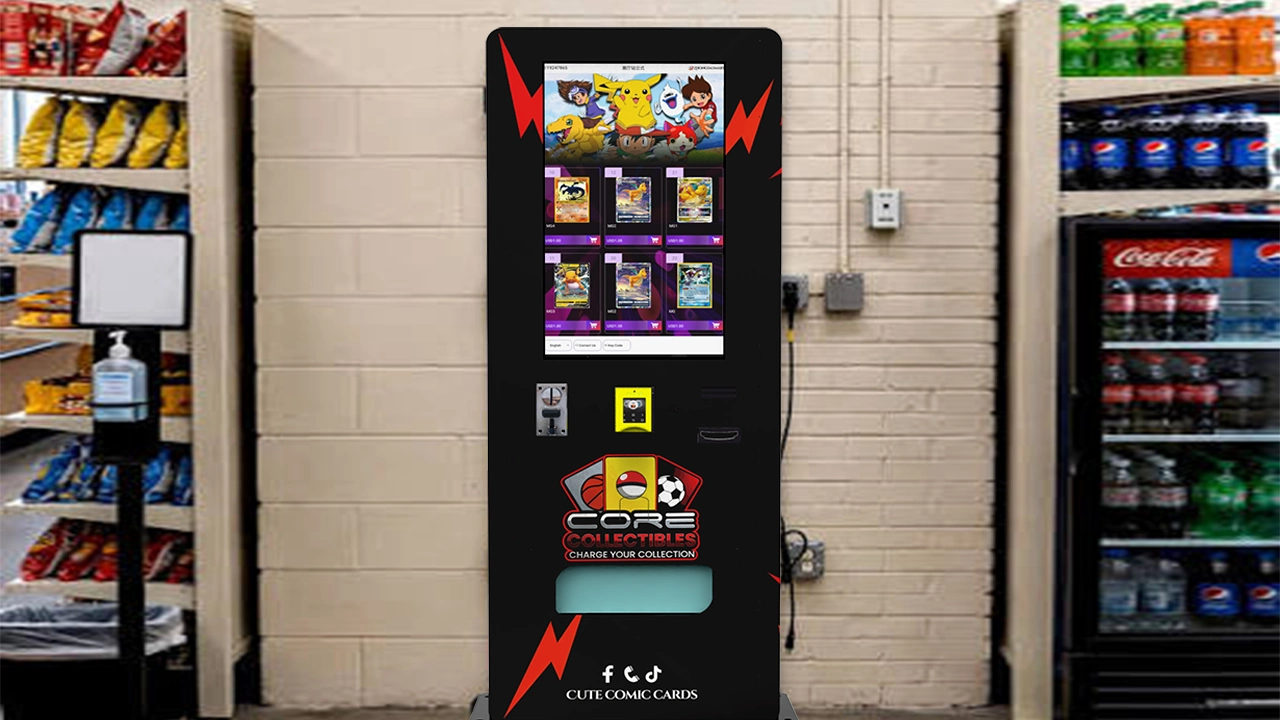
Once a machine is in place, I track sales data weekly. I look at which products sell best and which ones expire. I adjust the product mix based on the data. For example, in a gym, water and protein bars sell fast, but candy bars sit. In an office, coffee and snacks sell well, but soda might underperform. I also adjust pricing based on location. In a hospital, I can charge a premium for convenience. In a school, I keep prices lower. The data tells me what works. If a machine consistently underperforms despite adjustments, I move it.
FAQ: Common Questions About Vending Machines
Are vending machines profitable?
Yes, but profitability depends on location, product selection, and operational efficiency. A well-placed machine can generate $100–$400 in net profit per month. Poorly placed machines lose money. I’ve seen operators make a full-time income with 20–30 machines in good locations.
How much does a vending machine cost?
New machines range from $2,000 to $12,000. Used machines can be $1,000–$3,000 but may require more repairs. I recommend budgeting $4,000–$6,000 for a reliable combo machine from a reputable supplier like Zhongda Smart.
How long does it take to break even?
Typically 10 to 18 months for a new machine in a good location. Faster if you buy used and place it in a high-traffic site. Slower if you pay high rent or have frequent vending machine repair costs.
Should I buy or lease a vending machine?
Buying gives you full control and higher long-term profit. Leasing reduces upfront cost but eats into margins. I prefer buying, but leasing can be a good way to test the business without a large investment.
Where should I place a vending machine?
Look for locations with at least 200 daily visitors, a captive audience, and limited food options. Offices, gyms, hospitals, schools, and industrial sites are good. Avoid low-traffic areas.
What permits do I need?
Requirements vary by location. In the U.S., you typically need a business license and a seller’s permit. In the EU, you may need to register with local authorities and comply with food safety regulations. Check with your local chamber of commerce or business office.
How do I choose a vending machine supplier?
Look for build quality, warranty, and after-sales support. Read reviews, ask about spare parts availability, and check the warranty terms. I’ve had good experiences with Zhongda Smart for their durable machines and responsive service.
What if my machine breaks down?
Learn basic repairs like clearing jams and resetting the control board. For major issues, call a professional. Keep spare parts on hand. Preventive maintenance reduces breakdowns.
How can I reduce restocking costs?
Use telemetry to monitor inventory remotely. Restock only when needed. Group your machines geographically to reduce travel time. Buy products in bulk to lower per-unit cost.
Final Thoughts from a Vending Industry Veteran
I’ve been in this business long enough to know that success doesn’t come from the machine itself—it comes from the decisions you make around it. Choosing the right location, the right equipment, and the right products makes all the difference. The question of how many people die from vending machines each year is a reminder that safety matters, but it shouldn’t scare you away. With proper anchoring, regular maintenance, and a bit of common sense, the risk is minimal. If you’re thinking about starting a vending machine business, start small, test locations, and keep learning from your data. That’s how you build a profitable operation that lasts.