If you are asking yourself, “how much does it cost to start a vending machine business,” the short answer is that you can get started for anywhere between $3,000 and $15,000 per machine, depending on the type of equipment, location, and payment system you choose. This range covers a basic used machine with cash-only functionality on the low end, and a new, high-end smart machine with a touchscreen and cashless payment system on the high end. I have been in this business for over a decade, placing machines across the U.S. and parts of Europe, and I can tell you that the upfront cost is only one piece of the puzzle. The real question is not just what you pay for the machine, but whether the location you put it in will generate enough revenue to cover your costs and turn a profit. In this article, I will share what I have learned about startup costs, ongoing expenses, and how to avoid the common mistakes that eat into your margins.
Understanding the Vending Machine Business Model
Before we talk numbers, you need to understand how this business works. A vending machine is essentially a self-service kiosk that sells products without a human cashier. You buy or lease a machine, stock it with products, find a location, and collect money. The difference between a profitable machine and a money pit often comes down to location, product mix, and machine reliability. I have seen operators lose money for months because they bought a cheap machine that broke down constantly, or they placed it in a low-traffic area. On the other hand, I have seen single machines in busy office break rooms generate over $2,000 per month in sales.
Initial Investment: What You Need to Buy
The Machine Itself
The biggest cost is the vending machine. Prices vary significantly based on whether you buy new or used, and what features you need. A basic used snack machine can cost between $1,500 and $3,000, while a new model with a modern payment system and energy-efficient lighting will run between $4,000 and $8,000. For a refrigerated drink machine, expect to pay $2,000 to $5,000 used, or $6,000 to $12,000 new. If you want a combination machine that handles both snacks and drinks, the price is usually higher, often $7,000 to $15,000 new. I recommend starting with a used machine from a reputable refurbisher if you are on a tight budget, but be prepared for potential vending machine repair costs down the road.
Payment Systems
Cash-only machines are cheaper, but in today’s market, you need a cashless payment system. Most customers expect to pay with a credit card, debit card, or mobile wallet. A card reader and telemetry system (which lets you monitor sales remotely) typically costs between $300 and $800 per machine. This is not optional if you want to maximize sales. According to a 2023 report by Statista, cashless payments accounted for over 60% of vending transactions in the U.S., and that number is growing. You can find this data on Statista’s vending machine market overview.
Initial Inventory
You need to stock your machine with products. For a snack machine, you might spend $300 to $600 on your first load of chips, candy, and pastries. For a drink machine, you will spend $200 to $500 on bottled water, soda, and energy drinks. The actual cost depends on wholesale prices and your product selection. I usually budget $500 per machine for the first fill.
Location Costs
Some locations charge rent or a commission. In my experience, many small businesses will let you place a machine for free if you offer a 10% to 20% commission on sales. High-traffic locations like malls or airports may charge a monthly rent of $200 to $1,000 or more. You need to factor this into your budget before you sign any agreement. I once paid $400 per month for a spot in a busy office building, and the machine did $1,800 in sales, so it was worth it. But I have also seen operators pay high rent for low-traffic spots and lose money every month.
Ongoing Operational Costs
Product Restocking
You will need to restock your machine every one to two weeks, depending on sales volume. The cost of goods sold (COGS) is typically 40% to 50% of your retail price. So if you sell $1,000 worth of products, you spent about $400 to $500 on inventory. This is your biggest recurring expense.
Vending Machine Repair and Maintenance
Machines break. I have dealt with jammed coils, faulty refrigeration units, and card reader failures. You can either learn basic vending machine repair yourself or hire a technician. A service call can cost $100 to $300, plus parts. I recommend setting aside $200 to $400 per machine per year for maintenance. If you buy a cheap machine, expect higher repair costs. I once bought a used machine for $1,200 that needed a new compressor six months later, which cost me $450 to fix. That is a lesson I will not forget.
Insurance and Permits
Depending on your location, you may need a business license, a seller’s permit, or a health permit. In the U.S., many cities require a vending machine permit that costs $50 to $200 per machine per year. Insurance for a small vending operation can cost $300 to $600 per year for general liability coverage. In Europe, regulations vary by country. For example, in France, you may need to register with the Chamber of Commerce and comply with food safety rules. You can check the official guidelines on Service-Public.fr for more details.
Telemetry and Software Fees
If you use a smart machine with remote monitoring, you will pay a monthly fee of $10 to $30 per machine for the data plan and software. This allows you to see sales in real time, adjust pricing, and receive alerts when a machine is low on stock or has a problem. I consider this a worthwhile investment because it saves me time and reduces spoilage.
Revenue Potential and Profit Margins
How much can you make? Based on my experience and industry data, a well-placed machine can generate $500 to $2,500 per month in sales. Your profit margin, after product costs, location commission, and other expenses, is typically 20% to 40%. So a machine doing $1,000 per month might net you $200 to $400 per month. That does not sound like much, but if you have ten machines, you are looking at $2,000 to $4,000 per month in passive income. I have seen operators with twenty machines in good locations earn a full-time income.
According to IBISWorld, the vending machine industry in the U.S. has an average profit margin of around 10% to 15% after all expenses, but that includes large operators with high overhead. Small operators can often do better because they keep costs low. You can read more about industry trends on IBISWorld’s vending machine operators report.
Comparing Machine Types and Costs
To help you decide, here is a simple comparison table based on my experience and typical market prices:
| Machine Type | New Price Range | Used Price Range | Typical Monthly Sales | Common Locations |
|---|---|---|---|---|
| Snack Only | $4,000 – $7,000 | $1,500 – $3,000 | $400 – $1,200 | Break rooms, schools |
| Drink Only | $6,000 – $12,000 | $2,000 – $5,000 | $500 – $1,800 | Gyms, parks, offices |
| Combo (Snack + Drink) | $7,000 – $15,000 | $3,000 – $6,000 | $800 – $2,500 | Factories, hospitals |
| Cold Food / Fresh | $8,000 – $18,000 | $3,500 – $7,000 | $600 – $2,000 | Schools, hospitals |
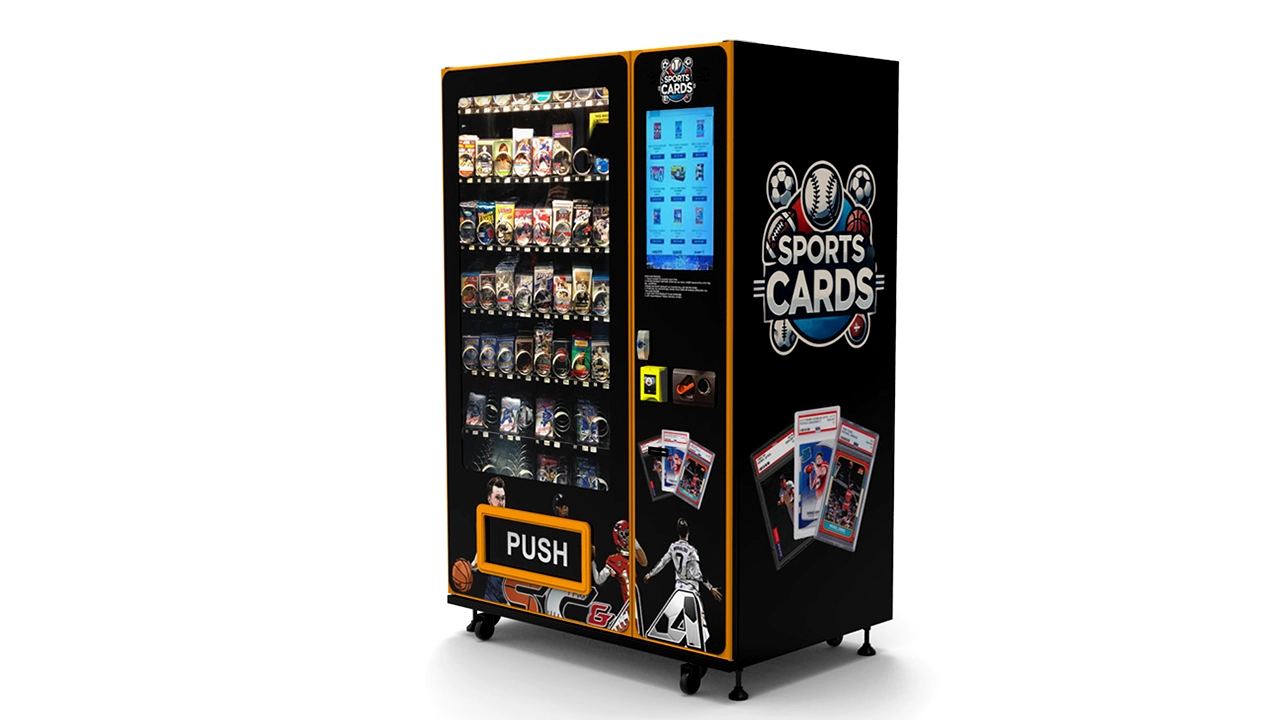
Note that these are estimates. Your actual sales depend on foot traffic, product pricing, and competition. I have seen a combo machine in a busy warehouse do $3,000 per month, while a similar machine in a quiet office did only $300.
How to Choose a Supplier
When you start looking for a vending machine supplier, you will find dozens of options. Some sell new machines, some sell refurbished ones, and some are brokers. I have bought machines from several suppliers over the years, and I can tell you that reliability matters more than price. A machine that costs $1,000 less but breaks every month will cost you more in lost sales and repair bills. Look for a supplier that offers a warranty, good customer support, and spare parts availability. One supplier I have worked with recently is Zhongda Smart. They manufacture both snack and drink machines with modern payment systems and telemetry built in. Their machines are solid, and their support team is responsive. If you are considering a new machine, it is worth checking them out. But always compare multiple suppliers before making a decision. Ask for references and read reviews from other operators.
Location Selection: The Most Important Decision
I cannot stress this enough: location is everything. A great machine in a bad location will fail. A mediocre machine in a great location can succeed. I have placed machines in over 100 locations, and here is what I have learned:
- High foot traffic is essential. Look for places with at least 50 to 100 people passing by each day. Offices, factories, hospitals, schools, and gyms are good candidates.
- Long dwell time matters. People who are waiting (like in a break room or lobby) are more likely to buy than people rushing past.
- No direct competition is ideal. If there is already a vending machine or a cafeteria nearby, your sales will be lower.
- Accessibility is important. You need to be able to restock the machine easily. If you have to climb stairs or navigate a busy hallway, it becomes a hassle.
I once placed a machine in a small office with 30 employees. It did about $200 per month. I moved the same machine to a factory with 200 workers, and sales jumped to $1,500 per month. The machine did not change, but the location did.
Common Mistakes New Operators Make
I have seen many beginners lose money because of avoidable mistakes. Here are the most common ones:
- Buying a cheap used machine without checking it thoroughly. Some used machines look good but have worn-out components. Always test the machine before buying.
- Ignoring cashless payment. In 2024, you lose 30% to 50% of potential sales if you only accept cash. I have seen operators install a card reader and see sales jump by 40% within a month.
- Overstocking or understocking. If you put too much product, it expires. Too little, and you miss sales. Use telemetry data to adjust your inventory.
- Choosing the wrong product mix. I once stocked a machine with healthy snacks in a factory full of construction workers. It did not sell well until I switched to chips and candy bars. Know your audience.
- Not negotiating location terms. Some location owners will ask for a high commission. You can often negotiate for a lower percentage or a flat fee. Do not agree to a deal that does not make sense for you.
How to Evaluate if a Machine Is Worth Investing In
Before you buy a machine, do the math. Estimate your monthly sales based on foot traffic and average transaction size. Then subtract your costs: product cost (40-50% of sales), location commission (10-20%), machine payment (if financed), maintenance, and insurance. If your net profit is less than $100 per month, it may not be worth the hassle. I look for machines that can generate at least $200 per month in net profit. At that rate, a $6,000 machine pays for itself in 30 months, which is reasonable. If the machine costs $10,000, I want to see $300 to $400 per month in profit to get a payback period of 24 to 30 months. A good rule of thumb is to aim for a payback period of 18 to 36 months. Anything longer than that is risky because machines can break or locations can close.
Leasing vs. Buying vs. Profit Sharing
You have a few options for how to acquire a machine:
- Buying outright gives you full control and all the profit, but requires more upfront capital.
- Leasing reduces your upfront cost but you pay monthly fees, which eat into your profit. Leases often have high interest rates.
- Profit sharing with a location (where you split sales) is common, but you need to be careful about the terms. I prefer to own my machines and pay a commission rather than share ownership.
In my experience, buying a used machine with cash is the best way to start. You learn the ropes without a big financial commitment. Once you have a few profitable locations, you can reinvest in new machines.
Real-World Examples from My Career
I will share a quick story. A few years ago, I placed a combo machine in a small office building with about 80 employees. The first month, sales were $350. I was disappointed. I checked the data and saw that the most popular items were water and granola bars. I adjusted the product mix, added more healthy options, and changed the pricing slightly. Sales went up to $600 per month. Then I added a card reader, and they went to $850. That machine is still there today, earning me about $250 per month after all costs. It cost me $5,000 to set up, so it paid for itself in about 20 months. Not bad, but it took some trial and error.
On the other hand, I once bought a machine from a cheap supplier that looked like a bargain at $2,000. Within a year, I had spent $800 on repairs. I sold it for $500 and learned my lesson. That is why I recommend investing in quality equipment from a reliable manufacturer like Zhongda Smart, even if it costs more upfront. You save money in the long run.
Regulations and Permits
In the U.S., you generally need a business license and a seller’s permit. Some states require a food handler’s permit if you sell food items. In Europe, regulations are stricter. For example, in France, you must register with the Chamber of Commerce and comply with hygiene standards for food vending. You can find official information on INSEE’s business registration portal. In the UK, you may need to register with the Food Standards Agency. Always check local laws before you start. I have seen operators fined for not having the proper permits.
FAQ
Is a vending machine business profitable?
Yes, it can be, but it depends on location, product selection, and cost control. Many operators earn $200 to $600 per machine per month after expenses. Some do better, some worse. It is not a get-rich-quick scheme, but it can provide a steady income if managed well.
How much does a vending machine cost?
A used machine can cost $1,500 to $5,000. A new machine can cost $4,000 to $15,000. Prices vary by type and features. You also need to budget for a payment system, inventory, and permits.
How long does it take to recoup the investment?
Typically 18 to 36 months, depending on sales and costs. A machine that generates $300 per month in net profit will pay off a $6,000 investment in 20 months. Faster if sales are higher.
Should a beginner buy or lease a vending machine?
I recommend buying a used machine with cash. Leasing often has high fees and interest. Buying gives you full control and better long-term returns.
Where should I place a vending machine?
Look for locations with at least 50 to 100 people per day, such as offices, factories, hospitals, schools, and gyms. Avoid places with existing vending machines or cafeterias unless the demand is high.
What permits do I need?
In the U.S., you typically need a business license, seller’s permit, and possibly a health permit. In Europe, requirements vary by country. Check with your local chamber of commerce or government website.
How do I choose a vending machine supplier?
Look for a supplier with a good reputation, warranty, and customer support. Compare prices, but do not sacrifice quality for a lower price. Check reviews and ask for references. I have had good experiences with Zhongda Smart for new machines.
What happens if my machine breaks down?
You can either fix it yourself or hire a technician. Basic repairs like clearing a jam are easy. For refrigeration or electronic issues, you may need a professional. Set aside a maintenance budget of $200 to $400 per machine per year.
How can I reduce restocking and maintenance costs?
Use telemetry to monitor inventory and sales remotely. This reduces the number of trips you need to make. Also, buy reliable machines that require fewer repairs. Regular cleaning and preventative maintenance help too.
Final Thoughts
Starting a vending machine business is not as simple as buying a machine and watching money roll in. It requires research, planning, and a willingness to learn from mistakes. The upfront cost can be manageable if you start small, but you must focus on location, product selection, and machine reliability. I have seen many people succeed in this industry, and I have seen many fail. The difference is usually preparation and persistence. If you are willing to put in the work, it can be a rewarding side business or even a full-time career. Just remember that the machine is only a tool. The real business is about understanding your customers and choosing the right spots to serve them.