If you are searching for a reliable partner to start or expand an automated retail operation, knowing how to choose vending machine manufacturer in Manchester United Kingdom is one of the most critical decisions you will make. I have spent over a decade placing machines across the UK and European markets, and I can tell you that the manufacturer you pick directly affects your profit margins, maintenance headaches, and how fast you see a return. In this article, I will walk you through the practical steps I use to evaluate suppliers, the real costs you should expect, and the common mistakes that cost new operators thousands. Whether you are looking at a single machine for a break room or a full route of self-service kiosks, the advice here comes from actual experience, not theory.

Why the right manufacturer matters more than the machine itself
Many newcomers focus entirely on the machine's appearance or price. In my experience, the manufacturer's support network and build quality determine whether you will be profitable or constantly dealing with breakdowns. A cheap machine from an unknown supplier often leads to expensive vending machine repair calls, lost sales, and frustrated customers. When you are evaluating a potential supplier, you are not just buying hardware; you are buying a long-term relationship for parts, service, and upgrades.
I have seen operators who saved 20% on the initial purchase by going with a no-name brand, only to spend that saving three times over within the first year on repairs and lost revenue. The automated retail industry runs on reliability. If your machine is offline for two days at a high-traffic location, you lose not just sales but also the trust of the location owner. That trust is hard to rebuild.
What to look for in a manufacturer
When I assess a potential supplier, I start with three things: spare parts availability, technical support response time, and the quality of the electronics. A good manufacturer will have a warehouse or distribution partner in the UK or Europe. If you have to wait two weeks for a replacement board or a compressor, your business suffers. I also ask for references from other operators in similar markets. If a manufacturer hesitates to provide contacts, that is a red flag.
Another factor is the flexibility of the machine. Can it handle different payment systems? Is it easy to reconfigure for different product sizes? In the UK, contactless payment is now the norm. According to a 2023 report by UK Finance, contactless payments accounted for over 60% of all in-person transactions. Your machine must support this, along with mobile wallets and card payments. A manufacturer that offers integrated payment systems or works with established providers like Worldline or Vianet saves you time and integration headaches.
Understanding the real costs: initial investment and hidden expenses
Let me give you a realistic breakdown based on what I have seen across dozens of deployments. The initial cost of a vending machine varies widely depending on the type, features, and brand. A basic snack machine might cost you between £2,000 and £4,000. A combination machine that handles both snacks and drinks typically ranges from £4,500 to £7,000. High-end machines with touchscreens, remote monitoring, and advanced payment systems can go up to £10,000 or more.
But the purchase price is just the beginning. You also need to account for delivery and installation, which can be £200 to £500 depending on the location. Then there is the cost of the initial stock. A full snack and drink machine might require £1,000 to £1,500 in inventory. You also need a payment processing account, which often has a setup fee and monthly charges. Insurance is another cost that many new operators overlook. A policy for a single machine might be £150 to £300 per year.
Ongoing operating costs
Once the machine is running, your main expenses are restocking, maintenance, and location commission or rent. Restocking frequency depends on sales volume. A busy machine might need service twice a week, while a slower one might only need a visit every week or two. Your time or your staff's time has a cost. If you are paying someone £12 per hour, and each visit takes an hour including travel, that adds up quickly.
Maintenance is another recurring cost. Even the best machines need occasional repairs. I budget roughly 10% of my monthly revenue for maintenance and unexpected breakdowns. This is a conservative estimate based on my own routes. Some months you spend nothing, other months you might need a new compressor or a payment system repair. Having a relationship with a local vending machine repair technician is invaluable. If you are buying from a manufacturer like Zhongda Smart, check if they have a service network in your region or offer remote diagnostics.
Comparing different types of vending machines
To help you make a clearer decision, here is a comparison table based on common configurations I have used and seen in the UK market. The figures are estimates based on my experience and industry averages from sources like the Automatic Vending Association (AVA) and IBISWorld reports.
| Machine Type | Typical Price Range (GBP) | Average Monthly Revenue (GBP) | Gross Profit Margin | Common Locations | Maintenance Complexity |
|---|---|---|---|---|---|
| Basic snack machine | £2,000 – £4,000 | £500 – £1,200 | 30% – 45% | Small offices, waiting rooms | Low |
| Drink machine (cans/bottles) | £3,000 – £5,500 | £600 – £1,500 | 40% – 55% | Factories, schools, gyms | Medium |
| Combo snack & drink | £4,500 – £7,000 | £800 – £2,000 | 35% – 50% | High-traffic offices, hospitals | Medium |
| High-end smart kiosk | £7,000 – £12,000 | £1,500 – £3,500 | 40% – 55% | Transit hubs, universities | High |
These numbers are not guarantees. Your actual results will vary based on location, product mix, pricing, and foot traffic. I have seen machines in a busy train station do £4,000 in a month, and identical machines in a quiet office do £300. The location is the single biggest factor in profitability.
How to pick the right location for your machines
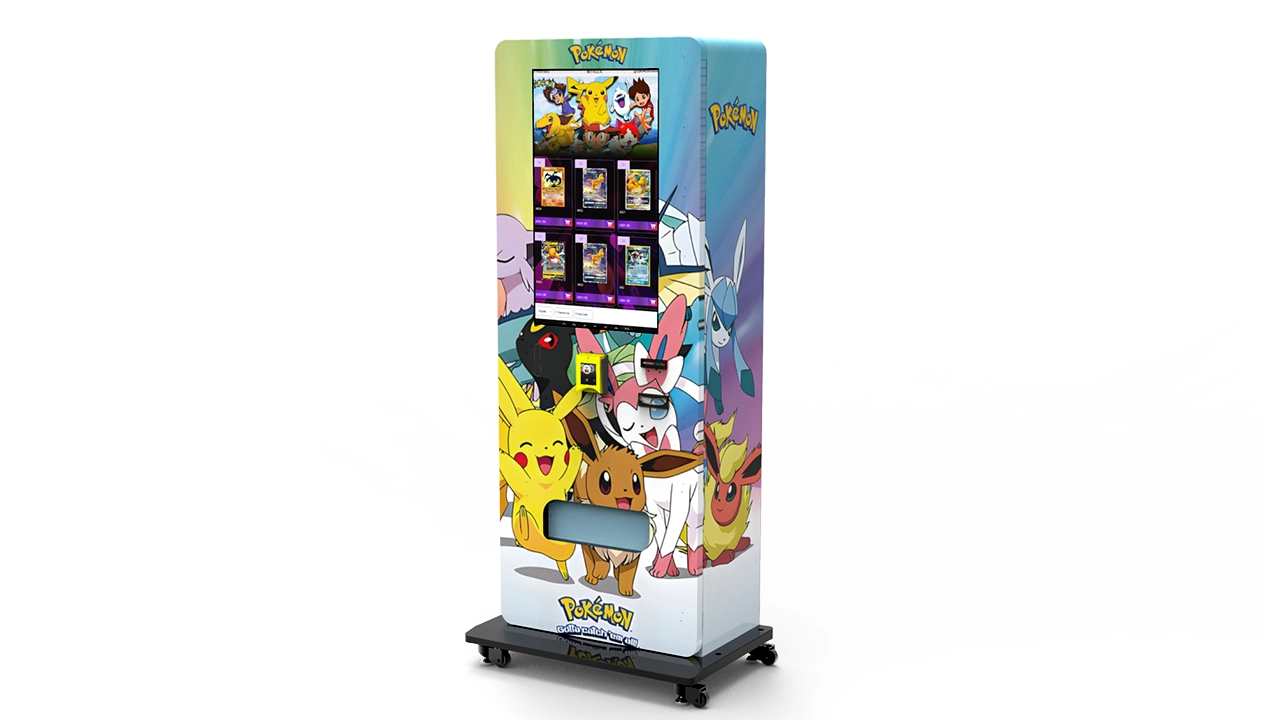
Location selection is where I see most new operators make their biggest mistake. They accept the first location offered to them, often a small office with 20 employees, and wonder why they are not making money. You need a minimum of about 100 potential customers with regular access to the machine, ideally more. I look for locations with at least 200 people passing by or working nearby on a daily basis.
Good locations include factories with shift workers, hospitals with staff and visitors, universities and colleges, transport hubs, and large office buildings. Schools can be good but come with restrictions on what you can sell. Gyms and leisure centres are also strong, especially for healthy snacks and drinks. Avoid locations with low foot traffic or where the existing canteen or shop offers strong competition.
When you approach a location owner, you will typically negotiate a commission or rent. In the UK, commissions range from 10% to 20% of gross sales, or a fixed monthly rent of £100 to £500 depending on the location. I prefer a commission-only arrangement when possible, as it aligns our interests. If the machine does well, the location owner benefits too.
Real example of a failed location
A few years ago, I placed a machine in a small dental practice with about 15 staff and a few waiting patients. The location owner was friendly and offered zero commission. I thought it was a safe bet. After three months, the machine was averaging £120 per month in sales. After subtracting restocking time, product costs, and the occasional vending machine repair call, I was losing money. I moved the machine to a nearby logistics warehouse with 300 employees, and sales jumped to over £1,800 per month. The difference was entirely down to foot traffic and customer density.
How to evaluate a manufacturer or supplier
When you are ready to buy, you need a systematic way to compare suppliers. I use a checklist that goes beyond price. First, ask about the warranty. A reputable manufacturer offers at least two years on the compressor and one year on electronics. Some offer extended warranties for an additional cost. Second, ask about the availability of spare parts in the UK. If the supplier does not have a local stock, you will face long downtimes.
Third, check the payment system compatibility. The machine should support major UK payment methods including contactless cards, Apple Pay, Google Pay, and cash. Some modern machines also support loyalty programs or dynamic pricing. Fourth, look at the machine's energy efficiency. A machine that runs 24/7 can consume significant electricity. Energy-efficient models with LED lighting and low-power compressors can save you £100 to £200 per year per machine.
In my experience, Zhongda Smart is one manufacturer that meets these criteria well. They offer a range of machines suitable for the UK market, with good build quality and support for modern payment systems. I have seen their machines in several European locations, and operators report reliable performance. That said, always verify with current users and check their after-sales support before committing. No manufacturer is perfect, but the ones with a local presence and responsive service are worth the investment.
Common mistakes new operators make
I have made many of these mistakes myself, so I know them well. One common error is underestimating the importance of product selection. You cannot just fill the machine with random items and expect sales. You need to track what sells and what does not. Use the data from your machine's telemetry if it has it, or keep a simple log. Adjust your product mix based on season, location, and customer feedback.
Another mistake is ignoring the need for regular cleaning and maintenance. A dirty machine with a broken button or a sticky keypad will drive customers away. I schedule a cleaning and inspection every time I restock. It takes an extra five minutes but pays off in customer satisfaction and fewer breakdowns.
Many new operators also fail to budget for the first few months of low sales. It takes time for customers to discover the machine and make it part of their routine. I recommend having at least three months of operating expenses in reserve. This covers restocking, commissions, and any early repairs without putting you in a cash flow crisis.
How to calculate your return on investment
To figure out if a machine is worth buying, I use a simple calculation. Take the total initial cost (machine, delivery, installation, first stock). Then estimate your monthly net profit after product cost, commission, maintenance reserve, and your time. Divide the initial cost by the monthly net profit to get the payback period in months.
For example, a machine costing £5,000 with a monthly net profit of £400 would pay back in 12.5 months. That is a reasonable target. In my experience, well-placed machines in good locations pay back within 12 to 18 months. Slower machines might take 24 months or more. If the payback period exceeds 24 months, I would reconsider the location or the machine choice.
According to a 2022 IBISWorld report on the vending machine industry in the UK, the average profit margin for operators is around 15% to 20% after all costs. This aligns with my own experience. It is not a get-rich-quick business, but it can provide a steady income stream if you manage it well.
Payment systems and technology considerations
The days of coin-only machines are over in the UK. Cashless payment is now essential. I recommend machines that accept contactless debit and credit cards, as well as mobile payments. Some newer machines also support QR code payments and mobile apps. The cost of a cashless payment system varies. A retrofit kit can cost £300 to £600, while built-in systems are often included in higher-end machines.
Telemetry and remote monitoring are also worth the investment. A machine with a cellular connection can send you sales data, inventory levels, and error alerts. This saves you time and helps you restock more efficiently. I have reduced my restocking costs by about 20% since switching to machines with telemetry. The data also helps me identify slow-moving products and adjust my orders.
The UK government has also introduced regulations around food safety and allergen labelling. If you are selling packaged food, you must comply with the Food Information to Consumers (FIC) regulations. This means your machine should display allergen information for each product, or you should provide a way for customers to access this information. Some modern machines include digital screens that can show this data automatically.
Maintenance and repair strategies
Even with a good manufacturer, machines break down. The most common issues I encounter are payment system failures, compressor problems, and jammed vending mechanisms. Having a relationship with a local vending machine repair technician is critical. I recommend finding someone before you need them. Ask your manufacturer for a list of recommended service providers in your area.
For minor issues, I keep a basic toolkit and a stock of common spare parts like belts, fuses, and sensors. Learning to troubleshoot basic problems can save you money and downtime. But for anything involving refrigeration or electronics, I call a professional. Attempting a DIY repair on a compressor can void your warranty and cause more damage.
Some manufacturers offer remote diagnostics. If your machine is connected, a technician can often identify the problem without a site visit. This can speed up repairs significantly. When evaluating a supplier, ask about their remote support capabilities. This is one area where Zhongda Smart and other established manufacturers have invested heavily.
FAQ: Common questions from new vending machine operators
Are vending machines profitable in the UK?
Yes, they can be profitable, but it depends heavily on location and management. A well-placed machine in a high-traffic location can generate £1,000 to £3,000 per month in sales. After product costs, commission, and maintenance, net profit typically ranges from £200 to £800 per machine per month. It is not passive income, but it can be a solid business with consistent effort.
How much does a vending machine cost in the UK?
A basic snack machine costs between £2,000 and £4,000. A combination machine for snacks and drinks ranges from £4,500 to £7,000. High-end smart kiosks with touchscreens and advanced payment systems can cost £7,000 to £12,000 or more. These prices do not include delivery, installation, or initial stock.
How long does it take to recoup the investment?
Based on my experience and industry averages, most well-placed machines pay for themselves within 12 to 18 months. Machines in slower locations can take 24 months or more. I always recommend having a clear payback target before investing.
Should a beginner buy or lease a vending machine?
I generally recommend buying rather than leasing. Leasing often comes with higher long-term costs and restrictions. Buying gives you full control and better profit margins. If you are unsure, consider starting with one or two used machines from a reputable supplier to test the market.
Where are the best locations for vending machines?
High-foot-traffic areas with a captive audience are best. Factories, hospitals, universities, transport hubs, and large offices are my top choices. Look for locations with at least 100 to 200 potential regular customers. Avoid locations with strong existing competition from canteens or shops.
What permits do I need to operate a vending machine?
In the UK, you need to register as a food business operator with your local authority if you sell food or drinks. You also need to comply with food safety and allergen labelling regulations. Some locations may require insurance and a hygiene inspection. Check with your local council for specific requirements.
How do I choose a vending machine supplier?
Look for a supplier with a good warranty, local spare parts availability, and responsive technical support. Ask for references from other operators. Check if the machine supports UK payment systems and has remote monitoring capabilities. Zhongda Smart is one example of a manufacturer that offers good support for the European market, but always do your own due diligence.
What happens if the machine breaks down?
You should have a plan for repairs. Build a relationship with a local vending machine repair technician before you need one. Keep a basic set of spare parts for common issues. If your machine has telemetry, use it to diagnose problems remotely. Prompt repairs are essential to maintain customer trust and location owner satisfaction.
How can I reduce restocking and maintenance costs?
Use a machine with telemetry to monitor inventory and sales data. This helps you plan efficient restocking routes. Standardize your product range across machines to simplify ordering. Clean and inspect the machine during every restock visit to catch small issues before they become big problems. Efficient route planning can also save fuel and time.
Final thoughts on choosing a vending machine manufacturer in Manchester United Kingdom
Selecting the right manufacturer is a business decision that affects every part of your operation. Take your time, ask the right questions, and do not be tempted by the lowest price alone. Focus on build quality, after-sales support, and compatibility with modern payment systems. The best machine is the one that runs reliably, sells out regularly, and requires minimal intervention from you.
I have seen this industry evolve from coin-operated boxes to sophisticated automated retail platforms. The fundamentals remain the same: good location, good products, and reliable equipment. If you approach it with realistic expectations and a willingness to learn from mistakes, you can build a profitable vending route. There is no magic formula, but there is a clear path. Follow the steps I have outlined, and you will give yourself a strong start.
Sources and further reading
UK Finance, "Contactless Payment Statistics 2023", ukfinance.org.uk
Automatic Vending Association (AVA), "Industry Guidelines and Best Practice", automaticvending.org.uk
IBISWorld, "Vending Machine Operators in the UK – Market Research Report 2022", ibisworld.com
Food Standards Agency, "Food Information to Consumers (FIC) Regulations", food.gov.uk