After more than a decade running vending machine routes across the US and Europe, I can tell you the single question I hear most often is whether this business actually makes money. The short answer is yes, but only if you understand the vending machine business model inside out before you buy your first machine. Too many newcomers assume you just place a machine, fill it with snacks, and watch the cash roll in. In reality, success comes down to site selection, machine type, payment systems, maintenance discipline, and a realistic understanding of costs and return timelines. This article breaks down everything I have learned from operating hundreds of machines in different markets, so you can decide if automated retail is the right move for you.
What the Vending Machine Business Model Actually Looks Like
The vending machine business model is straightforward in theory but demanding in practice. You purchase or lease a self-service kiosk, stock it with products, place it in a high-traffic location, and collect revenue from sales. Your profit is the difference between what you sell and what you pay for the product, minus location fees, maintenance, and restocking labor. The simplicity attracts a lot of people. The operational reality filters out most of them within the first year.
In my experience, the most profitable machines are not the ones with the fanciest screens or the largest product selections. They are the ones placed in locations where people need convenience and have no alternative within walking distance. Office break rooms, hospital waiting areas, industrial warehouses, and college dormitories consistently outperform public spaces like malls or street corners, where foot traffic is high but competition is fierce.
One key difference between the US and European markets is payment infrastructure. In the US, cash has been declining for years, but many machines still accept it. In Europe, especially in France and Germany, contactless payment and mobile wallets have become the standard. If you are entering the European market, a machine that only accepts coins will lose you business. I have seen operators pull machines from good locations simply because they refused to upgrade their payment terminals.
Is a Vending Machine Business Profitable? Real Numbers from the Field
Profitability depends on three variables: location, product margin, and operating efficiency. Based on my own route data and discussions with operators across Europe, a well-placed machine in a mid-traffic location typically generates between €300 and €800 in monthly revenue. High-traffic locations like hospital staff canteens or factory floors can push that number above €1,200 per month. But revenue is not profit.
Gross margins on vending products range from 25% to 40%, depending on what you sell. Snacks and candy bars sit at the lower end. Cold drinks, especially branded sodas and energy drinks, often deliver better margins. Healthy snacks, protein bars, and premium coffee can push margins above 45%. The trick is balancing margin with turnover. A high-margin product that sits on the shelf for three weeks is worse than a lower-margin product that sells out every three days.
According to a 2023 report by IBISWorld, the average vending machine operator in the US earns a net profit margin of around 12% after all costs. In Europe, margins tend to be slightly lower due to higher location fees and stricter food safety regulations. I have found that a realistic net profit for a single machine in a good location is between €100 and €300 per month. That means a €4,000 machine takes roughly 18 to 24 months to pay back, assuming no major repair costs during that period.
Upfront Costs: What You Really Need to Budget For
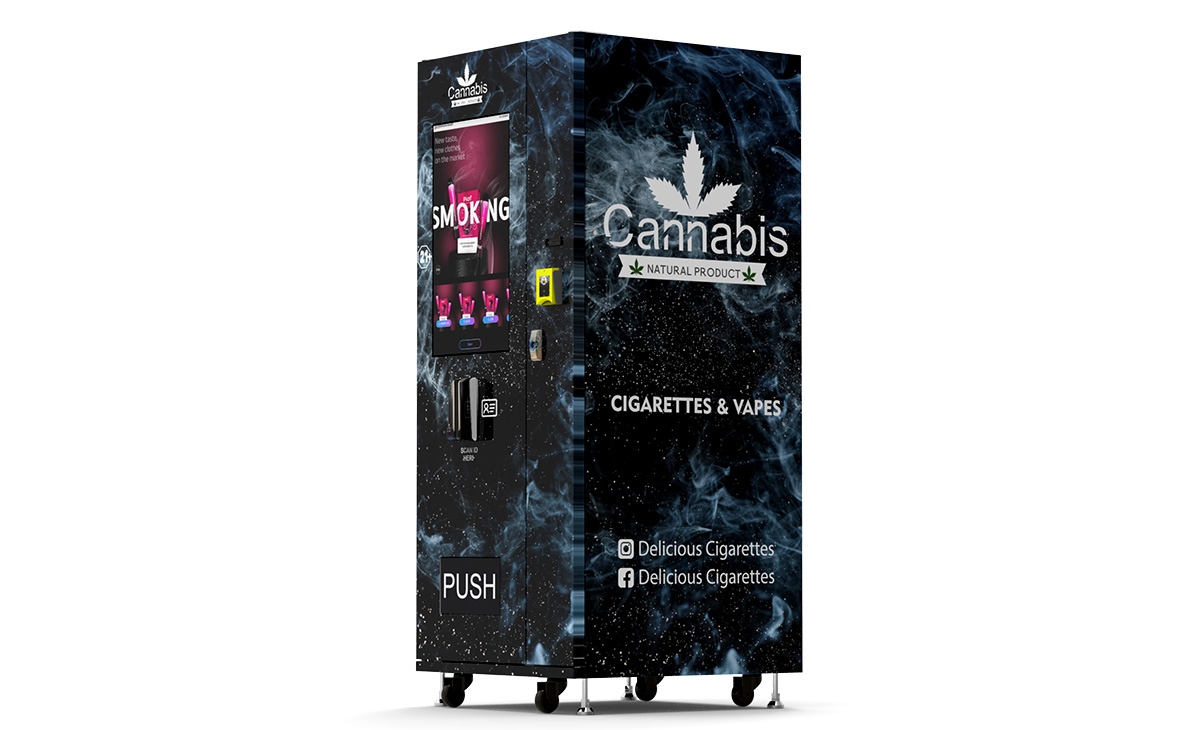
The cost of a new vending machine varies wildly depending on the type, size, and features. A basic snack and drink combo machine from a reputable manufacturer like Zhongda Smart starts at around €3,500 for a mid-range model. A high-end machine with a large touchscreen, cashless payment, and telemetry can cost €7,000 or more. Used machines are cheaper, often €1,500 to €2,500, but they come with higher maintenance risks and older payment systems that may not support modern payment methods.
Beyond the machine itself, you need to budget for installation, delivery, and initial stock. Delivery and setup typically run €200 to €500 depending on distance and access. Initial inventory for a full machine costs between €400 and €800. If you are leasing a location, expect to pay a monthly commission of 10% to 20% of gross sales, or a fixed monthly rent of €50 to €200. Some locations ask for both.
One cost that beginners consistently underestimate is payment system integration. A modern cashless payment terminal adds €300 to €600 to the machine cost. If you are operating in Europe, you also need to comply with local tax reporting requirements, which may require specific software. I have seen operators lose weeks of sales because their payment processor was not compatible with the machine's control board.
Site Selection: The Single Most Important Decision You Will Make
I have placed machines in over 200 locations across three countries. The difference between a good site and a bad site is not always obvious from a quick walkthrough. A busy supermarket entrance might seem ideal, but if the store itself sells drinks and snacks at lower prices, your machine will sit idle. A small auto repair shop with twenty employees and no break room can outperform a shopping center with thousands of daily visitors.
Here is what I look for when evaluating a potential location:
- Captive audience: People who cannot easily leave the building to buy food or drinks. Offices, factories, hospitals, and schools are prime examples.
- Foot traffic with intent: Not just people walking by, but people who are likely to be hungry, thirsty, or in need of a quick purchase. Gym locker rooms, dormitory lobbies, and warehouse break areas work well.
- Low competition: No other vending machines or convenience stores within a five-minute walk. If there is a staff canteen or a coffee shop nearby, your machine will struggle.
- Security and power: The location must have reliable electricity, reasonable lighting, and low risk of vandalism. I have lost machines to theft and damage in poorly monitored public spaces.
- Access for restocking: You need to be able to reach the machine easily for weekly or biweekly restocking. A machine in a locked building with restricted hours will drain your time and patience.
According to a study by the European Vending Association (EVA), the average vending machine in Europe is restocked every 7 to 10 days. In high-traffic locations, that frequency can drop to 3 to 4 days. If you are running multiple machines, restocking efficiency becomes a major factor in profitability. A machine that requires a 45-minute drive each way for a €200 restock is not worth keeping.
Equipment Selection: What Works and What Does Not
Not all vending machines are built the same. I have used equipment from half a dozen manufacturers over the years, and the differences in reliability, serviceability, and user experience are significant. Here is a quick comparison based on my experience:
| Machine Type | Initial Cost (New) | Monthly Revenue Range | Maintenance Frequency | Best Use Case |
|---|---|---|---|---|
| Basic snack & drink combo | €3,000 - €5,000 | €300 - €800 | Every 3-4 months | Small offices, break rooms |
| Glass-front merchandiser | €4,500 - €7,000 | €500 - €1,200 | Every 2-3 months | High-traffic public areas |
| Cold drink machine | €3,500 - €6,000 | €400 - €1,000 | Every 4-6 months | Gyms, schools, factories |
| Healthy snack / fresh food | €5,000 - €8,000 | €600 - €1,500 | Every 1-2 months | Hospitals, corporate wellness |
| High-end touchscreen kiosk | €7,000 - €12,000 | €800 - €2,000 | Every 1-2 months | Premium locations, airports |
The table above reflects my own operational data and discussions with other operators in Germany, France, and the UK. The high-end kiosks generate more revenue but also require more frequent maintenance and higher upfront investment. For a first-time operator, I recommend starting with a reliable mid-range combo machine from a supplier with good after-sales support. Zhongda Smart offers solid machines in that range, and their European service network is better than most Chinese manufacturers I have dealt with.
Payment Systems and the Shift to Cashless
The payment system is the most overlooked component of a vending machine. I have seen operators spend thousands on a beautiful machine and then install a coin mechanism that fails within six months. In 2024, a machine without cashless payment is a machine that loses sales. According to data from Statista, cashless payments accounted for over 60% of vending machine transactions in Western Europe in 2023. That number is rising every year.
When choosing a payment system, look for compatibility with major card networks, mobile wallets like Apple Pay and Google Pay, and local payment apps such as Twint in Switzerland or Bancontact in Belgium. Some payment terminals also support contactless and chip-and-PIN, which is essential in markets like France where card usage is dominant.
Telemetry systems are another underrated investment. A machine with remote monitoring lets you see inventory levels, sales data, and error codes from your phone. This saves hours of wasted trips to machines that are fully stocked or broken. The cost of adding telemetry is usually €200 to €500, but it pays for itself within a few months by reducing restocking frequency and improving route efficiency.
Maintenance and Repair: What Every Operator Needs to Know
Vending machine repair is inevitable. The question is not whether a machine will break, but how quickly you can fix it. The most common issues are jammed product spirals, faulty coin mechanisms, and refrigeration failures. In my experience, refrigeration problems account for about 40% of all service calls, especially in machines that are placed outdoors or in uninsulated spaces.
If you are running a small route of 5 to 10 machines, you can handle basic repairs yourself with a few tools and spare parts. For more complex issues, you need a reliable vending machine repair technician. In Europe, independent technicians charge between €50 and €100 per hour, plus travel time. A service contract with a local repair company typically costs €200 to €400 per year per machine, depending on coverage.
One mistake I made early on was buying a machine from a manufacturer with no local service network. When the refrigeration unit failed, I had to wait three weeks for a replacement part to arrive from China. That machine sat idle for a month, losing revenue and damaging my relationship with the location owner. Now I only buy from suppliers who have a service presence in Europe or who can ship spare parts within 48 hours. Zhongda Smart has improved their European logistics in recent years, and I have had good results with their spare parts availability.
Common Mistakes New Operators Make
I have made most of the mistakes in this business, and I have watched countless newcomers repeat them. Here are the ones that cost the most money:
- Overpaying for a machine. New operators often buy the most expensive machine they can afford, thinking it will generate more sales. In reality, a mid-range machine in a good location outperforms a premium machine in a mediocre location every time.
- Ignoring location contracts. Verbal agreements with location owners are a recipe for disaster. Always get a written contract that covers commission, access hours, and termination terms. I have lost locations because the owner decided to install their own machine after I had invested in the setup.
- Stocking the wrong products. I once stocked a machine in a German office with American candy bars that nobody recognized. Sales were terrible until I switched to local brands. You need to adapt your product mix to the location and the local taste.
- Neglecting cleanliness. A dirty machine is a machine that stops selling. Wipe down the exterior, clean the glass, and remove expired products every time you restock. This is basic but often ignored.
- Underestimating the time commitment. Restocking, maintenance, and route planning take more time than most people expect. A single machine might only need two hours per week, but a route of twenty machines can easily consume 15 to 20 hours, plus driving time.
How to Evaluate a Machine Before You Buy
Before you commit to any machine, ask yourself these questions:
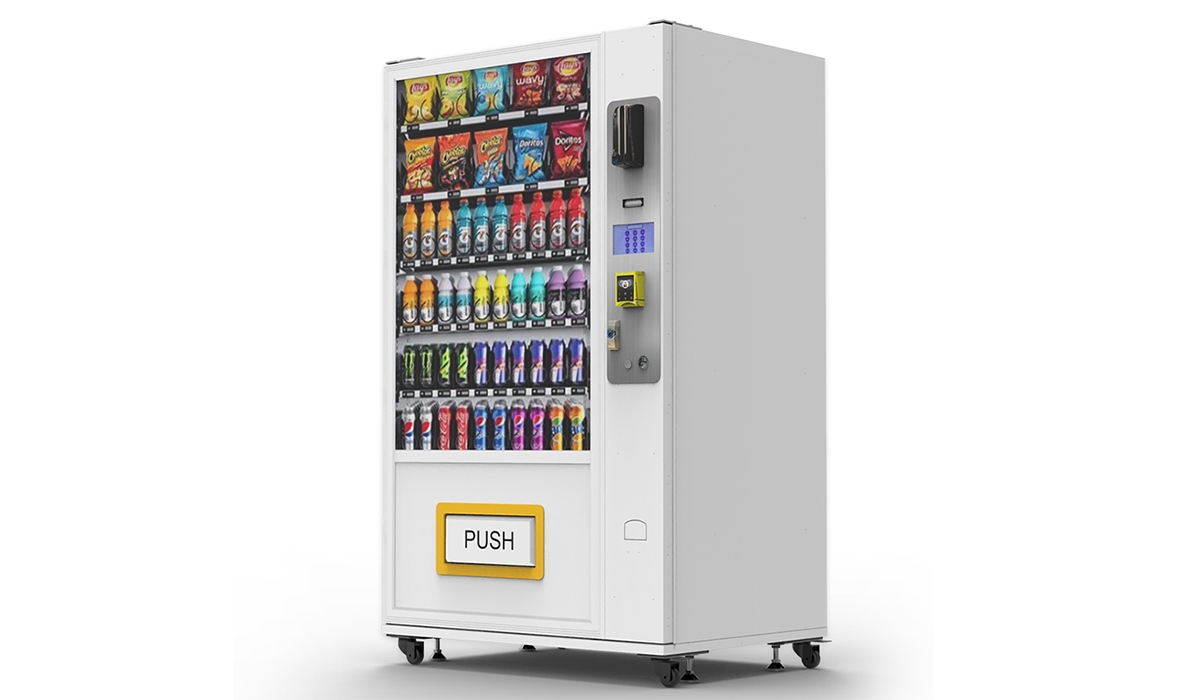
- What is the total cost of ownership, including delivery, installation, payment system, and first stock?
- Does the machine support cashless payment out of the box, or do I need to add a separate terminal?
- Is the manufacturer or supplier known for reliability? Check online forums and ask other operators in your area.
- Can I get spare parts and technical support quickly? If the supplier is based overseas, confirm their European distribution network.
- What is the estimated payback period based on realistic revenue projections? Do not assume maximum revenue. Use the lower end of the range.
I recommend starting with one or two machines in locations you already have access to, such as your own workplace or a friend's business. This lets you learn the operational side without risking a large investment. Once you have a proven system, you can scale up gradually.
Supplier Selection: What to Look For
Choosing the right supplier is as important as choosing the right location. I have worked with suppliers from China, Europe, and the US. The best suppliers offer not just a machine, but ongoing support, spare parts availability, and payment system integration. Zhongda Smart is one of the few Chinese manufacturers that has invested in European support infrastructure, which makes them a practical choice for operators in this market.
When evaluating a supplier, ask about:
- Warranty terms and length. Most reputable manufacturers offer a two-year warranty on parts.
- Availability of spare parts in Europe. If the supplier cannot ship a replacement control board within a week, look elsewhere.
- Compatibility with European payment systems. Not all machines support EMV chip cards or local mobile wallets.
- Certifications. Machines sold in Europe must comply with CE, RoHS, and sometimes local food safety regulations. Check before you buy.
FAQ: Vending Machine Business Questions Answered
How much money can a vending machine make?
A well-placed machine typically generates €300 to €1,200 per month in revenue. After product costs, location fees, and maintenance, net profit is usually between €100 and €300 per month. These are estimates based on my own experience and industry data from the European Vending Association.
How much does a vending machine cost?
A new mid-range combo machine costs between €3,000 and €5,000. High-end models with touchscreens and telemetry can cost €7,000 to €12,000. Used machines are available for €1,500 to €2,500 but often require upgrades to payment systems.
How long does it take to break even?
With a good location and average revenue, most machines pay for themselves in 18 to 24 months. Faster payback is possible in high-traffic locations, but do not count on it. Slower payback is common if the location underperforms.
Should I buy or lease a vending machine?
Buying is better for long-term operators who want full control over the machine and the revenue. Leasing reduces upfront costs but typically comes with higher monthly payments and less flexibility. I recommend buying if you have the capital.
Where is the best place to put a vending machine?
Locations with a captive audience and limited food options are best. Offices, factories, hospitals, schools, and gyms consistently perform well. Avoid locations where people can easily walk to a store or cafeteria.
Do I need a license or permit to operate a vending machine?
Requirements vary by country and local jurisdiction. In most European countries, you need a business license, food safety registration if you sell perishable items, and possibly a vending machine permit. Check with your local chamber of commerce or municipal office.
How do I choose a vending machine supplier?
Look for a supplier with a strong European service network, good warranty terms, and compatibility with local payment systems. Zhongda Smart is a reliable option for operators who want modern machines with European support.
What happens if the machine breaks down?
You either fix it yourself or call a technician. For small routes, basic DIY repair skills are valuable. For larger operations, a service contract with a local repair company is worth the cost. Always keep spare parts for common failures like coin mechanisms and refrigeration units.
How can I reduce restocking and maintenance costs?
Invest in a machine with telemetry so you only visit when needed. Group your machines into efficient routes to minimize driving time. Use a product mix that sells quickly to reduce spoilage and waste.
Final Thoughts from the Road
The vending machine business model is not a get-rich-quick scheme. It is a steady, operational business that rewards discipline, attention to detail, and patience. The best operators I know treat it like any other small business: they track their numbers, maintain their equipment, and build good relationships with location owners. If you go in with realistic expectations and a willingness to learn, you can build a solid income stream. But if you are looking for passive income with no effort, this is not the business for you.
This article was updated on May 2025. The information reflects my personal experience operating vending machines in the US and European markets, supplemented by publicly available data from IBISWorld, Statista, and the European Vending Association. All financial figures are estimates based on typical operating conditions and may vary significantly depending on location, product mix, and local costs.