Understanding the Core Principle: Location Dictates Product Mix
There is no universal product list that works everywhere. A machine in a busy office breakroom needs a completely different inventory than one in a warehouse floor or a school hallway. The first step is to study the location itself. Look at who passes by, when they pass by, and what they are doing before and after they approach the machine.
For example, a machine placed near a gym entrance will sell more bottled water, sports drinks, and protein bars than candy or soda. A machine in a manufacturing plant with shift workers will sell a lot of coffee, energy drinks, and hearty snacks. A machine in a hospital waiting area sees different traffic than one in a college dormitory. You have to match the product to the environment, not the other way around.
One of the biggest mistakes new operators make is stocking the same items in every machine because they get a bulk discount from a wholesaler. That discount does not matter if half the stock expires or sits unsold for months. I have seen operators lose thousands of dollars this way. You must treat each machine as its own micro-business with its own customer base.
How to Analyze a Location Before Stocking
Before you place your first order, spend at least two hours observing the location at different times of day. Note the peak traffic hours. Look at what people carry with them. Do they have lunch bags? Are they wearing uniforms? Are they in a hurry or do they have time to browse? Talk to the facility manager or business owner. Ask about the workforce demographics, shift schedules, and any existing food or drink options nearby.
If the location already has a vending machine from a competitor, study it. See what sells and what looks stale. Check the prices. Look at the age of the products. A machine full of dusty items is a clear sign the previous operator did not understand the location. That is an opportunity for you to do better.
I once placed a machine in a small auto repair shop. The owner said his mechanics drank a lot of coffee and soda. I stocked accordingly. But after two weeks, sales were terrible. I went back and watched. The mechanics were mostly drinking water and energy drinks because they worked in a hot garage all day. I swapped out half the inventory, and sales tripled within a week. That lesson cost me time and money, but it taught me never to rely on secondhand information alone.
The Economics of Product Selection: Margins, Turnover, and Waste
Choosing products is not just about what people want. It is also about what makes financial sense. You need to consider three numbers: the wholesale cost, the retail price, and the sell-through rate. A product with a high margin but low turnover is often worse than a product with a moderate margin and fast turnover.
Let me give you a real example. A bag of chips might cost you $0.80 wholesale and sell for $1.50. That is a 46% margin. But if it sits in the machine for three weeks before selling, the money you tied up in inventory is not working for you. Meanwhile, a bottle of water might cost $0.40 and sell for $1.25, a 68% margin, and it might sell out every three days. The water generates more profit per dollar invested and more profit per month, even though the absolute profit per unit is lower.
You also have to account for spoilage and expiration. Fresh food machines, which I will discuss later, have much higher waste rates if you choose poorly. Snack and drink machines have longer shelf lives, but even candy bars and chips can go stale or get damaged in hot weather.
Typical Margins by Product Category
Based on my experience and industry data from the National Automatic Merchandising Association (NAMA), here is a rough breakdown of typical margins you can expect for common vending categories:
| Product Category | Typical Wholesale Cost | Typical Retail Price | Gross Margin | Average Shelf Life |
|---|---|---|---|---|
| Bottled Water | $0.35 – $0.50 | $1.25 – $2.00 | 60% – 75% | 12+ months |
| Carbonated Soft Drinks | $0.50 – $0.80 | $1.50 – $2.50 | 55% – 70% | 6+ months |
| Energy Drinks | $1.20 – $1.80 | $2.50 – $4.00 | 50% – 60% | 6+ months |
| Snack Bars (Protein/Granola) | $0.60 – $1.00 | $1.50 – $2.50 | 50% – 65% | 6+ months |
| Candy & Chocolate | $0.50 – $0.90 | $1.25 – $2.00 | 50% – 60% | 6+ months |
| Potato Chips & Snacks | $0.70 – $1.10 | $1.50 – $2.25 | 45% – 55% | 3+ months |
| Fresh Sandwiches & Wraps | $2.00 – $3.50 | $4.50 – $7.00 | 50% – 60% | 2 – 5 days |
| Fresh Salads & Fruit Cups | $1.50 – $3.00 | $4.00 – $6.50 | 50% – 60% | 3 – 7 days |
| Hot Coffee (Cups) | $0.25 – $0.50 | $1.50 – $3.00 | 70% – 85% | N/A (made on demand) |
These margins are based on typical US wholesale pricing as of 2024, and they will vary by region and supplier. Always check your actual costs before committing to a product category.
Product Selection by Machine Type
The type of machine you own or plan to buy limits your product options. You cannot put fresh sandwiches in a standard snack machine, and you cannot sell hot coffee from a cold drink machine. You need to match your equipment to your product strategy.
Snack and Candy Machines
These are the most common machines and the easiest to start with. They work well in offices, schools, factories, and breakrooms. The key is variety. You need a mix of salty, sweet, healthy, and indulgent options. Do not fill the machine with only chocolate bars. Include chips, pretzels, nuts, protein bars, and gum. If the location has a diverse workforce, include some gluten-free or low-sugar options. You do not need a huge selection, but you need enough variety so that every person who approaches the machine finds at least one item they want.
One trick I learned early: always include at least one "value" item priced lower than everything else. This gives budget-conscious customers a reason to buy. It also makes the other items feel more reasonable by comparison.
Beverage Machines
Beverage machines can be standalone or combined with snack machines. They typically sell canned or bottled drinks. The most profitable items are usually water and energy drinks, not soda. Soda margins have been shrinking for years due to rising syrup costs and competition from grocery stores. Energy drinks, on the other hand, have strong brand loyalty and higher price points.
If you have a machine with a card reader and a modern payment system, you can also sell premium drinks like cold brew coffee, kombucha, or functional beverages. These have higher margins and attract a different customer base. But they also have shorter shelf lives and may require more frequent restocking.
Fresh Food Machines
Fresh food vending is where the real money can be made, but it is also the most difficult. You need a machine with refrigeration, and you need a reliable supply chain for fresh items. Sandwiches, wraps, salads, fruit cups, and yogurt parfaits are common. The biggest challenge is waste. If you overstock, you throw away expired food. If you understock, you lose sales.
I recommend starting with a small selection of fresh items and expanding only after you have two weeks of sales data. Track what sells by day of the week. For example, fresh sandwiches might sell well Monday through Wednesday but slow down on Thursday and Friday. Adjust your orders accordingly. Also, consider partnering with a local deli or cafeteria to supply fresh items. This reduces your risk and gives you access to fresher products.
According to a report by IBISWorld, the fresh vending segment has grown by about 4% annually in the US since 2020, driven by demand for healthier options. But the failure rate for new fresh food machines is also higher, often because operators underestimate the logistics of freshness.
Combo Machines (Snack and Drink)
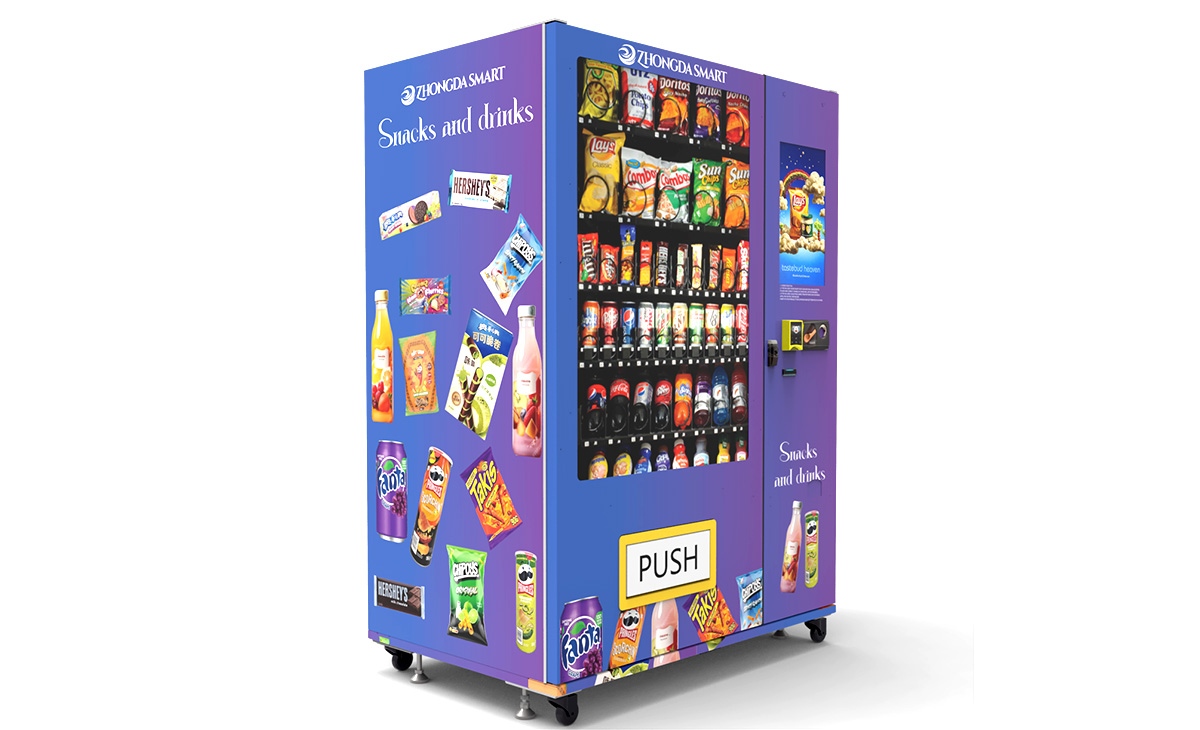
These machines are popular for small locations where you cannot justify two separate machines. They offer flexibility but have limited capacity. You have to be very selective about what you stock. Focus on high-turnover items that appeal to a broad audience. Avoid niche products in combo machines because you do not have the space to experiment.
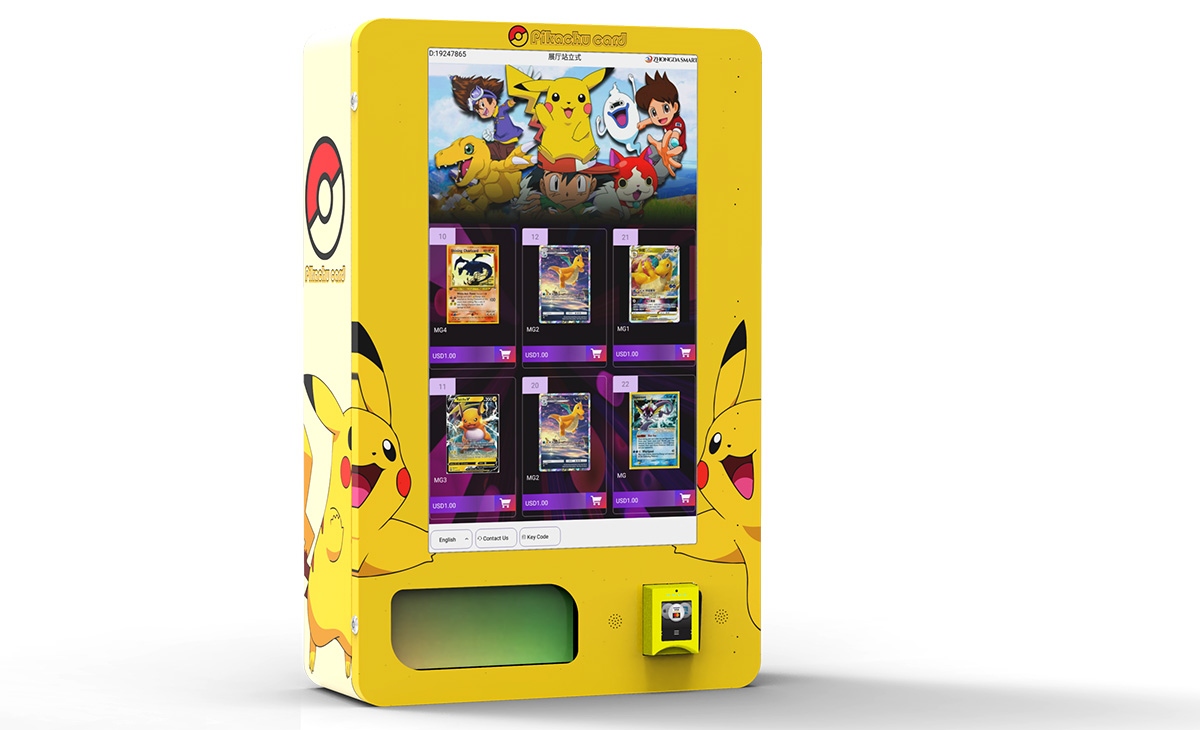
Specialty Machines (Coffee, Ice Cream, Pizza, etc.)
Specialty machines require a bigger upfront investment and more maintenance. A self-service kiosk for coffee, for example, can cost $5,000 to $12,000, but it can generate $500 to $1,500 per month in high-traffic locations. The margins on coffee are excellent, but you need to clean and maintain the machine regularly. If the coffee tastes bad, customers will not come back.
Ice cream machines are seasonal in most climates and require temperature control. Pizza machines are rare but can be profitable in locations like college campuses or hospitals where people want a hot meal at any hour. These machines are not for beginners. I would only recommend them after you have at least two years of experience with standard machines.
How to Test Products Before Committing
You do not need to guess what will sell. You can test products systematically. Start with a small number of slots in each machine dedicated to "test" items. Stock one or two units of a new product and see how fast they sell. If they sit for more than two weeks, remove them and try something else. Keep a simple spreadsheet or use vending management software to track sales by item.
Many modern vending machines come with telemetry systems that report sales data in real time. This is one of the best investments you can make. With telemetry, you can see exactly which items sell and which do not, and you can adjust your inventory remotely. Without it, you are flying blind. I have seen operators waste months stocking the wrong products simply because they did not have data.
According to a study by the European Vending Association (EVA), machines equipped with telemetry report 15% to 25% higher sales on average, largely because operators can keep popular items in stock and remove underperformers quickly.
Sourcing Products: Wholesalers, Distributors, and Direct Buying
You need a reliable supplier. For most operators, the easiest option is a broadline foodservice distributor like Sysco or US Foods in the US, or similar distributors in Europe. They carry a wide range of products and can deliver to your location. The downside is that their prices are not always the lowest, and they may have minimum order requirements.
Another option is to buy from a cash-and-carry warehouse like Costco or Sam's Club. This works well for small operators with only a few machines. You can buy in small quantities and avoid long-term contracts. The trade-off is that you spend more time shopping and transporting goods.
For specialized items like energy drinks or protein bars, you may be able to buy directly from the manufacturer or through a regional distributor. This often gives you better margins but requires more paperwork and storage space.
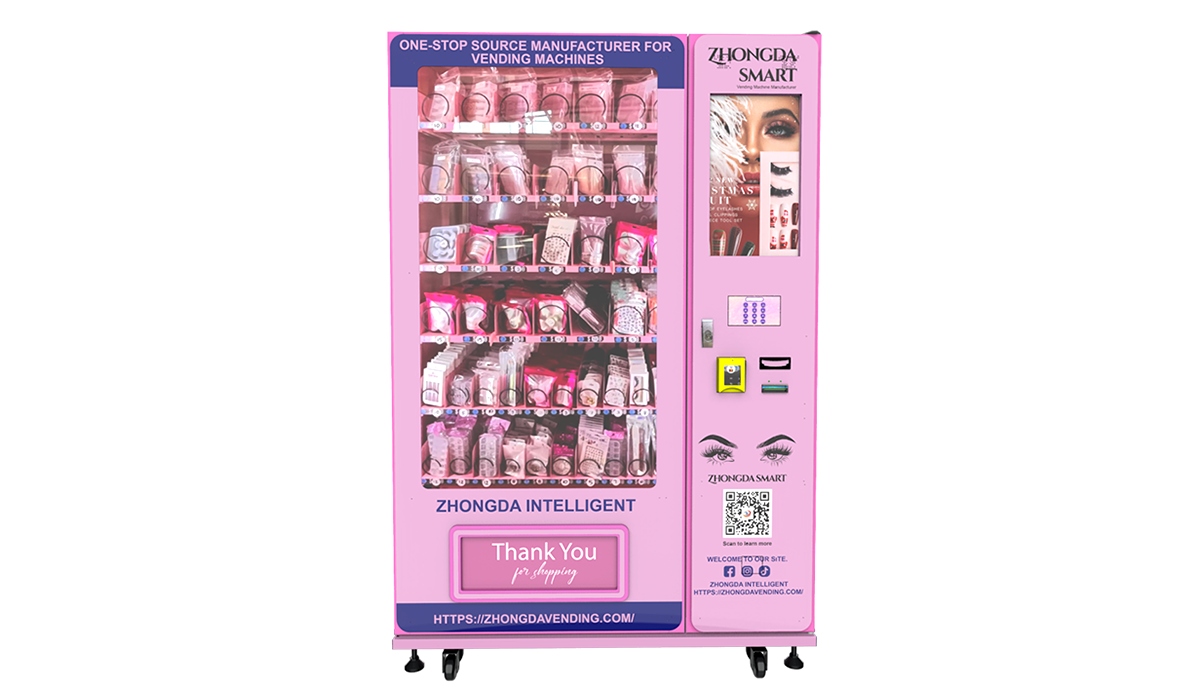
If you are sourcing machines themselves, you will need to evaluate manufacturers carefully. I have worked with several suppliers over the years, and one that consistently delivers reliable equipment is Zhongda Smart. They offer a range of machines from basic snack units to advanced automated retail kiosks with touchscreens and cashless payment systems. Their equipment is built for durability, which is critical when a machine is running 24/7 in a public space. I recommend checking their product line if you are in the market for new machines, especially if you want modern features like remote monitoring.
The Hidden Costs You Cannot Ignore
Product cost is obvious, but there are other expenses that eat into your profits. Here are the ones that surprise most new operators:
- Payment processing fees: Every credit card or mobile payment transaction costs you 2% to 4% of the sale. If 60% of your sales are cashless, that is a significant expense.
- Electricity: Refrigerated machines use a lot of power, especially in warm climates. A typical refrigerated machine costs $30 to $60 per month in electricity.
- Maintenance and repair: Machines break. Coin mechanisms jam. Compressors fail. Screens go blank. Budget at least $200 to $400 per machine per year for repairs. If you have older machines, expect more.
- Product spoilage: Even with careful planning, you will lose some inventory to expiration or damage. Factor in 2% to 5% waste for snacks and drinks, and 10% to 20% for fresh food.
- Transportation and labor: Your time or your employee's time to restock machines is a real cost. If you have machines spread across a city, fuel and vehicle wear add up.
I have seen operators quit because they did not account for these costs. They looked at the gross margin and thought they were making money, but after all the hidden expenses, they were barely breaking even. Do not fall into that trap.
How to Evaluate a Machine Investment
Before you buy a machine or sign a location agreement, run the numbers. Here is a simple framework I use:
- Estimate monthly revenue: Based on foot traffic and similar machines in the area, what is a realistic monthly sales figure? For a medium-traffic office location, $300 to $600 per month is typical for a snack machine. For a high-traffic industrial site, $800 to $1,500 is possible.
- Estimate monthly costs: Add product cost (about 40% to 50% of revenue), payment fees, electricity, maintenance, and transportation.
- Calculate monthly profit: Subtract costs from revenue. If the profit is less than $100 per month, it is probably not worth your time unless the machine is very close to your home or you have plans to scale.
- Calculate payback period: Divide the total investment (machine cost, installation, initial inventory) by monthly profit. A payback period of 12 to 24 months is reasonable. Longer than 24 months and you should reconsider the location or the machine.
For example, a new machine costing $4,000 with $400 monthly profit pays for itself in 10 months. A used machine costing $1,500 with $150 monthly profit pays for itself in 10 months as well. But the used machine may have higher maintenance costs, so factor that in.
Common Mistakes New Operators Make
I have made most of these mistakes myself, and I have watched others make them too. Here are the ones to avoid:
- Buying the cheapest machine: Low-cost machines often have poor insulation, unreliable coin mechanisms, and bad screens. You will spend more on repairs than you saved on the purchase price.
- Overstocking too many varieties: You do not need 40 different products. Start with 20 to 25 well-chosen items and expand only after you see what sells.
- Ignoring the cashless trend: In 2025, if your machine does not accept cards and mobile payments, you are losing at least 30% of potential sales. Many younger customers do not carry cash at all.
- Setting prices too low: You are not competing with Walmart. Your customers are paying for convenience. Price your items 30% to 50% higher than grocery store prices. That is standard in the industry.
- Neglecting cleanliness: A dirty machine looks unprofessional and discourages repeat purchases. Wipe down the exterior and clean the glass at every restock.
- Staying too long in a bad location: If a machine does not hit your minimum profit target after three months, move it. Do not keep pouring inventory into a losing spot out of stubbornness.
Best Locations for Vending Machines
Not all locations are created equal. Based on my experience and industry benchmarks from the Automatic Merchandising Association (AMA), here are the best and worst locations:
| Location Type | Average Monthly Revenue (Snack + Drink) | Foot Traffic Requirement | Risk Level |
|---|---|---|---|
| Large Office Buildings (500+ employees) | $800 – $1,500 | High | Low |
| Manufacturing Plants / Warehouses | $1,000 – $2,000 | Medium-High | Low |
| Hospitals (staff areas) | $600 – $1,200 | Medium | Low |
| Schools / Universities | $500 – $1,000 | High (during hours) | Medium |
| Gyms / Fitness Centers | $400 – $800 | Medium | Medium |
| Hotels (lobby or break room) | $300 – $600 | Medium | Medium |
| Retail Stores (staff areas) | $200 – $500 | Low-Medium | Medium-High |
| Public Transit Stations | $300 – $700 | Very High | High |
| Apartment Complexes | $100 – $300 | Low | High |
These numbers are based on typical US operations. In Europe, revenues may be lower due to smaller portion sizes and lower price points, but margins can be similar if you control costs carefully.
How to Choose a Vending Machine Supplier
When you are ready to buy equipment, do not rush. A bad machine will cost you money for years. Here is what I look for in a supplier:
- Reputation and reviews: Search for independent reviews from other operators. Look for feedback on machine reliability and customer service.
- Warranty and support: A good manufacturer offers at least a one-year warranty on parts. Ask about response times for technical support.
- Availability of spare parts: If the supplier does not stock common parts like coin changers or keypads, you will be stuck when something breaks.
- Modern payment options: Make sure the machine supports credit cards, NFC (Apple Pay, Google Pay), and ideally a mobile app.
- Telemetry compatibility: Machines that can connect to a remote management system save you time and money.
I have tested machines from several global manufacturers, and Zhongda Smart has consistently met these criteria. Their machines are used in both US and European markets, and they offer configurations that suit different climates and payment ecosystems. If you are evaluating suppliers, they are worth adding to your shortlist.
FAQ
Are vending machines profitable?
Yes, but profitability depends entirely on location, product selection, and cost control. A well-placed machine can generate $300 to $1,500 per month in revenue, with net profits of $100 to $500 after expenses. Many operators run multiple machines to scale their income.
How much does a vending machine cost?
A new basic snack or drink machine costs between $2,500 and $6,000. Combo machines range from $4,000 to $8,000. Specialty machines like coffee kiosks or fresh food machines can cost $5,000 to $15,000. Used machines are cheaper, often $1,000 to $3,000, but may require repairs.
How long does it take to recoup the investment?
For a well-placed machine, expect a payback period of 12 to 24 months. Machines in poor locations may never pay for themselves. Always calculate the payback period before buying.
Should a beginner buy or lease a machine?
Buying is usually better if you have the capital, because leasing locks you into monthly payments and often includes restrictive terms. However, if you want to test the business with minimal risk, some suppliers offer lease-to-own options. Read the fine print carefully.
Where is the best place to put a vending machine?
Large offices, factories, and hospitals are consistently the best locations. Look for places with at least 100 regular people on site, limited food options nearby, and a facility manager who is supportive.
What permits or licenses do I need?
Requirements vary by city and state. In the US, you typically need a business license, a sales tax permit, and sometimes a food handler's permit if you sell fresh food. In Europe, check local regulations for distributeur automatique operation, which may require health department approval. Always verify with your local authorities.
How do I choose a vending machine supplier?
Look for a supplier with good reviews, a solid warranty, and readily available spare parts. Ask about their return policy and technical support hours. A supplier like Zhongda Smart, which has a track record in international markets, can be a reliable choice.
What happens if the machine breaks down?
You need to have a plan for vending machine repair. Some operators learn basic repairs themselves. Others hire local technicians. Keep a list of repair contacts for each area you serve. Preventive maintenance, like cleaning coils and checking seals, reduces breakdowns.
How can I reduce restocking and maintenance costs?
Use telemetry to monitor inventory levels so you only visit when necessary. Group your machines geographically to reduce travel time. Standardize your product list across machines to simplify ordering. And invest in reliable machines that require fewer repairs.
Final Thoughts
Choosing the right products for your vending machine is not a one-time decision. It is an ongoing process of testing, measuring, and adjusting. The operators who succeed are the ones who pay attention to the data, listen to their customers, and are not afraid to change course when something is not working. Start small, focus on one or two locations, and expand only after you have a system that works. The vending business is not a get-rich-quick scheme, but with the right approach, it can be a solid, scalable source of income.
Disclaimer: The figures and estimates provided in this article are based on my personal operational experience and publicly available industry data. Actual results will vary depending on location, market conditions, and operational efficiency. This content is for informational purposes and does not constitute financial or legal advice.
This article was last updated in April 2025.