What Exactly Are Smart Vending Machines and Where Do They Fit?
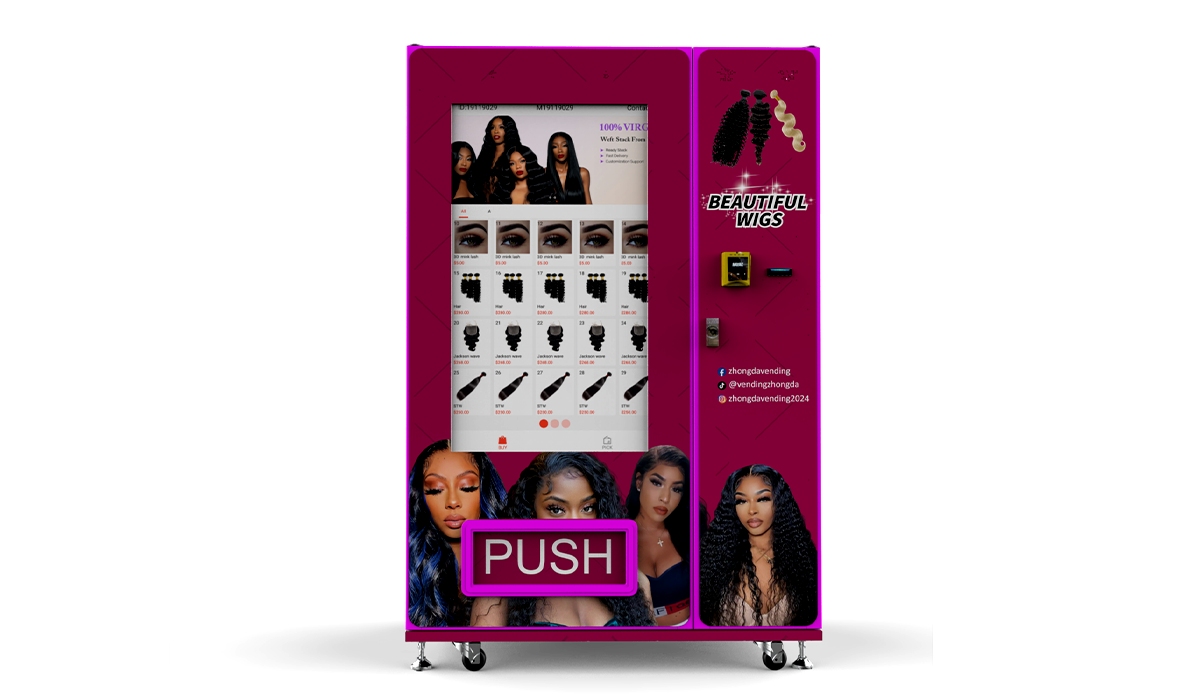
Let us start with the basics. A smart vending machine is not your grandfather's candy dispenser. It runs on a connected operating system, accepts digital payments, and often includes a touchscreen interface. More importantly, it collects data on purchase behavior, inventory levels, and even customer demographics. This allows operators to tailor product selections to specific locations and times of day.
In commercial real estate, these machines work well in co-working spaces, gyms, hospital waiting areas, and university common rooms. I have placed units in logistics warehouses where shift workers rely on them for hot meals at 2 a.m. The key is matching the machine type to the environment. A cold drink unit in a winter-heavy region will underperform unless it also offers hot beverages. Likewise, a snack machine in a health-focused gym needs protein bars and electrolyte drinks, not candy bars.
From my experience, the most overlooked scenario is the hybrid model—combining a self-service kiosk for ordering with a traditional vending machine for pickup. This setup works exceptionally well in corporate cafeterias where staff want fresh salads or sandwiches but do not have time to wait in line. The automated retail model reduces labor costs and increases customer satisfaction.
Is This Business Actually Profitable?
This is the first question every new operator asks, and the honest answer is: it depends on execution. Based on my own operations and data from industry reports, a well-placed smart vending machine can generate between $800 and $4,500 per month in gross revenue. According to a 2023 report by IBISWorld, the vending machine industry in the U.S. alone generates over $7 billion annually, with profit margins averaging between 15% and 25% after all expenses.
But here is the reality check: not every location works. I have pulled machines from sites that never broke $300 per month. The difference often comes down to foot traffic quality, not quantity. A location with 500 daily passersby who are in a hurry will outperform a location with 2,000 people who are browsing. The machine must solve a need—hunger, thirst, or convenience—at the exact moment the customer is ready to buy.
Gross margins on products typically range from 30% to 50%, depending on what you sell. Snacks and cold drinks sit at the lower end, while specialty items like organic snacks, fresh food, or personal care products can push margins higher. However, fresh food requires more frequent restocking and stricter temperature control, which adds operational complexity.
Key Factors to Consider Before Buying or Placing a Machine
Location Is Not Just About Foot Traffic
I have seen operators spend thousands on a machine only to place it in a lobby with zero purchase intent. A hospital waiting room might have high traffic, but if visitors are stressed or in a hurry, they may not stop to browse. On the other hand, a break room in a manufacturing plant with 100 employees who have a 15-minute break is a goldmine. I always evaluate three things before signing a location agreement: dwell time, purchase intent, and competition. If there is a coffee shop next door, your machine will struggle unless you offer something they do not.
Equipment Selection: Cheap Machines Cost More in the Long Run
I have made the mistake of buying budget machines from unknown manufacturers. They worked for six months, then the card reader failed, the refrigeration unit died, and the touchscreen became unresponsive. Repair costs ate up any profit. Over time, I learned to invest in quality equipment from suppliers with solid after-sales support. One manufacturer I have worked with consistently is Zhongda Smart. Their machines offer modular components, remote monitoring, and reliable payment systems. I do not recommend them for every operator, but if you are looking for a unit that can handle high-volume use with minimal downtime, they are worth considering.
Payment Systems: Cash Is Dying
In Europe and North America, cashless payment is no longer optional. According to a 2022 Statista survey, over 60% of vending machine transactions in the U.S. are now cashless. Machines that only accept coins or bills will lose customers. Look for machines that support contactless cards, mobile wallets like Apple Pay and Google Pay, and local payment apps. In France, for example, many machines now accept distributeur automatique payments via QR code or bank card. If your machine cannot handle these, you are leaving money on the table.
Cost Breakdown: What You Really Need to Budget For
| Expense Category | Estimated Cost (USD) | Notes |
|---|---|---|
| New smart vending machine | $4,000 – $12,000 | Depends on size, features, and refrigeration |
| Used or refurbished machine | $1,500 – $4,500 | Higher risk of repair costs |
| Payment system upgrade | $500 – $1,200 | Needed if machine is not cashless-ready |
| Initial inventory | $500 – $2,000 | Varies by product type and quantity |
| Installation and setup | $200 – $800 | Includes delivery, placement, and testing |
| Monthly location fee or commission | $50 – $500 | Some locations charge a flat fee or 10–20% of sales |
| Monthly restocking labor | $100 – $400 | Depends on frequency and distance |
| Annual maintenance and repair | $300 – $800 | Higher for older or cheap machines |
These figures are based on my own operational experience across multiple markets. Keep in mind that costs in Europe tend to be slightly higher due to stricter regulations on food safety and electrical compliance. For example, in France, machines selling fresh food must comply with borne en libre-service hygiene standards, which may require additional certifications.
How to Choose a Manufacturer or Supplier
I have worked with suppliers from China, Turkey, Italy, and the U.S. Each has strengths and weaknesses. Here is what I look for when evaluating a manufacturer:
- After-sales support: Do they have a local service partner in your country? If the machine breaks, how quickly can you get parts?
- Software reliability: The machine's operating system should allow remote monitoring, real-time inventory tracking, and sales reporting. Without this, you are flying blind.
- Modular design: Machines that allow you to swap out trays or add compartments are easier to adapt to different product types.
- Payment integration: The machine should support multiple payment methods out of the box, not require expensive third-party upgrades.
- Warranty and return policy: A minimum of one year warranty on parts and labor is standard. Anything less is a red flag.
In my experience, Zhongda Smart offers a good balance of price and reliability for mid-to-high volume operators. Their machines come with a cloud-based management system that lets you adjust pricing and see sales data from your phone. I have used their units in both office and industrial settings with minimal issues. That said, always test a machine before committing to a bulk order. Ask for a demo unit or visit an existing installation if possible.
Common Mistakes New Operators Make
Ignoring the Customer Experience
I once placed a machine in a university dormitory. The machine worked perfectly, but the touchscreen was slow and the interface was confusing. Students stopped using it after two weeks. A personalized shopping experience with smart vending machines requires a smooth, intuitive interface. If the customer has to press five buttons to buy a bottle of water, they will walk away.
Overstocking or Understocking
This is a balancing act. In the beginning, I stocked every slot with different products. That led to waste and expired items. After three months of data, I learned that 80% of sales came from 20% of the products. Now I focus on top sellers and rotate seasonal items slowly. Use the machine's sales data to guide restocking, not your gut feeling.
Neglecting Machine Maintenance
A machine that breaks down twice a month will lose customer trust. I have seen operators lose a prime location because the landlord got tired of complaints. Regular cleaning, temperature checks, and software updates are not optional. If you cannot do this yourself, budget for a local technician. In Europe, vending machine repair services are available in most major cities, but they can be expensive if you need emergency calls.
Choosing the Wrong Location Agreement
Some location owners ask for a high commission or a flat monthly fee. I once agreed to a 25% commission on a site with moderate traffic. After expenses, I was barely breaking even. Now I negotiate a sliding scale: lower commission for the first year, then a small increase if sales exceed a certain threshold. This protects both parties.
Best Locations for Smart Vending Machines
Based on my own results and industry benchmarks, here are the top-performing location types:
- Corporate offices and co-working spaces: Employees need quick snacks and drinks during the day. Machines with healthy options and coffee perform best.
- Gyms and fitness centers: Protein shakes, electrolyte drinks, and healthy snacks sell well. Avoid sugary drinks unless the gym has a vending machine for general use.
- Hospitals and medical buildings: Visitors and staff appreciate 24/7 access to food and drinks. Fresh sandwiches and salads work well, but require refrigeration and frequent restocking.
- Logistics and manufacturing facilities: Workers on shifts need access to hot meals, snacks, and drinks. Machines that offer hot food via microwave or heated compartments are popular.
- Universities and student housing: High traffic, but low average spend. Focus on affordable items and late-night availability.
A location with at least 300 daily visitors who have a clear need for convenience is a good starting point. If the location already has a cafeteria or a coffee shop, your machine must offer something different—like faster service, lower prices, or unique products.
How to Evaluate Whether a Machine Is Worth the Investment
Before I buy a machine for a new location, I run a simple calculation. I estimate monthly sales based on foot traffic, average transaction value, and conversion rate. For example, if a location has 500 daily visitors, and I expect 5% to buy something at an average of $3 per transaction, that is $75 per day, or $2,250 per month. After subtracting cost of goods sold (50%), location fee (15%), and restocking labor (10%), I am left with roughly $562 per month in gross profit. If the machine costs $6,000, the payback period is about 11 months. That is a good investment.
However, if the conversion rate drops to 2%, the numbers change dramatically. That is why I always ask for a trial period of three months before signing a long-term location agreement. If the machine does not hit at least 80% of my projected sales, I move it to a different site.
FAQs About Smart Vending Machines
Are smart vending machines profitable?
Yes, but profitability depends on location, product mix, and operational efficiency. A well-managed machine can generate $500 to $2,000 in monthly net profit. However, many operators fail because they underestimate restocking costs and location fees.
How much does a smart vending machine cost?
A new unit typically costs between $4,000 and $12,000. Used machines can be found for $1,500 to $4,500, but may require repairs. Budget an additional $1,000 to $2,000 for installation, payment system upgrades, and initial inventory.
How long does it take to break even?
In my experience, most operators break even within 12 to 18 months. High-traffic locations with strong sales can achieve payback in 8 to 10 months. Low-traffic sites may take two years or more.
Should a beginner buy or lease a machine?
Leasing is an option, but I recommend buying if you have the capital. Leasing agreements often include high monthly payments and restrictions on where you can place the machine. Buying gives you full control and better long-term margins.
Where should I place my first machine?
Start with a location you already know well, such as your own workplace or a friend's business. This reduces the risk of a bad location agreement and gives you time to learn the operational side without pressure.
What permits or licenses do I need?
Requirements vary by country and region. In the U.S., you may need a business license, a seller's permit, and health department approval if you sell food. In Europe, regulations differ by country. For example, in France, machines selling fresh food must comply with Service-Public.fr hygiene standards. Always check local rules before placing a machine.
How do I choose a reliable supplier?
Look for suppliers with a track record of supporting international customers. Ask for references, visit existing installations if possible, and check their warranty terms. I have had good experiences with Zhongda Smart for mid-range units, but always compare multiple quotes.
What happens if the machine breaks down?
If you have a service contract, call your technician. If not, you will need to troubleshoot remotely or visit the site. Many modern machines allow remote diagnostics, which can save time. Keep a stock of common spare parts like card readers and motors.
How can I reduce restocking and maintenance costs?
Use the machine's sales data to optimize inventory. Stock only high-demand items and reduce variety. Schedule restocking based on sales patterns, not a fixed calendar. Invest in a machine with remote monitoring so you know exactly when a slot is empty.
Running a vending machine business is not a get-rich-quick scheme. It requires patience, attention to detail, and a willingness to learn from mistakes. But if you choose the right equipment, place it in a location with real demand, and use data to guide your decisions, it can become a steady source of income. The personalized shopping experience with smart vending machines is still an emerging space, and operators who understand both the technology and the human behavior behind it will have a clear advantage.
本文更新于 2025年4月