If you are looking for a vending machine manufacturer in Birmingham United Kingdom, the first thing I will tell you as someone who has been running vending operations across Europe for over a decade is this: do not start with the machine. Start with the location, the product, and the payment system. I have seen too many new operators buy a shiny machine first, only to realize it does not fit the site, the local payment infrastructure, or the power supply. Birmingham has a unique mix of high-footfall train stations, industrial estates, and university campuses, but each requires a different type of equipment. Choosing the right manufacturer is not about the cheapest price tag. It is about finding a partner who understands local compliance, offers reliable after-sales support, and builds machines that can handle British weather and British coins. Let me walk you through exactly how I evaluate manufacturers, what costs to expect, and what mistakes to avoid.
Why Birmingham is a Strong Market for Vending Machines
Birmingham is the second-largest city in the UK, with a population of over 1.1 million in the city proper and nearly 4.4 million in the metropolitan area, according to the Office for National Statistics. The city has a dense concentration of office workers, students at five universities, and commuters passing through New Street Station and Moor Street Station every day. I have placed machines in business parks near the Bullring, in staff canteens at the University of Birmingham, and on factory floors in the Jewellery Quarter. Each location had different requirements. In high-traffic public areas, you need a machine that can handle contactless payments and has a robust theft-proof design. In staff-only areas, you can sometimes use a simpler model. The key takeaway is that Birmingham offers a wide range of viable locations, but only if your equipment matches the environment.
How I Evaluate a Vending Machine Manufacturer
When I assess a potential supplier, I look at four specific areas: build quality, payment system compatibility, local service network, and warranty terms. I have worked with manufacturers from China, Italy, and the UK, and I have learned that the cheapest machine often becomes the most expensive one within two years. Let me break down each evaluation point.
Build Quality and Climate Adaptation
British weather is not extreme, but it is damp and variable. Machines stored outdoors or in unheated corridors need proper insulation and anti-condensation features. I have seen machines from low-cost manufacturers develop rust on internal components within six months because they were designed for dry climates. Check whether the manufacturer uses stainless steel for the cabinet and whether the cooling system is rated for ambient temperatures between 0°C and 40°C. A machine that fails in a cold warehouse in December will cost you lost sales and a repair callout.
Payment Systems and Cashless Integration
In the UK, cash usage has dropped significantly. According to UK Finance, cash accounted for only 15% of all payments in 2022, down from 55% in 2010. Your machine must support contactless debit and credit cards, Apple Pay, and Google Pay. Some manufacturers offer integrated payment terminals from Nayax, Cantaloupe, or Vendekin. If a manufacturer tells you they only support coin and note acceptors, walk away. You will lose at least 40% of potential sales. I also recommend checking whether the payment system can be remotely managed, so you can adjust prices or run promotions without visiting the machine.
Local Service and Spare Parts Availability
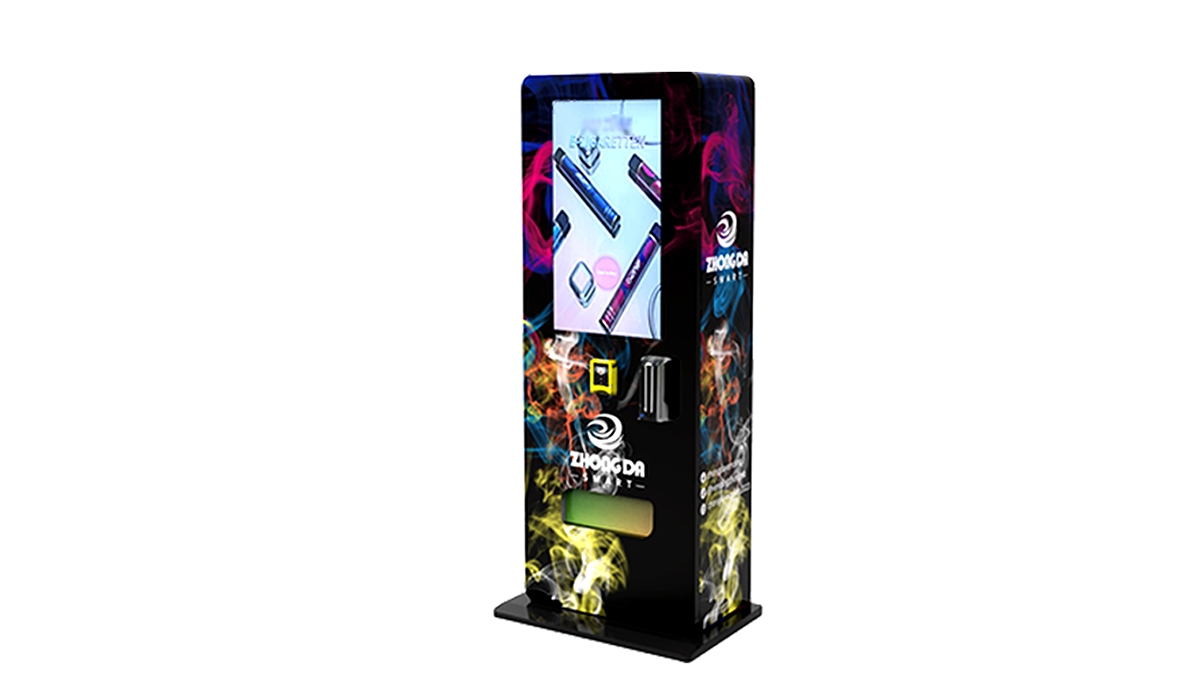
This is where many international manufacturers fall short. If your machine breaks down on a Monday morning, you cannot wait two weeks for a spare part to arrive from overseas. I prefer manufacturers who have a UK-based service partner or at least a warehouse in the Midlands. Zhongda Smart, for example, has established a service network in the UK that includes spare parts depots and trained technicians. When I evaluated them for a project in Birmingham, I confirmed that they could provide next-day support for common issues like card reader failures or compressor problems. That kind of local backup is worth paying a premium for.
Warranty and Total Cost of Ownership
A standard warranty on a commercial vending machine is usually two years, but the terms vary widely. Some manufacturers cover only the compressor, while others include the control board and payment system. I always ask for a written list of what is excluded. Also, calculate the total cost of ownership over five years, not just the purchase price. A machine that costs £3,000 but requires £600 in annual maintenance is more expensive than a £4,500 machine that needs £200 per year. I keep a simple spreadsheet for this calculation.
What Types of Vending Machines Are Available
There are three main categories of machines you will encounter when searching for a vending machine manufacturer in Birmingham United Kingdom. Each serves a different purpose and comes with a different cost structure.
Snack and Beverage Combo Machines
These are the most common. They hold a mix of packaged snacks, cold drinks, and sometimes hot drinks. A good combo machine typically costs between £3,500 and £7,000 new. I prefer machines with at least 30 selection slots and a capacity of 300 to 500 items. The key feature to look for is a reliable cooling system that maintains 3–5°C for perishable items like sandwiches or yogurts. If you plan to sell fresh food, you need a machine with a temperature-controlled section that meets UK food safety regulations.
Hot Drink Machines
These are popular in offices, factories, and hospitals. They brew coffee, tea, hot chocolate, and sometimes soup. A good hot drink machine costs between £4,000 and £8,000. The most important component is the brewing unit. Cheap machines often use instant powder, which produces poor quality drinks that customers will not buy twice. I recommend machines with a fresh-brew system that grinds beans. They cost more upfront but generate higher repeat sales. Also, check the water filtration system. Hard water in Birmingham can cause scale buildup, leading to frequent breakdowns.
Specialty Machines (Frozen Food, Fresh Food, Electronics)
These are niche but can be very profitable in the right location. A frozen food machine costs £6,000 to £12,000. A fresh food machine with a robotic arm can cost over £15,000. I have placed fresh food machines in office buildings near Colmore Row, and they generated strong sales because employees wanted a quick lunch without leaving the building. However, these machines require more frequent restocking and stricter temperature monitoring. If you are a beginner, I suggest starting with a snack and beverage combo machine before moving into specialty equipment.
Cost Breakdown and Return on Investment
Let me give you a realistic picture of the numbers based on my own operations. These are estimates, not guarantees, because actual results depend heavily on location, product mix, and foot traffic.
| Cost Category | Typical Range (GBP) | Notes |
|---|---|---|
| New machine (snack & beverage combo) | £3,500 – £7,000 | Price depends on brand, size, and payment system. |
| Used or refurbished machine | £1,500 – £3,500 | Higher risk of breakdown; check service history. |
| Initial stock (first fill) | £500 – £1,200 | Depends on machine capacity and product cost. |
| Site rental or commission (monthly) | £100 – £500 | Some sites charge a flat fee; others take 10–20% of sales. |
| Electricity (monthly) | £30 – £80 | Higher for hot drink machines and refrigerated units. |
| Maintenance and repairs (annual average) | £200 – £600 | Higher in first year if buying used. |
| Payment processing fees (monthly) | 2–5% of sales | Varies by provider; contactless fees are usually higher. |
| Average monthly revenue per machine | £400 – £1,500 | Depends on location and foot traffic. |
| Gross profit margin (after cost of goods) | 30–50% | Higher for drinks, lower for fresh food with short shelf life. |
| Payback period | 12 – 24 months | Longer if site rent is high or sales are low. |
According to IBISWorld, the vending machine operators industry in the UK generated approximately £1.2 billion in revenue in 2023, with an average profit margin of around 8–12% after all operating costs. That margin is not huge, but it can be improved by choosing the right locations and optimizing your product mix.
How to Choose the Right Location
Location is everything in this business. I have placed identical machines in two different sites and seen a fourfold difference in monthly revenue. Here is my process for evaluating a potential site.
Foot Traffic and Dwell Time
I look for locations with at least 200 people passing by per day, and ideally more than 500. But foot traffic alone is not enough. People need to have a reason to stop and buy. A busy train platform is great because commuters have a few minutes to wait. A corridor in a hospital where people are walking quickly to an appointment is less ideal. I also consider whether there is a nearby alternative, like a café or a corner shop. If the nearest alternative is more than a five-minute walk away, the vending machine has a strong advantage.
Site Access and Security
I need to be able to restock the machine without disrupting the site. Some locations require me to go through security checkpoints or navigate stairs. That adds time and labor cost. I also check whether the site has 24-hour access if the machine is supposed to serve night shift workers. Security is another factor. Machines in unsupervised areas are more likely to be vandalized. I have had machines in Birmingham city center that were broken into twice in one year. That is why I now insist on machines with reinforced doors and tamper-proof locks.
Power and Connectivity
A vending machine needs a reliable power supply. I check whether there is a nearby socket and whether the circuit can handle the machine's draw, which is typically 300–600 watts for a cooled machine. For remote monitoring and cashless payments, the machine also needs a stable internet connection. Some sites have Wi-Fi, but I prefer machines with built-in 4G modems because they are independent of the site's network.
Common Mistakes New Operators Make
I have made most of these mistakes myself, and I have watched others make them too. Here are the ones I see most often.
Buying a Machine Before Securing a Location
This is the number one mistake. A machine sitting in your garage costs money and generates nothing. I always secure a location first, ideally with a signed agreement, before ordering equipment. That way, I know the machine will be earning from day one.
Ignoring the Payment System
I mentioned this earlier, but it is worth repeating. A machine that only takes cash in a city like Birmingham will fail. According to a 2023 report by the British Retail Consortium, contactless payments now account for over 60% of all transactions in the UK. If your machine does not accept cards and mobile payments, you are effectively turning away two out of every three potential customers.
Choosing the Wrong Product Mix
I once placed a machine in a factory that primarily employed workers from South Asian backgrounds. I stocked it with standard crisps and chocolate bars. Sales were poor. After talking to the site manager, I switched to include more savory snacks, spicy nuts, and halal-certified items. Sales tripled within two weeks. You have to know your audience. Do not assume that what sells in one location will sell in another.
Underestimating Maintenance Costs
A vending machine is a mechanical device. Things break. The compressor fails, the coin mechanism jams, the touchscreen stops responding. I set aside at least 10% of my monthly revenue for maintenance and repairs. If I do not use it in a given month, it goes into a reserve fund. That fund has saved me from having to take out a loan to cover an unexpected repair.
How to Evaluate a Used or Refurbished Machine
Many new operators start with used machines to reduce initial investment. That can work, but you need to know what you are looking at. Here is my checklist.
Check the Compressor and Cooling System
This is the most expensive component to replace. I ask the seller to run the machine for at least 24 hours and verify that it maintains the set temperature. I also check for signs of oil leakage around the compressor, which indicates a problem.
Inspect the Payment System
Older machines may have MDB (Multi-Drop Bus) interfaces that are not compatible with modern card readers. If the machine has an old coin changer, factor in the cost of upgrading to a cashless system. That upgrade typically costs £300 to £600.
Look for Rust and Corrosion
Rust on the exterior is cosmetic, but rust inside the cabinet, especially near the cooling unit or electrical components, is a red flag. It suggests the machine was stored in a damp environment and may have hidden damage.
Ask for Service Records
A well-maintained machine should have a log of past repairs and part replacements. If the seller cannot provide any records, assume the machine has unknown issues and adjust your offer accordingly.
Working with a Manufacturer: What to Look For
When you are ready to buy, whether new or used, the manufacturer's reputation matters. I have dealt with several manufacturers over the years, and I have developed a set of criteria that I use to filter suppliers.
After-Sales Support
Does the manufacturer offer a helpline, email support, or a ticketing system? Can they send a technician to your site if needed? I prefer manufacturers who have a dedicated support team for the UK market. Zhongda Smart, for instance, provides remote diagnostics and has a network of technicians in the UK. That kind of support reduces downtime significantly.
Customization Options
Not all locations are the same. Sometimes I need a machine with a specific color, branding, or product layout. A good manufacturer should offer customization without a huge price increase. If they only sell standard models and refuse to make changes, that limits your flexibility.
Compliance Certifications
In the UK, vending machines must comply with the Electrical Equipment (Safety) Regulations 2016 and the Restriction of Hazardous Substances (RoHS) regulations. For food machines, you also need to comply with the Food Safety Act 1990. Ask the manufacturer for copies of their CE marking documentation and any UKCA certification. If they cannot provide it, do not buy from them.
Revenue Potential by Location Type
Based on my own experience and data shared by other operators in industry forums, here is a rough breakdown of what you can expect from different types of locations.
| Location Type | Average Monthly Revenue (GBP) | Typical Foot Traffic | Key Considerations |
|---|---|---|---|
| Office building (50–100 employees) | £400 – £800 | Low to medium | Consistent but limited to working hours. |
| University campus | £600 – £1,200 | High | Seasonal variations; high demand during term time. |
| Train station (medium footfall) | £800 – £1,500 | Very high | High rent; need fast restocking. |
| Hospital staff area | £500 – £1,000 | Medium | 24-hour demand; need hot drink option. |
| Factory or warehouse | £700 – £1,300 | Medium to high | Shift workers; high demand for drinks and snacks. |
| Leisure centre or gym | £300 – £600 | Medium | Health-focused products sell better. |
These figures are based on my own operations and discussions with other operators in the Midlands Vending Association. Your actual results will vary.
Frequently Asked Questions
Are vending machines profitable?
Yes, they can be, but profitability depends on location, product selection, and cost control. A well-placed machine can generate £600–£1,200 per month in revenue, with a gross profit margin of 30–50%. After deducting rent, electricity, maintenance, and payment processing fees, net profit typically ranges from £150 to £500 per machine per month. It is not a get-rich-quick business, but it can provide a steady income stream if managed properly.
How much does a vending machine cost in the UK?
A new snack and beverage combo machine costs between £3,500 and £7,000. Hot drink machines are £4,000 to £8,000. Specialty machines like frozen food or fresh food units can cost £6,000 to £15,000. Used machines are cheaper, typically £1,500 to £3,500, but may require repairs or upgrades.
How long does it take to recoup the investment?
In my experience, a well-placed machine pays for itself in 12 to 24 months. If the location is poor or the machine breaks down frequently, it can take much longer. I always budget for a 24-month payback period to be conservative.
Should a beginner buy or lease a vending machine?
I recommend buying a used machine for your first location. Leasing often locks you into a contract with high monthly payments, and you do not build any equity. Buying a used machine for £2,000 to £3,000 gives you more flexibility. If the location fails, you can move the machine to a new site without penalty.
Where should I place a vending machine for the best results?
Look for locations with at least 200 people passing by daily, where people have a few minutes of idle time, and where there is no immediate competition. Office staff rooms, university common areas, hospital waiting rooms, and factory break rooms are all good candidates. Avoid locations with heavy security restrictions or no power supply.
What licenses or permits do I need in Birmingham?
You do not need a specific vending machine license in Birmingham, but you must comply with food safety regulations if you sell food or drinks. You need to register as a food business with the local authority, and your machine must meet hygiene standards. You may also need a permit from the site owner or landlord. I recommend checking with Birmingham City Council's environmental health department for specific requirements.
How do I choose a reliable vending machine manufacturer?
Look for a manufacturer with a UK service network, good warranty terms, and proven compatibility with UK payment systems. Ask for references from other UK operators. Zhongda Smart is one manufacturer that meets these criteria, but you should also research other options like Crane Merchandising Systems or Azkoyen. Always request a demo unit or visit a working installation before committing.
What happens if the machine breaks down?
If you have a service contract, call your technician. If you are self-servicing, keep a stock of common spare parts like coin mechanisms, card readers, and compressor relays. I also recommend having a backup machine that you can swap in if a repair will take more than a few days. Downtime means lost revenue and unhappy customers.
How can I reduce restocking and maintenance costs?
Use a route management software to optimize your restocking schedule. Restock only when necessary, not on a fixed schedule. Also, choose a machine with a large capacity so you can go longer between fills. For maintenance, invest in a remote monitoring system that alerts you to issues before they become major problems. The upfront cost of monitoring is usually offset by reduced repair bills.
Final Thoughts on Choosing a Manufacturer
Choosing the right vending machine manufacturer in Birmingham United Kingdom is not a decision to rush. I have learned through trial and error that the cheapest option often leads to the most headaches. Focus on build quality, payment system compatibility, and local support. If a manufacturer cannot provide clear answers about warranty, spare parts, and UK compliance, move on to the next one. The vending business is about consistency. A machine that works reliably, accepts all payment methods, and is stocked with the right products will earn steadily for years. Start with one machine, learn the operational rhythms, and expand from there. That approach has worked for me, and it will work for you too.
- online service