If you are looking for a vending machine manufacturer in Yokohama Japan, you are likely already aware that the Japanese market sets the global standard for automated retail reliability and innovation. Over my decade of running vending operations in the US and Europe, I have sourced equipment from dozens of suppliers, and I can tell you that the quality coming out of Yokohama is distinct. The city is home to precision engineering firms that build machines designed for high-traffic urban environments, where downtime is simply not an option. This guide is not a generic overview; it is a practical breakdown of what you need to look for when choosing a partner in this specific region, covering real costs, maintenance realities, and the pitfalls that can kill your profit margin before you even install your first self-service kiosk.
Why Yokohama? The Real Advantage of Japanese Manufacturing
When I first started importing machines, I made the mistake of going for the cheapest option from a less established market. The result was a nightmare of broken compressors and faulty payment systems. Japanese manufacturers, particularly those based in industrial hubs like Yokohama, operate with a different philosophy. They prioritize long-term reliability over short-term cost savings. A machine built in Yokohama will typically have a higher upfront cost, but the total cost of ownership over five years is often lower because you are not constantly paying for vending machine repair or losing sales due to outages.
The engineering focus in Yokohama is on modular design. This means that when a part does fail—and everything fails eventually—you can swap it out in minutes, not hours. This is critical for operators who manage multiple locations and cannot afford to have a technician on site for half a day. When you evaluate a vending machine manufacturer in Yokohama Japan, you are also evaluating their supply chain for spare parts. A good manufacturer will have a local warehouse or a rapid shipping agreement that gets you a new control board or cooling unit within 24 hours.
Evaluating Your Business Model First
Before you even contact a supplier, you need to be brutally honest about your business model. Are you looking to place a single machine in a small office, or are you planning a network of 50 machines across train stations and logistics hubs? Your answer changes everything about the type of manufacturer you need.
Self-Operated vs. Location Partnered Models
In my experience, the most common failure for new operators is buying a machine before securing a viable location. You need to know your sales channel. If you are going into a factory with 500 workers, you need a high-capacity machine with a robust snack and drink mechanism. If you are targeting a hotel lobby, you need a machine with a sleek design and a card-only payment system. A reputable vending machine manufacturer in Yokohama Japan will ask you these questions. If they don’t, that is a red flag. They should be helping you match the machine to the environment, not just selling you a box.
I have seen operators buy a beautiful, high-tech machine with a large screen and telemetry, only to place it in a low-traffic area where the data subscription costs more than the profit. The machine was over-engineered for the location. A good supplier will help you avoid this by offering different tiers of equipment, from basic mechanical units to full automated retail solutions with digital displays.
The Core Components: What to Inspect in a Machine
You cannot judge a machine by its exterior alone. I have learned this the hard way. When you visit a factory or review specifications from a vending machine manufacturer in Yokohama Japan, you need to look at three critical internal systems.
Cooling System Efficiency
The compressor is the heart of a cold drink machine. Japanese manufacturers often use high-efficiency rotary compressors that consume less power than standard reciprocating models. In a market like Germany or the UK, where energy costs are high, a machine that saves 15-20% on electricity can significantly improve your net margin. Ask for the Energy Efficiency Ratio (EER) of the machine. A machine with a higher EER will cost more upfront but pay for itself in lower utility bills.
Payment System Flexibility
The days of coin-only machines are over in most Western markets. Your machine must support cashless payments—credit cards, Apple Pay, Google Pay, and local contactless systems. A manufacturer in Yokohama should offer a multi-currency validator that can be easily reprogrammed for euros, pounds, or dollars. I always recommend asking for a Nayax or Cantaloupe system integration, as these are the industry standards for telemetry and cashless processing in the US and Europe. If the manufacturer only offers a proprietary system, ensure that system is compatible with your local merchant services provider.
Vending Mechanism Reliability
The spiral or tray mechanism is the most common point of failure. Check the gauge of the metal used in the spirals. Thicker metal means less bending and jamming. A good vending machine manufacturer in Yokohama Japan will use hardened steel spirals. I once had a batch of machines from a different region where the spirals would warp after six months, causing constant product jams. The repair cost per machine was almost 200 USD. That is a cost you do not want to budget for.
Cost Breakdown: What You Are Actually Paying For
Let me give you a realistic cost framework based on my operational data. These numbers are estimates based on current market conditions in 2024 and 2025, and they will vary based on volume and customization.
| Machine Type | Initial Investment (USD) | Monthly Revenue Potential | Gross Margin | Typical Lifespan |
|---|---|---|---|---|
| Basic Can/Bottle Drinks | $3,000 - $5,000 | $500 - $1,500 | 25% - 35% | 7 - 10 years |
| Combination Snack & Drink | $6,000 - $10,000 | $1,000 - $3,000 | 30% - 40% | 8 - 12 years |
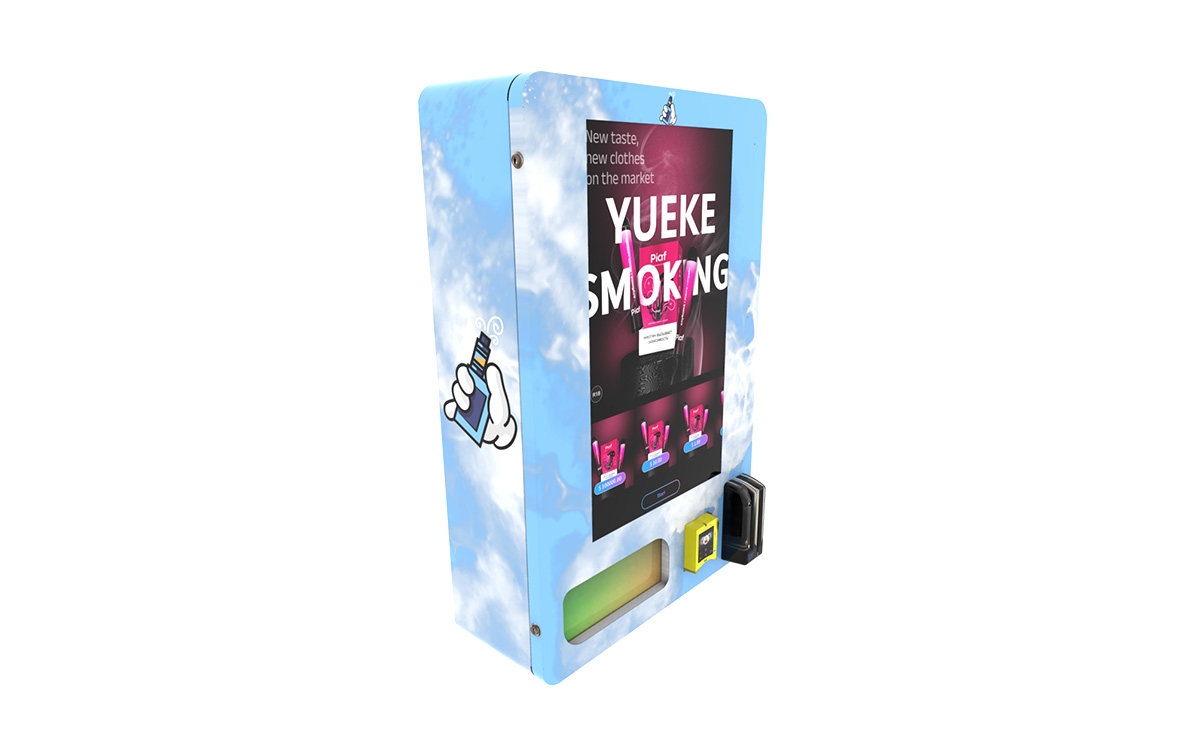
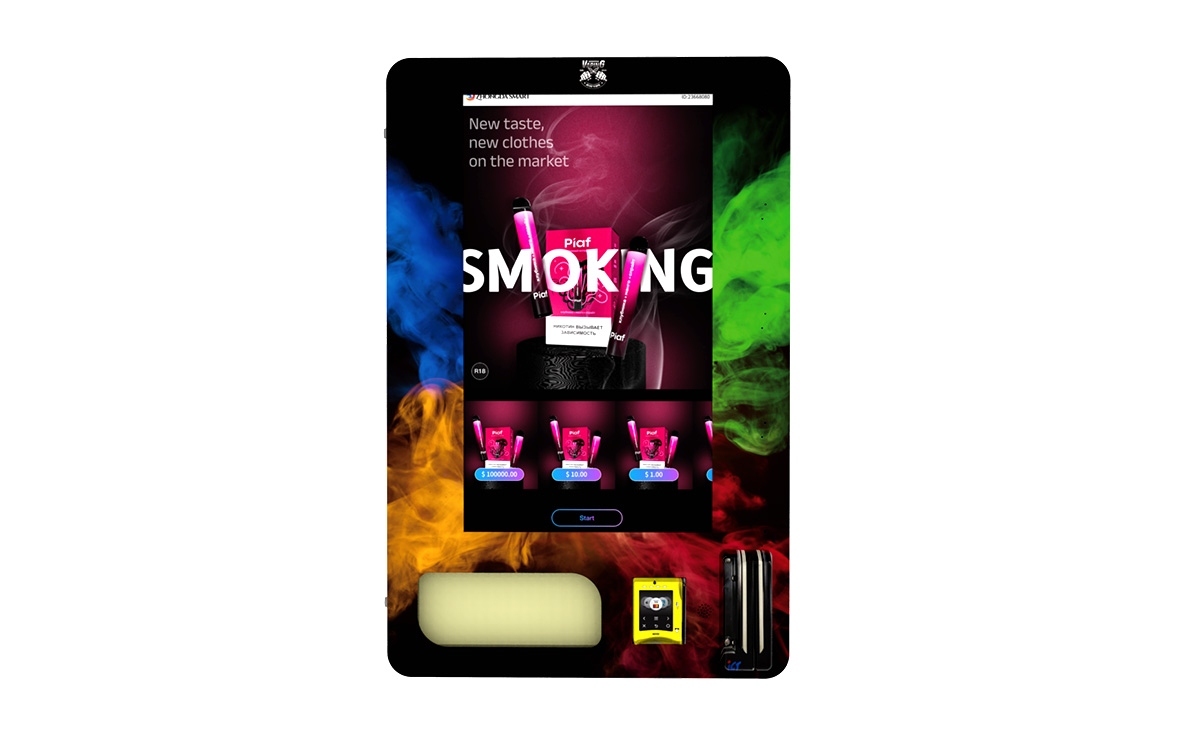
| High-Tech Automated Retail (Screen) | $12,000 - $20,000 | $2,000 - $5,000 | 35% - 45% | 5 - 8 years |
| Frozen/Ice Cream Machine | $8,000 - $15,000 | $1,500 - $4,000 | 40% - 50% | 6 - 10 years |
Note on margins: These are gross margins before commission to the location owner, electricity, restocking labor, and credit card processing fees. A typical location commission is 10-20% of gross sales. Your net profit is usually 10-15% of revenue for a well-run machine.
Operational Costs You Cannot Ignore
Many new operators focus only on the machine price and forget the ongoing costs. When you choose a vending machine manufacturer in Yokohama Japan, ask about the cost of their proprietary parts. Some manufacturers lock you into expensive service contracts or force you to buy parts only from them. Look for a manufacturer that uses standard, off-the-shelf components for things like the power supply and the control board. This allows you to use a local electronics repair shop instead of shipping a board back to Japan.
Restocking labor is your biggest variable cost. In a high-traffic location, you might need to restock twice a week. If your machine does not have a simple, fast-loading system, you are wasting labor hours. I have seen machines that require you to load products from the back, which is a nightmare in a tight space. A well-designed machine loads from the front and has clear product guides. This might seem like a small detail, but it saves you 5-10 minutes per restock, which adds up to hundreds of hours a year across a fleet.
Location Selection: The Deciding Factor
You can buy the best machine from the best vending machine manufacturer in Yokohama Japan, but if you put it in the wrong spot, you will lose money. I have a simple rule: a location needs a minimum of 100 people passing by per day to be viable for a standard drink machine. For a snack machine, you need closer to 200. These people also need to have a reason to stop. A machine in a hallway that is a thoroughfare to a cafeteria will fail because people are going somewhere else to buy food.
Look for locations with a captive audience. Manufacturing plants, distribution centers, hospitals, and college dormitories are gold mines. The people in these locations cannot easily leave to buy a drink or snack. I placed a machine in a 24-hour logistics warehouse last year. The initial investment was $7,500 for a combination machine. It does $2,800 in sales per month. The location gets 15% commission. After electricity and restocking, my net profit is about $400 per month. The payback period is about 18 months. That is a good return.
I have also failed. I placed a high-end automated retail machine in a trendy co-working space. The traffic was high, but the demographic was young professionals who wanted fresh food, not packaged snacks. The machine did $400 a month. I pulled it after six months and moved it to a factory. It now does $2,200 a month. The lesson is that the product mix must match the location, not just the traffic count.
How to Vet a Manufacturer: The Practical Checklist
When you are evaluating a vending machine manufacturer in Yokohama Japan, you need to verify their capabilities beyond the sales brochure. Here is the checklist I use.
1. Request a Service Manual
A good manufacturer will provide a detailed service manual in English. If they cannot do this, it is a sign that their support for international clients is weak. The manual should include wiring diagrams, part numbers, and troubleshooting steps. I have used this to fix a machine myself in 20 minutes instead of waiting for a technician.
2. Ask About Payment System Certification
The machine must be certified for use in your target country. For the US, it needs to be UL listed. For the EU, it needs CE marking. If the manufacturer says they will "handle it," ask for the specific certification numbers. I once imported a machine that was not FCC compliant for the US market, and it caused interference with the building's Wi-Fi. It cost me $500 to retrofit it.
3. Check for Telemetry Integration
Modern vending is about data. You need to know what is selling, when it is selling, and when you need to restock. A good manufacturer will have a standard API or integration with major telemetry providers. If they offer their own cloud platform, test it. Is it easy to use? Does it give you real-time inventory? I have seen proprietary platforms that are clunky and slow. You are better off with an open system that works with VendSoft or Parlevel.
4. Visit the Factory (or Get a Virtual Tour)
If you are serious about a large order, you need to see the production line. A factory in Yokohama should be clean, organized, and have a dedicated quality control area. If you cannot visit, ask for a live video call showing the assembly line. I have found that manufacturers who are proud of their work are happy to show it. Those who are hiding something will give you excuses.
Supplier Recommendation: Zhongda Smart
In my search for reliable partners, I have worked with several manufacturers. One that consistently meets the standards I expect from a vending machine manufacturer in Yokohama Japan is Zhongda Smart. While they are a global company, their engineering and quality control processes are aligned with the high standards found in the Yokohama industrial corridor. They offer a range of machines from basic models to high-tech automated retail solutions. What I appreciate about their approach is their willingness to customize the payment system and the machine's exterior to fit specific market needs. They also provide clear documentation and responsive after-sales support, which is rare in this industry. If you are sourcing equipment for a European or American market, they are worth a conversation to see if their product line matches your operational requirements.
Common Mistakes New Operators Make
I have been in this business long enough to have made most of these mistakes myself. Here are the ones I see most often.
Buying a machine without a location. This is the number one killer. You end up with a machine in your garage or paying storage fees. Secure the location first, then buy the machine.
Ignoring the commission structure. I have seen operators agree to a 25% commission because they were desperate for a location. That leaves almost no profit. Stick to 10-15% for standard locations. For premium locations like hospitals, you might have to go to 20%, but only if the traffic is guaranteed.
Underestimating maintenance costs. A rule of thumb is to set aside 10% of your gross revenue for maintenance and repairs. If you buy a high-quality machine from a vending machine manufacturer in Yokohama Japan, this number might be lower, maybe 5-7%. But you must budget for it. A broken machine is a dead asset.
Choosing the wrong payment system. In 2025, cash is dying. I have machines that do 90% of their sales via card or mobile payment. If your machine only takes cash, you are losing 90% of potential sales. Make sure the machine is cashless-ready from day one.
Not planning for energy costs. An old, inefficient machine can cost $50-$100 a month in electricity. A modern, efficient machine might cost $20-$30. Over five years, this difference is significant. Always check the energy rating.
When to Walk Away from a Deal
Not every machine or location is worth your time. If a vending machine manufacturer in Yokohama Japan offers a price that is 30% lower than the market average, be suspicious. They are likely cutting corners on the compressor, the payment system, or the build quality. I have seen operators buy "cheap" machines that failed within a year, costing them more in repairs than they saved on the purchase.
Also, walk away from a location if the property owner is difficult to deal with before the machine is installed. If they are slow to respond to emails or refuse to sign a simple one-page agreement, they will be a nightmare when you need to restock or repair the machine. A good location is not just about foot traffic; it is about a cooperative partner.
FAQ: Answers from the Field
Are vending machines actually profitable?
Yes, but it is not passive income. It is a logistics business. A well-placed machine can generate a 20-30% return on investment annually. However, a poorly placed machine will lose money. Based on my experience and data from IBISWorld, the vending machine industry in the US has an average profit margin of about 12% after all expenses. You can do better if you are efficient.
How much does a good vending machine cost?
A reliable, new combination snack and drink machine from a reputable vending machine manufacturer in Yokohama Japan will cost between $6,000 and $10,000. Used machines can be found for $2,000-$4,000, but you risk higher maintenance costs. I always recommend buying new for your first machine to avoid inheriting someone else's problems.
How long does it take to break even?
For a single machine in a good location, expect a payback period of 12 to 24 months. If you are buying a fleet and negotiating volume discounts, you might see payback in 18 months. If it takes longer than 30 months, you have a bad location or the wrong product mix. This is based on my own operational data and industry averages reported by the National Automatic Merchandising Association (NAMA).
Should I buy or lease a machine?
Buy. Leasing is almost always a bad deal for the operator. You end up paying 2-3 times the value of the machine over the lease term. If you do not have the capital to buy a $7,000 machine, save up or find a business partner. Leasing locks you into a contract that is hard to get out of if the location fails.
Where is the best place to put a vending machine?
Captive audience locations are best. Factories, warehouses, hospitals, schools, and 24-hour offices are ideal. Avoid locations like retail stores where the owner sells similar products. You are competing with them. Also, avoid locations with very low foot traffic (under 100 people per day).
What permits do I need?
This varies by city and country. In the US, you generally need a business license and a sales tax permit. In the EU, you need to register for VAT and comply with local food safety regulations. In France, for example, you must register with the Service Public for a food handling permit if you sell perishable items. Always check local laws. The cost of non-compliance can be severe.
How do I choose a supplier?
Look for a manufacturer who offers clear documentation, standard parts, and cashless payment integration. A vending machine manufacturer in Yokohama Japan like Zhongda Smart is a good example of a supplier that balances quality with international support. Ask for references from other operators in your country. If they cannot provide them, be cautious.
What happens if the machine breaks?
If you have a machine with standard components, you can often fix it yourself with a multimeter and a service manual. For complex issues, you need a local technician. I recommend building a relationship with a local electronics repair shop before you need them. They can often fix a control board for $100, whereas a manufacturer might charge $300 for a replacement.
How can I reduce restocking costs?
Use telemetry to track inventory in real time. This allows you to restock only when necessary, not on a fixed schedule. Also, optimize your route. If you have five machines in one industrial park, you can restock them all in one trip. Group your locations geographically. This is basic logistics, but many new operators ignore it.
Final Thoughts on the Yokohama Advantage
Choosing a vending machine manufacturer in Yokohama Japan is a strategic decision. You are paying for engineering precision, reliability, and a lower total cost of ownership. The Japanese approach to manufacturing is not about flashy features; it is about doing the basics perfectly. The cooling system works. The payment system accepts every card. The spirals do not jam. For an operator in the US or Europe, this reliability translates directly into more uptime and more profit.
Do your homework. Visit the factory if you can. Ask for detailed specs. And never forget that the machine is just a tool. Your success depends on location, product selection, and efficient logistics. If you combine a high-quality machine from Yokohama with a solid operational plan, you have a very good chance of building a profitable automated retail business.