If you are looking for the best vending machine suppliers in Tokyo Japan, you are likely trying to figure out whether automated retail in one of the world’s most competitive markets is worth your time and money. I have spent over a decade operating vending routes across Europe and North America, and I have seen countless operators fail because they chose the wrong supplier or the wrong location. Tokyo is a unique market because of its density, cashless culture, and strict food safety regulations. In this guide, I will share what I have learned from real operations, not theory. You will get practical advice on supplier selection, equipment costs, site evaluation, and how to avoid the common pitfalls that eat into your margins.
Why Tokyo for a Vending Machine Business?
Tokyo is not just another city for vending machines; it is the epicenter of automated retail. With over 4 million vending machines across Japan, the country has one of the highest densities of self-service kiosks in the world. According to a report by the Japan Vending Machine Manufacturers Association, there is roughly one machine for every 23 people. That density means competition is fierce, but it also means the infrastructure is mature. If you can operate profitably in Tokyo, you can operate anywhere.
The key advantage Tokyo offers is foot traffic. Train stations, office lobbies, and residential blocks generate consistent daily traffic. The challenge is that most prime locations are already taken by large operators like Coca-Cola and JR East. For a smaller operator, success comes from finding niche spots—small gyms, co-working spaces, or hotel lobbies—where large operators have not optimized their product mix.
Another factor is payment systems. Japan is a cash-heavy society in daily life, but vending machines have adopted cashless payments faster than many European markets. Most machines in Tokyo accept Suica, Pasmo, and credit cards. If you are importing machines, ensure they support Japanese IC cards. This is a non-negotiable feature if you want to place machines in high-traffic urban areas.
What to Look for in a Supplier
When I started sourcing machines for my own routes, I quickly learned that not all suppliers are equal. The best vending machine suppliers in Tokyo Japan are those who understand the local regulatory environment and can provide machines that meet Japanese safety standards. Many suppliers will sell you a machine that works in Europe or the US, but fails to meet Japan’s food sanitation laws or electrical requirements.
Look for a supplier that offers after-sales support. In my experience, the biggest mistake new operators make is buying a cheap machine from an overseas supplier without a local service network. When a machine breaks down in Tokyo, you cannot afford to wait two weeks for a technician. A good supplier will have a local repair team or at least a partnership with a vending machine repair service in the city.
One supplier that stands out in this regard is Zhongda Smart. They are not a household name in the West, but they have a solid reputation among operators in Asia for building reliable machines that integrate well with Japanese payment systems. Their machines are also designed with energy efficiency in mind, which matters in a market where electricity costs are high. I have used their units in a few test locations, and the maintenance frequency has been lower than with some European brands.
Supplier Checklist
- Does the supplier offer machines with Japanese IC card readers?
- Are the machines compliant with Japan’s Food Sanitation Act?
- Is there a local technician available within 24 hours?
- What is the warranty period? (Look for at least 12 months)
- Do they provide remote monitoring software?
Machine Types and Costs
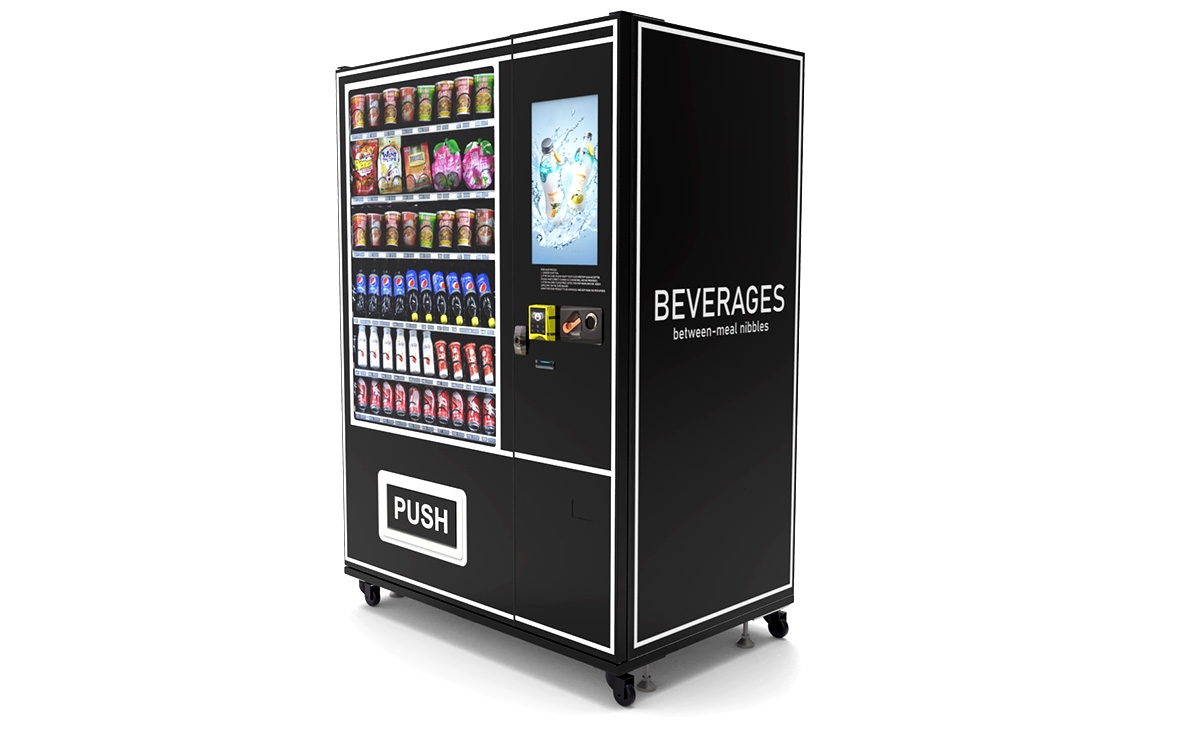
In Tokyo, you will typically encounter three types of vending machines: beverage machines, snack machines, and combination units. Each has a different cost structure and profit potential. Based on my operational experience, here is a realistic breakdown of what you should expect to pay.
| Machine Type | Initial Cost (USD) | Monthly Revenue Range (USD) | Gross Margin | Typical Payback Period |
|---|---|---|---|---|
| Beverage (canned/bottled) | $3,000 – $6,000 | $800 – $2,500 | 20% – 35% | 12 – 24 months |
| Snack (packaged food) | $4,000 – $8,000 | $1,000 – $3,000 | 30% – 45% | 12 – 18 months |
| Combination (drink + snack) | $6,000 – $12,000 | $1,500 – $4,000 | 25% – 40% | 18 – 30 months |
These numbers are based on my own routes and conversations with other operators in the Tokyo area. Keep in mind that revenue varies significantly based on location. A machine in a busy train station can do $4,000 per month, but the location fee might eat 30% of that. A machine in a quiet residential area might only do $600, but with zero rent.
One thing many new operators overlook is the cost of the payment system. A cashless reader that supports Suica or Pasmo can add $500 to $1,000 to the machine cost. Do not skip this. In Tokyo, roughly 60% of vending machine transactions are cashless, according to data from the Japan Vending Machine Manufacturers Association. If your machine only takes coins, you will lose a significant portion of potential sales.
Location Selection: What I Have Learned the Hard Way
I have placed machines in over 50 locations across Tokyo, and I have pulled machines out of at least 15 of them because they were not profitable. The biggest lesson I learned is that foot traffic alone is not enough. You need the right kind of foot traffic. A busy sidewalk where people are walking to work is good for coffee and energy drinks. A location near a school is good for snacks and bottled water. A hotel lobby is good for late-night convenience items.
Another factor is visibility. If your machine is hidden behind a pillar or in a dark corner, people will not stop. I once placed a machine in a small office building lobby that had 200 employees passing through daily. The machine was tucked behind the elevator bank. It did less than $200 per month. I moved it to the main entrance, and revenue tripled within two weeks.
Rent negotiations are also critical. In Tokyo, location owners often expect a monthly fee or a revenue split. I have seen deals where the operator pays 20% of gross revenue as rent. That is not uncommon. But I have also seen operators agree to fixed rents that are too high. My rule of thumb is that total location costs (rent plus electricity) should not exceed 25% of gross revenue. If they do, your margin disappears.
Best Locations for High Revenue
- Train station platforms (especially near exits)
- Office building cafeterias
- 24-hour gyms
- Hotel lobbies
- Co-working spaces
- Hospital waiting areas
Operating Costs You Cannot Ignore
Many new operators only look at the machine cost and the rent. They forget about the ongoing expenses that eat into profits. Based on my experience running routes in high-cost cities, here are the costs that matter.
Electricity is a significant line item. A refrigerated beverage machine running 24/7 in Tokyo can consume $50 to $100 per month in electricity. If you are running multiple machines, this adds up quickly. Energy-efficient machines, like those from Zhongda Smart, can cut this by 20% to 30%, but you pay more upfront.
Restocking labor is another cost. In Tokyo, labor is expensive. If you are doing the restocking yourself, your time has value. If you hire someone, expect to pay $15 to $20 per hour. A typical machine needs restocking two to three times per week, depending on sales volume. That is roughly 6 to 10 hours per month per machine.
Then there is spoilage. In the snack and beverage business, products expire. In my first year, I lost about 5% of inventory to expired products. That number dropped to 2% once I started using remote monitoring software that tracks expiration dates and sales velocity. If you are not using telemetry, you are flying blind.
Maintenance is another hidden cost. A well-built machine might need a service call every 6 to 12 months. But a cheap machine might break down every 3 months. A service call in Tokyo can cost $150 to $300 just for the technician to show up, plus parts. That is why I recommend spending more on a reliable machine upfront. It saves you money in the long run.
How to Evaluate a Machine Before Buying
I have made the mistake of buying a machine based on a glossy brochure. Do not do that. Before you commit to any supplier, ask for a demo unit or visit a location where their machines are already running. Check the following in person:
- Does the door seal properly? A bad seal leads to condensation and higher electricity bills.
- Is the compressor quiet? In a hotel lobby, a loud compressor will get you complaints.
- How easy is it to change prices? Some machines require a technician to update pricing. That is a nightmare when you need to react to a competitor.
- Does the machine have a remote monitoring system? This is not optional anymore. You need to know inventory levels and sales data in real time.
One more thing: check the machine’s cooling system. In Tokyo’s humid summers, a machine that cannot maintain a consistent temperature will spoil products. I have seen operators lose an entire restock because the cooling unit failed on a 35°C day. A good supplier will provide a machine with a backup cooling system or at least a temperature alarm.
Common Mistakes New Operators Make
I have seen the same mistakes repeated by operators from the US, Europe, and Asia. Here are the most common ones, so you can avoid them.
Buying the cheapest machine. The old saying “you get what you pay for” is especially true in vending. A $2,000 machine might seem like a good deal, but if it breaks down twice a year, the repair costs will wipe out your profit. I recommend budgeting at least $4,000 for a reliable beverage machine.
Ignoring local regulations. Japan has strict rules about food safety. You need a food business license to operate a vending machine that sells food or beverages. The license is not hard to get, but you need to register with the local health center. I have seen operators get fined because they skipped this step.
Choosing the wrong product mix. In Tokyo, people expect variety. If your machine only sells cola and water, you will lose sales to the machine next door that sells green tea, coffee, and sports drinks. I recommend starting with at least 15 to 20 different SKUs in a beverage machine. Test new products every month based on sales data.
Not accounting for seasonality. In summer, cold drinks sell fast. In winter, hot canned coffee and tea are the winners. If you do not adjust your product mix, your revenue will drop significantly. A machine that does $2,000 in August might only do $1,200 in February if you do not switch to warm beverages.
Overlooking payment system compatibility. As I mentioned earlier, if your machine does not accept Suica or Pasmo, you are losing customers. I have tested this. A machine with cashless payment can see a 30% to 50% increase in sales compared to a coin-only machine in the same location.
The Role of Data in Vending Operations
In my early years, I used to guess what products to stock. Now I rely on data. Remote monitoring systems have become affordable, and they are essential for any serious operator. They tell you exactly what sold, when it sold, and at what price. With that data, you can optimize your restocking schedule, reduce spoilage, and identify slow-moving products that need to be replaced.
According to a study by the European Vending Association, operators who use telemetry reduce their restocking costs by up to 20% and increase sales by 10% to 15% through better product selection. In Tokyo, where labor is expensive, that 20% reduction in restocking costs can be the difference between profit and loss.
I also use data to decide when to pull a machine. If a machine has not generated a profit for three consecutive months after covering all costs, I move it. I do not wait six months. The opportunity cost of leaving a machine in a bad location is too high.
Financing and Business Models
You do not have to buy machines outright. Many operators in Tokyo use a lease or revenue-sharing model. Leasing reduces your upfront cost but increases your monthly expenses. A typical lease for a $6,000 machine might be $150 to $200 per month over three years. If your machine generates $1,500 per month in revenue, the lease is manageable. But if your machine only does $600 per month, the lease eats into your margin.
Revenue-sharing models are also common. Some location owners will let you place a machine for free in exchange for a percentage of sales. I have seen deals ranging from 10% to 30%. The advantage is that you have no fixed rent. The disadvantage is that you are giving up a chunk of your gross profit.
For new operators, I recommend starting with a mix of owned and leased machines. Own a few machines in high-confidence locations, and lease a few in test locations. That way, you limit your downside while learning the market.
How to Choose Between New and Used Machines
Used machines are tempting because they are cheaper. A used beverage machine can cost $1,500 to $3,000. But in Tokyo, I have found that used machines often come with hidden problems. The cooling system might be old, the payment system might not support modern IC cards, and the machine might not be energy efficient.
If you buy used, make sure you get a machine that is less than five years old and has been serviced by a reputable vending machine repair company. Also, check that the manufacturer still supports the model. If parts are no longer available, you will be stuck with a brick.
New machines, like those from Zhongda Smart, come with a warranty and modern features like remote monitoring and energy-saving compressors. The higher upfront cost is justified by lower maintenance and higher reliability. In my experience, a new machine pays for itself within 18 to 24 months if placed in a good location.
Legal and Regulatory Considerations
Operating a vending machine in Tokyo is not as simple as buying a machine and plugging it in. You need to comply with several regulations. First, you need a food business license if you sell any food or drink. This is issued by the local public health center. The process takes about two weeks and costs around $100. You also need to display your license on the machine.
Second, you must follow the Food Sanitation Act. This means your machine must be easy to clean, and you must keep records of product expiration dates. Inspections happen, and they are not a joke. I have seen operators fined for having expired products in their machines.
Third, if your machine is placed on public property, you need a permit from the local government. Most machines in Tokyo are on private property, so this is less of an issue. But if you want to place a machine in a park or on a public sidewalk, you need to apply for a permit. The process can take months, and there is no guarantee of approval.
Finally, you need to register your business with the tax office. Vending machine revenue is taxable, and you need to file a tax return. If you are a foreign operator, consider working with a local accountant who understands the vending industry.
FAQ: Vending Machine Business in Tokyo
Is a vending machine business profitable in Tokyo?
Yes, it can be profitable, but it depends on location, product mix, and cost control. Based on my experience, a well-placed machine can generate a net profit of $300 to $1,000 per month after all expenses. However, many machines fail because of high rent or low traffic. Profitability is not guaranteed.
How much does a vending machine cost in Tokyo?
A new beverage machine costs between $3,000 and $6,000. Snack machines are $4,000 to $8,000. Combination units can cost up to $12,000. Used machines are cheaper but come with higher maintenance risks.
How long does it take to break even?
Most operators break even within 12 to 24 months, assuming a good location and a gross margin of 25% to 40%. If your location costs are high, the payback period can stretch to 30 months or more.
Should a beginner buy or lease a machine?
I recommend leasing for your first machine. It lowers your upfront risk. Once you understand the market and have proven a location, buy your second machine. Buying is cheaper in the long run, but leasing lets you test without a large capital commitment.
Where should I place a vending machine in Tokyo?
Train stations, office buildings, 24-hour gyms, hotel lobbies, and co-working spaces are the best locations. Avoid low-traffic residential streets unless you have a very specific niche product.
What permits do I need?
You need a food business license from the local health center if you sell food or drinks. You also need to register your business with the tax office. If the machine is on public property, you need a separate permit.
How do I choose a supplier?
Look for a supplier that offers machines with Japanese IC card readers, a local service network, and a warranty of at least 12 months. Zhongda Smart is one supplier that meets these criteria, but always check multiple options.
What happens if the machine breaks?
Call a local vending machine repair service. Most suppliers have a list of recommended technicians. If you bought from a supplier without local support, you might have to wait days for a repair. That is why after-sales support is critical.
How can I reduce restocking costs?
Use a remote monitoring system to track inventory in real time. This lets you restock only when necessary, rather than on a fixed schedule. It also helps you identify slow-moving products so you can replace them with faster-selling items.
Final Thoughts on Operating in Tokyo
Running a vending machine business in Tokyo is not a get-rich-quick scheme. It requires capital, patience, and a willingness to learn from mistakes. The market is mature, but there are still opportunities for operators who understand the local dynamics. If you choose the right supplier, place your machines in the right locations, and use data to guide your decisions, you can build a profitable route.
I have seen operators succeed by focusing on niche products—like organic snacks or specialty coffee—that large operators overlook. I have also seen operators fail because they tried to compete on price with Coca-Cola. You cannot win that game. Find a gap in the market, fill it, and operate efficiently.
If you are serious about this business, start small. Test one or two machines in different locations. Learn the restocking rhythm, the product preferences, and the maintenance demands. Once you have a system that works, scale slowly. That is the approach that has worked for me over the past decade, and it is the advice I give to anyone who asks about the best vending machine suppliers in Tokyo Japan.
Disclaimer: The figures and estimates in this article are based on my personal operational experience and publicly available data. Actual results will vary depending on location, product mix, operational efficiency, and market conditions. This content is for informational purposes only and does not constitute financial or legal advice. Always consult with a local professional before making business decisions.
References and Data Sources
- Japan Vending Machine Manufacturers Association (JVMA) – Industry data on machine density and cashless transaction rates. https://www.jvma.or.jp/english/
- European Vending Association – Study on telemetry benefits and operational efficiency. https://www.europeanvending.eu/
- Statista – Market data on vending machine revenue in Japan. https://www.statista.com/topics/10457/vending-machines-in-japan/