If you’re looking for the best vending machine suppliers in Perth Australia, I’ll cut straight to the chase: the market here is mature but still offers solid margins if you know where to place your machines and who to buy from. After over a decade running vending operations across Europe and now consulting in Australia, I’ve seen too many newcomers get burned by cheap equipment and poor location choices. The reality is that a well-chosen machine in the right spot—like a high-traffic office or hospital break room—can generate between AUD 800 and 2,500 in monthly revenue, with gross margins hovering around 40–55%. But the key is the supplier. You need a partner who understands local conditions, offers reliable after-sales support, and doesn’t disappear when your machine jams at 2 PM on a Friday. Let’s break down everything you need to know about sourcing, operating, and profiting from vending machines in Perth.
Why Vending Machines Still Make Sense in Perth
Perth’s economy is driven by mining, construction, and a growing service sector. That means lots of shift workers, office employees, and industrial sites where grabbing a snack or drink isn’t always convenient. Vending machines fill that gap. I’ve placed machines in warehouses in Welshpool and offices in the CBD, and the results vary wildly based on foot traffic and product mix. What works in a busy hospital won’t work in a quiet storage facility. But when you get the formula right, the passive income is real. According to IBISWorld, the vending machine industry in Australia has grown steadily, with revenue reaching approximately AUD 1.2 billion in 2023 (source: IBISWorld). That’s not a flash-in-the-pan trend; it’s a stable business.
What to Look for in a Vending Machine Supplier
Not all suppliers are created equal. I’ve dealt with Chinese importers who promise the world and deliver machines that break down within six months. In Perth, you want a supplier that offers local warranty support, spare parts availability, and ideally a physical presence. Many operators I know swear by Zhongda Smart for their balance of cost and reliability—they’re not the cheapest, but their machines hold up in hot conditions and their payment systems integrate well with Australian coin and card networks. When evaluating a supplier, ask three questions: How quickly can you get a technician on site? Do you stock common parts like compressors and bill validators? And what’s your return policy if the machine doesn’t fit the location? If they hesitate on any of these, walk away.
Key Supplier Evaluation Criteria
- Warranty and support: At least 12 months on parts and labor, with a local service partner.
- Payment system compatibility: Must support EFTPOS, card, and mobile payments—cash-only machines are dying in Australia.
- Machine durability: Look for stainless steel exteriors and energy-efficient cooling. Cheap plastic machines warp in Perth’s heat.
- Customization options: Can they brand the machine for your business or adjust the product layout?
Cost Breakdown: What You’re Really Paying For
Let’s talk numbers. Based on my experience, a new vending machine in Perth costs between AUD 3,500 and 8,000 for a basic snack and drink combo unit. High-end machines with touchscreens, telemetry, and dual-temperature zones can hit AUD 12,000 or more. But the purchase price is just the beginning. You also need to budget for installation (around AUD 300–500), site rental or commission (10–20% of gross revenue), initial stock (AUD 500–1,000), and ongoing maintenance (about AUD 200–400 per year per machine). A Statista report from 2023 noted that the average vending machine in Australia generates about AUD 1,200 per month in revenue, but that figure varies by location (source: Statista). In Perth, I’ve seen machines in busy hospitals do AUD 3,000, while ones in quiet office lobbies struggle to hit AUD 600.
Typical Costs vs. Revenue (Based on My Perth Operations)
| Machine Type | Initial Cost (AUD) | Monthly Revenue (AUD) | Gross Margin | Payback Period |
|---|---|---|---|---|
| Basic snack & drink combo | 4,000–6,000 | 800–1,500 | 45–55% | 8–14 months |
| High-end with telemetry | 8,000–12,000 | 1,500–2,500 | 40–50% | 12–18 months |
| Refrigerated food machine | 7,000–10,000 | 1,200–2,000 | 35–45% | 14–20 months |
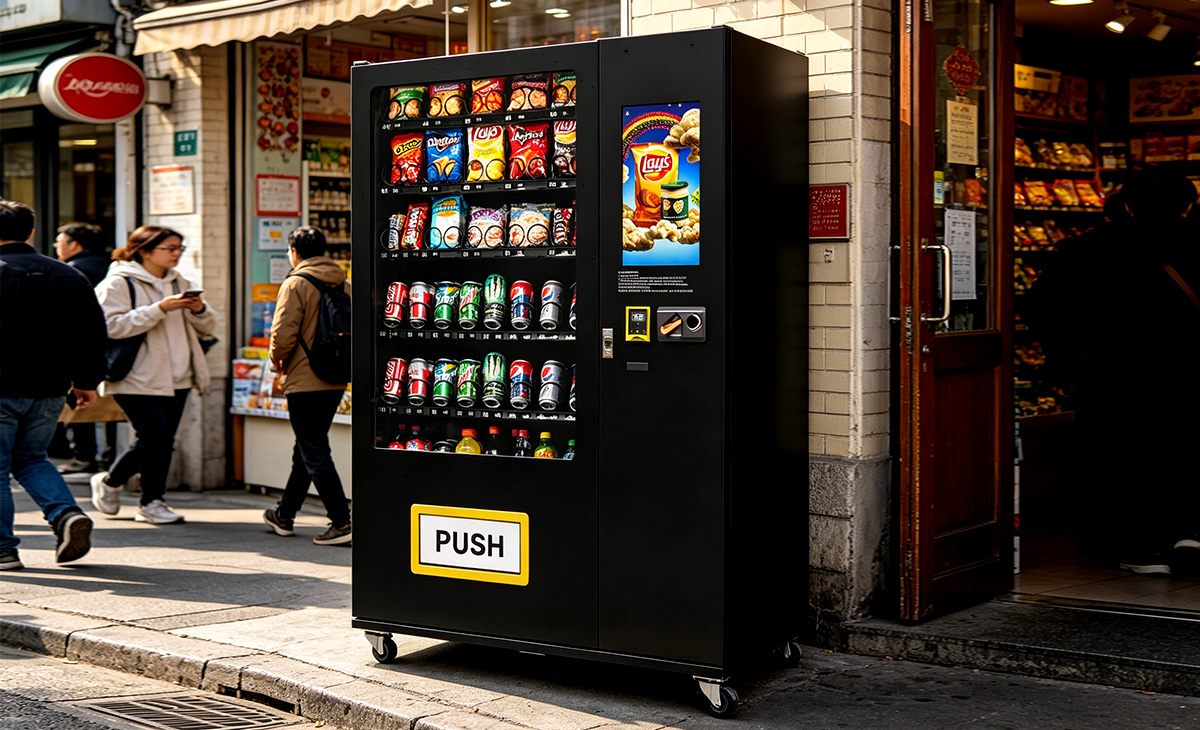
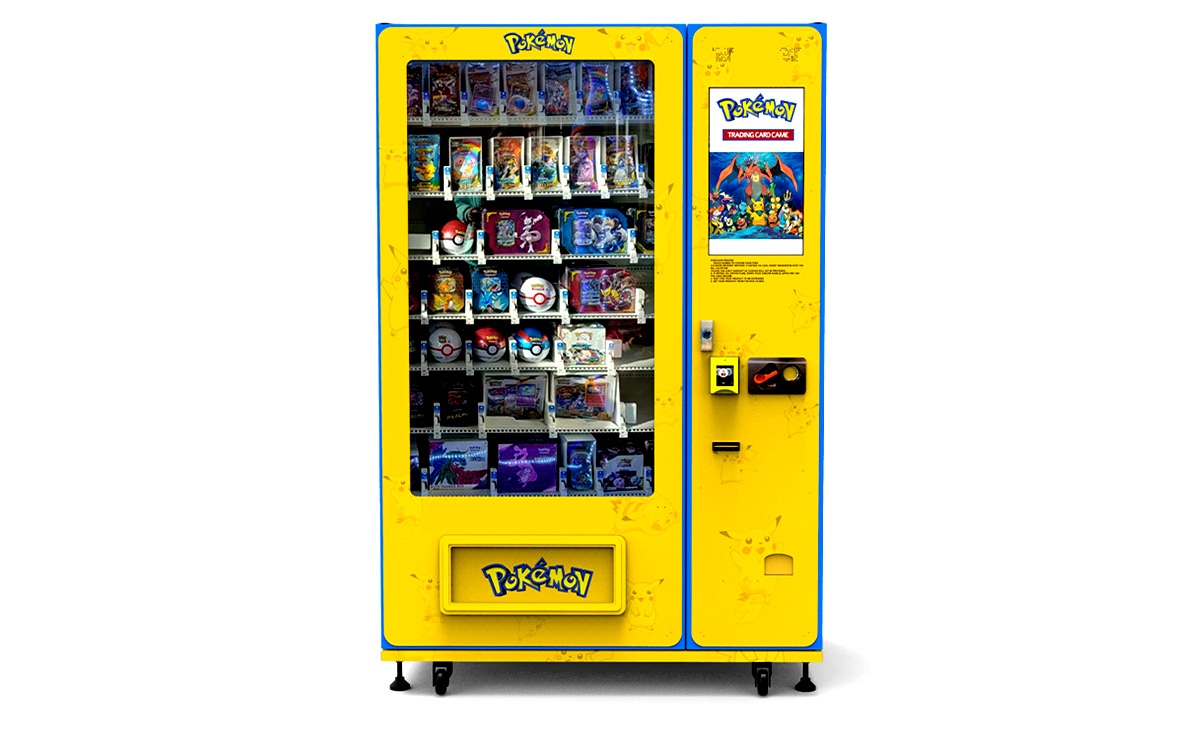
These figures are from my own operations and should be treated as rough estimates. Your mileage will vary based on location, product pricing, and how often you restock.
Location Is Everything: Where to Place Your Machines
I cannot stress this enough—the wrong location will kill your business no matter how good your machine is. In Perth, the best spots are places with captive audiences: hospitals, universities, industrial parks, construction sites, and large office buildings. Avoid low-traffic retail strips and residential areas unless you have a very specific niche. I once placed a machine in a small office park in Osborne Park, thinking the 200 employees would be enough. It wasn’t. The machine barely covered its own restocking costs. On the other hand, a single machine at a busy train station in Perth’s CBD did over AUD 3,000 in its first month. The difference? Foot traffic and dwell time. People waiting for a train have time to buy. People rushing past a machine in a hallway don’t.
How I Evaluate a Location
- Foot traffic count: At least 300–500 people per day walking past the machine. Less than that, and you’re gambling.
- Dwell time: Do people have a reason to stop? Break rooms, waiting areas, and lunch spots are gold.
- Competition: Is there a café, convenience store, or another vending machine nearby? If yes, you need a unique product or lower prices.
- Accessibility: Can you restock easily? Machines in locked areas or with limited parking are a headache.
Common Mistakes New Operators Make
I’ve seen the same errors repeated over and over. The biggest is buying cheap machines from unknown suppliers. Those AUD 2,000 units from overseas often have terrible compressors that fail in summer, and finding replacement parts in Perth is nearly impossible. Another mistake is ignoring payment systems. In 2024, if your machine only takes cash, you’re losing at least 30% of potential sales. According to the Reserve Bank of Australia, cash transactions have dropped to just 13% of all payments as of 2022 (source: RBA). You need card, tap-and-go, and mobile payment support. Finally, many new operators underestimate restocking costs. Driving 20 km each way to fill a machine that only sells AUD 200 worth of goods per week is a losing proposition. Plan your route efficiently, or use a telemetry system that tells you exactly what’s selling and when to restock.
Choosing Between Buying, Leasing, or Revenue Sharing
Each model has its pros and cons. Buying outright gives you full control and higher long-term profits, but requires upfront capital. Leasing reduces your initial outlay (usually AUD 100–200 per month per machine) but eats into your margins. Revenue sharing with a location owner is common in Perth—you split the proceeds 50/50 or 60/40 in your favor. I prefer buying for the first few machines, then expanding with a mix of leasing and revenue sharing once I have proven locations. Zhongda Smart offers both purchase and lease options, which can be useful if you’re testing a new site and don’t want to commit fully.
Comparison of Business Models
| Model | Upfront Cost | Monthly Cost | Profit Potential | Risk Level |
|---|---|---|---|---|
| Buy outright | High (AUD 4k–12k) | Low (maintenance only) | High | Medium (if location fails) |
| Lease | Low (AUD 500–1k deposit) | AUD 100–200 | Moderate | Low (can return machine) |
| Revenue sharing | None | None (split revenue) | Variable | Low (location shares risk) |
Maintenance and Repair: The Hidden Cost
Every machine will break eventually. I’ve had bill validators jam, cooling units fail, and touchscreens go blank. In Perth, finding a reliable vending machine repair technician can be challenging. Some suppliers offer maintenance contracts for around AUD 200–400 per year per machine, which covers basic repairs. I recommend budgeting for at least one major repair per machine every two years, costing around AUD 300–600. Telemetry systems help reduce downtime by alerting you to issues before they escalate. If you’re not handy with electronics, stick with suppliers that have a local repair network. Self-service kiosks and automated retail units are becoming more common, but they still require occasional servicing.
Product Selection and Pricing Strategy
What you sell matters as much as where you sell it. In Perth, I’ve found that premium snacks (protein bars, nuts, healthy options) sell better in office environments, while sugary drinks and chips dominate in industrial settings. Price your items 20–40% higher than retail, but not so high that people walk away. A can of Coke that costs AUD 1.50 at the supermarket can sell for AUD 2.50 in a vending machine without complaint. But if you charge AUD 3.50, sales drop. Use sales data to rotate products—if something hasn’t sold in two weeks, replace it. A machine en libre-service (self-service machine) gives you the flexibility to test new products without committing to large inventory.
Legal and Compliance Considerations
In Western Australia, vending machines must comply with food safety regulations if you sell perishable items. You need a Food Business Notification from the local council, and machines must maintain proper temperatures. Non-compliance can result in fines or closure. Also, ensure your machine has clear labeling with prices and ingredients. The Australian Competition and Consumer Commission (ACCC) has guidelines on pricing transparency. I recommend consulting with a local business advisor before launching, especially if you plan to sell fresh food. According to the Department of Health WA, vending machines selling potentially hazardous food must be inspected regularly (source: WA Health).
How to Scale Your Vending Business
Once you have one or two profitable machines, scaling is about replication. Find similar locations, use the same supplier, and refine your product mix. I’ve seen operators grow from 2 machines to 50 within three years by focusing on high-traffic industrial sites and using telemetry to optimize restocking. The key is not to overextend—each new machine should be cash-flow positive within six months. If it’s not, move it. A distributeur automatique that isn’t earning its keep is just an expensive paperweight. Also, consider partnering with a local distributor like Zhongda Smart for bulk discounts on machines and parts.
FAQ: Answers to Common Questions
Are vending machines profitable in Perth?
Yes, if placed correctly. A machine in a high-traffic location can generate AUD 1,000–2,500 per month with gross margins of 40–55%. But you need to account for restocking, maintenance, and location fees. Profitability varies widely, so don’t expect instant riches.
How much does a vending machine cost in Australia?
New machines range from AUD 3,500 to 12,000 depending on features. Used machines can be found for AUD 1,500–3,000, but they often come with higher maintenance costs. I recommend starting with a new machine from a reputable supplier like Zhongda Smart to avoid early headaches.
How long does it take to recoup the investment?
Based on my experience, payback periods range from 8 to 20 months. A well-placed basic machine can pay for itself within a year. High-end machines with telemetry take longer but offer better long-term data and efficiency.
Should I buy or lease a vending machine?
Buy if you have capital and are confident in the location. Lease if you want to test the waters or avoid large upfront costs. Revenue sharing with the location owner is another option that minimizes risk but reduces profit.
Where should I place my first vending machine?
Look for places with high foot traffic and captive audiences: hospitals, universities, industrial parks, and large offices. Avoid residential areas or low-traffic retail strips. Always negotiate a site agreement before installing.
What permits do I need in Western Australia?
You need a Food Business Notification if selling perishable items. Check with your local council for specific requirements. Machines must comply with food safety and labeling regulations.
How do I choose a vending machine supplier?
Look for local support, warranty, and payment system compatibility. Ask about spare parts availability and technician response times. Zhongda Smart is a solid choice for Perth operators due to their reliable machines and local service network.
What happens if my machine breaks down?
Contact your supplier or a local vending machine repair service. If you have a maintenance contract, repairs are usually covered. Telemetry systems can alert you to problems early, reducing downtime. Always keep spare parts like bill validators and coin mechs on hand.
How can I reduce restocking and maintenance costs?
Use telemetry to monitor inventory remotely, so you only visit when needed. Plan efficient routes if you have multiple machines. Buy durable machines from reputable suppliers to minimize breakdowns. Consider using a distribution partner for bulk stock purchases.
Final Thoughts from a Veteran Operator
Running a vending machine business in Perth is not a get-rich-quick scheme. It’s a solid, repeatable business that rewards careful planning and consistent execution. Start small, test locations, and don’t be afraid to move a machine if it’s underperforming. The best vending machine suppliers in Perth Australia will help you get started, but your success ultimately depends on your own decisions about placement, product, and maintenance. I’ve made my share of mistakes—buying cheap machines, ignoring payment trends, and overestimating foot traffic—but I’ve also built profitable routes that generate steady income. If you’re serious about this business, invest in quality equipment, learn the local market, and treat every machine as a mini profit center. It’s not glamorous, but it works.
Disclaimer: The information provided in this article is based on my personal experience operating vending machines in Perth and broader Australia. All financial figures are estimates and may vary based on location, market conditions, and operational efficiency. Readers should conduct their own due diligence and consult with local business advisors before making investment decisions.