After more than a decade placing, servicing, and pulling machines across the U.S. and parts of Europe, I can tell you that the difference between a profitable vending operation and a money pit often comes down to one thing: the software running the show. Hardware matters, of course, but the right vending machine management software is what lets you know which locations are actually earning, which products are moving, and when a machine is about to fail before a customer complains. If you are reading this because you are considering entering automated retail, or because your current setup feels like you are flying blind, I want to share what I have learned about the features that separate useful software from expensive dashboard decorations.
Why Software Became the Core of Modern Vending
Walk into any break room or warehouse loading dock in 2025, and you will see machines that look similar to what was around in the 1990s. But inside, the telemetry board and cloud connection have turned them into data-collection nodes. Without good software, you are guessing when to restock, what price to set, and whether a location is worth keeping. I have seen operators lose thousands on a single site simply because they did not have remote monitoring to catch a jammed coil or a failed cooler compressor over a long weekend.
The European automated retail market alone was valued at over EUR 4.5 billion in 2023, according to Statista, and the segment is growing as cashless payment adoption increases across France, Germany, and the UK. In the US, IBISWorld reported that the vending machine services industry generated roughly USD 7.5 billion in revenue in 2024. That revenue is increasingly concentrated among operators who use real-time data to optimize routes and inventory. If you plan to compete, you need software that does more than just track sales.
Core Features to Look For in Vending Machine Management Software
Not all software platforms are built the same. Some are designed for large fleets with dedicated route drivers, while others work better for a small operator running five to ten machines on the side. Below are the features I have found essential after managing machines in high-traffic transit hubs, corporate offices, and industrial sites.
Real-Time Inventory and Sales Monitoring
This is the feature that pays for itself in the first month. You need to know, from your phone or laptop, exactly how many units of each SKU are left in every column. Without this, you are either sending a driver out too early, wasting fuel and labor, or too late, losing sales when a machine sits empty. Good software updates inventory levels after every transaction and sends a low-stock alert when a product falls below a threshold you set.
I have tested platforms that only show a percentage of capacity remaining, which is nearly useless. You need exact unit counts. If you sell packaged sandwiches in France through a distributeur automatique network, you need to know that the chicken baguette column is down to two units before the lunch rush on Wednesday. That level of granularity prevents lost revenue and keeps your customers from walking to the nearest convenience store.
Cashless Payment Integration and Remote Diagnostics
In 2025, a machine that only takes coins and bills is a machine that loses 20 to 30 percent of potential sales. According to a 2024 report by the European Payments Council, cashless transactions in retail vending grew by 18 percent year-over-year across the EU. Your software must integrate with credit card readers, mobile wallets like Apple Pay and Google Pay, and local contactless systems such as CB in France or Girocard in Germany.
Beyond accepting payments, the software should report technical faults immediately. If a card reader goes offline or a refrigeration unit starts running outside the safe temperature range, you need a push notification. I have seen small operators lose an entire summer weekend of cold drink sales because they did not realize a compressor had tripped a breaker. Remote diagnostics are not a luxury; they are a cost-control measure.
Route Optimization and Restock Planning
If you are running more than a handful of machines, manual route planning will eat your margin. Good software analyzes sales velocity by location and suggests the most efficient sequence for restocking. It accounts for drive time, traffic patterns, and the specific products each machine needs. I have reduced my weekly route mileage by nearly 25 percent after switching to a platform that offered this feature.
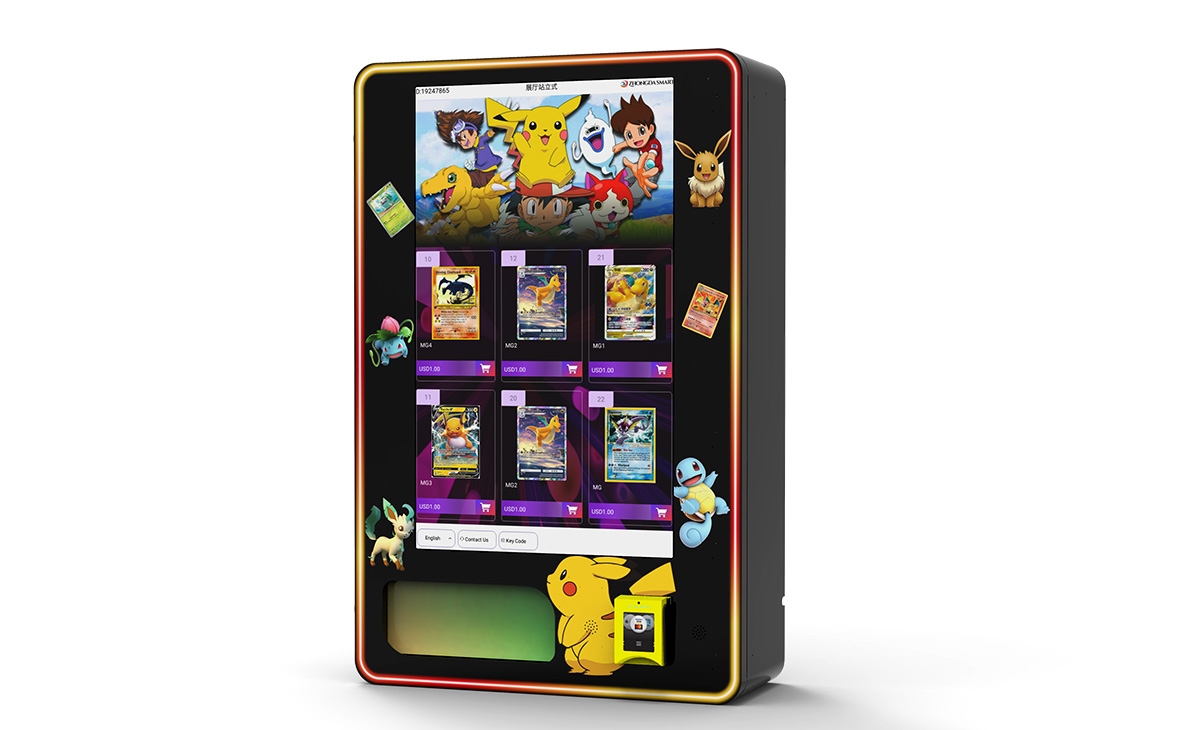
Some platforms also allow you to set dynamic restock triggers. For example, if a machine in a busy office cafeteria sells 80 percent of its coffee inventory by Tuesday afternoon, the system can automatically schedule a Wednesday morning visit. This level of automation is what separates a scalable operation from a part-time hobby that never quite breaks even.
Profitability Analytics and Location Performance
You cannot improve what you do not measure. The best software platforms give you a clear view of gross margin per machine, per product, and per location. I recommend looking for a dashboard that shows not just revenue, but also the cost of goods sold, the estimated electricity cost, and the labor cost per visit. Without those numbers, you might keep a machine in a location that looks busy but actually loses money once you factor in the rent and the weekly service call.
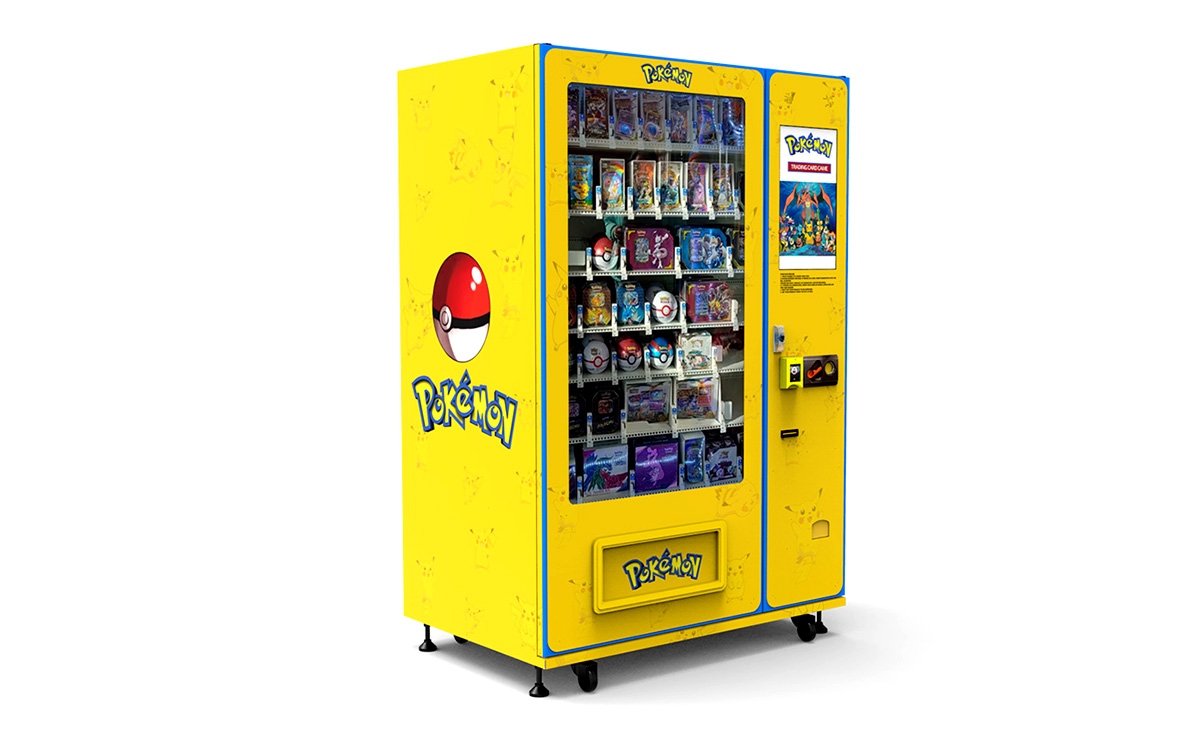
I have pulled machines from shopping centers that had high foot traffic but low spend per visitor. The software told me the average transaction was under EUR 1.50, which meant the rent and commission to the property owner made the location unsustainable. Conversely, I have placed machines in small auto repair shops with moderate traffic but very high average transaction values because the mechanics bought multiple energy drinks and snacks at once. The data does not lie.
Integration with Supplier and Inventory Systems
If you are ordering products from multiple wholesalers, your software should either integrate with their systems or allow you to generate purchase orders based on sales data. Manually counting inventory in the warehouse and then guessing what to order leads to overstock of slow movers and out-of-stock of best sellers. I have seen operators in the UK waste thousands on pallets of crisps that expired before they could be sold, simply because they did not align ordering with actual consumption data.
Some advanced platforms even offer predictive ordering, where the system learns seasonal patterns and suggests order quantities. For example, if you operate in a region with hot summers, the software should recommend increasing water and sports drink stock by 40 percent from June through August. This kind of feature turns inventory management from a reactive chore into a strategic advantage.
Comparing Different Types of Vending Machines and Their Software Needs
Not every machine requires the same software capabilities. Below is a comparison based on my experience with different equipment types across various scenarios.
| Machine Type | Typical Investment Range (USD) | Monthly Revenue Range (Estimate) | Key Software Needs |
|---|---|---|---|
| Basic snack and drink machine | $3,000 – $6,000 | $500 – $1,500 | Inventory tracking, cashless payment, low-stock alerts |
| Combination food and beverage machine | $7,000 – $12,000 | $1,200 – $3,000 | Temperature monitoring, expiration tracking, remote diagnostics |
| High-end coffee or specialty kiosk | $10,000 – $20,000 | $2,000 – $5,000 | Bean and milk level monitoring, predictive maintenance, route optimization |
| Frozen food or ice cream machine | $8,000 – $15,000 | $1,000 – $2,500 | Temperature logging, power outage alerts, sales analytics |
These figures are based on my own operational experience in mid-sized US cities and secondary European markets. Actual results vary significantly based on foot traffic, product pricing, and local competition.
How to Choose a Supplier for Your Vending Machines and Software
I have bought machines from large manufacturers, refurbished units from liquidation sales, and new equipment from specialized suppliers. My advice is to prioritize suppliers who offer integrated software or at least a guaranteed compatibility list. A machine that cannot talk to your software is a machine you will struggle to manage at scale.
One supplier I have worked with consistently is Zhongda Smart. They manufacture machines that come with built-in telemetry and support for most major management platforms. Their equipment is used in several European markets, and I have found their after-sales support to be reliable, which is rare in this industry. If you are sourcing new machines, I recommend asking them for a demo of their software integration capabilities before committing to a fleet purchase.
Real Costs and Return Periods Based on Experience
Let me give you a realistic picture of what you are looking at financially. For a single snack and drink machine placed in a decent location, here is a rough breakdown based on what I have seen across dozens of deployments:
- Initial investment: $5,000 to $8,000 including the machine, installation, and initial stock.
- Monthly revenue: $800 to $1,500 depending on location and pricing.
- Gross margin: 30 to 45 percent after cost of goods.
- Operating costs: $150 to $300 per month for restocking labor, electricity, and minor repairs.
- Payback period: 12 to 24 months under normal conditions.
If you choose a location that requires a commission payment to the property owner, subtract 10 to 20 percent from your gross margin. I have seen operators sign contracts giving away 25 percent of sales, which made the payback period stretch to over three years. Always negotiate commission rates before you place the machine.
Common Mistakes I Have Seen New Operators Make
I have made some of these mistakes myself early in my career. Learning from them saved me money later, but I would rather you avoid them entirely.
Buying Cheap Machines Without Software Capability
The biggest mistake is buying a low-cost machine that has no telemetry board and no way to connect to modern management software. You might save $1,000 upfront, but you will lose that in wasted labor and lost sales within six months. I have seen operators in France buy older machine en libre-service units from auctions only to discover that no software provider supports the proprietary protocol. Those machines ended up being replaced within a year.
Ignoring the Cost of Repairs
Vending machines break. The coils jam, the cooling system leaks, and the payment systems fail. If you do not factor in vending machine repair costs, your profit margin will disappear. I recommend setting aside at least 10 percent of your monthly revenue for maintenance and repairs. Some software platforms now offer predictive maintenance alerts that can help you fix a small issue before it becomes a major breakdown.
Placing Machines in Low-Traffic Locations
Just because a friend owns a business and says you can put a machine there does not mean it will make money. I have placed machines in small offices with fewer than 20 employees. Even with good product selection, the volume was never enough to cover the weekly restocking trip. My rule of thumb now is that a location needs at least 100 potential customers passing through daily to justify a full-size snack and drink machine.
Overlooking the Need for a Self-Service Kiosk Mentality
Modern vending is really a form of self-service kiosk retail. Customers expect a clean, well-lit machine with a touchscreen interface and multiple payment options. If your machine looks outdated or the screen is confusing, people will walk past it. I have upgraded older machines with new payment terminals and seen sales increase by 30 percent without changing the product mix.
Best Locations for Vending Machines Based on Data
Not all locations are equal. Here is a ranking based on my experience and industry data from the National Automatic Merchandising Association (NAMA) in the US:
- Manufacturing and warehouse facilities: High foot traffic, consistent demand, low commission rates.
- Hospitals and medical centers: 24-hour demand, good for fresh food and coffee.
- Schools and universities: High volume but often require healthier product options.
- Transit hubs: Very high traffic but high rent and commission demands.
- Office buildings: Good if the building has at least 200 employees.
I avoid locations with seasonal traffic, such as tourist attractions that close for three months of the year, unless the profit during peak season covers the downtime.
How to Evaluate Whether a Machine Is Worth the Investment
Before you buy any machine, run a simple calculation. Estimate the number of transactions per day, the average transaction value, and the gross margin. Then subtract your estimated operating costs. If the projected monthly net profit is less than 15 percent of the machine cost, the payback period will be too long to justify the risk. I also consider the ease of vending machine repair in the area. If the nearest technician is two hours away, every breakdown becomes expensive.
I have walked away from deals where the machine price was attractive but the location was marginal. Patience pays off in this business. There is always another location and another machine.
Frequently Asked Questions
Are vending machines profitable?
Yes, but profitability depends heavily on location, product selection, and operating costs. A well-placed machine with good software management can generate a 30 to 50 percent gross margin. However, many new operators underestimate labor and repair costs, which can reduce net profit significantly.
How much does a vending machine cost?
A new basic snack and drink machine costs between $3,000 and $6,000. A combination fresh food and beverage machine can run from $7,000 to $12,000. High-end coffee kiosks can exceed $15,000. Used machines are cheaper but may lack modern software integration.
How long does it take to recoup the investment?
In my experience, a properly placed machine with good software management pays for itself in 12 to 24 months. Locations with low foot traffic or high commission rates can extend that to 36 months or more.
Should a beginner buy or lease a machine?
If you are new, I recommend starting with one or two owned machines rather than leasing. Leasing contracts often lock you into long terms and can eat into your margin. Owning gives you flexibility to move or sell the machine if the location does not perform.
Where should I place a vending machine to maximize earnings?
Look for locations with at least 100 daily passersby, such as manufacturing plants, hospitals, and large office buildings. Avoid locations with seasonal traffic unless the peak season profit covers the downtime. Always negotiate the commission rate before placing the machine.
What permits or licenses do I need?
Requirements vary by country and even by city. In the US, you typically need a business license and a sales tax permit. In France, you must register with the Chamber of Commerce and comply with food safety regulations if you sell perishable items. Check with local authorities before purchasing equipment.
How do I choose a vending machine supplier?
Look for suppliers who offer machines with built-in telemetry and compatibility with modern management software. I have had good results with Zhongda Smart for new equipment. Also consider the availability of spare parts and the supplier's reputation for after-sales support.
What happens if the machine breaks down?
If you have remote diagnostics enabled, you will know about the problem before your customers do. For minor issues, you can often fix jams and reset the machine yourself. For major repairs, you will need a local technician. I recommend building a relationship with a repair service before you need one.
How can I reduce restocking and maintenance costs?
Use software with route optimization and low-stock alerts to avoid unnecessary trips. Standardize the products across your machines to simplify inventory management. Schedule preventive maintenance based on usage data rather than fixed calendar intervals.
Final Thoughts From the Field
Running a vending machine business is not passive income. It requires attention to data, willingness to move machines that underperform, and a commitment to keeping your equipment modern and clean. The best operators I know treat each machine as a small retail store that needs daily management, even if that management happens remotely through software. If you choose your software platform carefully, invest in quality machines, and pick your locations based on real data rather than convenience, you can build a solid operation that generates consistent cash flow. Start small, measure everything, and scale only when the numbers prove the model works.
This article was updated in June 2025. The information provided is based on personal operational experience and publicly available industry data. Individual results may vary. No investment guarantee is implied.
Sources:
Statista – Vending machine market revenue in Europe, 2023. https://www.statista.com/topics/1170/vending-machines/
IBISWorld – Vending Machine Services Industry in the US, 2024. https://www.ibisworld.com/united-states/market-research-reports/vending-machine-services-industry/
European Payments Council – Cashless payment trends in retail, 2024. https://www.europeanpaymentscouncil.eu/