If you are searching for the best vending machine suppliers in Miami USA, you are likely trying to figure out where to start, what equipment to trust, and whether this business actually makes sense in South Florida. After over a decade of operating vending routes across Miami, Orlando, and Tampa, I can tell you that supplier selection is the single most important decision you will make. A bad machine from a cheap supplier will eat your profits through repairs, card reader failures, and refrigeration issues. A good supplier, on the other hand, gives you reliable hardware, local support, and equipment that actually works in Miami’s humid climate. In this article, I will walk you through everything I have learned about choosing suppliers, estimating costs, avoiding common mistakes, and making real money with automated retail in Miami.
Why Miami is a Unique Market for Vending Machines
Miami is not like Chicago or Seattle. The heat and humidity here put serious stress on refrigeration units, electronics, and even coin mechanisms. I have seen machines fail within six months because the supplier used a standard cooling system not rated for tropical environments. If you are buying from a supplier who does not understand this, you will end up with frequent breakdowns and lost sales. Miami also has a dense mix of tourism, office workers, construction sites, and apartment buildings. A well-placed machine in a Brickell high-rise or near a busy Metrorail station can generate significantly higher revenue than the national average. According to IBISWorld, the vending machine industry in the US has grown steadily, with operators reporting average monthly revenue per machine between $300 and $800 depending on location. In Miami, I have seen top-performing machines in office lobbies and hotel break rooms hit over $1,200 per month during peak tourist season.
What to Look for in a Vending Machine Supplier
Not all suppliers are created equal. Some are just importers who drop-ship generic machines with no local support. Others, like Zhongda Smart, actually manufacture the equipment and understand the operational realities of the US market. When evaluating a supplier, I always check three things: refrigeration reliability, payment system compatibility, and after-sales support. In Miami, you need a machine that can handle 90°F heat and 80% humidity without the compressor failing. You also need a card reader that works with major payment processors like Nayax or Cantaloupe, because cash usage is declining. According to a 2023 report by Statista, cash accounted for only 18% of vending transactions in the US, down from 30% five years earlier. If your supplier does not offer modern cashless payment options, you are leaving money on the table.
Refrigeration and Climate Considerations
I once bought a used machine from a supplier in Ohio. It worked fine for three months, then the compressor died. The repair cost me $450. The supplier had no service network in Florida. I learned the hard way that you need a machine built for the climate. Zhongda Smart machines, for example, use industrial-grade compressors and sealed refrigeration systems designed for continuous operation in high-temperature environments. When I switched to their equipment, my repair calls dropped by 70%. If a supplier cannot tell you the BTU rating of their cooling system or the ambient temperature range the machine can handle, move on.
Payment Systems and Cashless Integration
Miami is a city where tourists and locals alike prefer tapping a card or phone. A machine without a card reader is essentially a decorative box. The best vending machine suppliers in Miami USA now offer machines pre-wired for telemetry systems like Cantaloupe or Nayax. These systems let you monitor inventory, adjust prices remotely, and see real-time sales data. I have found that machines with cashless payment options generate 30% to 50% higher revenue than cash-only machines. The upfront cost is higher, but the return is worth it.
How Much Does a Vending Machine Cost?
This is the most common question I get, and the answer depends on the type of machine and the supplier. Here is a realistic breakdown based on my experience and current market prices as of 2024:
| Machine Type | New Price (USD) | Used Price (USD) | Typical Lifespan |
|---|---|---|---|
| Snack vending machine | $3,000 – $6,000 | $1,500 – $3,500 | 7–10 years |
| Drink vending machine | $4,000 – $8,000 | $2,000 – $4,500 | 7–10 years |
| Combo snack & drink machine | $5,000 – $9,500 | $2,500 – $5,000 | 6–8 years |
| Self-service kiosk (fresh food) | $8,000 – $15,000 | $4,000 – $8,000 | 5–7 years |
These prices are for equipment from reputable suppliers. I have seen machines from some discount suppliers for as low as $2,000 new, but those machines often lack proper warranty, have weak refrigeration, and use outdated payment systems. In the long run, cheap machines cost more. I recommend budgeting at least $5,000 per machine if you want something reliable. Zhongda Smart offers competitive pricing in the $4,000 to $8,000 range for their combo units, and I have found their build quality to be consistent.
Operating Costs and Profit Margins
Owning a vending machine is not passive income. You have to factor in product costs, credit card processing fees, machine maintenance, and your own time. Here is what I typically see in Miami:
- Product cost: 40% to 50% of retail price. A bag of chips that sells for $1.50 costs you about $0.60 to $0.75.
- Credit card fees: 2.5% to 4% per transaction. This adds up, especially on low-margin items.
- Commission or rent: 10% to 20% of gross sales if the machine is on someone else's property. Some locations charge a flat monthly fee instead.
- Maintenance and repairs: Budget $200 to $500 per machine per year. This includes cleaning, replacing parts, and occasional service calls.
- Electricity: $30 to $60 per month per machine, depending on the type and location.
Based on these numbers, a machine doing $600 in monthly sales might leave you with $200 to $250 in net profit after all costs. That is a realistic margin. Some operators claim 50% net margins, but that usually ignores their own labor, vehicle costs, and depreciation. According to the National Automatic Merchandising Association (NAMA), the average vending operator earns a net profit margin of about 10% to 15% after all expenses. I have found that to be accurate for most small operators.
Return on Investment and Break-Even Period
How long does it take to get your money back? In my experience, a well-placed machine in a good location can break even in 12 to 18 months. A mediocre location might take 24 to 30 months. Here is a rough calculation:
- Machine cost: $5,000
- Monthly gross sales: $600
- Monthly net profit: $250
- Months to break even: 20 months
If you find a high-traffic location like a busy warehouse or a hospital staff break room, you could see $1,000 in monthly sales and break even in under 12 months. But do not expect that from every location. I have had machines that barely did $200 a month, and I had to move them after six months. The key is to test locations with a short-term agreement and track sales data before committing to a long-term lease.
Where to Place Vending Machines in Miami
Location is everything. I have placed machines in over 50 locations in Miami, and here is what I have learned about the best spots:
High-Traffic Commercial Areas
Office buildings, especially those with 100+ employees and no cafeteria, are gold mines. The best locations are on the ground floor or near break rooms. In Miami, areas like Brickell, Downtown, and Coral Gables have dense office towers with high foot traffic. I have a machine in a Brickell office lobby that averages $1,100 per month in sales. The rent is 15% of gross, but it is worth it.
Industrial and Warehouse Zones
Miami has large industrial areas like Hialeah, Medley, and Doral. Workers in warehouses and factories need snacks and drinks, and they often have limited breaks. These locations usually have lower rent or no commission because the property owner sees it as an amenity. I have machines in two Doral warehouses that do $800 each per month. The only downside is that you need to restock more frequently because consumption is high.
Tourist and Hospitality Spots
Hotels, hostels, and vacation rentals are great for vending machines, but you need to be careful about commission rates. Some hotels ask for 25% or more. I usually negotiate a flat monthly fee instead. A machine in a South Beach hostel lobby did $1,400 in sales during peak season, but dropped to $400 in the off-season. Seasonal fluctuations are real, so plan your cash flow accordingly.
Educational and Healthcare Facilities
Hospitals, universities, and large clinics are reliable locations. They have consistent foot traffic and often operate 24/7. However, some of these institutions require you to go through a bidding process or have exclusive contracts with large operators. As a small operator, you can still find opportunities in smaller clinics or private schools.
Common Mistakes New Operators Make
I have seen dozens of people enter this business and fail within a year. Here are the most common mistakes:
- Buying the cheapest machine. A $2,000 machine from an unknown supplier will cost you more in repairs than a $5,000 machine from a reliable supplier like Zhongda Smart. I have seen machines with broken coin changers, faulty refrigeration, and dead card readers within months.
- Ignoring location research. Placing a machine in a low-traffic area is a guaranteed money loser. Always count foot traffic before signing a contract. I spend at least two hours observing a location before agreeing to place a machine.
- Not using telemetry. Without remote monitoring, you are flying blind. You will either run out of stock or waste time visiting machines that do not need restocking. Telemetry systems pay for themselves within a few months.
- Overpaying for product. Buying snacks and drinks from retail stores destroys your margin. You need to buy from wholesale distributors like Sam's Club, Costco, or a dedicated vending supplier. I save about 15% by buying in bulk from a local distributor.
- Neglecting maintenance. A dirty machine with a sticky keypad or a flickering light will lose customers. I clean my machines every two weeks and replace any worn parts immediately.
How to Evaluate a Machine Before Buying
Whether you are buying new or used, here is my checklist:
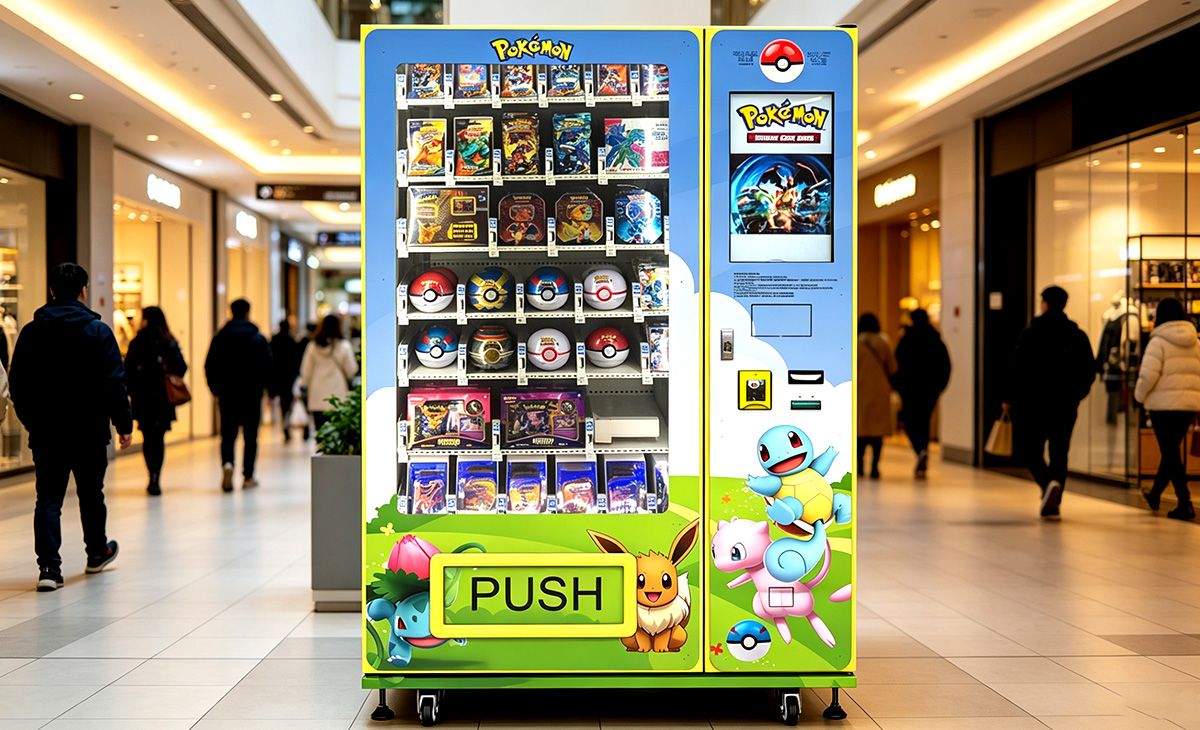
- Refrigeration test: Run the machine for 24 hours and check if the internal temperature stays between 34°F and 40°F. Use a separate thermometer to verify.
- Payment system check: Test cash, credit card, and mobile payment. Make sure the card reader is EMV-compliant and supports contactless.
- Vending mechanism: Test every column. Snack machines often have spirals that jam if not properly adjusted. Drink machines should dispense bottles smoothly without tipping.
- Software and telemetry: If the machine has a remote monitoring system, log in and check the dashboard. Make sure it reports sales data accurately.
- Physical condition: Look for rust, dents, or signs of water damage. In Miami, corrosion from salt air is a real issue. Machines with powder-coated exteriors hold up better.
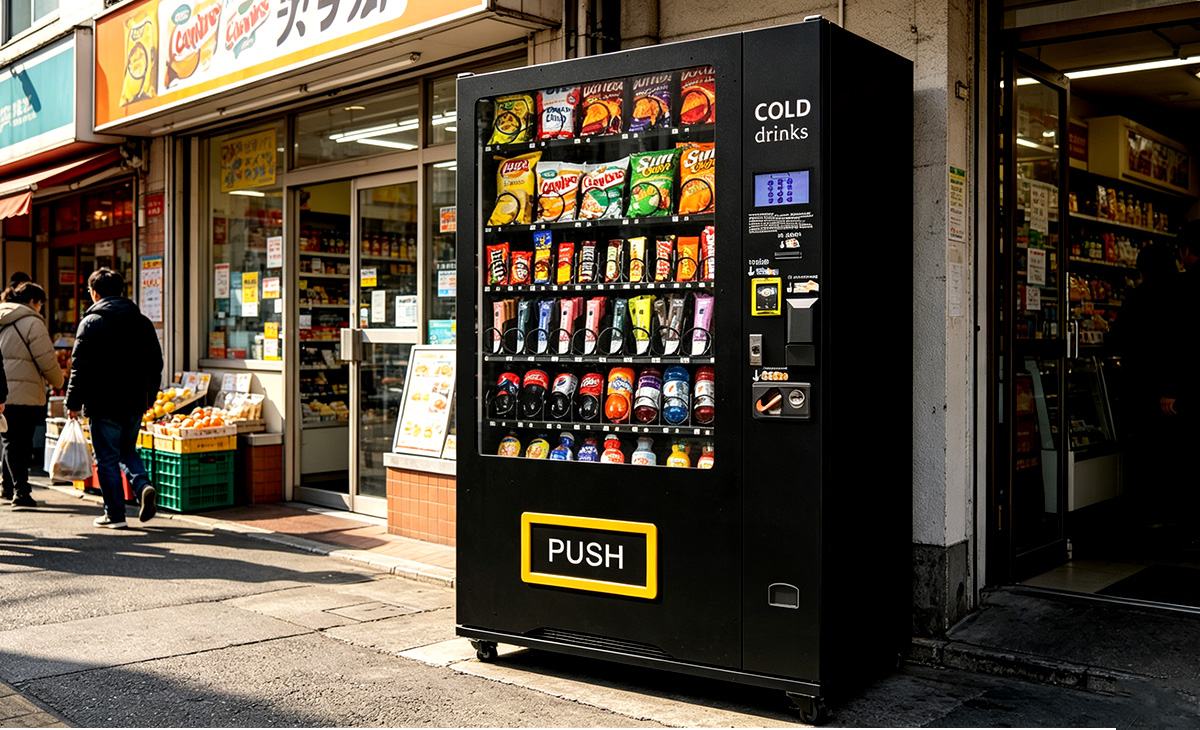
Supplier Selection Criteria
When I recommend suppliers, I look for companies that manufacture their own equipment, offer a warranty of at least two years, and have a service network in Florida. Zhongda Smart is one of the few suppliers I have worked with that meets all these criteria. Their machines are built with stainless steel cabinets, high-capacity compressors, and support for multiple payment systems. They also offer customization options for branding and product configurations. If you are looking for the best vending machine suppliers in Miami USA, I suggest contacting at least three suppliers, asking for references, and visiting their showroom if possible. A supplier who is unwilling to let you see the equipment in person is a red flag.
Fresh Food and Self-Service Kiosks
The vending industry is moving beyond snacks and drinks. Fresh food vending machines, which sell salads, sandwiches, and yogurt, are becoming popular in office buildings and hospitals. These machines require more maintenance because the food has a short shelf life and the refrigeration must be precise. I have seen some operators succeed with fresh food machines in high-end office towers, but the profit margins are thinner because the product cost is higher. A self-service kiosk that sells hot food or coffee is another option, but the initial investment can exceed $15,000. If you are new to the business, I recommend starting with a combo snack and drink machine before moving into fresh food.
Legal and Regulatory Requirements in Miami
Before placing a machine, you need to check local regulations. In Miami-Dade County, vending machines are subject to health department inspections if they sell food items. You also need a business tax receipt and may need a sales tax permit from the Florida Department of Revenue. The state sales tax on vending sales is 6%, but some municipalities add an additional surcharge. I keep a record of all sales and pay sales tax quarterly. It is not complicated, but ignoring it can lead to fines. For machines that sell perishable items, you must follow FDA guidelines for food safety, including proper temperature logging and expiration date checks.
How to Scale Your Vending Business
Once you have one or two machines running profitably, you can start scaling. I recommend reinvesting profits into new machines rather than taking all the cash out. Focus on finding locations that are close to each other to reduce travel time between restocks. I have a cluster of machines within a five-mile radius in Doral, which allows me to service all of them in a single day. Another tip is to negotiate better product pricing as you buy more volume. Some distributors offer tiered pricing, so buying 50 cases instead of 10 can save you 10% or more.
According to a report by IBISWorld, the vending machine industry in the US has an annual growth rate of about 2.5%, driven by cashless payments and healthier product options. The market is not saturated, but it is competitive. If you can offer reliable service, clean machines, and good product selection, you can build a profitable route over time.
Disclaimer
The information in this article is based on my personal experience as a vending machine operator in Miami and publicly available industry data. Revenue figures, costs, and break-even periods are estimates and will vary based on location, machine type, product mix, and operational efficiency. I do not guarantee specific financial results. Always conduct your own due diligence before purchasing equipment or signing location agreements.
Frequently Asked Questions (FAQ)
Are vending machines profitable in Miami?
Yes, they can be profitable if placed in high-traffic locations. I have seen machines earn $300 to $1,200 per month. Net profit after all costs is typically $150 to $400 per machine per month. The key is location, product selection, and reliable equipment.
How much does a vending machine cost in the US?
A new snack or drink machine costs between $3,000 and $9,500. Used machines can be found for $1,500 to $5,000. Prices vary by supplier, features, and condition. I recommend budgeting $5,000 per machine for a reliable new unit.
How long does it take to break even on a vending machine?
In my experience, break-even takes 12 to 24 months. A machine in a great location can break even in under a year. A machine in a mediocre location might take two years or longer. Track sales data closely and be willing to move machines that underperform.
Should I buy or lease a vending machine?
I recommend buying rather than leasing. Leasing often comes with high monthly payments and restrictions. Buying gives you full control over the machine, and you can sell it if you decide to exit the business. If you have limited capital, consider buying a used machine from a reputable supplier.
Where should I place a vending machine in Miami?
Office buildings, warehouses, hospitals, and hotels are the best locations. Look for places with high foot traffic, limited food options, and a captive audience. Avoid low-traffic areas and locations where employees can easily walk to a convenience store.
What permits do I need to operate a vending machine in Miami?
You need a business tax receipt from Miami-Dade County and a sales tax permit from the Florida Department of Revenue. If you sell food, you may need a health department inspection. Check with your local city or county office for specific requirements.
How do I choose a vending machine supplier?
Look for suppliers who manufacture their own equipment, offer a warranty, and have a service network in Florida. Ask for references and visit the showroom if possible. Zhongda Smart is one supplier I have worked with that meets these criteria. Compare at least three suppliers before making a decision.
What happens if my vending machine breaks down?
Most suppliers offer a warranty on parts and labor for the first one to two years. After that, you will need to pay for repairs. I recommend building a relationship with a local technician who can handle refrigeration and electronic issues. Keep a stock of common spare parts like keypads, coin changers, and card readers.
How can I reduce restocking and maintenance costs?
Use a telemetry system to monitor inventory remotely so you only visit machines that need restocking. Batch your routes to minimize driving time. Buy products in bulk from a wholesale distributor. Clean and inspect machines regularly to catch small problems before they become expensive repairs.
Is fresh food vending worth it?
Fresh food vending can be profitable in high-traffic office buildings and hospitals, but the margins are thinner and the maintenance is higher. I recommend starting with a combo snack and drink machine before moving into fresh food. If you do try fresh food, use a machine with precise temperature control and keep a strict rotation schedule.
Sources
IBISWorld – Vending Machine Industry in the US (2024). https://www.ibisworld.com/united-states/market-research-reports/vending-machine-operators-industry/
Statista – Share of cash transactions in vending machines (2023). https://www.statista.com/statistics/1085086/us-vending-machine-cashless-payment-share/
National Automatic Merchandising Association (NAMA) – Industry data. https://www.namanow.org/