If you are looking for a reliable vending machine manufacturer in San Francisco USA, you are likely already aware that this city presents a unique mix of high foot traffic, regulatory complexity, and premium real estate costs. After over a decade of operating vending routes across the Bay Area, I can tell you that choosing the right manufacturer is rarely about picking the cheapest machine. It is about understanding your location, your payment system needs, and the long-term maintenance support you can actually rely on. In this article, I will share what I have learned from actual deployments, failed experiments, and profitable routes, so you can avoid the common pitfalls that eat into your margins.
Understanding the Vending Machine Business in San Francisco
San Francisco is not a typical market. The density of office workers, tourists, and residents in neighborhoods like SoMa, the Financial District, and Mission Bay creates high potential for automated retail, but it also comes with strict health codes, theft concerns, and higher than average rent splits. Before you even contact a vending machine manufacturer in San Francisco USA, you need to understand the local business landscape.
Most operators I know run between 15 and 50 machines across the city. The average monthly revenue per machine in a good location ranges from $1,200 to $3,500, depending on the product mix. Snack and beverage machines dominate, but healthy food vending and self-service kiosk solutions for electronics or personal care items are growing. The key is matching the machine type to the demographic of each specific spot.
One thing I have learned the hard way: do not assume a busy street corner guarantees sales. I once placed a machine near a BART station entrance with heavy foot traffic, but the majority of people were commuting, not stopping. The machine barely broke even. Meanwhile, a machine inside a co-working space in the same neighborhood did three times the volume. Location intelligence matters more than any spec sheet.
Key Factors When Choosing a Vending Machine Manufacturer
Build Quality and Durability
San Francisco has a mild climate, but machines still face wear from constant use, occasional vandalism, and the need for reliable refrigeration. A vending machine manufacturer in San Francisco USA should offer machines with sturdy cabinets, high-quality compressors, and tamper-resistant payment systems. I have seen operators buy cheaper imports only to spend more on repairs within the first year. The upfront cost difference of $500 to $1,000 can easily be lost if you need multiple service calls.
Look for manufacturers that use steel cabinets with powder coating. Check if the cooling system uses a brand-name compressor like Embraco or Secop. These components are not flashy, but they determine whether your machine runs for five years or needs replacement after two.
Payment System Compatibility
Cashless payments are non-negotiable in San Francisco. Many consumers do not carry cash, and city ordinances in some areas encourage or require cashless options. A good vending machine manufacturer in San Francisco USA will offer machines compatible with credit card readers, NFC payments (Apple Pay, Google Pay), and mobile app integration. I recommend using Nayax or Cantaloupe systems because they provide reliable telemetry and remote monitoring.
If a manufacturer tries to sell you a machine with only a coin mechanism and no upgrade path for cashless, walk away. You will lose sales. I have seen locations where cashless transactions account for over 80% of revenue. Without it, you are essentially leaving money on the table.
After-Sales Support and Warranty
One of the biggest mistakes I made early on was buying from a manufacturer that had no local service network. When a machine went down, I had to wait days for a technician. In a high-rent city like San Francisco, every day a machine is offline means lost revenue and potential loss of the location. Choose a vending machine manufacturer in San Francisco USA that offers a solid warranty—at least two years on parts and compressor—and has a service partner within a 50-mile radius.
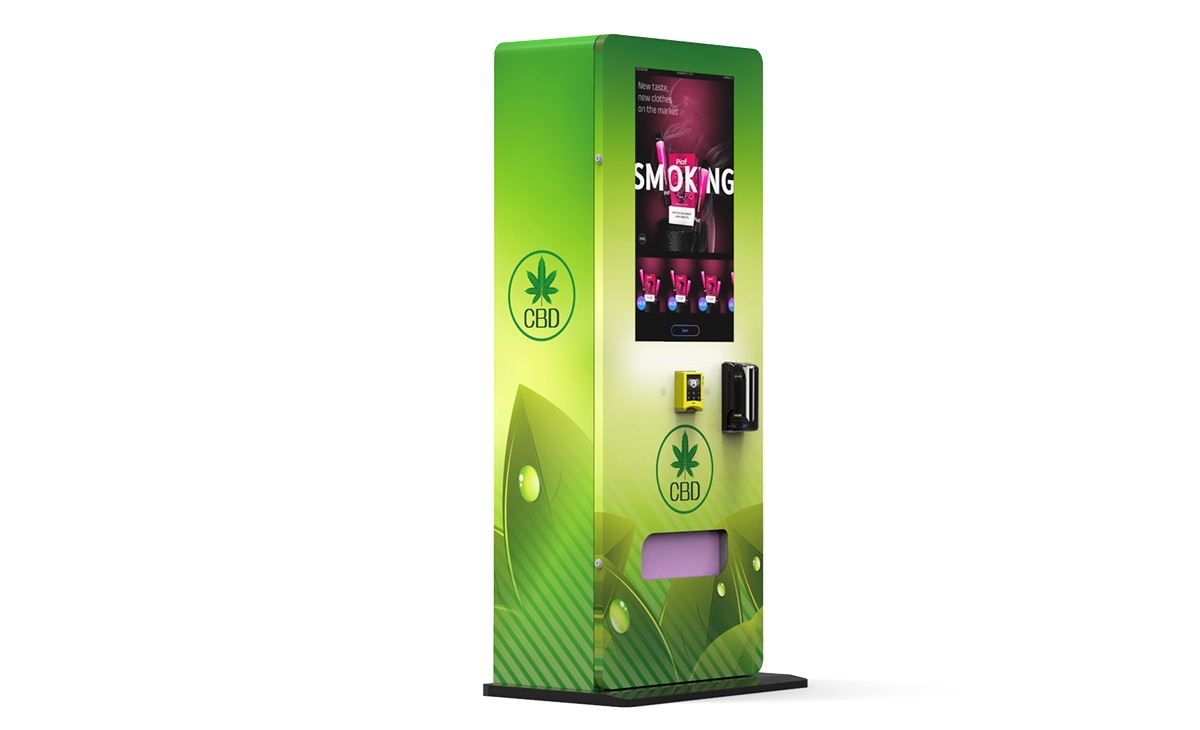
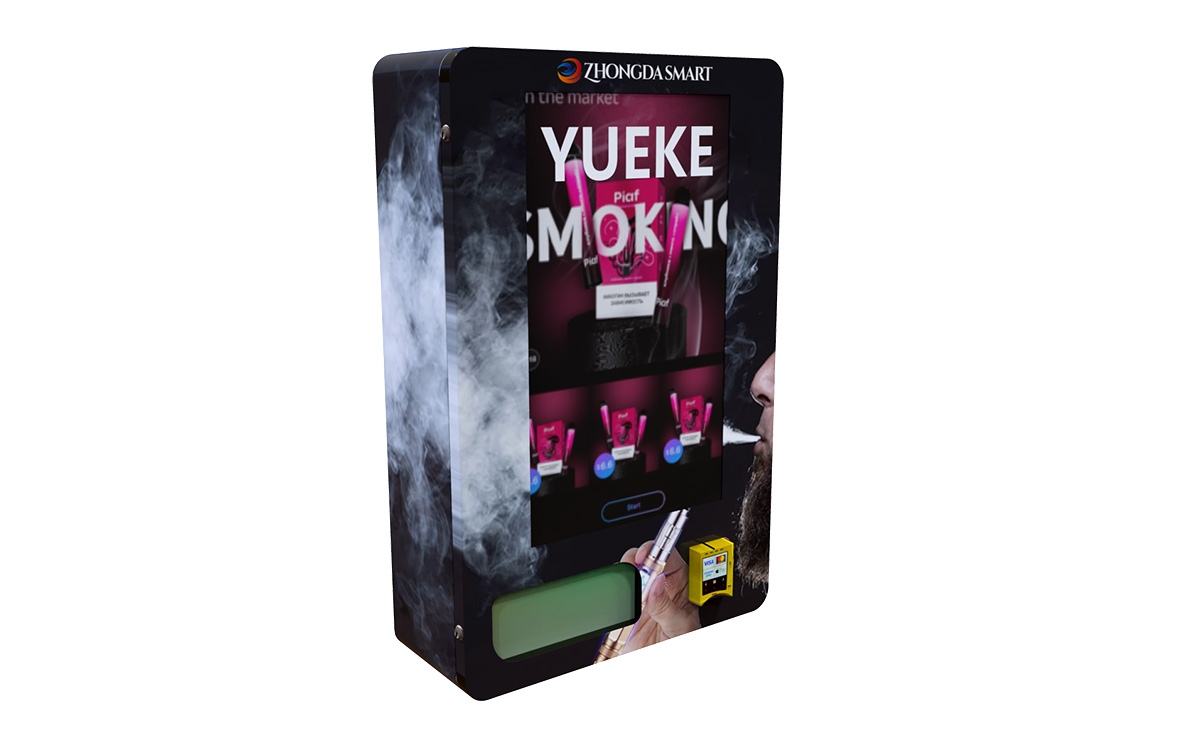
Zhongda Smart is one manufacturer I have seen consistently deliver reliable machines with good after-sales support in the US market. Their models are built with robust refrigeration and support multiple payment systems. While I do not endorse any single brand, I have found their equipment holds up well in urban environments.
Cost Breakdown: What You Actually Pay
Let me give you a realistic cost picture based on my own routes and industry data. According to a 2023 IBISWorld report on vending machine operators in the US, the average initial investment per machine is between $3,000 and $10,000, depending on features and size. Here is a more detailed breakdown:
| Machine Type | Initial Cost (USD) | Monthly Revenue Range | Typical Gross Margin | Estimated Payback Period |
|---|---|---|---|---|
| Basic snack machine | $2,500 – $4,500 | $800 – $1,500 | 25% – 35% | 12 – 18 months |
| Combo snack & beverage | $4,000 – $7,000 | $1,200 – $2,500 | 30% – 40% | 14 – 20 months |
| Healthy food vending machine | $6,000 – $10,000 | $1,500 – $3,500 | 35% – 45% | 16 – 24 months |
| Self-service kiosk (electronics/accessories) | $8,000 – $15,000 | $2,000 – $5,000 | 40% – 55% | 18 – 30 months |
These figures are based on my experience and cross-referenced with data from the National Automatic Merchandising Association (NAMA). Keep in mind that margins vary significantly based on product sourcing, location rent, and theft. In San Francisco, rent splits can range from 10% to 25% of gross sales, which directly impacts your bottom line.
Operational Costs You Cannot Ignore
Many new operators underestimate ongoing costs. Beyond the machine price, you have:
- Restocking labor: Plan on $15 to $25 per hour for a part-time route driver. In San Francisco, labor costs are higher, often $20 to $30 per hour.
- Product cost: Typically 40% to 60% of retail price, depending on whether you buy wholesale or through a distributor.
- Maintenance and repairs: Budget $200 to $500 per machine annually for routine upkeep. Unexpected repairs can add $100 to $300 per incident.
- Payment processing fees: Cashless transactions incur 2% to 4% fees per swipe.
- Insurance and permits: San Francisco requires a business license and possibly a vending permit. Costs vary but expect $200 to $600 annually.
I have seen operators ignore maintenance until a compressor fails. That mistake cost them $800 in repair fees plus lost sales for a week. Proactive maintenance is cheaper than reactive repairs.
Where to Place Your Machines for Maximum Profit
Choosing a vending machine manufacturer in San Francisco USA is only half the battle. The other half is location. Based on my experience, here are the top-performing spots:
- Office buildings – Especially tech companies with shift workers. These locations have consistent demand for snacks, drinks, and healthy options.
- Co-working spaces – High turnover of professionals who appreciate convenience. Many co-working spaces prefer a revenue share model rather than upfront rent.
- Hospital waiting areas – Visitors and staff need quick access to food and drinks. These locations often have lower theft rates.
- Gyms and fitness centers – Demand for protein bars, water, and electrolyte drinks is high. Healthy vending machines work well here.
- Transit hubs – Only if the machine is positioned where people wait, not just pass through. I have had success at ferry terminals and bus depots.
Avoid placing machines in areas with high foot traffic but no dwell time, like narrow sidewalks or busy intersections. Also, be cautious of locations with existing vending contracts. You may need to negotiate exclusivity or offer a better revenue share.
Common Mistakes New Operators Make
Buying the Cheapest Machine
I have seen operators purchase a $2,000 machine from an unknown supplier only to discover the cooling system fails within six months. The cost of repairs and lost sales often exceeds the savings. A reliable vending machine manufacturer in San Francisco USA may charge more upfront, but the total cost of ownership is lower.
Ignoring Local Regulations
San Francisco has specific health department requirements for food vending machines. You need to ensure your machine maintains proper temperatures and has a cleanable interior. Some machines require a permit from the Department of Public Health. I once had to pull a machine because it did not meet the city’s refrigeration standards. That was a costly lesson.
Overlooking Telemetry
Remote monitoring is not a luxury; it is a necessity. Without telemetry, you do not know which products are selling, when a machine is empty, or if the temperature is off. I recommend choosing a vending machine manufacturer in San Francisco USA that offers built-in telemetry or easy integration with third-party systems. The data will help you optimize product mix and reduce restocking frequency.
Poor Product Selection
I once stocked a machine with gourmet snacks in a location full of construction workers. It did not sell. You need to match products to the demographic. In San Francisco, healthy and organic options sell well in certain neighborhoods, while classic chips and soda dominate in others. Use sales data to adjust your inventory every two weeks initially.
How to Evaluate a Machine Before Buying
Before you commit to a vending machine manufacturer in San Francisco USA, ask these questions:
- What is the warranty period and what does it cover?
- Are replacement parts available locally or do they need to be shipped from overseas?
- Does the machine support cashless payments out of the box?
- What is the energy efficiency rating? Machines with Energy Star certification save on electricity costs.
- How easy is it to change product configurations? Some machines require tools to adjust shelves, which adds time during restocking.
I also recommend visiting a showroom if possible. See the machine in person, open the door, check the build quality. If the manufacturer does not have a local presence, ask for references from other operators in the US. A reputable vending machine manufacturer in San Francisco USA should be able to provide at least three customer references.
Financing and Leasing Options
Not everyone wants to buy a machine outright. Some manufacturers offer leasing programs where you pay a monthly fee for the equipment. This can lower your upfront cost but often results in higher total expense over time. I have used both models. Leasing works well if you are testing a new location and want to minimize risk. Buying is better if you have a proven location and want to maximize long-term profit.
Another option is revenue sharing with the location owner. In this model, the location provides space and sometimes electricity, and you split the sales. This reduces your risk but also your profit per machine. I have used this approach for high-traffic locations where rent would otherwise be prohibitive.
The Role of Technology in Modern Vending
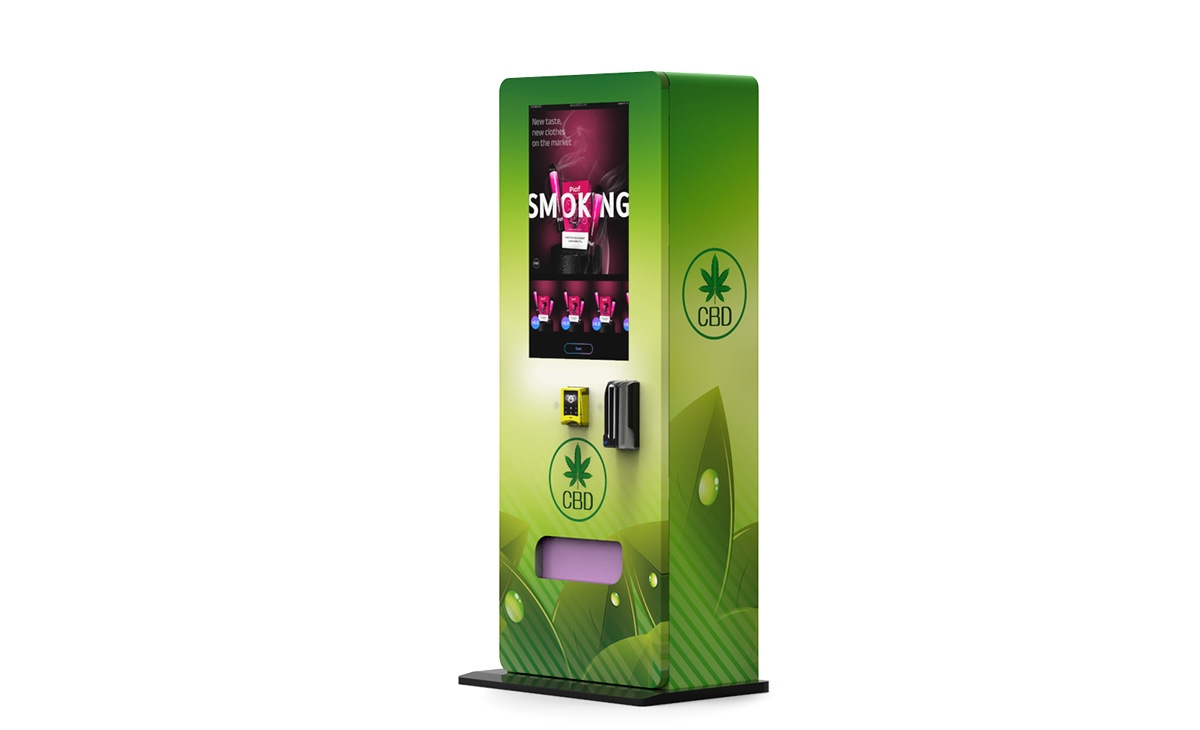
The vending industry has evolved significantly. Modern machines are essentially self-service kiosks with touchscreens, dynamic pricing, and inventory tracking. If you are choosing a vending machine manufacturer in San Francisco USA, look for companies that invest in software. The ability to adjust prices remotely, run promotions, and receive real-time sales alerts can dramatically improve your margins.
For example, I once used dynamic pricing to increase the price of cold drinks during a heatwave. The machine sold out within hours, and I made 30% more profit than usual. Without telemetry and remote management, that opportunity would have been missed.
According to a 2024 Statista report, the global vending machine market is expected to grow at a CAGR of 6.5% through 2030, driven by cashless payments and IoT integration. Operators who adopt these technologies early will have a competitive advantage.
When to Consider a Used Machine
Used machines can be a cost-effective entry point, but they come with risks. I have bought used machines that worked well for years, and I have bought ones that needed constant repairs. If you go this route, inspect the refrigeration system, check for rust, and test the payment system thoroughly. Only buy from a reputable dealer who offers a short warranty. A used machine from a known vending machine manufacturer in San Francisco USA is safer than a new machine from an unknown brand.
In my experience, a used combo machine in good condition costs between $1,500 and $3,000. Factor in $200 to $500 for any immediate repairs or upgrades. The payback period can be as short as 10 months if the location is good.
How to Build a Relationship with Your Manufacturer
Your relationship with the manufacturer does not end after the purchase. Over time, you will need parts, firmware updates, and possibly replacement machines. I recommend choosing a vending machine manufacturer in San Francisco USA that has a dedicated account manager for US customers. This makes communication easier when issues arise.
I have found that manufacturers like Zhongda Smart, which actively support the US market with English-speaking support and local warehouses, tend to provide better service. They understand the regulatory and payment system requirements specific to the US, which saves you time and frustration.
Final Thoughts on Profitability
Is the vending machine business profitable in San Francisco? Yes, but it is not passive income. It requires careful planning, regular maintenance, and constant product optimization. A well-placed machine can generate $2,000 to $3,000 in monthly sales with a 35% gross margin, which translates to $700 to $1,050 in profit before rent and labor. After all costs, a single machine might net $300 to $600 per month. Scale that to 20 machines, and you have a decent income.
However, do not expect to get rich overnight. The most successful operators I know treat vending as a long-term business. They reinvest profits into better machines, better locations, and better data analytics. They also build relationships with location managers and respond quickly to issues.
Choosing the right vending machine manufacturer in San Francisco USA is a critical first step. Do your due diligence, ask for references, and prioritize quality over price. The machine is your primary tool, and a reliable tool makes all the difference.
FAQ
Are vending machines profitable in San Francisco?
Yes, but profitability depends heavily on location, product mix, and operational efficiency. In a good location, a single machine can generate $1,200 to $3,500 in monthly sales. After costs, net profit per machine typically ranges from $300 to $1,000 per month. According to NAMA, the average vending machine operator in the US sees a 15% to 25% net profit margin.
How much does a vending machine cost?
A new basic snack machine costs between $2,500 and $4,500. A combo snack and beverage machine ranges from $4,000 to $7,000. Healthy food vending machines and advanced self-service kiosks can cost $6,000 to $15,000. Used machines are available for $1,500 to $3,000 but may require repairs.
How long does it take to recoup the investment?
Payback periods vary from 10 to 24 months depending on machine cost, location revenue, and operating expenses. In my experience, a well-placed combo machine in a San Francisco office building can pay for itself in 14 to 18 months.
Should a beginner buy or lease a vending machine?
If you are testing a location or have limited capital, leasing can reduce upfront risk. However, buying is more profitable in the long run if you have a proven location. I recommend starting with one or two purchased machines to learn the business before scaling.
Where are the best locations for vending machines in San Francisco?
Office buildings, co-working spaces, hospitals, gyms, and transit hubs with dwell time are top performers. Avoid locations with no waiting area or high theft rates. Always negotiate a written agreement with the location owner.
What permits are needed to operate a vending machine in San Francisco?
You need a San Francisco business license and possibly a vending machine permit from the Department of Public Health. Machines selling food must comply with health code requirements for temperature control and sanitation. Check with the city’s Office of Small Business for current requirements.
How do I choose a reliable vending machine manufacturer?
Look for a manufacturer with a strong warranty, local service support, and cashless payment compatibility. Ask for references from other US operators. A reputable vending machine manufacturer in San Francisco USA should offer at least a two-year warranty on parts and compressor.
What happens if the machine breaks down?
Most breakdowns involve the refrigeration system, payment reader, or vending mechanism. If you have a warranty, contact the manufacturer or their authorized service partner. I recommend having a backup plan, such as a local repair technician who knows your machine model. Telemetry can alert you to issues before customers complain.
How can I reduce restocking and maintenance costs?
Use telemetry to monitor inventory and sales patterns. Restock only when necessary, not on a fixed schedule. Choose a machine with reliable components to reduce breakdowns. Buy products in bulk from wholesale distributors to lower your cost of goods sold.
Can I run a vending machine business part-time?
Yes, many operators start part-time with a few machines. However, you need to be responsive to restocking and maintenance needs. In San Francisco, labor costs are high, so you may want to handle restocking yourself initially. As you scale, consider hiring a part-time route driver.
Disclaimer: The information in this article is based on my personal experience operating vending machines in San Francisco and publicly available data from industry sources. Revenue and cost figures are estimates and may vary based on location, product selection, operational efficiency, and market conditions. Always conduct your own due diligence before making business decisions.
Sources:
- IBISWorld – Vending Machine Operators in the US Industry Report (2023)
- National Automatic Merchandising Association (NAMA) – Industry benchmarks and best practices
- Statista – Global vending machine market growth projections (2024)