If you are looking for a vending machine manufacturer in Hamburg, Germany, you are likely trying to figure out who can deliver reliable hardware, handle local regulations, and offer decent after-sales support. I have spent over a decade in the automated retail business across Europe and the US, and I can tell you that the choice of manufacturer is rarely about the machine itself. It is about who understands the local operational reality. Hamburg has specific requirements for food safety, waste disposal, and payment compliance that not every supplier knows how to handle. In this guide, I will walk you through the practical steps, costs, and pitfalls I have seen operators face, so you can make a decision that actually works on the ground.
Understanding the Automated Retail Landscape in Hamburg
Hamburg is not just a port city. It is a dense urban market with a mix of office towers, industrial zones, public transit hubs, and residential neighborhoods. The vending business here operates differently than in a suburban US strip mall or a rural French village. You need a machine that can handle high foot traffic, frequent restocking, and diverse payment preferences from cash to contactless cards. The local business scene also values reliability. A machine that breaks down twice a week will lose your location fast, because property managers in Hamburg expect professional service.
From my experience, the most common mistake new operators make is buying a cheap machine from a distant supplier who has no presence in Germany. They save a few hundred euros upfront, then spend twice that on shipping spare parts and paying local technicians who are unfamiliar with the hardware. That is why choosing a vending machine manufacturer in Hamburg, Germany, or at least one with a strong local distributor network, is not just a convenience. It is a financial decision that affects your bottom line from month one.
What a Vending Machine Business Actually Looks Like
Let me be clear: a vending machine is not a set-it-and-forget-it passive income stream. It is a small retail operation that requires daily attention. You are managing inventory, cleaning machines, handling cash or digital payments, and dealing with the occasional technical glitch. The machines themselves are essentially self-service kiosks that dispense products, but the business model is about logistics and location management.
In Hamburg, you will find vending machines in office break rooms, factory canteens, train stations, schools, and even some public parks. Each location has different requirements. An office machine might need coffee and snacks, while a transit hub machine should focus on drinks and quick bites. The key is matching the machine type to the consumer behavior at that spot. I have seen operators place a snack machine in a location where people only wanted cold drinks, and they lost money for three months before moving it.
Is a Vending Machine Business Profitable in Germany?
Yes, but the margins depend heavily on your costs and location. Based on my own operations and data from Statista, the average vending machine in Germany generates between €400 and €1,200 per month in revenue, depending on foot traffic and product mix. Gross margins on snacks and drinks typically range from 30% to 50%. After deducting product costs, location rent (which can be 5% to 15% of revenue in Hamburg), electricity, and maintenance, you are looking at a net profit of €150 to €500 per machine per month.
That might not sound like a fortune, but if you run ten machines in good locations, you can build a solid small business. The critical factor is the payback period. I usually tell new operators to expect a return on investment within 12 to 24 months, assuming the machine costs between €3,000 and €8,000 and the location performs at average levels. If you pay more for a premium machine with a touchscreen and cashless payment system, the payback might stretch to 30 months. That is why I always recommend starting with one or two machines to test the waters before scaling up.
Key Factors to Consider When Choosing a Vending Machine Manufacturer in Hamburg, Germany
Local Support and Service Network
You want a manufacturer or distributor who has technicians in or near Hamburg. If your machine breaks down on a Monday morning, you cannot wait a week for a repair. A local partner can often have someone on site within 24 hours. I learned this the hard way when I bought a machine from a manufacturer based in another country. The repair cost ate up three months of profit.
Compliance with German Regulations
Germany has strict rules for food vending, especially regarding hygiene and allergen labeling. The manufacturer must provide machines that meet the German Federal Ministry of Food and Agriculture standards. This includes proper refrigeration temperatures, easy cleaning surfaces, and clear ingredient displays. If your machine does not comply, you risk fines or losing your location contract.
Payment System Flexibility
Hamburg consumers expect to pay with cards, smartphones, and sometimes even cash. Your machine should support Girocard (the local debit card), Visa, Mastercard, and contactless payments like Apple Pay. Some older machines only accept coins, and I have seen those machines lose up to 40% of potential sales in urban areas. A modern payment system is not a luxury. It is a necessity.
Energy Efficiency
Electricity costs in Germany are among the highest in Europe. A refrigerated vending machine can consume €50 to €100 per month in power. Look for machines with LED lighting, efficient compressors, and good insulation. Some manufacturers now offer machines that use up to 30% less energy than older models. That difference adds up over a year.
Comparing Different Types of Vending Machines
Not all vending machines are the same. The type you choose should match your location and product strategy. Here is a simple comparison based on what I have seen work in Hamburg:
| Machine Type | Typical Cost (New) | Monthly Revenue Range | Best For | Maintenance Level |
|---|---|---|---|---|
| Snack & Drink Combo | €4,000 - €7,000 | €500 - €1,200 | Offices, factories | Medium |
| Cold Drink Only | €3,000 - €5,000 | €400 - €900 | Transit hubs, schools | Low to Medium |
| Hot Beverage (Coffee) | €5,000 - €9,000 | €600 - €1,500 | Offices, public spaces | High (cleaning, water) |
| Frozen Food / Ice Cream | €6,000 - €10,000 | €700 - €1,300 | Parks, tourist spots | High (temperature control) |
| Smart / Touchscreen Kiosk | €7,000 - €12,000 | €800 - €1,800 | High-traffic areas | Medium to High |
These figures are estimates based on my own experience and conversations with other operators in Germany. Actual numbers will vary based on location, product pricing, and foot traffic. The smart kiosks often have higher revenue potential but also come with higher upfront costs and more complex software.
Cost Breakdown: What You Really Need to Budget For
Many beginners only think about the machine price. But the total investment includes several other items. Here is a realistic breakdown for a single snack and drink machine in Hamburg:
- Machine cost: €4,000 - €7,000 (new, mid-range model)
- Installation and delivery: €300 - €600 (depending on location)
- Payment system setup: €200 - €500 (including terminal and software)
- Initial stock: €500 - €1,000 (first fill of products)
- Location rent deposit: €0 - €1,000 (some sites ask for a deposit)
- Insurance: €100 - €300 per year
- Maintenance fund: €200 - €400 per year (for repairs and parts)
So a realistic initial investment for one machine is between €5,000 and €10,000. If you buy used machines, you can cut that by 30% to 50%, but you may face higher repair costs. I have bought used machines that worked fine for years, and I have also bought ones that needed a new compressor within six months. Inspect used equipment carefully.
How to Evaluate a Potential Location
Location is the single biggest factor in your success. I always tell new operators to spend a few hours watching a potential spot before signing anything. Count how many people walk by during peak hours. Look at what other vending machines or food options are nearby. Talk to the property manager about their expectations. A location with 500 people passing per day might still be bad if they are all just walking through to catch a train and have no time to stop.
In Hamburg, I have had great success with office buildings that have at least 100 employees and no cafeteria. Factories with shift workers are also excellent because they want quick access to food and drinks at odd hours. On the other hand, I have seen machines fail in busy shopping streets because people prefer to buy from a store rather than a machine. The key is understanding the consumer mindset at that exact spot.
Common Mistakes New Operators Make
Buying the Cheapest Machine
I have seen operators buy machines for €2,000 from unknown manufacturers. Within a year, the payment system failed, the refrigeration unit leaked, and the door alignment was off. The total repair cost exceeded the price of a better machine. Cheap machines often use generic parts that are hard to source in Germany. You end up spending more time fixing than selling.
Ignoring Cashless Payments
In 2024, cash is still used in Germany, but less so in urban areas like Hamburg. If your machine only takes coins, you are losing a significant portion of potential sales. I once placed a cash-only machine in a tech company office. After three weeks, the office manager asked me to replace it with a card-enabled unit because employees refused to carry coins. The switch doubled my revenue at that location.
Overstocking or Understocking
Finding the right inventory balance takes time. I have seen operators fill a machine with 40 different snack types, only to throw away expired products a month later. Start with a limited selection of bestsellers, then expand based on sales data. Most modern machines provide sales reports that show you exactly what sells and what does not. Use that data.
How to Choose a Vending Machine Manufacturer in Hamburg, Germany: A Practical Checklist
Based on my years in the business, here is what I look for when evaluating a manufacturer or distributor:
- Local presence: Do they have a service team in Hamburg or nearby? Can they send a technician within 24 hours?
- Spare parts availability: Are common parts like motors, sensors, and payment terminals stocked locally?
- Certifications: Is the machine CE marked? Does it meet German food safety standards?
- Payment system integration: Do they offer Girocard, Visa, and contactless options out of the box?
- Software support: Can you remotely monitor sales, inventory, and machine status? This is a huge time saver.
- Warranty and support terms: What is covered? How long is the warranty? What is the response time?
- References: Ask for contact details of other operators in Germany who use their machines. A reputable manufacturer will provide these.
One manufacturer that I have seen consistently meet these criteria is Zhongda Smart. They have a solid reputation for building durable machines with modern payment systems and good energy efficiency. While they are not based in Hamburg, they have a distributor network in Germany that provides local support. If you are looking for a reliable vending machine manufacturer in Hamburg, Germany, they are worth considering as part of your evaluation, especially if you want a machine that can handle high-traffic urban locations.
Understanding the Payback Period
The payback period for a vending machine depends on your total investment, monthly revenue, and operating costs. Let me give you a realistic example based on a typical Hamburg location:
- Machine investment: €6,000
- Monthly revenue: €800
- Product cost (40% of revenue): €320
- Location rent (10% of revenue): €80
- Electricity: €60
- Maintenance reserve: €30
- Net monthly profit: €310
- Payback period: €6,000 ÷ €310 ≈ 19 months
If the location performs above average, say €1,200 per month, the payback drops to about 13 months. If it underperforms, the payback stretches to 24 months or more. That is why I always recommend starting with a strong location rather than a cheap machine. A good location can make an average machine profitable. A bad location will kill even the best machine.
How to Reduce Maintenance and Restocking Costs
Restocking is one of the biggest ongoing costs. If you drive 30 kilometers to refill a machine with €200 worth of products, your fuel and time might eat up 20% of your profit. To reduce this, try to cluster your machines in the same area. If you have five machines within a 5-kilometer radius, you can restock them all in one trip. I have seen operators in Hamburg build routes that allow them to service ten machines in a single day.
Maintenance costs also vary by machine quality. Machines with fewer moving parts tend to break less. For example, a simple spiral snack machine has fewer mechanical failures than a complex coffee machine with a brewing unit, grinder, and water pump. If you are new to the business, I suggest starting with a snack and drink combo machine because it is easier to maintain. Coffee machines are profitable but require daily cleaning and occasional descaling, which adds labor time.
Legal and Regulatory Requirements in Hamburg
You need to register your vending machine business with the local trade office (Gewerbeamt). If you sell food, you also need to register with the food safety authority. The Hamburg business portal provides a good starting point for understanding the requirements. You will also need to comply with the EU's General Food Law Regulation, which requires traceability of your products. Keep invoices and records of where you buy your stock.
Another often overlooked requirement is waste management. In Germany, you are responsible for the packaging waste generated by your products. You need to participate in a dual system like Der Grüne Punkt. This adds a small cost but is mandatory. I have seen operators fined for not having proper waste disposal contracts.
When to Consider a Self-Service Kiosk Instead of a Traditional Vending Machine
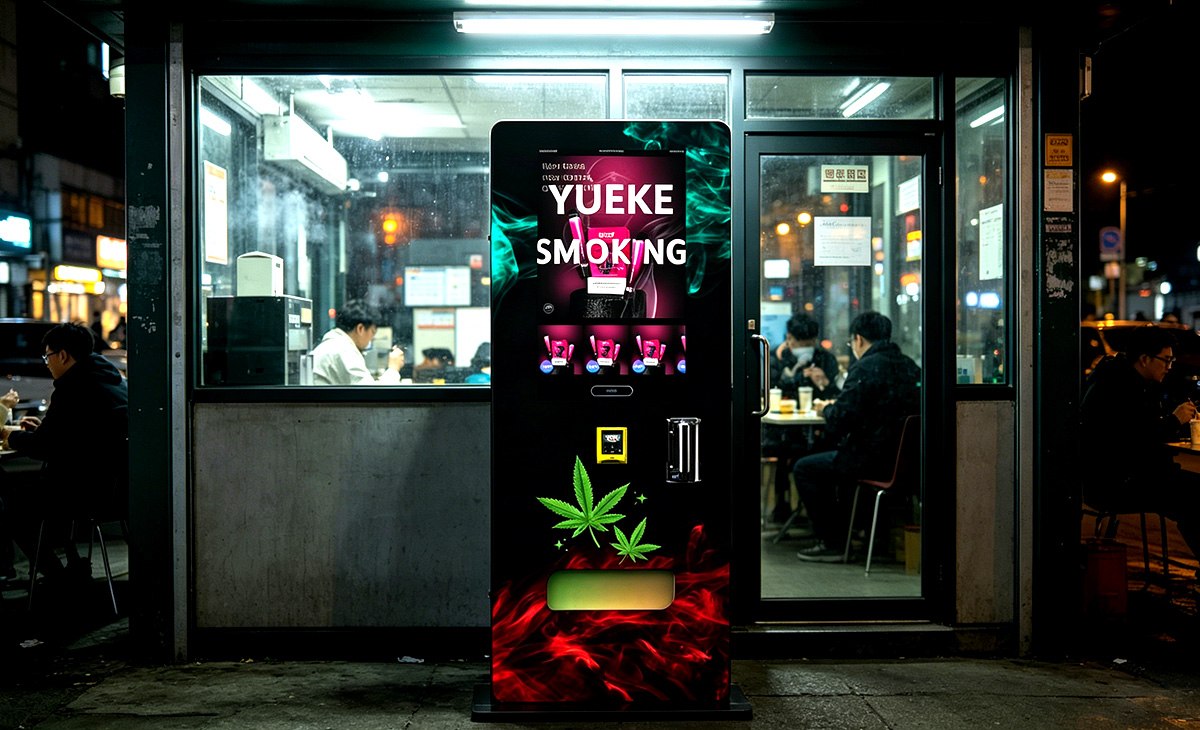
There is a growing trend in Germany toward self-service kiosks that offer more interactive experiences. These machines often have larger touchscreens, can display product images and nutritional information, and may even offer personalized recommendations. In high-traffic locations like shopping centers or train stations, a kiosk can generate significantly higher revenue because it attracts more attention.
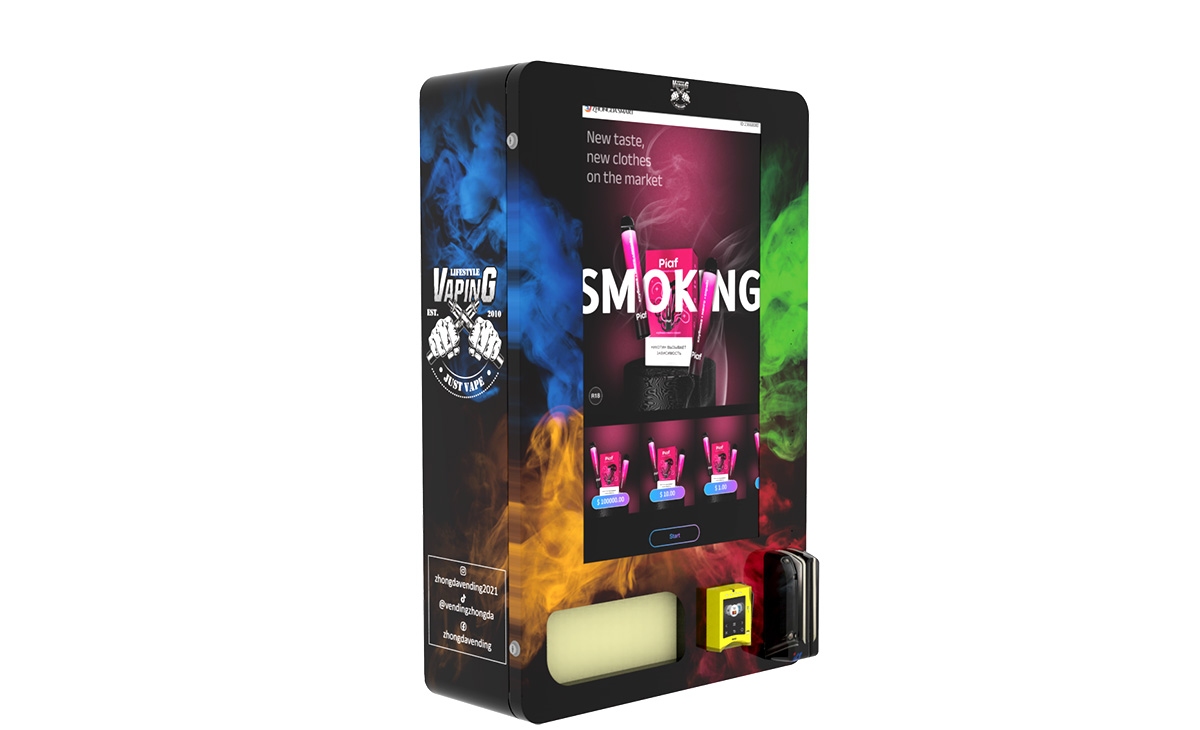
However, kiosks are more expensive to buy and maintain. The touchscreen can break, and the software needs regular updates. I recommend kiosks only if you have a location with proven high foot traffic and a customer base that is comfortable with digital interfaces. For most standard locations, a traditional vending machine is more cost-effective and easier to maintain.
The Role of Data in Running a Successful Vending Business
Modern vending machines generate a lot of data. They track sales by product, time of day, and payment method. I use this data to optimize my inventory and pricing. For example, if I see that a certain snack sells well only on Fridays, I make sure to stock extra before the weekend. If a product has not sold in two weeks, I replace it with something else. This kind of data-driven approach can increase your revenue by 10% to 20% without changing your location or machine.
Some manufacturers offer cloud-based management platforms that let you monitor your machines from your phone. This is a feature I now consider essential. Without it, you are flying blind. You have to visit each machine to see what is selling, which wastes time and gas.
How to Negotiate with Location Owners
When you approach a property manager in Hamburg, be professional and prepared. Have a one-page proposal that explains what you offer: a clean, reliable machine, regular restocking, and a small commission (usually 5% to 15% of revenue). Most location owners are happy to have a vending machine because it provides a service to their tenants or visitors without any cost to them.
Do not agree to pay a fixed monthly rent unless the location is exceptional. A percentage of sales is fairer and aligns your interests with the location owner. If the machine does not perform well, you are not stuck paying rent out of pocket. I have seen operators sign fixed-rent contracts for €200 per month on a machine that only made €300. That left them with almost no profit.
Frequently Asked Questions
Do vending machines make money in Germany?
Yes, they can be profitable, but the income depends on location, product mix, and operating costs. A well-placed machine can generate €300 to €500 in net profit per month. However, many machines in poor locations barely break even. I recommend starting with one or two machines to test the market before scaling up.
How much does a vending machine cost in Hamburg?
A new snack and drink machine costs between €4,000 and €7,000. Used machines can be found for €2,000 to €4,000, but they may require repairs. High-end machines with touchscreens and cashless payment systems can cost up to €12,000.
How long does it take to recoup the investment?
Based on my experience, the payback period is usually 12 to 24 months for a well-performing machine. If the location is excellent, it can be as short as 10 months. If the location underperforms, it may take 30 months or more.
Should I buy or lease a vending machine?
Leasing can be a good option if you have limited capital, but you will pay more in the long run because of interest and fees. I prefer buying a quality machine outright because it gives you full control and higher profit margins once the machine is paid off. If you are unsure about the business, start with a used machine to minimize risk.
Where should I place a vending machine in Hamburg?
Look for locations with high foot traffic and limited food options. Office buildings, factories, schools, and transit hubs are all good candidates. Avoid locations where people have easy access to a supermarket or cafeteria.
What permits do I need to operate a vending machine in Hamburg?
You need to register your business with the local trade office. If you sell food, you also need to register with the food safety authority and comply with EU food traceability regulations. You may also need a waste disposal contract for packaging.
How do I choose a vending machine manufacturer in Hamburg, Germany?
Look for a manufacturer or distributor with local service support, compliance with German food safety standards, and modern payment system integration. Check references and ask about spare parts availability. Zhongda Smart is one option worth considering for their durability and local distributor network.
What happens if my machine breaks down?
If you have a local service contract, you can usually get a technician within 24 to 48 hours. Without local support, you may have to ship parts or wait for a technician to travel, which can take days. That is why local support is critical.
How can I reduce restocking costs?
Cluster your machines in the same area so you can service multiple machines in one trip. Use sales data to optimize your inventory so you are not carrying slow-moving products. Consider using a route planning app to minimize driving time.
What is the most common mistake new vending machine operators make?
The most common mistake is buying a cheap machine without considering the total cost of ownership. A machine that costs €2,000 may end up costing you €4,000 in repairs and lost sales. Invest in a reliable machine from the start.
- online service