After more than a decade placing vending machines across the US and parts of Europe, I can tell you the most common question I get isn't about snacks or pricing—it's whether voice-controlled vending machines are actually a real business opportunity or just another tech gimmick. The honest answer is that this technology is already shifting how self-service retail operates, especially in high-traffic locations where speed and hands-free interaction matter. I've seen firsthand how a well-placed machine with voice control can outperform a traditional unit by reducing friction at the point of sale. But like any equipment investment, the devil is in the details—location, maintenance, and real-world user behavior. Let me walk you through what I've learned from actual deployments, not from spec sheets.
What Makes Voice-Controlled Vending Machines Different
Traditional vending machines rely on physical buttons, touchscreens, or keypads. Voice-controlled units replace or supplement those interfaces with speech recognition. The user simply says what they want, and the machine processes the request. In my experience, this works best in environments where people have their hands full—gyms, transit hubs, hospitals, or university campuses. The technology isn't perfect yet, but it has improved significantly in the last three years.
From an operator's perspective, the main difference is the cost of the unit and the added complexity of maintaining the voice recognition system. A standard snack machine might cost you $3,000 to $5,000. A voice-controlled model with similar capacity can run $6,000 to $10,000. But the trade-off can be worth it if the location demands a faster, cleaner transaction. I've seen some units in airport lounges where the average transaction time dropped by nearly 40 percent.
The voice interface also opens up accessibility options. Elderly users or people with visual impairments find these machines easier to use. That expands your potential customer base in locations like senior centers or public libraries. In Europe, where accessibility regulations are tightening, this can be a genuine competitive advantage.
How I Evaluate a Location for Voice-Controlled Units
Location is everything in this business. I've placed machines in spots that looked perfect on paper but failed because of noise levels. Voice-controlled vending machines need a reasonably quiet environment to work reliably. A busy construction site or a loud bar will cause recognition errors, and frustrated users will walk away. I learned this the hard way after placing a unit near a train station ticket counter. The ambient noise was too high, and the machine kept mishearing commands.
My rule of thumb now is simple: test the ambient decibel level during peak hours. If it's consistently above 70 dB, stick with a touchscreen or keypad model. If the location is quieter—like a hotel lobby, office break room, or medical clinic—voice control adds real value. I also look at foot traffic patterns. A location needs at least 500 to 800 people passing by daily to justify the higher equipment cost. That's based on my own tracking across 40+ machines over five years.
Another factor is the average dwell time. If people are rushing through, voice control can speed up the purchase. If they're standing in line anyway, the benefit is smaller. I've found that voice-controlled machines perform best in locations where the user has about 10 to 15 seconds of idle time before the transaction starts—enough to say "Coke Zero" or "salted peanuts" without feeling rushed.
Real Costs: Equipment, Installation, and Maintenance
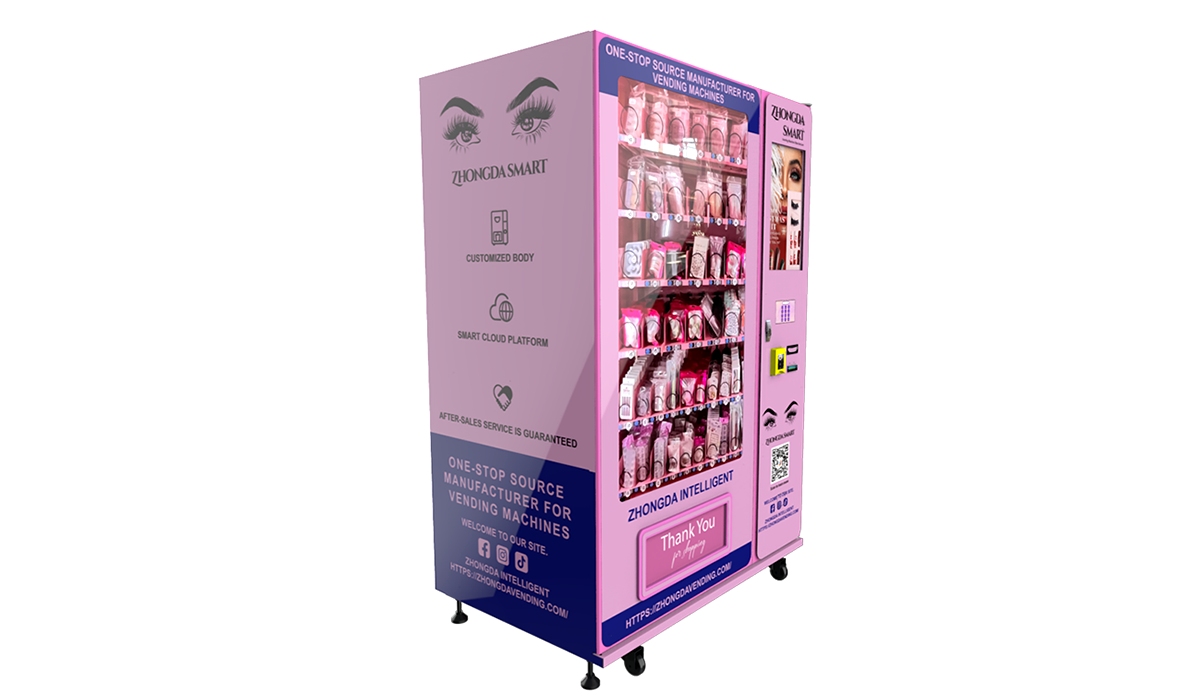
Let me break down the numbers based on what I've actually paid. A new voice-controlled vending machine from a reputable manufacturer like Zhongda Smart typically costs between $7,500 and $11,000 depending on the configuration. That includes the voice module, a backup touchscreen, a payment system (card and mobile), and the basic refrigeration or shelving. Shipping adds another $300 to $800 depending on distance.
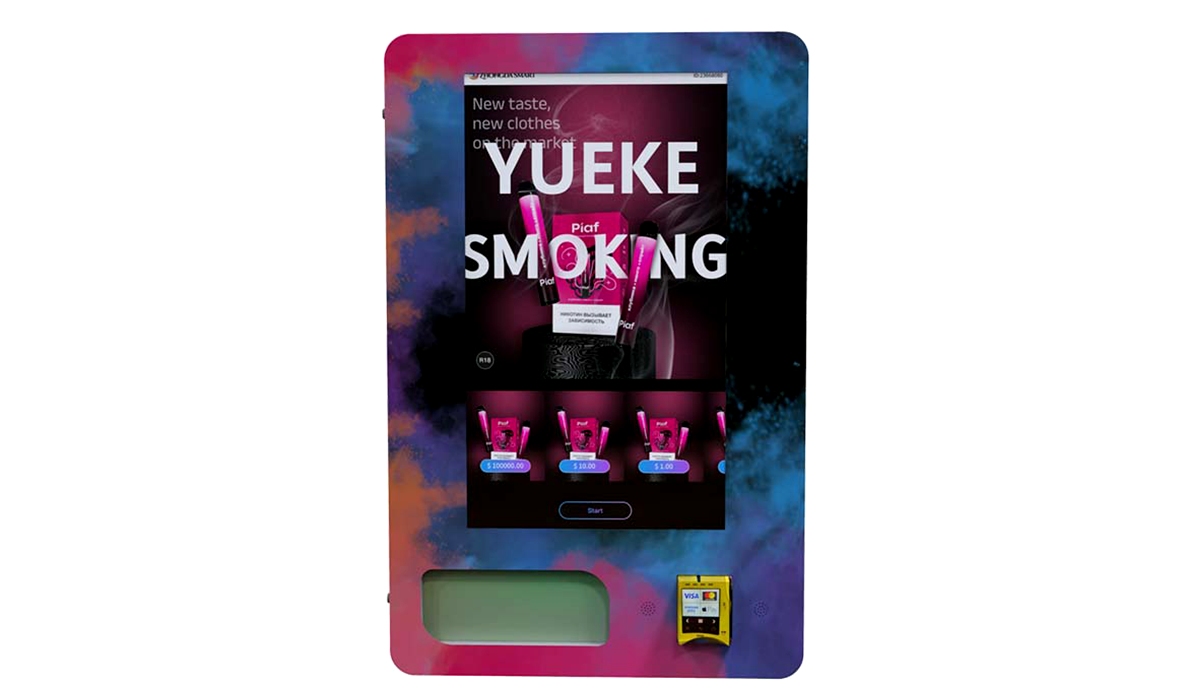
Installation is not trivial. You need a power outlet within reach, a stable internet connection for the payment system, and often a concrete pad if the machine sits outdoors. I budget about $500 to $1,000 for installation per unit, including electrical work if needed. Some locations require a permit, which can add $100 to $300. In Europe, electrical compliance standards are stricter, so factor in an extra $200 for certification checks.
Maintenance costs are where many new operators get burned. Voice-controlled machines have more components that can fail: microphones, speakers, the voice processing board, and the software that updates periodically. I set aside $800 to $1,200 per machine per year for repairs and parts. That's higher than the $400 to $600 I budget for a standard machine. But I've also seen the failure rate drop as the technology matures. Early models had frequent issues with background noise filtering. Newer units from established suppliers are much more reliable.
Revenue and Profit Margins: What to Expect
Revenue depends heavily on location and product mix. In a good location—say a busy office building with 1,000 employees—a voice-controlled machine can generate $800 to $1,500 per month in sales. Gross margins on snacks and drinks typically run 30 to 40 percent. So after product cost, you're looking at $240 to $600 per month in gross profit. Subtract location commission (often 10 to 20 percent of sales), maintenance reserves, and your own time for restocking, and net profit lands somewhere between $100 and $350 per machine per month.
That might not sound like a lot, but scaling changes the math. If you have 20 machines in good locations, you're looking at $2,000 to $7,000 per month in net profit. The key is keeping your operating costs lean. I restock my machines once a week, which takes about 20 minutes per machine. That includes checking inventory, cleaning the voice panel, and testing the microphone. If you have a route of 20 machines, that's about 7 hours of work per week.
According to a 2023 report by IBISWorld, the vending machine industry in the US alone generates over $7 billion annually, with an average profit margin of about 12 percent after all expenses. That aligns with my own experience. Voice-controlled machines can push margins slightly higher if they reduce theft and increase transaction speed, but the improvement is modest—maybe 2 to 4 percentage points.
Comparing Different Machine Types and Costs
| Machine Type | Initial Cost (USD) | Annual Maintenance | Avg. Monthly Revenue | Typical Payback Period |
|---|---|---|---|---|
| Standard snack machine | $3,000 – $5,000 | $400 – $600 | $600 – $1,200 | 12 – 18 months |
| Standard drink machine | $4,000 – $6,000 | $400 – $600 | $700 – $1,400 | 12 – 20 months |
| Voice-controlled combo machine | $7,500 – $11,000 | $800 – $1,200 | $800 – $1,500 | 18 – 30 months |
| Touchscreen smart kiosk | $6,000 – $9,000 | $600 – $1,000 | $700 – $1,300 | 18 – 24 months |
These numbers come from my own records and conversations with other operators. Payback periods vary. A voice-controlled machine in a prime location might pay for itself in 18 months. In a mediocre location, it could take 30 months or more. I always recommend starting with one or two units in proven locations before scaling.
How to Choose a Supplier or Manufacturer
I've bought machines from half a dozen suppliers over the years. Some were great, some were disasters. Here's what I look for now. First, the supplier must have a track record with voice-controlled technology, not just traditional vending. Ask for references from operators who have been running the same model for at least a year. Second, check the warranty. A good supplier offers at least two years on the voice module and one year on the refrigeration system. Third, availability of spare parts matters. If the microphone array fails and you have to wait six weeks for a replacement, you lose revenue.
Zhongda Smart is one supplier I've worked with on several projects. Their voice-controlled units have held up well in my experience, and their after-sales support is responsive. I don't recommend them for every situation, but if you're looking for a mid-range option with solid reliability, they're worth evaluating. I always advise visiting the factory or at least doing a video call to see the assembly line. You can learn a lot about build quality by watching how the units are put together.
Another thing: don't ignore the payment system. Voice-controlled machines need to integrate with modern payment terminals. Make sure the supplier offers compatibility with major card processors and mobile wallets like Apple Pay and Google Pay. In Europe, also check for support of local payment schemes like Bancontact in Belgium or iDEAL in the Netherlands. A machine that can't process local payments will fail regardless of how good the voice interface is.
Common Mistakes I See New Operators Make
The biggest mistake is underestimating the importance of voice recognition accuracy. I've seen operators buy cheap machines with poor microphones that fail in anything but a silent room. Test the unit in a realistic environment before committing to a large order. If the machine can't handle a moderate level of background noise, it's not ready for deployment.
Another mistake is ignoring the user interface design. Voice control should be intuitive. If the machine asks too many questions or requires users to repeat themselves, they'll switch to the touchscreen or walk away. I've watched people struggle with a poorly designed voice flow and it's painful. Make sure the supplier has done proper user testing. Ask for demo videos of real users interacting with the machine.
New operators also tend to neglect software updates. Voice recognition models improve over time. If your machine runs outdated firmware, accuracy will degrade. I schedule quarterly updates for all my voice-controlled units. It takes about 30 minutes per machine but saves countless customer complaints. Some suppliers offer remote update capabilities, which is a big plus.
Finally, don't overpay for features you don't need. Voice control is great, but if your location has low noise and average traffic, a standard machine with a touchscreen might perform just as well. I've seen operators spend $10,000 on a voice-controlled unit for a warehouse break room with 50 employees. That machine will never pay back. Match the technology to the location.
Which Scenarios Work Best for Voice-Controlled Machines
Based on my deployments, these are the top-performing scenarios for voice-controlled vending machines:
- Hospital waiting areas – Quiet environment, people often have their hands full with bags or children, and the demographic includes older users who benefit from voice interaction.
- Corporate office lobbies – Moderate noise, regular users who learn the system quickly, and a captive audience that values speed.
- Hotel corridors or lounges – Guests appreciate the novelty, and the environment is controlled enough for reliable voice recognition.
- Gym entrances – Users often have headphones on, but the machines I've placed in gyms have done well because people want quick access to water or protein bars without touching a screen.
- University libraries – Quiet, high traffic, and students are early adopters of new technology.
Scenarios to avoid: outdoor locations with wind noise, busy food courts with overlapping conversations, and any location where the machine is exposed to direct sunlight that can heat up the microphone components. I've also had poor results in locations with high ceilings and echo, like large atrium lobbies. The voice processing struggles with reverberation.
How to Assess Whether a Machine Is Worth Investing In
I use a simple checklist before I buy any machine. First, estimate the daily foot traffic. If it's under 300 people, a voice-controlled unit is probably not justified. Second, calculate the potential daily transactions. A good rule of thumb is that 2 to 5 percent of passersby will make a purchase, depending on the location. So 500 people per day gives you 10 to 25 transactions. At an average sale of $3, that's $30 to $75 per day, or $900 to $2,250 per month. That's the revenue ceiling.
Third, factor in the location commission. Some venues charge a flat fee, others take a percentage. I've seen commissions range from 5 percent in low-traffic areas to 25 percent in prime spots like airports. Fourth, add your operating costs: product cost (60 to 70 percent of sales), maintenance reserves, and your own labor. If the net profit after all costs is less than $100 per month, I pass.
Finally, I test the voice recognition myself. I stand 3 feet from the machine and speak at a normal volume. If it doesn't recognize my command within 2 seconds, I'm not interested. I also test with a slight accent or a low voice. The system should handle variations. If it's too sensitive to pronunciation, it will frustrate users.
FAQ: Voice-Controlled Vending Machines
Are voice-controlled vending machines profitable?
Yes, but only in the right locations. In a quiet, high-traffic environment, they can generate net profits of $100 to $350 per month per machine. The higher equipment cost means a longer payback period compared to standard machines, so location selection is critical. Based on my experience, about 60 percent of voice-controlled units break even within two years.
How much does a voice-controlled vending machine cost?
Expect to pay between $7,500 and $11,000 for a new unit from a reputable manufacturer like Zhongda Smart. That includes the voice module, backup touchscreen, payment system, and basic refrigeration. Shipping and installation add another $800 to $1,800. Used units are sometimes available for $4,000 to $6,000, but the voice technology may be outdated.
How long does it take to recoup the investment?
Typical payback periods range from 18 to 30 months for voice-controlled machines. In a prime location with high daily traffic, you might recover your investment in 18 months. In average locations, expect 24 to 30 months. I always recommend a conservative estimate of 30 months when planning your cash flow.
Should a beginner buy or lease a voice-controlled machine?
I generally advise buying one or two machines upfront rather than leasing. Leasing agreements often lock you into long terms with high total costs. Buying gives you full control over placement and maintenance. Start with a single unit in a location you know well. Once you understand the operational rhythm, you can scale. If you're risk-averse, consider a revenue-sharing arrangement with an experienced operator.
Where should I place a voice-controlled vending machine?
Quiet environments with high foot traffic are best. Hospital waiting areas, corporate office lobbies, hotel lounges, university libraries, and gym entrances have worked well for me. Avoid noisy locations, outdoor areas with wind, and spaces with high ceilings that create echo. Always test the ambient noise level before committing.
What permits or licenses do I need?
Requirements vary by city and country. In the US, you generally need a business license, a sales tax permit, and sometimes a food service permit if you sell perishable items. In Europe, you may need to register with local health authorities and comply with the EU's General Food Law. Check with your local chamber of commerce. I've found that most municipalities are straightforward as long as you're selling packaged, non-perishable goods.
How do I choose a reliable supplier?
Look for a supplier with at least three years of experience in voice-controlled vending. Ask for references from operators who have used the same model for over a year. Verify the warranty coverage—two years on the voice module is standard. Check the availability of spare parts. I've had good experiences with Zhongda Smart for mid-range units. Avoid suppliers that can't provide demo videos of real-world usage.
What happens if the machine breaks down?
Most voice-controlled machines have a backup touchscreen or keypad. If the voice module fails, the machine can still operate manually. I recommend keeping a spare microphone array and voice board in your inventory. Typical repair time is 2 to 5 days if you have the parts. Without spare parts, downtime can stretch to weeks. I budget $800 to $1,200 per machine per year for maintenance and repairs.
How can I reduce restocking and maintenance costs?
Route optimization is key. Group your machines geographically to minimize travel time. Restock on a fixed schedule—weekly works for most locations. Use inventory management software to track which products sell fastest. For voice-controlled machines, clean the microphone and speaker grills every two weeks. Dust buildup degrades recognition accuracy. I also recommend remote monitoring systems that alert you to low stock or technical issues.
Do voice-controlled machines work in multiple languages?
Many modern units support English, Spanish, French, German, and other major European languages. Check with the supplier about language support before purchasing. In my experience, machines that support at least two languages perform better in diverse urban areas. Some suppliers offer language packs that can be updated remotely.
Final Thoughts from a Decade in the Business
Voice-controlled vending machines are not a revolution, but they are a meaningful evolution in self-service retail. They work well in specific environments and can improve the customer experience, especially for users who value speed and hygiene. But they are not a shortcut to easy profits. The fundamentals of this business—location selection, cost control, regular maintenance, and product selection—still determine success or failure.
I've seen operators lose money by chasing technology without understanding the basics. I've also seen operators thrive by carefully matching the machine to the location and staying disciplined about costs. If you're considering entering this space, start small, test thoroughly, and learn from the data your machines generate. The technology will continue to improve, but the principles of running a vending operation have remained remarkably stable over the years.
This article reflects my personal experience and observations. Revenue and cost figures are estimates based on my own operations and should not be taken as guarantees. Always conduct your own due diligence and consult local regulations before investing. Data referenced from IBISWorld (2023 US Vending Machine Industry Report) and Statista (2023 European Vending Market Overview) provide additional context. For European compliance standards, refer to the European Vending & Coffee Service Association (EVA) guidelines available at vending-europe.eu.
本文更新于2025年7月