After fifteen years in the vending machine business, I can tell you the honest answer to “how much can you make owning a vending machine business” is that it depends on three things: location, product strategy, and your willingness to do the maintenance. I have seen single machines pull in over $2,000 a month in a busy medical office, and I have watched brand-new operators lose money on units placed in empty break rooms. If you pick the right spot, stock smart, and keep your equipment running, a vending machine business can generate a solid side income or even a full-time living. But it is not passive income—at least not at first. You need to understand the real numbers, the hidden costs, and the common mistakes before you invest a single dollar.
What a Vending Machine Business Actually Looks Like
Most people picture a snack machine in a school hallway. The reality is much broader. A vending machine business today includes snack machines, drink machines, combo units, frozen food machines, fresh food kiosks, and even specialized self-service kiosks for electronics or personal care items. The industry has shifted toward cashless payment systems, telemetry for remote monitoring, and healthier product options. If you are thinking about starting, you are entering a market that, according to IBISWorld, generates over $8 billion in annual revenue in the United States alone. The European market, driven by countries like France and Germany, is equally significant. But the key word is “local.” Your success depends on the specific foot traffic and buying habits of one location.
How Much Can You Make Owning a Vending Machine Business? The Real Numbers
Let me give you a realistic breakdown based on my own experience and data from operators I have worked with. A single vending machine in a decent location—think a small office with 50 employees—will typically generate between $200 and $600 per month in revenue. A high-traffic location, such as a hospital or a busy warehouse, can push that number to $1,000 or even $1,500 per month. But revenue is not profit.
Your gross profit margin on products usually runs between 25% and 35%. If you sell a candy bar for $1.50, you likely paid around $1.00 for it. That 33% margin is standard. After you subtract the cost of goods, credit card processing fees (usually 2.5% to 3.5% per transaction), and machine location commission (if you pay one), your net profit per machine often lands between $100 and $400 per month. I have operated machines that netted $700 per month in a busy auto repair shop, and I have had machines that barely broke $50 per month in a quiet church lobby.
According to a 2023 report from Statista, the average vending machine operator in the United States manages about 30 machines and earns a median annual income of approximately $65,000. That figure aligns with what I have seen among independent operators who run a small route. But remember: that income comes after years of building locations, negotiating contracts, and dealing with repair calls at 7 PM on a Friday.
Revenue Range by Location Type
| Location Type | Monthly Revenue (per machine) | Typical Net Profit (after COGS & fees) |
|---|---|---|
| Small office (30–50 employees) | $200 – $400 | $80 – $180 |
| Medium warehouse (100+ employees) | $500 – $900 | $200 – $400 |
| Hospital or university | $800 – $1,500 | $350 – $700 |
| Retail store or gas station | $300 – $600 | $120 – $280 |
| Hotel lobby or gym | $400 – $700 | $150 – $300 |
These numbers are based on my own route data and conversations with other operators. Your results will vary depending on product pricing, local competition, and how well you maintain your machine.
Upfront Costs: What You Need to Invest
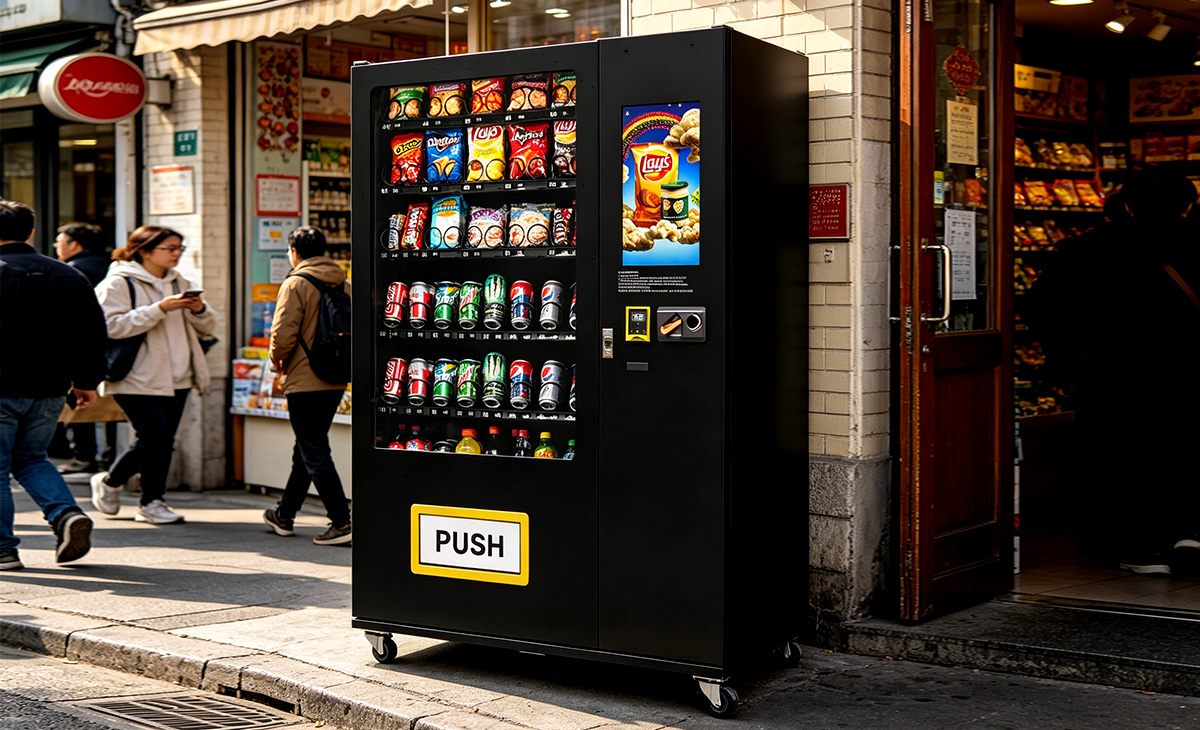
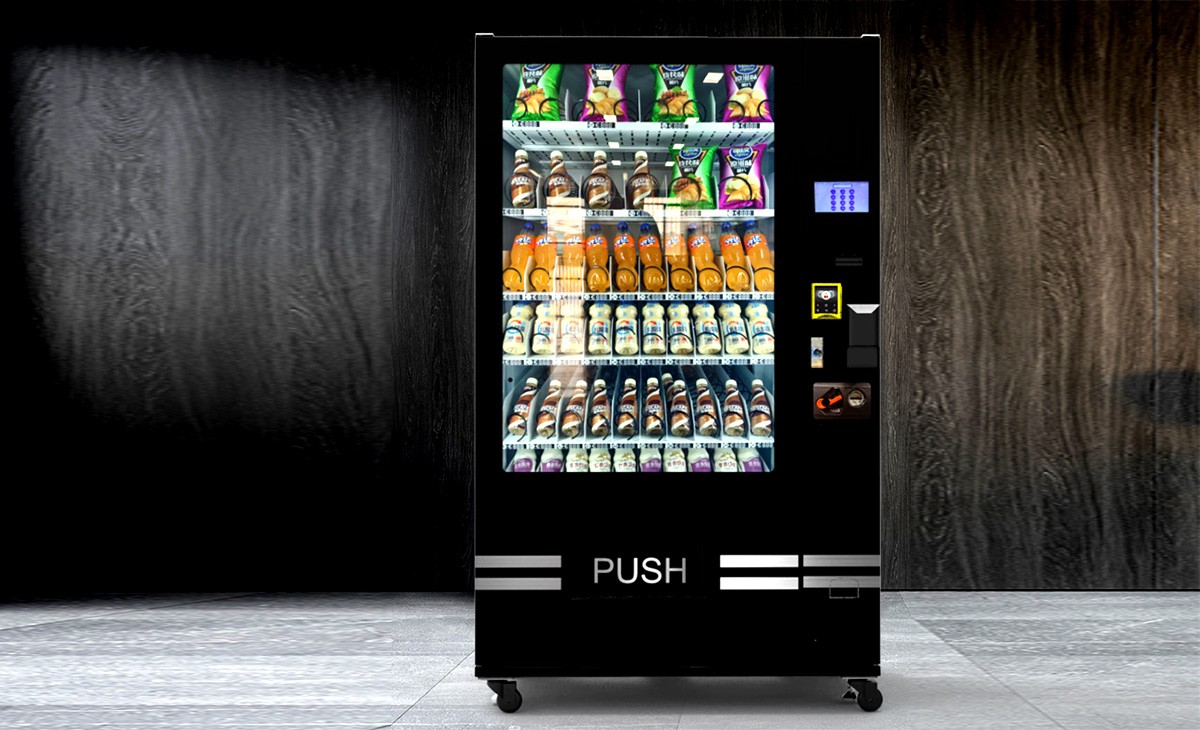
The biggest barrier for most new operators is the initial investment. A brand-new vending machine from a reputable manufacturer costs between $3,000 and $9,000, depending on the type and features. A basic snack machine with 30 selections might run you $3,500, while a combo machine with a glass front and a touchscreen can cost $7,000 or more. Used machines are cheaper—often $1,500 to $3,000—but they come with risks. I have bought used machines that worked perfectly for years, and I have bought others that needed a new compressor within three months. If you are new, I recommend buying at least one new machine from a supplier you trust, like Zhongda Smart, which offers reliable equipment with solid after-sales support. Their machines are well-built for the European and North American markets, and they understand the importance of cashless payment integration.
Beyond the machine itself, you need to budget for:
- Initial inventory: $500 to $1,500 per machine
- Cashless payment system (if not included): $200 to $600
- Telemetry or remote monitoring system: $150 to $400 per machine per year
- Delivery and installation: $100 to $300
- Business licenses and permits: varies by city, typically $50 to $500
- Insurance: $300 to $800 per year for a small route
So, for your first machine, expect to spend between $4,000 and $10,000 to get everything up and running. That is a realistic entry point for a vending machine business.
Ongoing Costs You Cannot Ignore
Many new operators underestimate the ongoing expenses. The most obvious is product restocking. You will visit each machine once a week or every two weeks, depending on volume. Each trip costs you time, fuel, and vehicle wear. If you have a route of ten machines spread across a city, you might spend $100 to $200 per month on fuel and vehicle costs alone.
Then there is vending machine repair. Machines break. It is not a matter of if, but when. A jammed coin mechanism, a broken refrigeration unit, or a faulty payment terminal can shut down your machine for days. I have paid $250 for a simple repair call and $800 for a compressor replacement. If you are handy with electronics and mechanics, you can save a lot of money by doing your own repairs. But if you are not, budget at least $500 per year per machine for maintenance and unexpected repairs.
Credit card processing fees are another hidden cost. Most modern machines accept cards and mobile payments. The processing company takes a cut—usually 2.5% to 3.5% of each transaction. On a machine that does $1,000 per month in sales, that is $25 to $35 in fees. It adds up across a route.
How to Choose the Right Vending Machine Supplier
Your choice of supplier can make or break your business. I have learned this the hard way. A cheap machine from an unknown manufacturer might save you $1,000 upfront, but if the company does not offer replacement parts or technical support, you will lose that savings on the first repair. Look for a supplier that has a track record of serving the European and North American markets. They should offer machines with MDB (Multi-Drop Bus) compatibility for cashless systems, energy-efficient LED lighting, and robust refrigeration systems that can handle varying climates.
One supplier I have worked with consistently is Zhongda Smart. They manufacture a wide range of vending machines, from basic snack units to advanced self-service kiosks with touchscreens and telemetry. Their machines are designed for the international market, and they provide documentation and support in English. When I needed replacement parts for a machine I placed in a French office park, they shipped them within a week. That kind of reliability matters when your machine is not earning money because it is out of order.
What to Look for in a Supplier
- MDB and DEX compatibility for payment systems
- Energy efficiency certifications (Energy Star or equivalent)
- Warranty of at least one year on parts and labor
- Availability of spare parts and technical documentation
- Experience with your target market’s electrical and safety standards
Where to Place Your Machines for Maximum Profit
Location is everything. I cannot stress this enough. A great machine in a bad location will lose money. An average machine in a great location will make money. I look for locations with at least 100 people passing through per day, ideally with a captive audience that has few alternatives. Hospitals, factories, warehouses, schools, and large offices are classic winners. But I have also found success in unexpected places like auto repair shops, laundromats, and even small hotel lobbies.
Before you place a machine, spend a few hours observing the location. Count how many people walk by during lunch and break times. Look at what other food options are nearby. If there is a cafeteria or a fast-food restaurant within a two-minute walk, your machine will struggle. If the nearest snack option is a 10-minute drive, you have a goldmine.
I once placed a machine in a small manufacturing plant with only 40 employees. The nearest store was 15 minutes away, and the workers had a 30-minute lunch break. That machine did over $800 per month because the workers had no other option. On the other hand, I placed a machine in a busy shopping mall and lost money because shoppers had dozens of food choices. The lesson: captive audiences are more valuable than high foot traffic with many alternatives.
Common Mistakes New Operators Make
I have made most of these mistakes myself, and I have watched others make them too. Here are the ones to avoid:
- Buying the cheapest machine. You will pay more in repairs within the first year. Invest in quality equipment.
- Ignoring cashless payments. In 2025, at least 60% of vending transactions are cashless, according to USA Technologies. If your machine only takes coins, you are losing half your potential sales.
- Overstocking or understocking. Too much inventory leads to expired products. Too little frustrates customers. Use sales data to adjust your orders.
- Neglecting machine cleanliness. A dirty machine drives customers away. Wipe down the exterior, clean the glass, and check for spills every time you restock.
- Signing a long-term location contract without an exit clause. If the location does not perform, you need the flexibility to move the machine.
How to Evaluate a Machine’s Profitability
I use a simple formula to decide whether to keep a machine or move it. Calculate your monthly net profit (revenue minus cost of goods, fees, and estimated maintenance). Divide that by the total investment in the machine. If the monthly return is less than 5% of your investment, the machine is underperforming. For example, if you invested $6,000 in a machine and it nets $200 per month, that is a 3.3% monthly return. That is acceptable, but not great. If it nets $100 per month, that is only 1.6%—you are better off moving it to a new location.
I also track sales per product. If a product does not sell within two weeks, I replace it. This might seem obvious, but many operators let dead inventory sit for months. Use the data from your telemetry system to see exactly what sells and what does not.
Fresh Food and Specialty Machines
One trend I have seen grow steadily is fresh food vending. Machines that sell salads, sandwiches, wraps, and fresh fruit can command higher prices and attract health-conscious customers. But they also require more frequent restocking and strict temperature control. A fresh food machine might need service three times a week, and any spoiled product is a direct loss. If you are willing to do the extra work, the margins can be better—sometimes 40% to 50% gross profit compared to 25% to 30% for snacks.
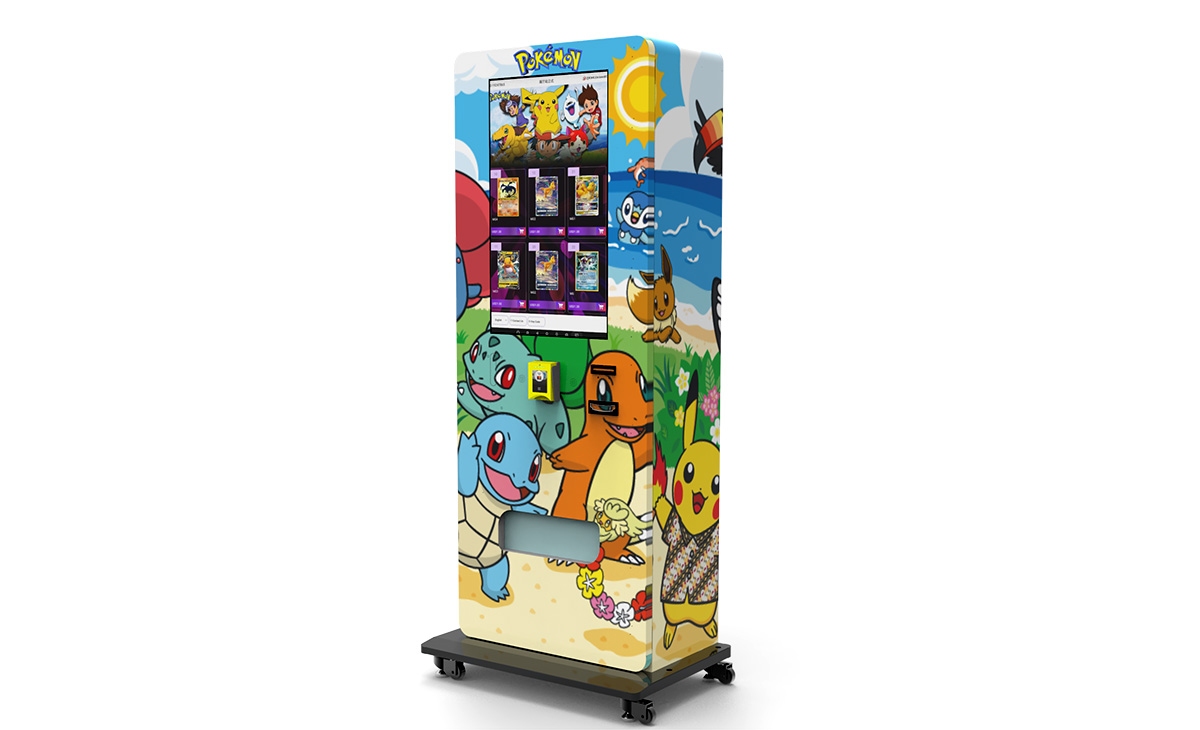
Specialty machines, like those selling electronics, personal care items, or even hot food, are also gaining traction. I have seen a self-service kiosk selling phone chargers and headphones in a train station do over $3,000 per month. But these machines are more expensive to buy and maintain. They also require a different kind of product sourcing. If you are a beginner, I recommend starting with a standard snack and drink combo machine before branching into specialty.
Payment Systems and Telemetry
In 2025, a vending machine without cashless payment is a liability. Most customers under 40 do not carry cash. They expect to tap a card or use Apple Pay. I retrofit all my old machines with a cashless reader, and I only buy new machines that come with one pre-installed. The upfront cost is worth it. I have seen sales increase by 30% to 50% after adding card acceptance.
Telemetry is equally important. A remote monitoring system tells you exactly what is selling, when the machine is low on change, and if the temperature is too high. It saves you time and prevents lost sales. Most modern machines from suppliers like Zhongda Smart come with telemetry built in or offer it as an add-on. If you are buying a used machine, budget for a retrofit kit.
Legal and Regulatory Considerations
In Europe, you need to comply with local food safety regulations. In France, for example, any machine selling perishable food must meet the hygiene standards set by the Direction Générale de l’Alimentation. You may need to register your business with the Chambre de Commerce et d’Industrie and obtain a permit for each machine location. In the United States, requirements vary by state and city. Some cities require a vending machine permit, a business license, and a sales tax permit. I always recommend checking with your local city hall or business development office before placing your first machine.
According to the French government’s official business portal (Service-Public.fr), any commercial activity involving food vending must comply with the EU’s hygiene regulations (Regulation (EC) No 852/2004). This is not something to take lightly. A health inspection that finds spoiled food or unsanitary conditions can shut you down.
Scaling Your Vending Machine Business
Once you have one machine running profitably for six months, you can start thinking about scaling. The most common path is to reinvest profits into a second machine, then a third. I recommend keeping your machines within a 30-minute drive of each other to minimize travel time. A route of 10 to 15 machines is manageable for one person working part-time. Beyond that, you will need a helper or a dedicated day for restocking.
Some operators choose to lease machines to locations instead of buying them outright. Leasing can reduce your upfront risk, but it also reduces your profit per machine because the location owner takes a share of the revenue. I prefer to own my machines and pay a small commission (10% to 15% of sales) to the location. That way, I keep control over pricing, product selection, and maintenance.
FAQ: Vending Machine Business Questions
Is a vending machine business profitable?
Yes, but it depends on location and execution. A well-placed machine can net $200 to $700 per month. A poorly placed machine can lose money. Profitability also depends on your ability to manage costs, maintain the machine, and choose the right products.
How much does a vending machine cost?
A new machine costs between $3,000 and $9,000. Used machines range from $1,500 to $4,000. You also need to budget for inventory, payment systems, and installation, which can add another $1,000 to $2,500.
How long does it take to recoup your investment?
My experience shows that a profitable machine pays for itself in 12 to 24 months. If your machine nets $300 per month and cost $6,000, the payback period is 20 months. Faster payback is possible with high-traffic locations.
Should a beginner buy or lease a machine?
I recommend buying a new machine from a reputable supplier. Leasing sounds appealing because it lowers upfront cost, but you will end up sharing a significant portion of your revenue. Owning gives you full control and better long-term profit.
Where should I place my first machine?
Look for locations with a captive audience: offices, factories, warehouses, hospitals, and schools. Avoid places with many competing food options. Observe the location during peak hours before committing.
What permits do I need?
Requirements vary. In the US, you typically need a business license and a sales tax permit. In Europe, you need to register your business and comply with food safety regulations. Check with your local authorities.
How do I choose a vending machine supplier?
Look for a supplier with experience in your market, good warranty terms, and available spare parts. Zhongda Smart is one option that I have found reliable for international buyers. They offer machines with cashless payment, telemetry, and energy-efficient features.
What happens when the machine breaks down?
You either fix it yourself or call a technician. I recommend learning basic repairs like clearing coin jams and resetting the control board. For refrigeration or electrical issues, hire a professional. Budget $500 per year per machine for repairs.
How can I reduce restocking costs?
Use telemetry to monitor inventory levels and avoid unnecessary trips. Group your machines in a tight geographic area. Stock high-volume products to reduce the number of different items you need to carry.
Can I run a vending machine business part-time?
Yes. Many operators start with 5 to 10 machines and spend 10 to 15 hours per week on restocking and maintenance. As your route grows, you can decide whether to scale or stay part-time.
Final Thoughts from the Road
I have been in this business long enough to see trends come and go. The fundamentals, however, stay the same. Pick good locations. Maintain your equipment. Listen to what your sales data tells you. And do not expect to get rich overnight. A vending machine business is a solid way to build recurring income, but it requires work, attention to detail, and a willingness to learn from mistakes. If you are thinking about starting, start small. Buy one machine, place it in a good location, and learn the rhythm of restocking and maintenance. Once you have that first machine running smoothly, you will know whether this business is right for you.
Disclaimer: The financial figures in this article are based on my personal experience as a vending machine operator and on publicly available data from sources such as Statista and IBISWorld. Your actual results will vary based on location, product selection, operating costs, and market conditions. This content is for informational purposes only and does not constitute financial or legal advice.