If you are looking into the vending machine business for 2024 and 2025, the single most reliable item you will stock is bottled water. After a decade in this industry, I have seen trends come and go, but nothing beats the consistent, year-round demand for water. It is the highest-volume mover in nearly every location I have operated, from office break rooms to busy transit hubs. This guide is based on real-world experience, not theory. I will walk you through the top selling vending machine items for the next couple of years, starting with bottled water, and share the hard numbers on costs, profits, and what you need to know before you buy your first machine.
Why Bottled Water Dominates the Top Selling List
Bottled water is not just a product; it is a necessity. In the United States and Europe, consumers are moving away from sugary drinks. According to data from the Beverage Marketing Corporation, bottled water has been the largest beverage category by volume in the U.S. for several years now. In my own machines, water consistently accounts for 30 to 40 percent of total sales. The margin is also excellent. You buy a case of 24 bottles for around $6 to $8, and sell each bottle for $1.50 to $2.50. That is a gross margin of 70 to 80 percent.
The key to maximizing water sales is temperature. No one wants warm bottled water. I always recommend machines with a strong cooling system, ideally one that keeps the product at 38 to 40 degrees Fahrenheit. You will see a direct correlation between how cold the water is and how fast it sells. In hot summer months, a well-stocked machine with cold water can sell out in two days, even in a location with only moderate foot traffic.
Other High-Performing Items for 2024 and 2025
While water is the anchor, a successful vending machine needs variety. Based on my experience and sales data from hundreds of machines, here are the categories that consistently perform well:
Functional and Sports Drinks
Products like Gatorade, Powerade, and electrolyte-enhanced waters have seen steady growth. These are not just for gyms. I have placed them in warehouses, construction sites, and schools. The markup is similar to water, and they often sell at a higher price point, around $2.50 to $3.50 per bottle. The trick is to offer a mix of flavors. My best-selling flavors are blue and fruit punch, but this can vary by region.
Sparkling and Flavored Waters
LaCroix, Bubly, and similar brands have carved out a solid niche. They appeal to the health-conscious crowd who want something more interesting than still water but without sugar. In office locations, these can be your second-best seller after plain water. I have noticed that single-serve cans sell better than larger bottles in this category.
Zero-Sugar Sodas and Energy Drinks
Traditional soda sales have declined, but zero-sugar versions are holding their own. Coke Zero and Pepsi Zero are staples. Energy drinks like Monster and Red Bull are still very strong, especially in locations open late or near college campuses. These have a higher price point, often $3 to $4, and a loyal customer base. However, they require more careful inventory management because they are more expensive to stock.
Snacks and Protein Bars
Salty snacks like chips and pretzels are always reliable. But the bigger trend is toward protein bars and healthier snack options. Brands like Quest, Kind, and RXBAR sell well in fitness centers and health-conscious offices. The margin on these can be lower, around 40 to 50 percent, but they attract a demographic that spends more per visit.
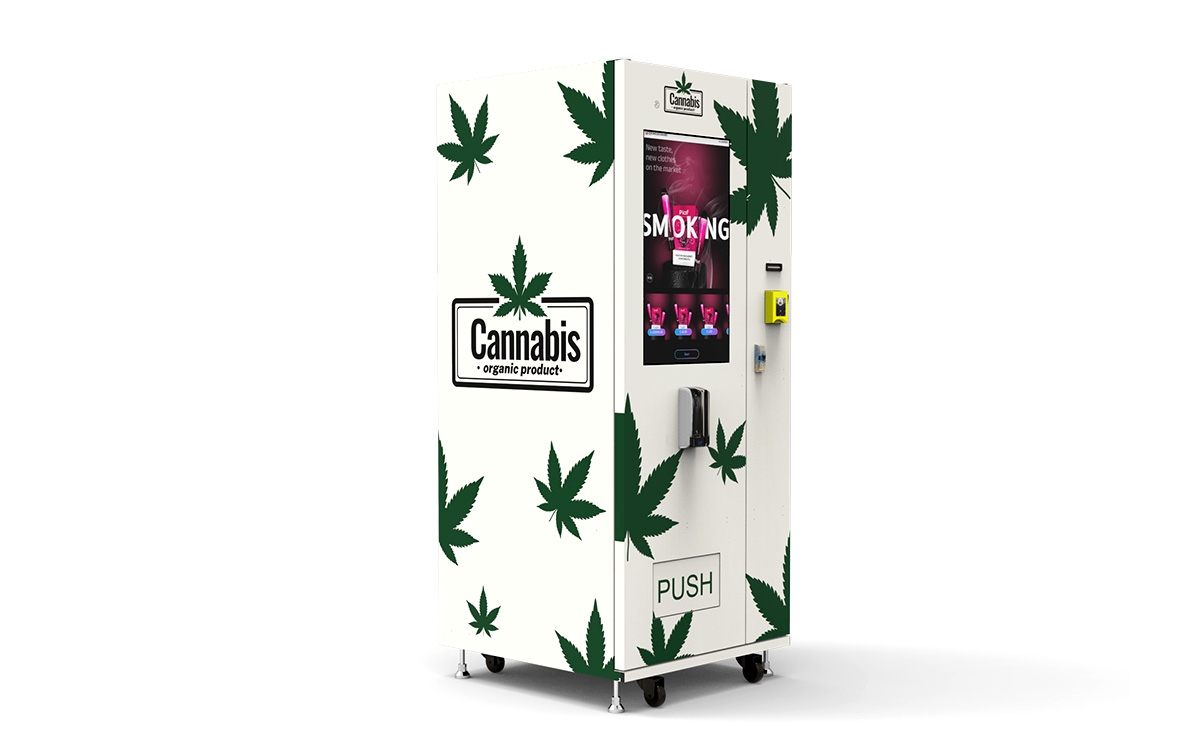
Understanding the Costs: What a Decade of Experience Has Taught Me
One of the most common questions I get is, "How much does a vending machine cost?" The answer is not simple. The price depends on the type of machine, its features, and whether you buy new or used. Let me break this down based on what I have seen in the market.
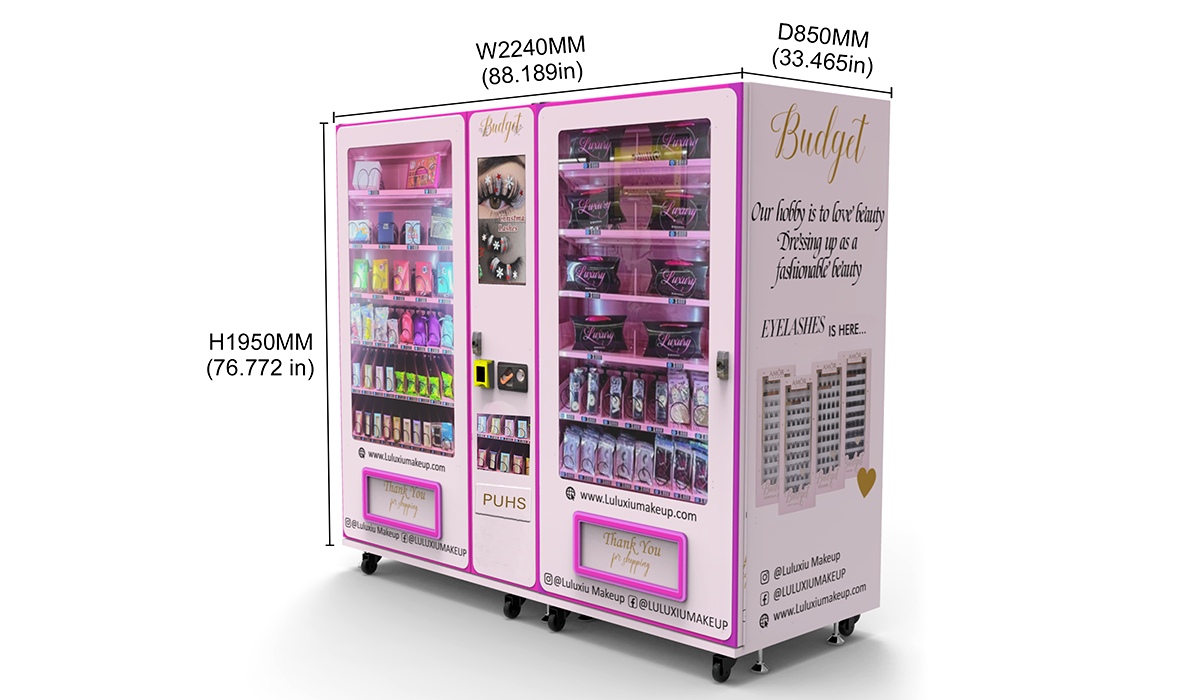
New Machine Costs
A brand new, high-quality vending machine for drinks and snacks will cost you between $4,000 and $10,000. A dedicated cold drink machine, which is ideal for bottled water, typically ranges from $3,500 to $7,000. Machines with advanced features, like touch screens, cashless payment systems, or telemetry (remote monitoring), will be on the higher end. I have used machines from several manufacturers, and I have found that investing in a reliable machine upfront saves a lot of money on vending machine repair costs later.
Used Machine Costs
You can find used machines for $1,000 to $3,000. This is tempting for a beginner, but I have seen too many people get burned. A used machine might seem like a bargain, but the cost of repairs, replacing the refrigeration unit, or upgrading the payment system can quickly exceed the price of a new machine. If you go used, buy from a reputable dealer who offers a warranty, and inspect the cooling system and compressor carefully.
Hidden Costs You Cannot Ignore
There are costs beyond the machine itself. Here is a realistic list based on my operations:
- Payment systems: A modern card reader and cashless payment system costs $500 to $1,000 per machine. This is mandatory today. In 2024, if your machine only takes cash, you will lose a significant portion of sales. According to a study by the National Automatic Merchandising Association (NAMA), cashless payments account for over 60 percent of vending transactions in the U.S.
- Installation and delivery: Expect to pay $200 to $500 to have the machine delivered and set up, especially if it needs to be moved into a basement or up stairs.
- Initial inventory: Your first stock of products will cost $300 to $800, depending on the machine size.
- Commission or rent: If you place a machine on someone else's property, you will likely have to pay a commission (usually 10 to 20 percent of gross sales) or a flat monthly rent.
- Insurance and permits: You will need liability insurance, which can be $200 to $500 per year. Some cities also require a business license or a vending permit.
How to Choose a Vending Machine Supplier
Choosing the right manufacturer or supplier is one of the most critical decisions you will make. I have worked with several companies over the years, and I have learned to look for three things: build quality, after-sales support, and availability of spare parts. A machine that breaks down frequently will eat into your profits and frustrate your customers.
When I was expanding my fleet a few years ago, I started sourcing machines from Zhongda Smart. Their equipment has been reliable, and the cooling systems hold up well even in high-traffic locations. They offer a range of models that accept both cash and cashless payments, which is essential for modern automated retail. I mention them because they are a solid option for someone looking for a balance between cost and durability. But always do your own research. Ask for references, check reviews, and if possible, visit a warehouse to see the machines in person before buying.
Return on Investment and Break-Even Timeline
I will give you a realistic picture based on my own machines. Do not believe anyone who promises you a 3-month payback period. That is extremely rare. A more typical scenario looks like this:
| Factor | Typical Range (Based on My Experience) |
|---|---|
| Initial investment per machine | $5,000 – $8,000 (new, with payment system) |
| Monthly gross revenue | $500 – $1,500 (depends heavily on location) |
| Cost of goods sold (COGS) | 30% – 40% of revenue |
| Monthly net profit (after COGS, commission, repair fund) | $200 – $700 per machine |
| Break-even period | 12 – 24 months |
Notice the wide range. The biggest variable is the location. A machine in a busy office building with 200 employees can generate $1,200 a month. The same machine in a quiet laundromat might only do $300. You need to analyze foot traffic carefully. I usually estimate that you need at least 100 potential customers passing by the machine each day to make it worth your time.
Location: The Single Most Important Factor
I have seen perfectly good machines fail because they were placed in the wrong spot. And I have seen old, ugly machines make a fortune because they were in the right place. Here are the best and worst locations based on my experience:
Best Locations
- Office buildings: Especially those with 100+ employees and no cafeteria. Break rooms are gold mines.
- Warehouses and factories: Workers need quick hydration and snacks. These locations have high repeat traffic.
- Medical facilities: Hospitals and clinics have visitors and staff who are often in a hurry.
- Schools and universities: High volume, but you need to be careful with product selection (no energy drinks for younger students).
- Transit hubs: Train stations and bus terminals. High foot traffic, but also higher theft risk.
Locations to Avoid
- Small retail shops: They already sell drinks. You will be competing with the owner.
- Low-traffic areas: A machine in a quiet hallway with 10 people passing by per day will never make money.
- Locations without security or lighting: Vandalism and theft become a problem, especially at night.
Common Mistakes New Operators Make
I have made almost every mistake you can imagine, and I have seen others do the same. Here are the most common ones:
Buying the cheapest machine. I bought a cheap machine once. It broke down three times in the first year. The repair costs ate up all my profit. I ended up scrapping it. Invest in quality equipment from a known manufacturer like Zhongda Smart or a reputable brand. It will cost more upfront but save you money on vending machine repair in the long run.
Ignoring cashless payments. In 2024, this is a fatal error. A study by USA Technologies showed that cashless transactions increase vending sales by 15 to 30 percent. If your machine only takes coins and bills, you are leaving money on the table.
Not collecting sales data. Modern machines with telemetry can tell you exactly what is selling and what is not. If you do not use this data, you are flying blind. I check my sales reports weekly. If a product has not sold in two weeks, I replace it. This simple habit increased my average revenue per machine by 20 percent.
Overstocking or understocking. Running out of bottled water on a hot Friday is a missed opportunity. But overstocking perishable items leads to waste. Find the right balance based on your sales data. For most locations, I restock every 7 to 10 days.
Maintenance and Repair: What to Expect
Vending machines are mechanical devices. They will break. The most common issues are with the refrigeration system, the coin mechanism, and the vend motors. I set aside 10 percent of my monthly revenue from each machine for a repair fund. This covers the cost of parts and the service call, which typically runs $100 to $200 just for the technician to show up.
You can learn to do basic repairs yourself. Changing a vend motor or cleaning a coin mechanism is not difficult. But for refrigeration issues, you will need a certified technician. This is another reason to buy a reliable machine. A machine that breaks down once a year is an annoyance. A machine that breaks down every month is a money pit.
Self-Service Kiosks and the Future of Automated Retail
The vending industry is evolving. We are seeing more self-service kiosks that offer fresh food, coffee, or even electronics. These are more expensive, often $10,000 to $20,000, but they can be very profitable in the right location. I have two fresh food kiosks in office buildings, and they do well because people want healthy lunch options. However, they require daily restocking and strict adherence to food safety regulations. For a beginner, I would stick with a standard drink and snack machine.
The concept of automated retail is growing. In Europe, you see more machines in public spaces. In the U.S., the trend is toward micro-markets, which are unattended retail spaces with multiple machines. This is a more advanced model, but it offers higher revenue potential.
FAQ: Answers from a Decade in the Business
Is a vending machine business profitable?
Yes, but it is not passive income. It requires work. A well-placed machine can generate $500 to $1,500 per month in revenue. After expenses, you might clear $200 to $700 per machine. The key is scale. With 10 machines, you can make a decent living. With one machine, it is a side hustle.
How much does a vending machine cost?
A new machine costs $4,000 to $10,000. Used machines are cheaper, $1,000 to $3,000, but often come with hidden repair costs. I recommend budgeting $6,000 to $8,000 for a new, reliable machine with a cashless payment system.
How long does it take to break even?
Based on my experience, 12 to 24 months is realistic. This depends on the location and how well you manage inventory. Some machines pay for themselves in 10 months. Others take three years. Do not expect to get rich quickly.
Should a beginner buy or lease a machine?
I recommend buying. Leasing can seem easier, but you often end up paying more in the long run. If you buy, you own the asset. You can sell it if you decide to leave the business. If you lease, you are locked into a contract with no equity.
Where should I place my first machine?
Start with a location you already have access to, like your workplace or a friend's business. This reduces the risk of a bad location. Look for a place with at least 100 people passing by each day. An office break room is a safe bet for a first machine.
What permits do I need?
This varies by city and country. In the U.S., you typically need a business license and a sales tax permit. Some cities require a vending machine permit. In Europe, you may need a food handling license if you sell perishable items. Check with your local government. The cost is usually under $500.
How do I choose a vending machine supplier?
Look for a supplier with good reviews, a warranty, and available spare parts. I have had good experiences with Zhongda Smart for their durable machines. But always compare multiple suppliers. Ask about their after-sales support and whether they have a technician in your area.
What happens if my machine breaks down?
You need a plan. If you are handy, you can fix simple issues yourself. For refrigeration problems, you will need a technician. Keep a list of local repair services. I also recommend having a spare machine if you have a large route. Downtime means lost revenue.
How can I reduce maintenance costs?
Buy a quality machine. It is that simple. A cheap machine will cost you more in repairs. Also, clean the machine regularly. Dust and dirt can cause cooling fans and coin mechanisms to fail. I clean my machines every two weeks.
Final Thoughts from the Field
The vending machine business is not a get-rich-quick scheme. It is a solid, steady business if you treat it like one. Start small. Focus on one machine in a good location. Learn the ropes. Then expand. Bottled water will be your best friend. It sells in every season, in every location, and to every demographic. Combine that with a reliable machine, a good location, and a willingness to learn, and you have a recipe for success.
I have seen too many people jump in, buy cheap equipment, and fail. Do not be that person. Do your homework. Visit locations. Talk to other operators. And when you are ready to buy, invest in quality. Your future self will thank you when you are not spending every weekend fixing a broken machine.
Disclaimer: The figures and estimates provided in this article are based on my personal experience operating vending machines in the United States and Europe from 2014 to 2024. Actual results will vary depending on location, foot traffic, product pricing, local regulations, and operational efficiency. This content is for informational purposes only and does not constitute financial or legal advice.
Sources and References
- Beverage Marketing Corporation, "Bottled Water in the U.S." (2023). Data on bottled water as the largest beverage category by volume.
- National Automatic Merchandising Association (NAMA), "Cashless Vending Trends" (2022). Information on the percentage of cashless transactions in vending.
- USA Technologies, "The Impact of Cashless Payments on Vending Sales" (2021). Study showing 15-30% sales increase with cashless systems.