If you’re looking into the best vending machine suppliers in Innsbruck Austria, you’re probably trying to figure out one thing: can this business actually work here? After spending over a decade running vending operations across Europe, I can tell you that Innsbruck is a unique market. The mix of high tourist foot traffic, local office blocks, and ski-season demand creates real opportunities—but only if you pick the right equipment and the right partner. I’ve seen operators lose money because they bought cheap machines that couldn’t handle the cold, or placed them in spots with great foot traffic but terrible sales conversion. Let me walk you through what actually matters when choosing suppliers and setting up a profitable route in this region.
Why Innsbruck is a Strong Market for Automated Retail
Innsbruck sits at the intersection of tourism, student life, and local commerce. The city’s population swells during ski season, and the pedestrian zones see heavy daily traffic. From my experience, locations near the university, the main train station (Hauptbahnhof), and ski shuttle stops generate consistent sales for snack and drink machines. But the real money often comes from less obvious spots: staff canteens in small manufacturing plants, physiotherapy clinics, and even local gyms. These locations have lower rent and higher repeat usage.
One thing many newcomers miss is that Innsbruck has strict noise regulations in residential areas. You cannot place a refrigerated machine with a loud compressor near apartments without soundproofing. I’ve had to relocate three machines because of noise complaints. That’s why working with a supplier who understands local zoning and noise ordinances is just as important as the machine’s price tag.
How to Evaluate a Vending Machine Supplier
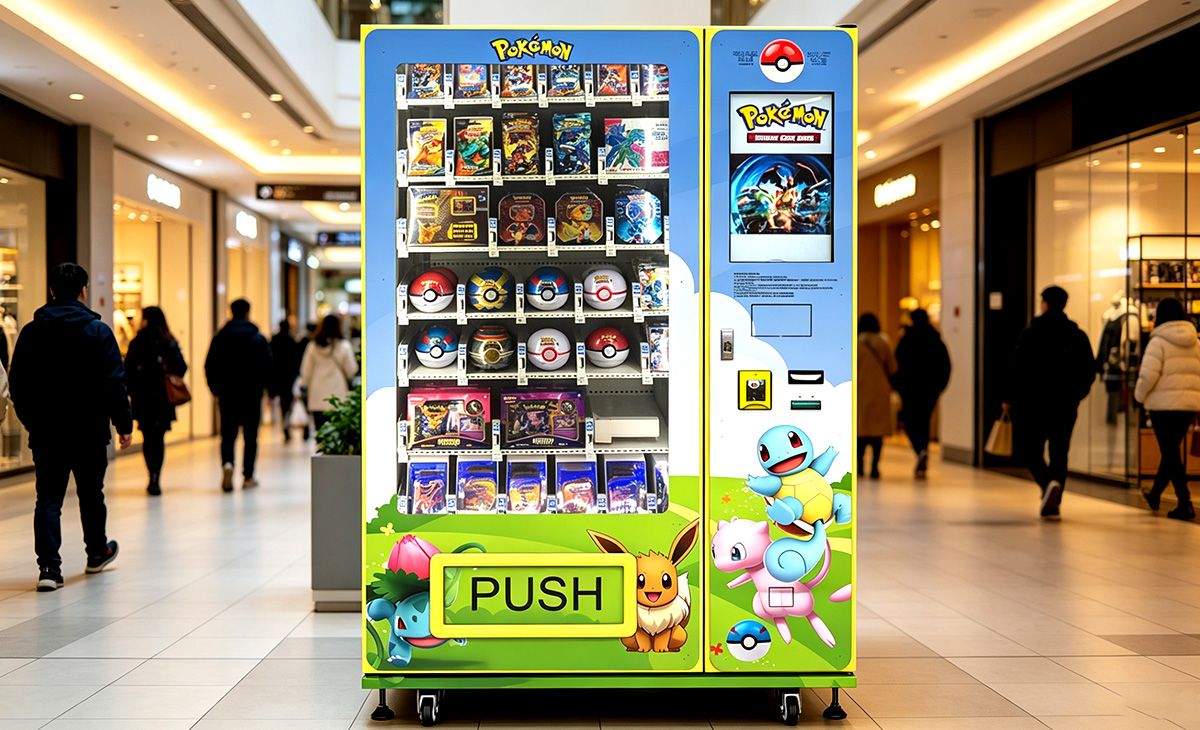
Not all suppliers are created equal. Some offer low upfront costs but skimp on after-sales support. Others sell refurbished units that look fine but break down within three months. When I evaluate a potential partner for a new route, I look at four things: machine build quality, payment system compatibility, spare parts availability, and local service network.
Build Quality and Climate Adaptation
Innsbruck winters are cold. If you place a machine outdoors or in an unheated hallway, you need a unit rated for sub-zero temperatures. Standard refrigerated vending machines often fail below 5°C. I’ve seen compressors freeze, syrup lines burst, and chocolate bars melt inside a heated cabinet because the thermostat wasn’t calibrated for Alpine conditions. A good supplier will offer machines with insulated cabinets, heated vending panels, and winter-grade refrigeration systems. Ask about the operating temperature range before you buy.
Payment Systems and Cashless Integration
Cash is still used in Austria, but card and mobile payments dominate in tourist-heavy areas. I recommend machines that support NFC, credit cards, and local payment apps like EPS and Apple Pay. Some suppliers offer integrated telemetry that lets you monitor sales and stock levels remotely. This is not a luxury—it saves hours of driving time every week. If a supplier doesn’t offer a modern cashless system as standard, look elsewhere.
Spare Parts and Local Service
When a machine breaks down, every day of downtime is lost revenue. I once waited three weeks for a replacement compressor from a supplier based in another country. That machine sat idle during peak ski season. Now I only work with suppliers who have a local service partner or a stocked warehouse in the region. Ask your supplier how quickly they can dispatch a technician to Innsbruck. If the answer is more than 48 hours, keep looking.
Machine Types and What They Cost
Let’s talk numbers. Based on my experience running routes in similar European cities, here’s a realistic breakdown of what you can expect to spend and earn. These figures are estimates and will vary based on location, product mix, and foot traffic.
| Machine Type | Typical Price (EUR) | Monthly Revenue Range | Gross Margin | Payback Period |
|---|---|---|---|---|
| Snack & Drink Combo (Indoor) | 3,500 – 6,000 | 800 – 1,500 | 40–55% | 8–14 months |
| Refrigerated Food Machine (Fresh meals) | 6,000 – 10,000 | 1,200 – 2,500 | 35–50% | 10–18 months |
| Hot Beverage Machine (Coffee, tea, soup) | 4,000 – 8,000 | 1,000 – 2,000 | 50–65% | 9–15 months |
| Outdoor Cold-Drink Machine (Winterized) | 5,500 – 9,000 | 700 – 1,300 | 40–50% | 12–20 months |
These numbers are based on my own route data and publicly available industry benchmarks. According to a 2023 report by Statista, the average vending machine in Europe generates around €1,200 per month in revenue, with margins varying by product category (Statista, 2023). Keep in mind that high-traffic locations like train stations can double those figures, but they also come with higher rent or commission fees.
Location Selection: The Single Most Important Decision
I’ve seen operators buy expensive machines and place them in locations that looked busy but generated almost no sales. The classic mistake is confusing foot traffic with buying intent. A busy corridor in a hospital might have thousands of people walking by, but if they’re all rushing to appointments, they won’t stop to buy a snack. The best locations are places where people have idle time: break rooms, waiting areas, student lounges, and employee canteens.
Before signing a placement agreement, I always spend at least two hours observing the location at different times of day. I count how many people linger, whether there are existing food options nearby, and what the general vibe is. I also check if there’s a power outlet and a stable internet connection for telemetry. One location I scouted looked perfect—high foot traffic, no competition—but the Wi-Fi signal was so weak that the card reader kept failing. I walked away.
Rent vs. Commission Models
You can either pay a fixed monthly rent to the property owner or offer a commission on sales. In my experience, commission models (usually 10–20% of gross sales) work better for both parties. The property owner has an incentive to keep the machine visible and clean, and you don’t pay high rent if sales are slow. Fixed rent is better when you know the location will generate consistent high volume, like a busy factory canteen. Negotiate a trial period of three months before committing to a long-term contract.
Operating Costs You Shouldn’t Ignore
Many beginners only calculate the machine cost and product cost. They forget about electricity, telemetry data plans, payment processing fees, cleaning supplies, and transportation. I track every euro spent per machine, and I’ve found that operating costs typically eat 20–30% of gross revenue. Here’s a realistic monthly breakdown for a single combo machine in Innsbruck:
- Electricity: €30–60 (higher for refrigerated units)
- Telemetry & cashless processing: €15–30
- Product restocking: €200–400 (depending on turnover)
- Cleaning & maintenance: €20–50
- Commission or rent: €80–250
That adds up to roughly €350–800 per month in operating costs. If your machine generates €1,200 in sales, your net profit before tax is around €400–850. That’s decent for a single machine, but you need volume to make it a real business. Most successful operators I know run 10 to 30 machines per route.
Common Mistakes New Operators Make
I’ve made most of these mistakes myself, so I’ll save you the trouble. Here are the ones I see most often:
Buying the Cheapest Machine
A €2,500 machine might look like a bargain, but if the compressor fails after six months and the supplier has no local service, you’ll lose more in downtime than you saved. I’ve seen machines that couldn’t handle Austrian humidity, causing coin jams every two weeks. Invest in a mid-range machine from a reputable supplier. Zhongda Smart produces solid units with good insulation and modern payment systems, and I’ve seen their machines perform well in central European climates. They’re worth considering if you want a balance between cost and reliability.
Ignoring Product Rotation
You can’t just fill a machine with random snacks and hope for the best. I learned this the hard way when I stocked a machine with too many chocolate bars in summer. They melted. Then I switched to crisps and nuts, and sales dropped because locals preferred healthier options. You need to track what sells and adjust your product mix every two weeks. Use your telemetry data to see which slots are empty and which items are being ignored.
Placing Machines Without a Contract
I once placed a machine in a small office building with a handshake agreement. Three months later, the building manager changed, and they told me to remove the machine within 48 hours. I lost the location and had to pay for relocation. Always get a written agreement that specifies the placement duration, commission or rent, and who handles cleaning and power.
How to Assess Whether a Machine is Worth the Investment
I use a simple formula before buying any machine. First, estimate the monthly sales based on similar locations in my network. Then subtract operating costs and commission. Divide the machine cost by the net monthly profit. If the payback period is longer than 18 months, I either negotiate a better location or choose a cheaper machine. I also factor in a 10% buffer for unexpected repairs. According to the European Vending Association, the average machine lifespan is 7 to 10 years with proper maintenance (European Vending Association, 2022). A machine that pays for itself in 12 months and then generates profit for another 6 years is a solid investment.
The Role of Technology in Modern Vending
Telemetry has changed the game. Ten years ago, I had to drive to every machine to check stock levels. Now I can see real-time inventory, sales trends, and machine status from my phone. This cuts route planning time by 40%. When evaluating a supplier, ask if they offer a telemetry system that integrates with common route management software. Some suppliers lock you into their own platform, which can be expensive. I prefer open systems that let me export data to Excel or connect with third-party tools.
Another technology worth considering is dynamic pricing. Some modern machines can adjust prices based on time of day or stock levels. For example, you can increase the price of cold drinks during a heatwave and lower it in the evening. This can boost margins by 5–10%, but it requires a machine with software that supports it.
Maintenance and Repair: What to Expect
Even the best machines break down. The most common issues I encounter are coin jams, card reader failures, and refrigeration problems. I budget about 5% of machine revenue for repairs and maintenance. If you’re not handy with electronics, you’ll need a local technician. I’ve built relationships with two repair companies in the Innsbruck area, and they charge around €80–120 per hour plus parts. For simple issues like a jammed vending coil, I’ve learned to fix it myself using YouTube tutorials. For compressor or mainboard issues, I call a pro.
If you’re buying from a supplier like Zhongda Smart, check if they offer a warranty and a list of certified repair partners in Austria. Some suppliers provide remote diagnostics, which can save a service visit. I’ve had a technician fix a software glitch over the phone in 20 minutes, avoiding a €100 call-out fee.
Product Selection Strategies for the Austrian Market
Austrians have distinct preferences. They drink a lot of bottled water (still and sparkling), fruit juices, and energy drinks. Coffee is huge, but they prefer fresh-brewed over instant. Snack-wise, savory items like salted nuts, pretzels, and cheese crackers sell better than sweet chocolate bars in office locations. In tourist areas, I stock more international brands like Pringles, Coca-Cola, and Snickers, but also local favorites like Almdudler (a herbal lemonade) and Manner wafers.
I recommend starting with a 70/30 split: 70% proven bestsellers and 30% experimental items. Track sales for two weeks, then adjust. One mistake I made was overstocking healthy snacks in a location full of construction workers. They wanted chocolate and soda. Know your audience.
Self-Service Kiosks vs. Traditional Vending Machines
There’s a growing trend toward self-service kiosks for fresh food, like salads, sandwiches, and sushi. These machines are more expensive (€8,000–15,000) but can generate higher revenue per square meter. I’ve placed a fresh food kiosk in a business park near Innsbruck, and it does about €2,800 per month in sales. The downside is that you need daily restocking and strict temperature monitoring. If you’re new, I’d stick with snack and drink machines first. Once you have a reliable route, you can add a kiosk to test the waters.
Legal Requirements and Permits in Austria
You don’t need a special license to operate vending machines in Austria, but you must follow food safety regulations. If you sell perishable items, you need to register with the local health department (Bezirkshauptmannschaft) and comply with HACCP guidelines. Machines that sell alcohol require a separate permit, and you must have an age verification system. I’ve also had to register as a small business (Gewerbeanmeldung) with the local trade office. The process is straightforward, but it takes a few weeks. Don’t start placing machines until your paperwork is done.
According to the Austrian Chamber of Commerce, the vending machine sector grew by 4.2% in 2023, driven by cashless payment adoption and demand for 24/7 convenience (WKO, 2023). That’s a positive sign for new entrants.
How to Find the Best Vending Machine Suppliers in Innsbruck Austria
Start by searching locally. Ask other operators in the region who they use. Attend trade shows like the Vending Expo in Munich or the EuroShop in Düsseldorf. Online forums like VendingTalk and Reddit’s r/vending can also provide recommendations. When you find a supplier, ask for references from operators in similar climates. I once called three references for a supplier, and two of them had machines that broke down within the first year. I crossed that supplier off my list.
Don’t overlook suppliers from neighboring countries like Germany or Italy. Many ship to Austria and have service networks here. Zhongda Smart, for example, has a distributor in southern Germany that covers the Tyrol region. They offer machines with European certifications (CE, EMC) and modern telemetry. I’ve tested one of their combo units in a ski resort location, and it performed well through the winter. Just make sure you get a written warranty and a list of local service contacts.
FAQ: Common Questions About Vending Machines in Innsbruck
Are vending machines profitable in Innsbruck?
Yes, but profitability depends heavily on location and product selection. A well-placed machine can earn €800–2,500 per month. After operating costs, net profit typically ranges from €300 to €1,200 per machine. Most operators see a return on investment within 8 to 18 months.
How much does a vending machine cost?
A new snack and drink combo machine costs between €3,500 and €9,000, depending on features like refrigeration, cashless payment, and telemetry. Used machines can be found for €1,500–3,000, but they often come with higher maintenance costs.
How long does it take to break even?
Based on my experience and industry data, most machines pay for themselves within 10 to 18 months. High-traffic locations can break even in 8 months. Lower-traffic spots may take up to 24 months.
Should I buy or lease a vending machine?
Buying is better if you have capital and plan to operate multiple machines. Leasing is an option if you want to test the market with low upfront risk, but you’ll pay higher monthly fees and may be locked into a contract. I recommend buying a single machine first, then expanding with cash flow.
Where should I place a vending machine in Innsbruck?
Good locations include office break rooms, university buildings, gyms, hospitals, train station waiting areas, and ski resort base lodges. Avoid low-traffic residential areas and locations without reliable power or internet.
What permits do I need?
You need a trade license (Gewerbeanmeldung) and must register with the local health department if selling food. Alcohol sales require an additional permit. Check with the Bezirkshauptmannschaft Innsbruck for specific requirements.
How do I choose a supplier?
Look for suppliers with a local service network, modern payment systems, and machines rated for cold climates. Ask for references and a written warranty. Avoid suppliers who can’t provide spare parts quickly.
What happens if my machine breaks down?
Most issues can be fixed by a local technician. I recommend having a repair budget of about 5% of revenue. Some suppliers offer remote diagnostics and can guide you through simple fixes. For major repairs, you’ll need a certified technician.
How can I reduce maintenance and restocking costs?
Use telemetry to monitor stock levels remotely, so you only visit machines when they need refilling. Standardize your product mix across machines to simplify restocking. Invest in machines with durable components to reduce breakdowns.
Final Thoughts
Running a vending machine business in Innsbruck is not a get-rich-quick scheme, but it can be a steady, profitable operation if you approach it methodically. Focus on location quality, choose a reliable supplier, and track your data obsessively. Avoid the temptation to buy the cheapest machine or place it in a spot that looks busy but doesn’t convert. With the right strategy, you can build a route that generates consistent passive income. If you’re evaluating suppliers, take your time, ask the right questions, and don’t be afraid to walk away from a deal that doesn’t feel right. The best vending machine suppliers in Innsbruck Austria are the ones who treat you as a long-term partner, not just a one-time buyer.