After a decade in the vending business across the US and Europe, I can tell you that choosing the right vending machine manufacturer in Osaka Japan is not about picking the cheapest unit or the fanciest touchscreen. It is about finding a partner who understands the specific demands of automated retail in a high-density, high-efficiency environment. Osaka, as Japan’s commercial heart, produces equipment built for relentless daily use, strict food safety laws, and a culture of service that most Western operators underestimate. If you are looking to import Japanese vending technology or establish a local operation, the decision starts with understanding how these machines perform in real-world conditions, not just in a showroom.
Why Osaka for Vending Machine Manufacturing?
Osaka is not just another industrial city. It is the hub for Japan’s precision manufacturing and logistics. When I first visited factories in Osaka, I noticed something immediately: the attention to detail in the assembly line. Unlike generic import machines, Osaka manufacturers focus on reliability in high-traffic urban settings. The machines are designed for 24/7 operation, with cooling systems that handle both Osaka’s humid summers and cold winters. Many of my colleagues who switched to Japanese machines reduced their repair calls by over 40% within the first year.
Another advantage is the local supply chain. Osaka hosts numerous component suppliers for compressors, payment systems, and sensors. This means shorter lead times for spare parts. If you operate in a region where vending machine repair services are slow, having a manufacturer with a robust parts network is a lifesaver. I have seen operators lose weeks of revenue waiting for a simple board replacement from non-Japanese suppliers.
Finally, Osaka manufacturers are ahead in cashless and IoT integration. Japan has been using smartphone payments and IC cards for over a decade. If you plan to deploy machines in the US or Europe, you want a system that already works with global payment gateways. Many Osaka-based factories now offer pre-configured solutions for Visa, Mastercard, Apple Pay, and local e-wallets, which saves you the headache of retrofitting later.
What Makes a Good Vending Machine Manufacturer?
I have worked with over a dozen suppliers across Asia, and I have learned that the best manufacturers share three traits: transparency in specifications, after-sales support, and adaptability to local regulations. A vending machine manufacturer in Osaka Japan should provide detailed technical documents in English, including wiring diagrams and software APIs. If they hesitate to share this, walk away. You will need those documents for maintenance and compliance checks.
After-sales support is where most newcomers get burned. Some manufacturers promise global support but only have a single English-speaking technician. Ask for the average response time for a technical query. In my experience, good Osaka factories respond within 24 hours during business days. They also offer training sessions for your local technicians. I once had a client who bought 50 machines from a cheaper supplier in another country and spent six months troubleshooting basic issues because the manual was only in Japanese.
Adaptability is crucial. Your machines must meet local electrical standards, food safety certifications, and payment regulations. A reputable manufacturer will help you modify the machine for your market. For example, if you need a self-service kiosk that complies with EU food safety directives, they should be able to adjust the refrigeration system and materials accordingly. I have seen operators fail inspections because the machine’s internal temperature logging did not meet local requirements.
Key Factors to Evaluate Before Choosing a Supplier
Machine Build Quality and Durability
Not all steel is the same. Osaka manufacturers typically use thicker gauge steel for the cabinet and reinforced hinges for doors that open hundreds of times a day. When I evaluated a machine from a well-known Osaka factory, I noticed the door seal was double-layered, which reduces condensation and energy loss. Cheap machines often use single-layer seals that fail within a year, leading to spoiled products and higher electricity bills.
Check the compressor brand. Japanese machines often use Panasonic or Mitsubishi compressors, which are known for long life and quiet operation. A good compressor can run for 10 years without major issues. I have replaced compressors on budget machines within two years. That cost alone can wipe out your profit margin for the first year.
Also, look at the internal layout. Machines designed for Japanese convenience stores have adjustable shelving and modular trays. This allows you to switch between cans, bottles, and snacks without buying new parts. Flexibility in product placement directly impacts your sales per square foot.
Payment System Compatibility
Modern vending is cashless. A vending machine manufacturer in Osaka Japan should offer payment systems that support NFC, QR codes, and traditional coin/note acceptors. I recommend asking if the machine can integrate with major payment processors like Stripe, Square, or Worldpay. Some Osaka factories now offer built-in 4G modems for real-time transaction data. This is not a luxury; it is essential for inventory management and dynamic pricing.
One mistake I see often is operators buying machines with outdated payment systems and then spending hundreds of dollars per unit to upgrade. Avoid this by confirming that the base model already supports the payment methods your customers use. In Europe, for instance, contactless payments are the norm. If your machine only accepts coins, you will lose sales.
Energy Efficiency and Environmental Compliance
Energy costs are a significant part of your operating expenses. Japanese manufacturers are leaders in energy-efficient refrigeration. Many machines now use LED lighting, inverter compressors, and smart sensors that reduce power consumption when the machine is idle. According to a Statista report, modern vending machines can consume up to 30% less energy than models from a decade ago. This directly improves your net profit.
Also, check if the machine complies with RoHS and WEEE directives if you plan to sell in Europe. Non-compliance can result in fines or being barred from certain markets. Osaka manufacturers are generally well-versed in these regulations, but always ask for a certificate of conformity.
Cost Breakdown: What to Expect Financially
Let me give you a realistic picture based on my experience and industry data. The initial investment for a new vending machine from a reputable Osaka manufacturer typically ranges from $3,000 to $8,000 per unit, depending on the type and features. A basic can and snack machine with a cashless reader might cost around $3,500. A full-size combo machine with a glass front, touchscreen, and advanced telemetry can go up to $7,500.
Monthly operating costs include restocking (labor), electricity, payment processing fees, and occasional repairs. For a single machine in a medium-traffic location, I estimate these costs at $200 to $400 per month. Electricity alone can be $50 to $100, depending on local rates and machine efficiency.
Gross margins vary by product. Snacks typically yield 30-40% margin, while drinks can be 50-70% if you source well. A well-placed machine can generate $500 to $1,500 in monthly revenue. Based on these numbers, the payback period for a new machine is usually 12 to 18 months. However, I have seen machines in prime locations pay for themselves in 9 months, and others in poor spots take over two years.
Here is a simple comparison table based on my operational data:
| Machine Type | Initial Cost (USD) | Monthly Revenue (Avg) | Monthly OpEx | Payback Period |
|---|---|---|---|---|
| Basic Drink & Snack | $3,500 | $700 | $250 | 14 months |
| Glass Front Combo | $5,500 | $1,200 | $350 | 13 months |
| High-End Touchscreen | $7,500 | $1,800 | $450 | 12 months |
| Refrigerated Food Kiosk | $6,000 | $1,000 | $300 | 15 months |
Note: These figures are estimates based on my operations in urban US markets. Your actual results will vary based on location, product mix, and local costs.
Best Locations for Vending Machines
Location is the single biggest factor in profitability. I have placed machines in over 200 locations, and the difference between a good and bad spot can be 5x in revenue. High-traffic areas like office buildings, hospitals, universities, and transportation hubs are ideal. A vending machine in a busy train station can do $2,000 a month, while one in a quiet warehouse might struggle to hit $300.
When evaluating a location, look at foot traffic, dwell time, and existing competition. I always spend an hour observing the site at different times of the day. If people are walking quickly, they might not stop. If there is a cafeteria or convenience store nearby, your sales will be lower. One technique I use is to place a small basket with free samples and see how many people take them. It gives a rough idea of engagement.
Also, consider the demographics. Office workers prefer healthy snacks and premium coffee. Factory workers want energy drinks and chips. Tailor your product mix to the audience. I once saw an operator fail because he stocked gourmet granola bars in a construction site. That machine lost money for three months before he switched to soda and candy.
For those new to the industry, I recommend starting with one or two machines in proven locations before scaling. Many operators lose money by buying 20 machines at once and placing them in mediocre spots. It is better to test and iterate.
Common Mistakes New Operators Make
I have made many of these mistakes myself, so I speak from experience. The first is underestimating the importance of vending machine repair. A machine that is down for a week can lose a month’s profit. Always have a backup plan for repairs, either a local technician or a stock of common spare parts. Some Osaka manufacturers, like Zhongda Smart, offer remote diagnostics that can identify issues before they cause downtime. This feature alone saved me thousands in lost sales.
Another mistake is ignoring data. Modern machines generate a wealth of sales and inventory data. If you are not analyzing it, you are flying blind. I use data to identify slow-moving items and replace them with better sellers. It also helps me adjust pricing dynamically. For example, if a drink sells out by 2 PM, I raise the price slightly to balance demand.
New operators also often neglect the user experience. A dirty machine, a broken button, or a cluttered product display will drive customers away. I schedule weekly cleaning and restocking. A clean machine sells 20% more, in my experience. It sounds trivial, but it makes a real difference.
Finally, do not overpay for unnecessary features. A touchscreen with video ads might look impressive, but if your location has low dwell time, no one will watch it. Focus on core functionality: reliable vending, multiple payment options, and energy efficiency. Fancy features add cost and complexity without guaranteed returns.
How to Select a Supplier: Practical Steps
Start by requesting a sample machine for evaluation. A reputable vending machine manufacturer in Osaka Japan should offer a demo unit at a reduced price or with a return option. I always test a machine for at least a month in a real location before committing to a bulk order. This reveals any issues with the cooling system, payment integration, or software.
Ask for references from other international buyers. Contact them directly and ask about their experience with support, lead times, and machine reliability. I once found a supplier that looked great on paper, but three references told me the same story: slow response times and frequent software bugs. I avoided them and saved myself a lot of trouble.
Check the manufacturer’s certifications. ISO 9001 for quality management is standard. Also, look for CE or UL certification if you are selling in Europe or North America. Without these, you may face import delays or legal issues. Many Osaka factories hold multiple certifications, but always verify the documents.
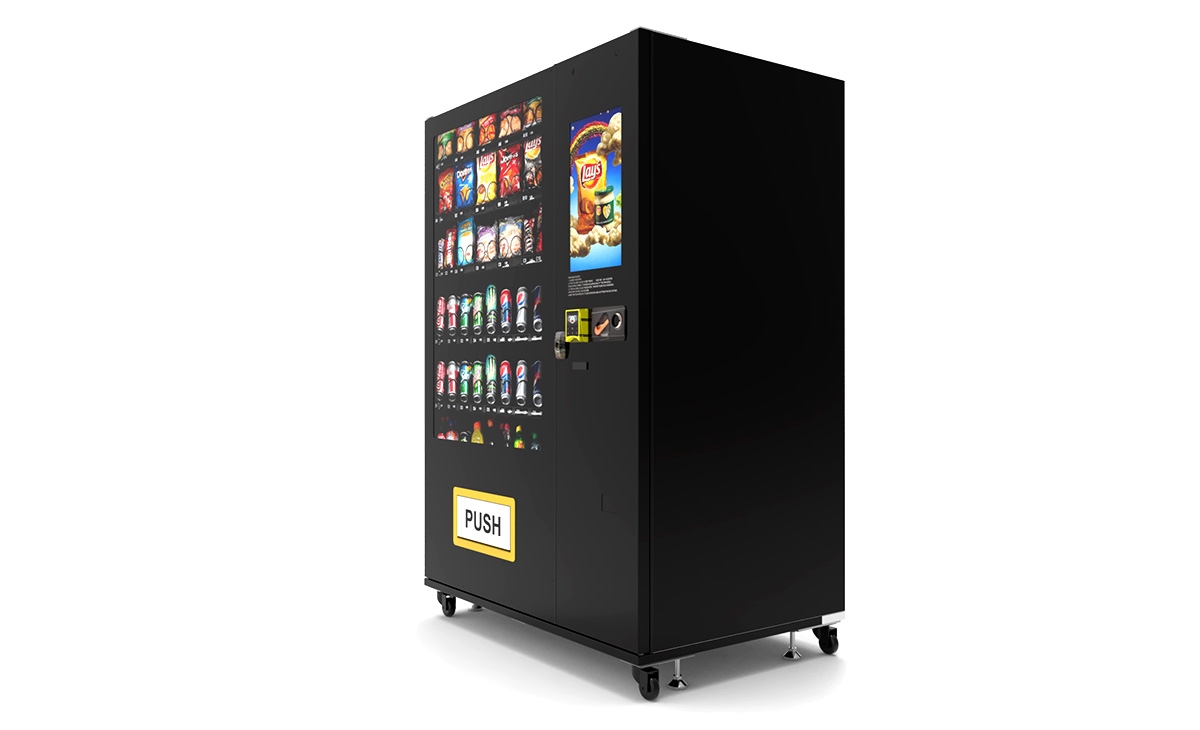
Consider the supplier’s ability to customize. If you need a specific color, branding, or payment system, ask upfront. Some manufacturers have minimum order quantities for customizations. I worked with Zhongda Smart on a project requiring a multilingual touchscreen interface. They were flexible and delivered within the agreed timeline. That kind of flexibility is rare in the industry.
Real-World Data and Sources
According to a IBISWorld report, the vending machine operators industry in the US generated $7.6 billion in revenue in 2023, with an annual growth rate of 2.5%. This shows the market is stable but competitive. The same report notes that average profit margins are around 12-15% for established operators.
A study by the National Automatic Merchandising Association (NAMA) indicates that cashless payments now account for over 60% of vending transactions in the US. This underscores the need for modern payment systems. If your machine cannot accept cards or mobile payments, you are missing a large share of sales.
Finally, the European Commission’s energy consumption data shows that commercial refrigeration accounts for a significant portion of energy use in retail. Efficient vending machines can reduce this by up to 30%, which aligns with my own observations. I saved an average of $15 per month per machine after switching to inverter compressor models.
FAQ: Common Questions About Choosing a Vending Machine Manufacturer
Are vending machines profitable?
Yes, but profitability depends on location, product mix, and operational efficiency. A well-placed machine can generate $500 to $1,500 per month. After costs, net profit is typically 10-20% of revenue. It is not a get-rich-quick business, but it can be a solid income stream with proper management.
How much does a vending machine cost?
A new machine from a reliable Osaka manufacturer costs between $3,000 and $8,000. Used machines can be found for $1,500 to $3,000, but they may have higher repair costs. I recommend buying new if you are serious about long-term operation.
How long does it take to recoup the investment?
Typically 12 to 18 months for a new machine in a good location. Higher-traffic spots can shorten this to 9 months. Poor locations may take over two years. Always calculate your payback period before purchasing.
Should I buy or lease a vending machine?
Buying is better for long-term profitability. Leasing often comes with high monthly fees and restrictions. However, leasing can be a way to test the business with lower upfront risk. I recommend buying after you have validated a location.
Where should I place my vending machine?
Target high-traffic areas with captive audiences: office buildings, hospitals, schools, gyms, and transit hubs. Avoid locations with existing food options unless you offer something unique. Always negotiate a written agreement with the property owner.
What permits do I need?
Requirements vary by country and state. In the US, you typically need a business license, sales tax permit, and health department approval if selling food. In the EU, you must comply with food safety regulations and waste disposal laws. Check local regulations before deploying.
How do I choose a supplier?
Look for transparency, after-sales support, and certifications. Request a demo machine, check references, and verify certifications like ISO 9001 or CE. A good supplier will answer your questions promptly and provide detailed technical documentation.
What happens if the machine breaks?
Have a local technician or a maintenance contract in place. Many modern machines offer remote diagnostics that can identify issues early. Stock common spare parts like coin mechanisms, sensors, and door hinges. Quick repairs minimize revenue loss.
How can I reduce restocking and maintenance costs?
Use data to optimize restocking frequency. Machines in high-traffic spots may need restocking twice a week, while others can go longer. Invest in telemetry that alerts you when inventory is low. Regular cleaning and preventive maintenance reduce breakdowns.
Final Thoughts
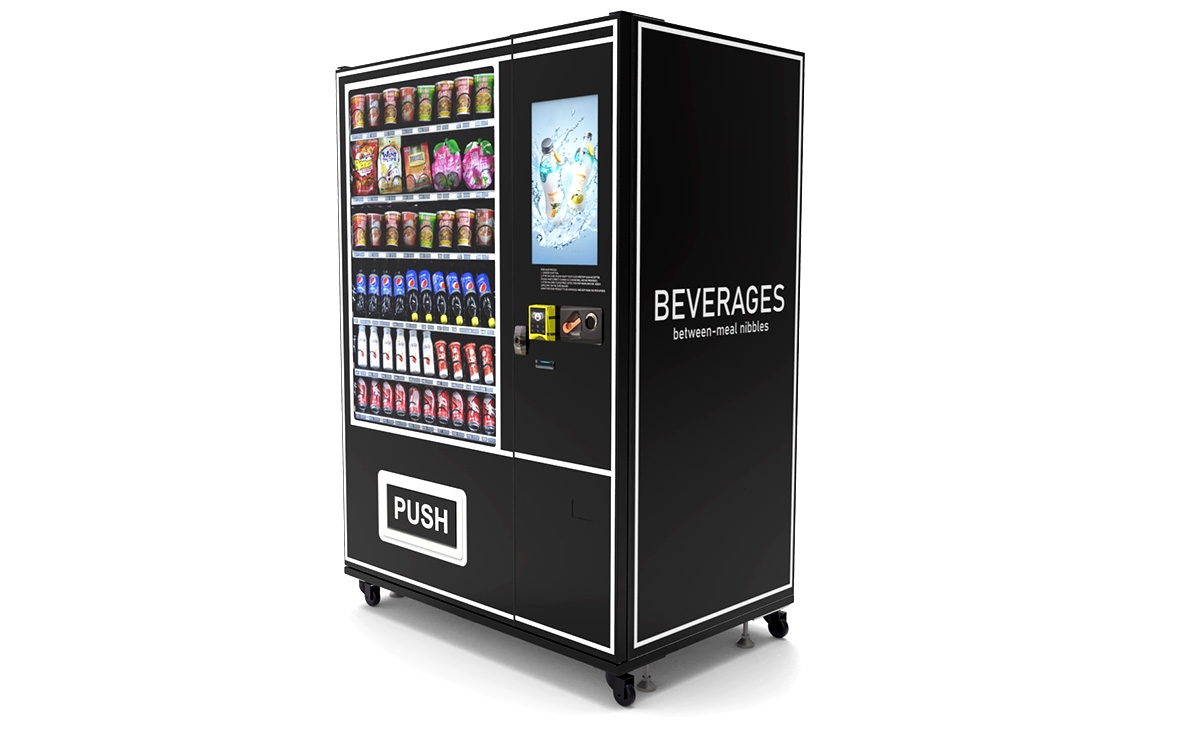
Choosing a vending machine manufacturer in Osaka Japan is a strategic decision that affects your entire operation. Focus on build quality, payment system compatibility, and after-sales support. Do not rush into a bulk purchase without testing the equipment in your own market. The vending business rewards patience and attention to detail. If you pick the right partner and the right locations, you can build a profitable automated retail operation that runs smoothly for years.