After more than a decade running vending machine routes across the US and parts of Europe, the first question I always get from someone looking to get into this business is: how much does the average vending machine earn? The honest answer is that a well-placed machine in a mid-traffic location typically generates between $75 and $350 per month in net profit, though I have seen machines in high-traffic office break rooms or busy warehouse floors clear over $600 monthly. But that number depends entirely on where you put it, what you sell, and how well you manage restocking. A machine earning $100 a week can be a solid investment if the upfront cost and ongoing expenses are low, but the same machine in a dead spot can lose money from day one. This guide walks through everything I have learned about vending machine earnings, real costs, supplier selection, and how to avoid the mistakes that eat into your bottom line.
How Vending Machine Earnings Actually Work
I have placed machines in factories, gyms, schools, and retail lobbies, and the revenue spread is wider than most new operators expect. A single machine in a busy location can pull in $400 to $800 in gross sales per month, but after product cost, commission to the location owner, credit card fees, and restocking labor, net profit usually lands around 15% to 30% of gross. That means a machine grossing $600 might net you $120 to $180 per month if everything runs smoothly. In lower-traffic spots like a small office with 30 employees, monthly gross might be $150 to $250, with net profit closer to $40 to $80. I have seen operators claim their machines earn $1,000 a month, but those are almost always in high-traffic hospitals or busy transit hubs with multiple machines and premium pricing.
According to data from IBISWorld, the vending machine industry in the US alone generates over $7 billion annually, with average revenue per machine hovering around $5,000 to $7,000 per year across all types. But that average hides a lot of variation. Snack machines in corporate break rooms tend to perform differently than cold drink machines in public parks. The key takeaway is that you cannot rely on a single average number. You need to evaluate each location on its own merit.
Key Factors That Determine Vending Machine Income
Location and Foot Traffic
Location is the single biggest factor in vending machine earnings. I have moved machines from a dead hallway to a busy break room and seen sales triple within weeks. A good location means consistent foot traffic, not just high volume. A factory with 200 employees who work ten-hour shifts is better than a mall with 5,000 passersby who are not hungry. I look for locations where people are captive, meaning they cannot easily leave to buy food or drinks elsewhere. Warehouses, distribution centers, hospitals, and schools are classic examples. According to a study by the National Automatic Merchandising Association (NAMA), machines in industrial settings average 20% higher sales than those in retail or public spaces.
Product Mix and Pricing
What you sell matters almost as much as where you sell it. In my experience, cold drinks consistently outperform snacks in most locations, especially during warmer months. A can of soda priced at $1.50 costs you around $0.50 to $0.70, leaving a healthy margin. Snacks like chips or candy bars have similar margins, but they spoil faster and require more frequent restocking. I have seen operators make the mistake of filling a machine with only healthy snacks in a factory setting, only to watch sales tank. You need to match your product mix to the demographic. In a blue-collar environment, hearty snacks and energy drinks sell well. In a corporate office, you might do better with premium coffee, water, and protein bars.
Commission and Location Fees
Many location owners ask for a commission, typically 10% to 20% of gross sales. In some cases, they want a flat monthly fee. I have negotiated commissions as low as 5% in low-traffic spots and as high as 25% in premium locations like hospitals. That commission comes straight off your top line, so it directly affects net profit. I always try to start with a lower commission and offer to increase it if sales exceed a certain threshold. That way, both sides benefit from growth.
Payment Systems and Transaction Fees
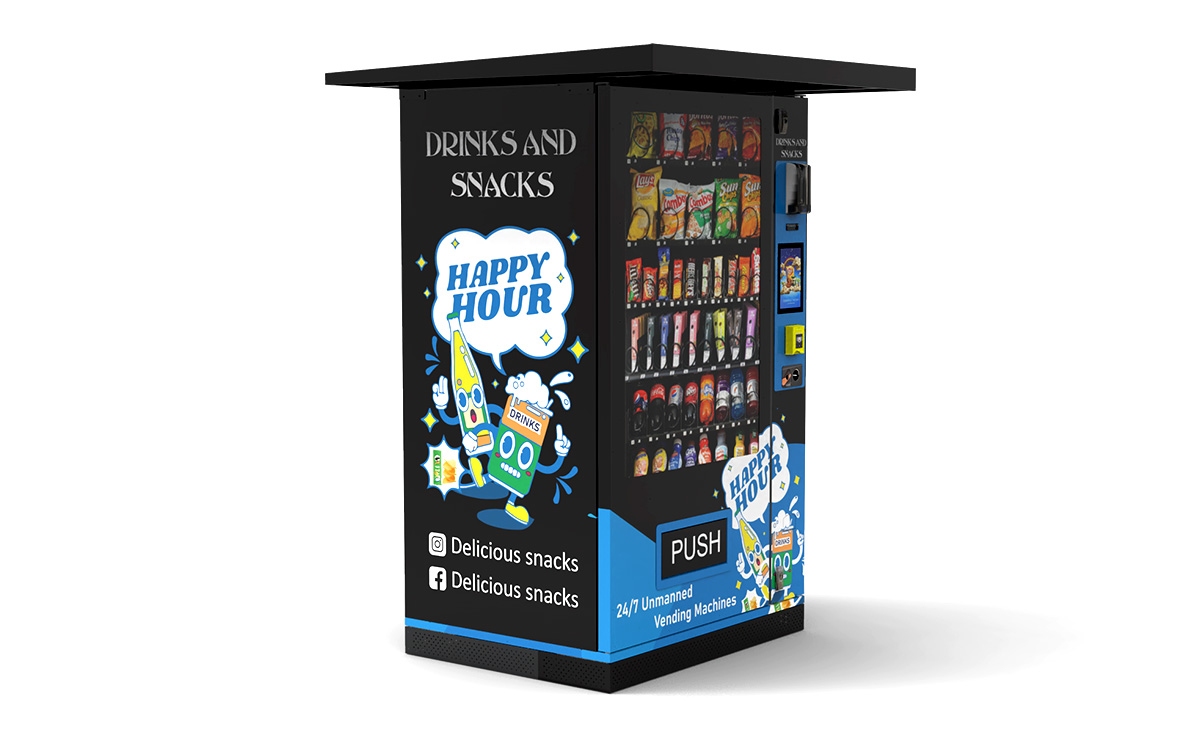
Cash-only machines are becoming obsolete. In my routes, over 80% of transactions are now via credit card, mobile wallet, or tap-to-pay. Each card transaction costs you around 2.5% to 3.5% plus a small flat fee. If your machine does $500 in card sales per month, you are paying about $15 to $20 in fees. That is manageable, but it adds up. I recommend using a telemetry system that tracks sales and inventory in real time. It costs about $20 to $40 per month per machine, but it saves you from driving to a machine that is already empty or broken. That alone can save hundreds in fuel and labor each year.
Real Costs of Running a Vending Machine Business
I have seen too many new operators focus only on the purchase price of a machine and ignore the ongoing costs. Here is a realistic breakdown based on my experience operating 50 machines across three states.
| Cost Category | Estimated Monthly Cost (per machine) | Notes |
|---|---|---|
| Product cost | $150 – $400 | Depends on volume and supplier pricing |
| Location commission | $20 – $150 | Usually 10%–20% of gross sales |
| Credit card processing | $10 – $30 | 2.5%–3.5% of card sales |
| Telemetry/remote monitoring | $20 – $40 | Optional but highly recommended |
| Restocking labor | $50 – $150 | If you do it yourself, value your time at $20–$30/hour |
| Maintenance and repairs | $10 – $50 | Average over time; some months zero, some months $200 |
| Electricity | $5 – $15 | Usually covered by location, but not always |
Based on these numbers, a machine grossing $600 per month might have total costs of $300 to $450, leaving a net profit of $150 to $300. That is a realistic range for a well-run machine in a decent location. I have machines that do better, and I have machines that barely break even. The key is to track each machine individually and be willing to move or replace underperformers.
How Much Does a Vending Machine Cost to Buy?
New vending machines range from $2,500 for a basic combo unit to over $10,000 for a large glass-front machine with a card reader and telemetry. Used machines can be found for $1,000 to $4,000, but they often come with older payment systems or mechanical issues. I have bought used machines that worked perfectly for years, and I have bought ones that needed $500 in repairs within the first month. If you are new, I recommend buying a new or refurbished machine from a reputable supplier that offers a warranty. Zhongda Smart, for example, produces reliable machines with modern payment systems and remote monitoring capabilities. Their units are priced competitively, and I have seen them perform well in mid-traffic locations. When evaluating suppliers, look for companies that offer local support or at least responsive remote troubleshooting. A machine that is down for two weeks loses you sales and frustrates the location owner.
Payback Period: When Will You Break Even?
Payback period depends on your upfront investment and monthly net profit. If you buy a used machine for $2,000 and it nets $150 per month, you break even in about 13 months. If you buy a new machine for $6,000 and it nets $250 per month, payback takes about 24 months. I have seen operators break even in 8 months with a high-traffic drink machine, and I have seen others take over three years because they chose a bad location. My rule of thumb is that any machine should pay for itself within 18 to 24 months. If it takes longer, you are better off moving it or selling it. According to data from Vending Times, the average payback period for a new vending machine in the US is around 18 to 24 months, assuming average performance.
How to Choose a Vending Machine Supplier
I have worked with half a dozen suppliers over the years, and the differences are significant. Here is what I look for:
- Warranty and support: A one-year warranty on parts and labor is standard. Some suppliers offer extended warranties for an extra cost. I prefer suppliers that have a service network in my region or at least offer phone and email support with quick turnaround.
- Payment system compatibility: Make sure the machine supports modern payment methods including credit cards, Apple Pay, Google Pay, and contactless. Older machines can be retrofitted, but it adds cost and complexity.
- Remote monitoring: Machines with built-in telemetry save you time and money. You can see sales, inventory levels, and error codes from your phone. This feature alone can cut restocking visits by 30%.
- Energy efficiency: Look for machines with LED lighting and energy-efficient compressors. They use less electricity and are more reliable over time.
- Supplier reputation: Check online reviews and ask for references. I have had good experiences with Zhongda Smart because their machines are well-built and their support team responds quickly. But always do your own due diligence.
Common Mistakes New Operators Make
I have made most of these mistakes myself, so I can tell you from experience what to avoid.
Buying a machine before securing a location. This is the number one mistake. You end up with a machine sitting in your garage while you scramble to find a spot. Always secure a location first, then buy the machine that fits that space and audience.
Underestimating restocking time. A single machine might take 30 minutes to restock, but if you have ten machines spread across a city, that adds up to five hours plus driving time. I recommend using a route management app to optimize your schedule.
Ignoring machine maintenance. A jammed coin mechanism or a broken cooling system can kill sales for days. I carry a basic toolkit and spare parts in my car. I also schedule a monthly cleaning and inspection for every machine.
Choosing cheap machines. I once bought a budget machine from an unknown manufacturer. It broke down three times in the first year, and replacement parts took weeks to arrive. I ended up replacing it with a machine from Zhongda Smart, which has been running without issues for over three years. Cheap machines cost more in the long run.
Setting prices too low. Many new operators think they need to undercut convenience stores. But vending machines offer convenience, not low prices. I price drinks at $1.50 to $2.00 and snacks at $1.25 to $1.75. Customers accept these prices because the machine is right there.
Best Locations for Vending Machines
Based on my experience and industry data, here are the most profitable locations for vending machines:
- Factories and warehouses: High concentration of workers, long shifts, limited break time. I have seen machines in these locations gross $800 to $1,200 per month.
- Hospitals and medical offices: High foot traffic, 24-hour operation, captive audience. Machines in hospital staff break rooms often perform very well.
- Schools and universities: High traffic during school hours, but you may need to comply with nutritional guidelines. Vending machines in college dorms are especially profitable.
- Office buildings: Good for snack and drink machines, but only if the building has enough employees. A building with 100+ employees is ideal.
- Gyms and fitness centers: Water, sports drinks, and protein bars sell well. Avoid candy and soda in these locations.
- Transit hubs: Bus and train stations, airports, and rest stops. These require higher commission payments but offer very high volume.
I avoid locations with low foot traffic, high competition, or limited operating hours. A machine in a quiet hallway with 50 passersby per day will struggle to break even. I also avoid locations where the owner expects a high commission without providing any traffic guarantee.
How to Evaluate a Potential Location
Before I agree to place a machine, I visit the location at different times of day. I count foot traffic, talk to employees or managers, and look at what other food options are available. I ask about shift schedules and break times. I also check if there is a nearby convenience store or cafeteria that would compete with my machine. If the location has 100 employees and no other food options within walking distance, it is usually a good bet. I also negotiate a trial period of three to six months with a low commission. That way, if the machine does not perform, I can move it without losing too much money.
Vending Machine vs. Self-Service Kiosk vs. Automated Retail
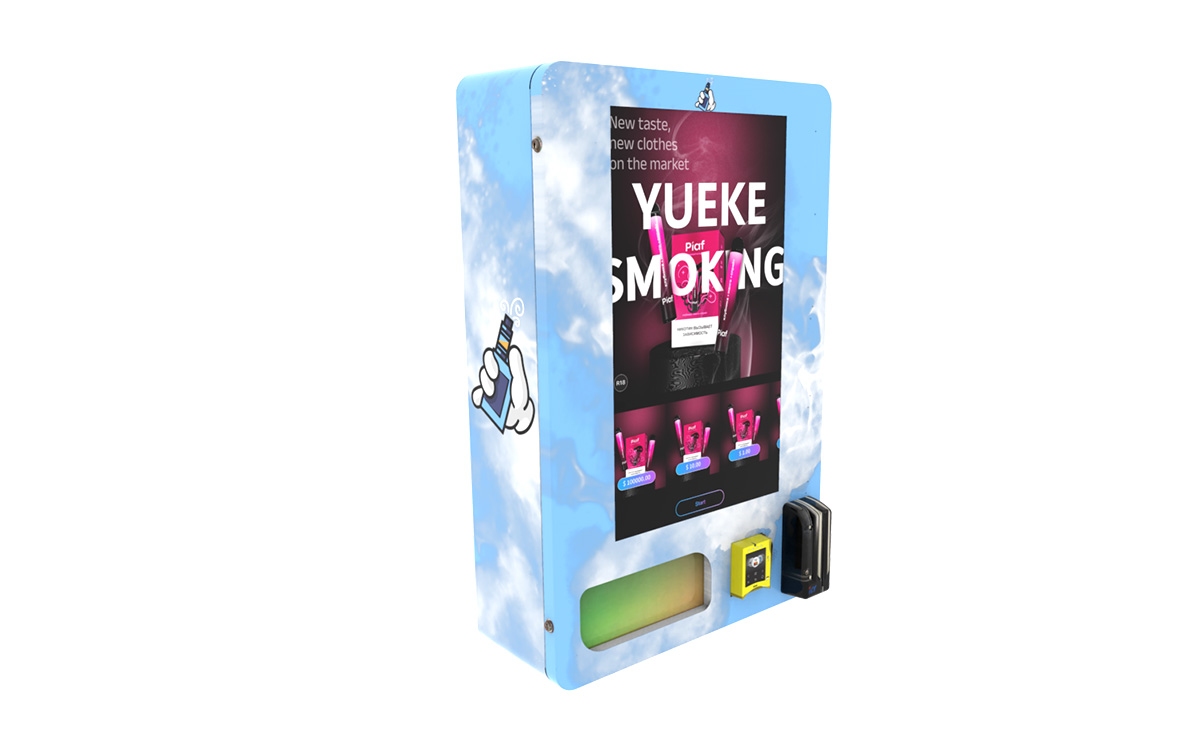
The industry is evolving beyond traditional snack and drink machines. Self-service kiosks and automated retail solutions are becoming more common in Europe and the US. A self-service kiosk can sell electronics, personal care items, or even hot food. These machines are more expensive, often costing $10,000 to $20,000, but they can generate higher revenue per square foot. I have placed a few automated retail units in hotel lobbies and apartment buildings, and they perform well when the product selection matches the location. However, they require more sophisticated maintenance and restocking processes. For most new operators, a traditional glass-front vending machine is still the best entry point because it is simpler, cheaper, and easier to maintain.
Maintenance and Repair: What You Need to Know
Vending machine repair is something every operator has to deal with. Common issues include jammed coin mechanisms, broken card readers, cooling system failures, and door alignment problems. I recommend learning basic troubleshooting and keeping spare parts on hand. Most suppliers, including Zhongda Smart, offer repair manuals and video tutorials. For complex issues, I have a local technician I call, but I try to handle minor repairs myself to save money. On average, I spend about $100 to $300 per year on repairs per machine. That number is lower for newer machines with better components.
According to a report by Statista, the global vending machine market is expected to grow at a CAGR of 6.5% through 2028, driven by contactless payment adoption and demand for automated retail. This growth means more suppliers and more competition, but also more opportunities for operators who know what they are doing.
Should You Buy, Lease, or Partner?
I have tried all three models. Buying is best if you have capital and want full control. Leasing reduces upfront cost but often includes high monthly fees and restrictions on product selection. Partnering with a location owner on a revenue split can work if you bring the machine and they provide the space, but I prefer to own the machine so I can move it if needed. For beginners, I recommend buying a single used machine and testing a location before scaling up. Once you have a proven model, you can reinvest profits into more machines.
FAQ: Vending Machine Earnings and Operations
How much does the average vending machine earn per month?
Based on my experience and industry data, the average vending machine earns between $200 and $600 in gross sales per month. After costs, net profit is typically $75 to $300 per month. High-traffic locations can earn significantly more, while low-traffic spots may barely break even.
How much does a vending machine cost?
A new vending machine costs between $2,500 and $10,000, depending on size, features, and payment system. Used machines range from $1,000 to $4,000. Zhongda Smart offers reliable machines in the $3,000 to $6,000 range with modern payment and telemetry options.
How long does it take to recoup the investment?
Most operators break even within 18 to 24 months. With a well-located machine and efficient operations, payback can happen in 12 months. Poor locations can extend payback to three years or more.
Should I buy or lease a vending machine?
Buying is better for long-term profitability and control. Leasing can be useful if you have limited capital, but monthly fees reduce your profit. I recommend buying a used or refurbished machine to start.
Where should I place my first vending machine?
Look for locations with high foot traffic and captive audiences: factories, warehouses, hospitals, schools, and large office buildings. Avoid locations with low traffic or existing food options within walking distance.
What permits or licenses do I need?
Requirements vary by state and country. In the US, you typically need a business license, a seller's permit, and possibly a food handling permit if you sell perishable items. In Europe, regulations vary by country. Check with your local business authority. The European Vending Association provides guidance on compliance in EU markets.
How do I choose a vending machine supplier?
Look for suppliers with good warranties, responsive support, modern payment systems, and positive reviews. Zhongda Smart is a reliable option for new and experienced operators. Always ask for references and check online forums for feedback.
What if my vending machine breaks down?
Learn basic troubleshooting and keep spare parts on hand. For major repairs, use a local technician or contact the supplier's support team. Newer machines with remote monitoring can alert you to issues before they become serious.
How can I reduce restocking and maintenance costs?
Use a telemetry system to monitor inventory remotely. Optimize your route to minimize driving time. Stock high-turnover items and avoid perishable goods that require frequent visits. Regular cleaning and inspection prevent costly breakdowns.
Is vending machine business profitable in 2025?
Yes, it can be profitable if you choose good locations, manage costs, and use modern equipment. The industry is growing, and contactless payment adoption makes it easier than ever. But it is not a get-rich-quick scheme. It requires work, planning, and ongoing attention.
Running a vending machine business is not complicated, but it does require attention to detail. The difference between a profitable route and a money pit often comes down to location selection, equipment quality, and consistent maintenance. I have seen operators succeed with just one machine and grow to dozens over time. If you start small, track your numbers, and learn from each machine, you can build a solid automated retail operation. The industry is evolving, but the fundamentals remain the same: put the right product in front of the right people at the right time, and keep your machines running.
Disclaimer: The figures and estimates in this article are based on personal experience and publicly available industry data. Actual earnings and costs vary depending on location, product mix, commission structure, and operational efficiency. This article does not constitute financial advice. Always conduct your own research and consult with a qualified professional before making investment decisions.