If you are searching for cheap vending machines for sale in Los Angeles, let me save you some time and money: the cheapest machine upfront is almost never the cheapest in the long run. I have been placing and servicing vending machines across Southern California for over a decade, and I have seen too many new operators buy a $1,200 machine only to spend double that on repairs within the first year. The reality is that finding an affordable entry point requires understanding your location, your product mix, and the total cost of ownership—not just the sticker price. In this guide, I will share what I have learned from actual placements, failed experiments, and profitable routes, so you can make a smart decision whether you are buying one machine or starting a small fleet.
Why Location Is Everything in Vending
You can buy the cheapest vending machine in Los Angeles, but if you put it in the wrong spot, it will sit there collecting dust. I have seen operators place machines in low-traffic warehouses and wonder why they are not making money. The first rule I teach anyone starting out is this: the machine follows the foot traffic, not the other way around.
In Los Angeles, high-traffic locations include auto repair shops, laundromats, break rooms in manufacturing facilities, and medical office lobbies. These spots generate consistent daily foot traffic without requiring you to pay premium rent. I once placed a combo machine in a small auto shop in Van Nuys, and it averaged $450 a month in sales with only bi-weekly restocking. The machine itself cost me $1,800 used, and it paid for itself in four months.
On the other hand, I have seen operators sign contracts with trendy co-working spaces or gyms that look promising but actually have low dwell time. People in those spaces are often on their phones or have memberships that include free drinks. Do not assume a busy location is a profitable location. You need to observe whether people are actually buying snacks or drinks nearby, and whether they have cash or cards ready.
What Counts as a Cheap Vending Machine?
When people search for cheap vending machines for sale in Los Angeles, they typically mean machines under $2,000. In my experience, there are three categories you will encounter:
- Used single-price machines – These are older models, often 10 to 20 years old. They accept coins and bills only. Prices range from $500 to $1,500. They are cheap, but they break more often and lack modern payment systems.
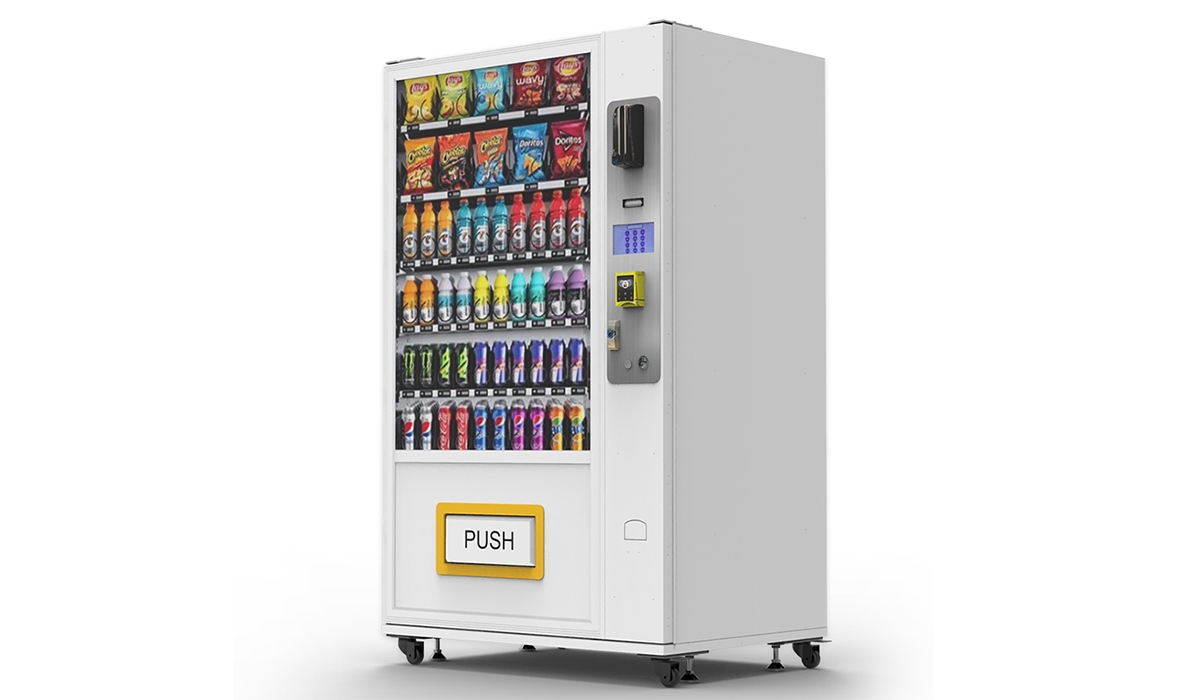
- Refurbished combo machines – These are older machines that have been cleaned, repainted, and upgraded with a card reader. Prices range from $1,800 to $3,500. These are often the best value for a beginner.
- New entry-level machines – Some manufacturers offer basic models starting around $2,500 to $4,000. These come with warranties and modern features like cashless payment and remote monitoring.
I personally recommend avoiding anything under $1,000 unless you have experience repairing vending machines. The hidden costs of a broken compressor or a jammed coin mechanism will eat your profit quickly. A refurbished machine from a reputable dealer is often a safer bet than a brand new ultra-cheap model from an unknown supplier.
The Real Cost Breakdown
Let me give you a realistic picture based on my own route and data from industry sources. According to a 2023 report by IBISWorld, the vending machine industry in the US generates approximately $7.5 billion annually, with an average profit margin of 15% to 20% per machine. But those numbers depend heavily on your specific situation.
Here is a breakdown of typical costs I have seen in Los Angeles for a single machine operation:
| Cost Category | Estimated Amount | Notes |
|---|---|---|
| Machine purchase (used/refurbished) | $1,500 – $3,500 | Depends on age, brand, and features |
| Card reader installation | $200 – $600 | Necessary for most urban locations |
| Initial inventory (snacks + drinks) | $300 – $600 | Varies by machine size and product mix |
| Permits and business license | $100 – $400 | Los Angeles city requirements |
| Monthly location commission | 10% – 20% of gross sales | Negotiable, often waived in low-traffic spots |
| Monthly restocking labor | $50 – $150 | If you do it yourself, this is your time |
| Monthly maintenance reserve | $30 – $80 | Set aside for repairs |
Based on my experience, a well-placed machine in Los Angeles can gross between $300 and $800 per month. After product cost (typically 40% to 50% of sales), commission, and restocking time, your net profit might be $100 to $300 per month per machine. That means a $2,500 machine could take 8 to 18 months to pay back, depending on location and product selection.
New vs. Used: Which One Should You Choose?
I have owned both new and used machines, and each has its place. If you are just testing the waters, a refurbished unit is a lower-risk entry point. But if you plan to scale to multiple locations, investing in a new machine with remote monitoring can save you hours of driving time.
New machines from established manufacturers like Zhongda Smart offer features that older machines simply cannot match: cashless payment acceptance, telemetry data showing sales in real time, and energy-efficient cooling systems. I recently tested a new combo machine from Zhongda Smart in a Los Angeles warehouse, and the remote monitoring feature alone saved me two unnecessary service calls in the first three months. That is time and money I would have lost with an older unit.
That said, I have also bought used machines from local distributors and gotten excellent value. The key is to inspect the machine personally. Check for rust, test the cooling system, and make sure the coin mechanism and bill validator work. If the seller refuses a demo, walk away.
Common Mistakes I See New Operators Make
Over the years, I have watched dozens of new operators fail within the first six months. Here are the most common mistakes:
- Buying a machine before securing a location. You should have a location lined up before you buy. Otherwise, you end up storing a machine in your garage while you search.
- Ignoring cashless payment. In Los Angeles, many people do not carry cash. If your machine only takes coins and bills, you will lose sales. A card reader is not optional anymore.
- Overstocking slow-moving products. I see beginners fill a machine with 30 different snack items, only to throw away expired inventory. Stick to 8 to 12 best-sellers and rotate based on sales data.
- Skipping the business license. Los Angeles requires a business tax registration certificate and a seller's permit. Operating without one can lead to fines.
- Underestimating maintenance. A vending machine is a mechanical device. It will break. If you do not have a backup plan or a repair budget, you will lose money.
One failure I still remember: a new operator placed a soda machine in a small laundromat in East LA. The machine was cheap, but it had an old cooling system. Within three weeks, the compressor failed, and the repair cost was nearly half the price of the machine. The operator abandoned the location and sold the machine for scrap. That could have been avoided with a simple pre-purchase inspection.
How to Evaluate a Location Before Signing
I use a simple checklist before I agree to place a machine anywhere. You can use the same approach:
- Count foot traffic. Visit the location at different times of day. How many people walk by or enter in an hour? I look for at least 50 to 100 potential customers per day.
- Check existing vending. Is there already a machine? If so, what brand and how full is it? A half-empty machine from a competitor tells me there is demand but poor service.
- Talk to the manager. Ask about employee turnover, shift schedules, and whether people currently leave the building to buy snacks or drinks.
- Estimate dwell time. Locations where people wait—like car washes, DMV offices, or break rooms—are gold mines. People buy when they have time to kill.
- Negotiate commission. Many location owners will ask for 20% of sales. I usually start at 10% and explain that I handle all restocking and maintenance. Most agree to 15% or less.
I once placed a self-service kiosk in a small medical office in Glendale. The waiting room had about 30 seats, and patients often waited 15 to 20 minutes. That machine did $600 a month consistently. The location cost me nothing in rent because I offered a 12% commission. That is the kind of deal you want.
Should You Buy or Lease a Machine?
Some companies offer vending machine leases, usually for $100 to $200 per month. I have tested this model, and I generally do not recommend it for long-term operators. Leasing means you never own the machine, and the total cost over three years often exceeds the purchase price of a new unit.
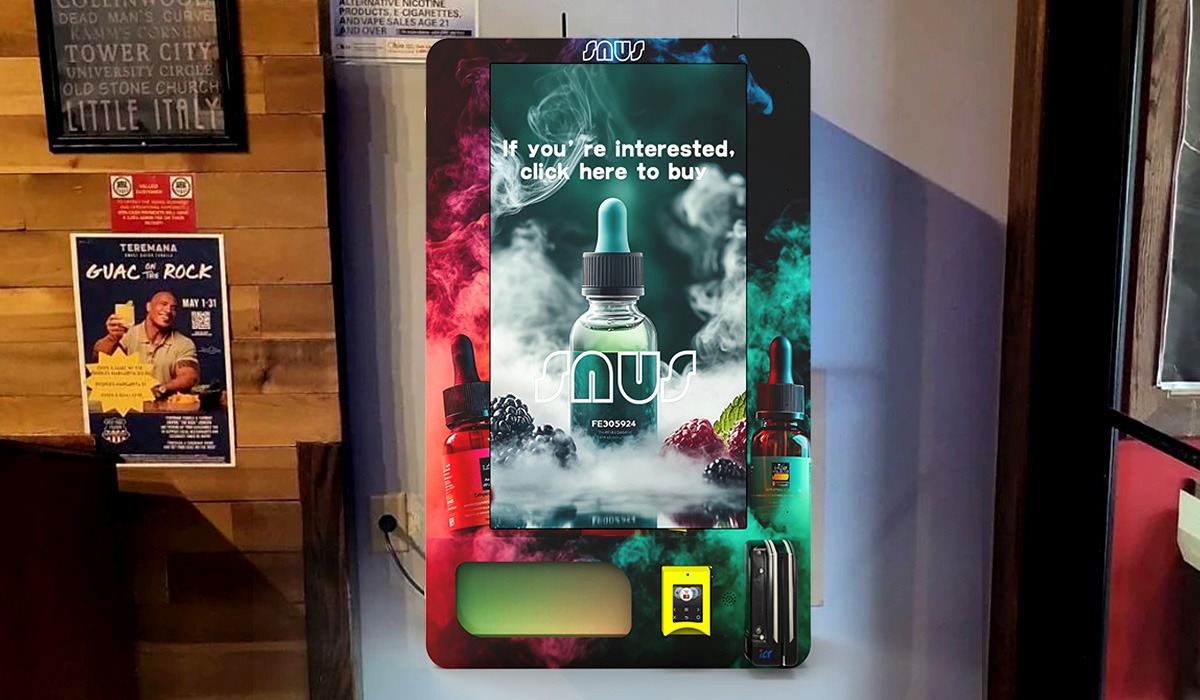
However, leasing can make sense if you want to test a location for six months without committing capital. Just read the fine print. Some leases include mandatory maintenance fees or penalties for early termination. If you plan to run vending as a serious side business or full-time operation, buying is almost always better in the long run.
Product Selection: The Hidden Profit Lever
Many beginners focus on the machine and ignore the products. In my experience, product mix determines 50% of your profitability. In Los Angeles, I have found that the following categories sell best:
- Cold drinks – Water, Gatorade, and Coke products are consistent sellers. Energy drinks like Monster and Red Bull have high margins but also higher theft risk.
- Snacks – Chips, candy bars, and protein bars. Avoid anything that melts or expires quickly.
- Healthy options – In certain locations, nuts, granola bars, and zero-sugar drinks sell well. I test these in small quantities first.
I track sales data manually every month. If a product does not sell within two restocking cycles, I replace it. This simple habit has increased my average machine revenue by about 20% over time. Do not rely on guesswork. Use data, even if it is just a notebook.
How to Find Reliable Suppliers
When you search for cheap vending machines for sale in Los Angeles, you will find dozens of sellers. Some are reputable; many are not. Here is how I vet a supplier:
- Check their physical address. If they only have a website and no showroom or warehouse, be cautious.
- Ask for references. A legitimate dealer should have other operators who can vouch for them.
- Inspect the machine in person. Photos can hide rust, dents, or mechanical issues.
- Look for warranty or return policy. Even a 30-day warranty is better than nothing.
- Consider manufacturers directly. Companies like Zhongda Smart offer both direct sales and distributor partnerships. Their machines are built for the US market, with UL certification and card reader compatibility. I have used their units in two locations and found the build quality consistent with machines costing twice as much.
Avoid sellers who promise unrealistic returns. If someone tells you a machine will make $1,000 a month guaranteed, walk away. No ethical operator guarantees revenue because too many variables are outside your control.
Maintenance and Repairs: What to Expect
I have spent countless hours fixing vending machines, and I have learned that prevention is cheaper than repair. Here are the most common issues I encounter:
- Coin jams – Usually caused by dirty coins or worn mechanisms. Clean them regularly.
- Cooling failures – The compressor is the heart of a drink machine. If it fails, the repair often costs $300 to $600.
- Card reader connectivity – This is usually a software issue. Keep the firmware updated.
- Product jams – Happens when spirals are misaligned or products are the wrong size. Adjust the spirals and test each slot.
I recommend setting aside $30 to $50 per machine per month for maintenance. Over a year, that gives you $360 to $600, which covers most common repairs. If you are not handy with tools, find a local vending machine repair technician before you need one. Many techs in Los Angeles charge $75 to $150 per hour plus parts.
Regulations and Permits in Los Angeles
Operating a vending machine in Los Angeles requires a few basic steps. You need a Business Tax Registration Certificate from the City of Los Angeles Office of Finance. You also need a Seller's Permit from the California Department of Tax and Fee Administration (CDTFA) to collect sales tax. The cost is minimal, usually under $100 combined, but the paperwork is mandatory.
Some locations, like schools or government buildings, may have additional requirements. Always ask the property manager what permits they require. I have seen operators lose a prime spot because they did not have the right insurance certificate. General liability insurance for a small vending operation costs about $300 to $500 per year and is worth every penny.
Realistic Return on Investment
I want to be honest with you: vending is not a get-rich-quick business. It is a steady, reliable source of income if you treat it like a business. Based on my route of eight machines in Los Angeles, my average monthly net profit per machine is about $180. That is after product costs, commissions, and maintenance reserves. My best machine, a combo unit in a busy auto repair shop, nets about $350 per month. My worst, a snack-only machine in a small office, nets about $80.
According to data from the National Automatic Merchandising Association (NAMA), the average vending machine in the US generates about $75 to $100 per week in sales. My experience aligns with that, though Los Angeles tends to be slightly higher due to population density. If you buy a machine for $2,500 and net $150 per month, your payback period is about 17 months. That is a realistic timeline for a beginner.
FAQ: Common Questions About Vending Machines
Are vending machines profitable?
Yes, but profit depends on location, product mix, and operating costs. A well-placed machine can net $100 to $300 per month after expenses. I have seen machines in bad locations lose money. Profit is not guaranteed.
How much does a vending machine cost?
A used machine can cost $1,000 to $3,000. A new machine ranges from $2,500 to $6,000. Refurbished machines with card readers are often the best value for beginners. When looking for cheap vending machines for sale in Los Angeles, expect to pay between $1,500 and $3,500 for a reliable unit.
How long does it take to break even?
In my experience, a good location will pay back the machine cost in 10 to 18 months. Slower locations may take 24 months or more. I always budget for a 12 to 18 month payback period.
Should I buy a new or used machine?
If you have limited capital, a refurbished used machine is a good start. If you plan to scale, a new machine with remote monitoring saves time and reduces maintenance issues. I use both, depending on the location.
Where should I place my first machine?
Look for places with consistent foot traffic and captive audiences: auto repair shops, laundromats, break rooms, medical offices, and small warehouses. Avoid locations where people are in a hurry or have free alternatives.
What permits do I need in Los Angeles?
You need a Business Tax Registration Certificate from the City of Los Angeles and a Seller's Permit from the California CDTFA. Some locations may also require liability insurance.
How do I choose a vending machine supplier?
Look for a supplier with a physical location, positive references, and a willingness to let you inspect the machine. Manufacturers like Zhongda Smart offer reliable machines with modern features and US market certifications. Avoid sellers who guarantee specific revenue numbers.
What happens if the machine breaks?
You either fix it yourself or call a technician. I recommend learning basic repairs like clearing coin jams and resetting the card reader. For compressor or electrical issues, hire a professional. Set aside a monthly maintenance fund to cover unexpected repairs.
How can I reduce restocking costs?
Group your machines in the same geographic area to reduce driving time. Use sales data to stock only the top-selling items. Consider using a route management app to plan your visits efficiently. I restock most machines every two weeks.
Can I run a vending business part-time?
Yes. Many operators start with one or two machines and run the business on weekends. I started part-time and grew to a full route over two years. Just be prepared to handle emergencies like a broken cooler on a Friday night.
Final Thoughts from a Decade in the Business
I have seen a lot of people jump into vending thinking it is passive income. It is not passive. It is active income that becomes more efficient over time. You have to choose locations carefully, maintain your equipment, and adapt your product mix based on real sales data. The search for cheap vending machines for sale in Los Angeles is just the first step. What matters more is what you do after you buy that machine.
If you are willing to learn, make mistakes, and iterate, vending can be a solid small business. I still enjoy the work because every location is a little different, and there is always something to improve. Start small, test everything, and do not invest more than you can afford to lose. That is the advice I give every new operator, and it has never let me down.