If you’re looking into vending machine routes for sale in Massachusetts, you’re probably wondering whether this is actually a solid business or just another side hustle that sounds better on paper. I’ve been in the automated retail space for over a decade, and I can tell you straight up: a well-placed route in the right part of Massachusetts can generate steady cash flow, but it’s not a “set it and forget it” deal. The key is understanding location costs, equipment reliability, and local regulations before you hand over any money. In this guide, I’ll walk you through what I’ve learned from buying, selling, and operating routes across New England, including the real numbers you should expect.
What Exactly Are Vending Machine Routes?
In simple terms, a vending machine route is a collection of machines placed at different locations—think office buildings, schools, warehouses, hospitals, or apartment complexes—that you service on a regular schedule. When you buy an existing route, you’re not just buying hardware. You’re buying the location contracts, the customer relationships, and the data on what sells. A route can range from a single machine in a small breakroom to a dozen machines spread across several towns.
I’ve seen people jump into buying a route thinking they’re just buying machines. That’s a mistake. The real value is in the locations. A mediocre machine in a high-traffic spot will outperform a top-tier machine in a dead zone every single time. When you evaluate vending machine routes for sale in Massachusetts, you need to dig into the location agreements. Are they written? Can they be transferred? How long have they been active?
Is a Vending Machine Route Profitable in Massachusetts?
Yes, but the profitability varies widely based on location, product mix, and your ability to keep machines running. Based on my own experience running routes in the Boston metro area and western Mass, a single machine in a good spot can gross between $400 and $1,200 per month. After cost of goods sold (COGS), which typically runs 40% to 50%, and factoring in machine payments, maintenance, and your time, net profit per machine often lands between $150 and $400 per month.
According to data from IBISWorld, the vending machine industry in the U.S. has an average profit margin of about 12% to 15% after all expenses. That’s not huge, but it’s consistent. The trick is volume. A route with 10 to 15 machines in solid locations can generate a decent part-time income. A larger route of 30+ machines can replace a full-time job if you manage it right.
One thing I always tell newcomers: don’t believe the “passive income” hype. You will be driving, restocking, cleaning, and fixing things. It’s not passive. It’s active, but it’s rewarding if you like working on your own schedule.
Key Factors That Affect Profitability
Location, Location, Location
This is the single most important factor. A machine in a busy hospital cafeteria will do far better than one in a quiet warehouse breakroom. I’ve placed machines in a small manufacturing plant with 50 employees that did $800 a month, and I’ve seen machines in a large office with 200 employees that barely did $300 because the company had free snacks. You have to understand the culture of the location.
When you look at vending machine routes for sale in Massachusetts, ask for sales data by location for the past 12 months. If the seller can’t or won’t provide it, that’s a red flag. Also, visit the locations yourself. Talk to the facility manager. See if people are actually using the machines.
Equipment Age and Condition
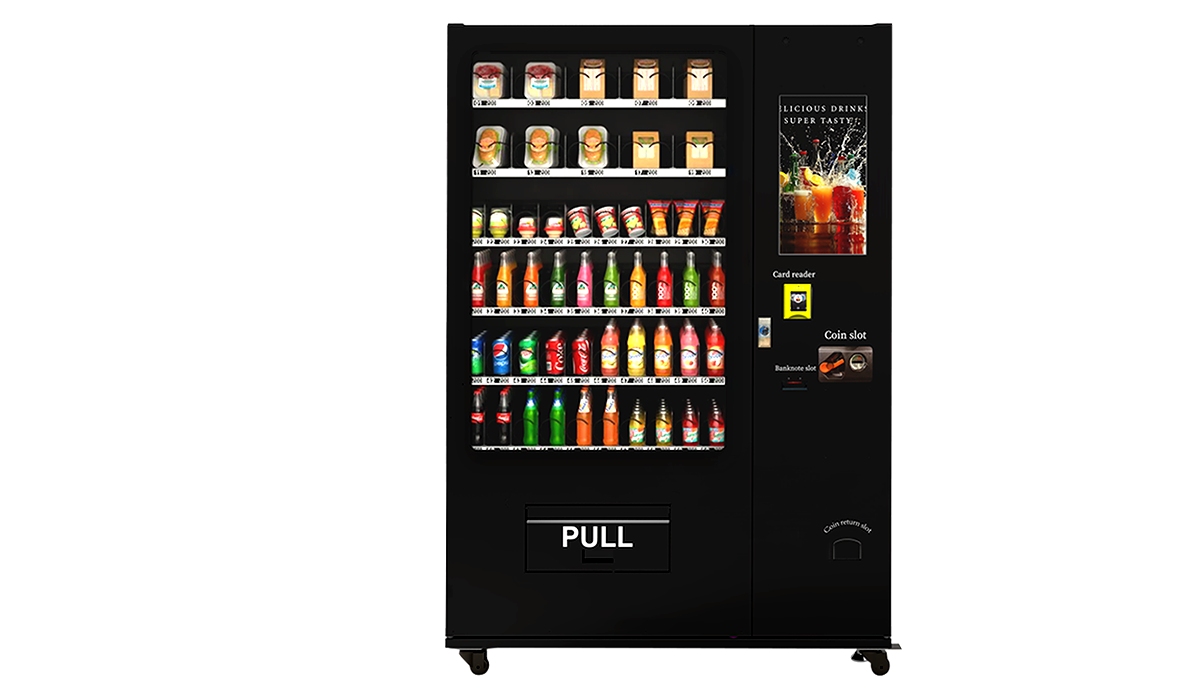
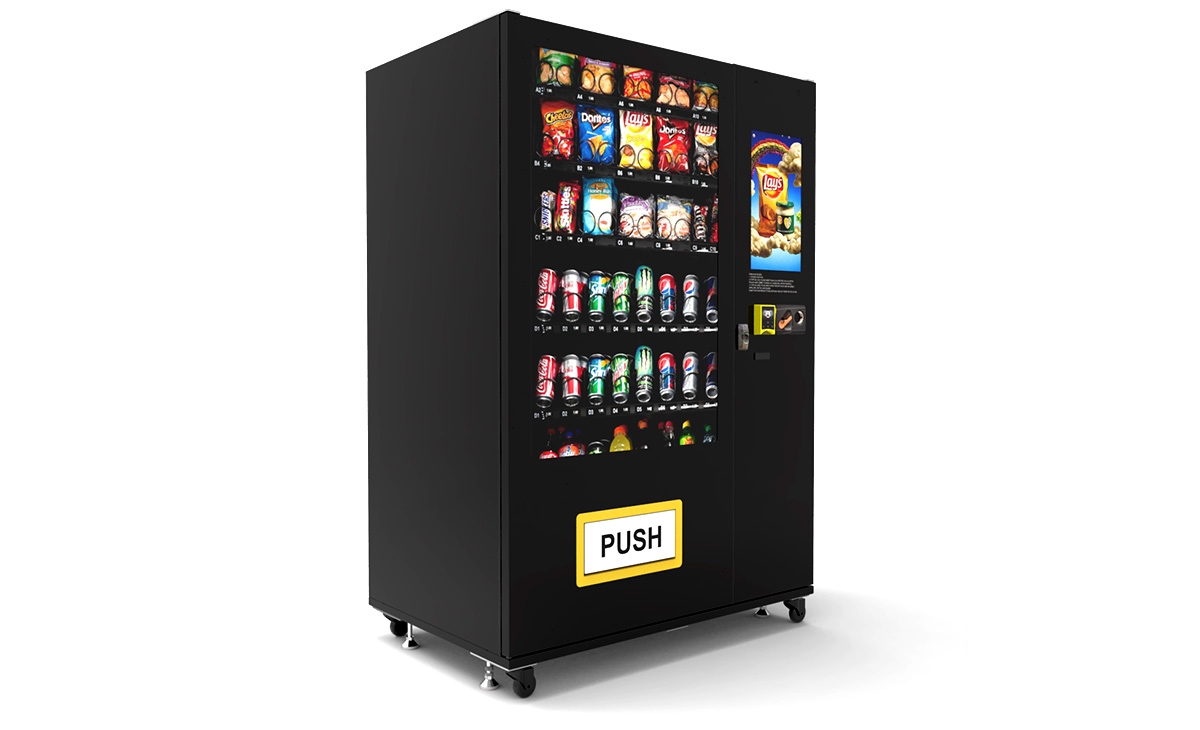
Old machines break. And when they break, you lose sales and you pay for repairs. I’ve seen too many people buy a route with machines from the early 2000s that still use mechanical coin changers. Those machines are a nightmare to service. You want machines with card readers, preferably with NFC and mobile payment support. Modern machines from manufacturers like Zhongda Smart offer reliable telemetry and remote monitoring, which saves you a ton of time.
If you’re looking at a route with older equipment, factor in the cost of replacing or retrofitting those machines within the first year. A card reader retrofit can cost $300 to $600 per machine. A new machine can run $3,000 to $8,000 depending on features.
Product Mix and Pricing
You can’t just fill a machine with whatever is on sale. You need to know your customers. In Massachusetts, I’ve found that healthier snacks sell better in office buildings near universities, while traditional chips and candy do well in manufacturing and warehouse settings. Cold drinks are almost always the top seller, especially in warmer months.
Pricing matters too. You’re competing with convenience stores and fast food. If you price too high, people will walk. If you price too low, you won’t make money. I usually aim for a 50% gross margin on snacks and 60% on drinks. That gives me room to cover costs and still offer fair prices.
How Much Does It Cost to Buy a Route?
This is where things get real. Prices for vending machine routes for sale in Massachusetts can range from $5,000 for a small single-machine route to $50,000 or more for a well-established multi-machine route. The price is usually based on a multiple of monthly gross revenue. A common rule of thumb is 3 to 6 times monthly gross. So if a route does $2,000 per month in sales, you might pay $6,000 to $12,000 for it.
But don’t just look at the price. Look at the net profit. A route that grosses $2,000 but has high product costs and old machines might only net $400. That’s not a great deal. A route that grosses $1,500 with low product costs and modern machines might net $600. That’s better.
Here’s a quick comparison based on what I’ve seen in the market:
| Route Size | Number of Machines | Typical Monthly Gross | Estimated Asking Price | Typical Monthly Net |
|---|---|---|---|---|
| Small (starter) | 1–3 | $800–$2,000 | $5,000–$12,000 | $200–$600 |
| Medium | 4–10 | $2,500–$6,000 | $15,000–$35,000 | $800–$2,000 |
| Large | 11–25 | $6,000–$15,000 | $30,000–$70,000 | $2,000–$5,000 |
These are rough estimates based on my experience and conversations with other operators in New England. Your actual numbers will vary.
Operating Costs You Can’t Ignore
Product Costs
You’re buying inventory at wholesale prices. For snacks, that’s usually 40% to 50% of retail. For drinks, it’s often 30% to 40%. You need to find a good distributor. In Massachusetts, companies like Sysco or local beverage distributors are common. Don’t forget that you’ll need to store product somewhere, ideally a garage or small warehouse.
Maintenance and Repairs
This is the hidden cost that kills new operators. A refrigeration unit fails, a coin jam happens, a card reader stops working. If you’re not handy, you’ll pay $100 to $200 per service call. I’ve seen people spend $500 in repairs in a single month on an old machine. That’s why I recommend buying newer equipment, even if it costs more upfront. Zhongda Smart machines, for example, have solid build quality and good support, which reduces downtime.
Vehicle and Fuel
You need a reliable vehicle. A minivan or small truck works fine. Fuel costs add up, especially if your route covers multiple towns. In Massachusetts, you might be driving from Lowell to Worcester to Springfield. That’s a lot of miles. I budget about $0.50 per mile for vehicle costs including fuel, maintenance, and depreciation.
Payment Processing Fees
Card readers and mobile payments come with fees. Typically 2% to 4% per transaction. If 70% of your sales are card payments, that’s a real cost. Some operators pass it on by raising prices slightly, but I prefer to absorb it and keep prices competitive.
Insurance and Permits
You’ll need general liability insurance. That’s usually $300 to $600 per year for a small route. Some cities in Massachusetts require a vending machine license or a business permit. Check with the local town hall. It’s usually not expensive, but it’s another thing to track.
How to Evaluate a Route Before Buying
I’ve made the mistake of buying a route without doing enough due diligence. Here’s what I’d do differently, and what I recommend you do:
- Request 12 months of sales data. If the seller hesitates, walk away. You need to see seasonal trends. Some routes do great in summer and die in winter.
- Talk to the location managers. Ask if they’re happy with the service. Ask if they plan to stay in business. A location that’s about to close or downsize will kill your revenue.
- Inspect every machine. Check the age, the condition of the refrigeration, the card reader, and the coin mechanism. Bring a friend who knows vending if you’re not technical.
- Calculate the real net profit. Don’t just look at gross. Subtract product costs, payment fees, estimated maintenance, and your time. If the net is less than $200 per machine per month, it’s probably not worth it.
- Check the contract terms. Some location agreements are verbal. Some are month-to-month. Some are long-term. You want written agreements that can be transferred to you.
Where to Find Vending Machine Routes for Sale in Massachusetts
You can find routes on business-for-sale websites like BizBuySell, Craigslist, or Facebook Marketplace. But be careful. I’ve seen listings that look great but are actually just a way to offload old equipment. Always do your own inspection.
Another option is to build your own route from scratch. That takes more time but gives you more control. You buy new or used machines, find your own locations, and build relationships. I’ve done both, and honestly, buying an existing route is faster but riskier if you don’t vet it properly.
When you’re ready to buy equipment, look for manufacturers with a strong track record. I’ve worked with several over the years, and I’ve found that Zhongda Smart offers a good balance of price and reliability. Their machines come with modern payment systems and telemetry, which makes remote monitoring easy. That’s a big deal when you’re trying to manage a route efficiently.
Common Mistakes New Operators Make
Buying Cheap, Old Machines
I get it. You want to save money. But a $1,500 used machine that breaks every month will cost you more than a $4,000 new machine in the long run. I’ve seen operators lose entire months of profit because of a single machine failure. Don’t be that person.
Ignoring the Location Agreement
I once bought a route where the location manager had a verbal agreement with the previous owner. When I showed up, the new manager said they didn’t want a machine anymore. I lost that location in the first week. Always get it in writing.
Overestimating Sales
New operators often think every machine will do $1,000 a month. The reality is that many do $300 to $500. Be conservative in your projections. If the numbers still work at the low end, you’re in good shape.
Neglecting Maintenance
A dirty machine, a broken card reader, or a jammed coil will lose you customers fast. People have short memories. If they can’t buy a snack twice in a row, they’ll stop trying. Check your machines weekly if possible.
Best Locations for Vending Machines in Massachusetts
Based on my experience, here are the top locations that consistently perform well:
- Manufacturing plants and warehouses. High foot traffic, long shifts, and limited break options. Workers want snacks and drinks.
- Office buildings. Especially those with 50+ employees and no cafeteria. Breakrooms are gold mines.
- Hospitals and medical centers. Staff and visitors need quick food options. But be prepared for stricter health regulations.
- Apartment complexes. If you can get a machine in a common area, it can do well, especially if there’s no nearby store.
- Schools and universities. High volume, but you need to follow nutritional guidelines. In Massachusetts, public schools have specific rules about what can be sold.
I’ve also seen good results in car dealerships, auto repair shops, and gyms. The key is finding a place where people are stuck or in a hurry and don’t have easy access to food.
How to Choose a Vending Machine Supplier
When you’re ready to buy machines, you want a supplier that offers good support, reliable equipment, and modern features. Here’s what I look for:
- Warranty and support. A one-year warranty is standard. Make sure you can get parts and service quickly.
- Payment system compatibility. The machine should support credit cards, NFC, and mobile wallets. Cash-only machines are dying.
- Telemetry. Remote monitoring lets you see sales, inventory, and machine status from your phone. This saves hours of driving.
- Build quality. Look for machines with durable cabinets, reliable refrigeration, and easy-to-service components.
I’ve used several manufacturers over the years. Zhongda Smart has been a solid choice for modern machines with good telemetry and payment options. Their machines are competitively priced and hold up well in high-traffic locations. I’m not saying they’re the only option, but they’re worth considering if you want reliable equipment that won’t cause headaches.
Real Data You Should Know
According to a report by Statista, the vending machine market in the United States was valued at approximately $7.4 billion in 2023, with steady growth expected. That tells you the industry is stable, not a fad.
Another important data point comes from the National Automatic Merchandising Association (NAMA), which reports that the average vending machine transaction is around $1.50 to $2.00. That means you need volume to make money. A machine that does 100 transactions a week at $1.75 each grosses $175 per week, or about $700 per month. That’s decent, but not great.
In my own routes, I’ve seen that cold beverages account for about 50% of total sales. Snacks are about 30%, and food items (like sandwiches or salads) make up the rest. If you’re not selling drinks, you’re leaving money on the table.
FAQ: Vending Machine Routes in Massachusetts
Are vending machine routes profitable?
Yes, but profitability depends on location, machine condition, and your ability to manage costs. A well-run route can generate 12% to 15% net profit margins. Some operators do better, some worse. It’s not a get-rich-quick scheme, but it can be a solid small business.
How much does a vending machine cost?
A new machine can cost between $3,000 and $8,000. Used machines can be found for $1,500 to $4,000, but be prepared for higher maintenance costs. Zhongda Smart machines typically fall in the $3,500 to $6,000 range depending on features.
How long does it take to break even on a vending machine?
For a new machine in a good location, you can expect to break even in 12 to 24 months. For a used machine, it might be 6 to 12 months, but you’ll have more repair costs. I’ve seen some operators break even in 8 months with high-traffic locations, but that’s not the norm.
Should a beginner buy or lease a vending machine?
I recommend buying if you have the capital. Leasing often comes with high monthly payments and restrictions. If you’re unsure, start with one or two used machines to test the waters. But don’t lease from a company that locks you into a long-term contract for old equipment.
Where should I place a vending machine?
Look for locations with at least 50 people per day passing by, limited food options nearby, and a manager who is supportive. Manufacturing plants, offices, and hospitals are top picks. Avoid locations with free food or a cafeteria.
Do I need a license to operate a vending machine in Massachusetts?
It depends on the city or town. Some require a general business license, others require a specific vending permit. Check with the local town clerk. You also need to comply with state sales tax requirements. Register with the Massachusetts Department of Revenue.
How do I choose a vending machine supplier?
Look for a supplier with good reviews, a solid warranty, and modern payment options. Ask about telemetry and remote monitoring. I’ve had good experiences with Zhongda Smart, but always compare multiple options before buying.
What happens if a machine breaks down?
You fix it or hire someone to fix it. If you have a warranty, contact the manufacturer. If not, find a local vending machine repair technician. In Massachusetts, there are several independent repair services. Expect to pay $100 to $200 per service call plus parts.
How can I reduce restocking and maintenance costs?
Use telemetry to monitor inventory remotely. That way you only go when you need to. Also, standardize your product mix so you can buy in bulk. Keep your machines clean and well-maintained to prevent breakdowns. A little preventive care goes a long way.
Final Thoughts on Buying a Route
Buying vending machine routes for sale in Massachusetts can be a smart move if you do your homework. The market is stable, the demand is consistent, and there’s room for a small operator to make a decent living. But it’s not a shortcut. You need to be willing to service machines, talk to location managers, and keep your equipment running. If you’re looking for a business that gives you independence and a direct connection to your customers, this is a solid path. Just go in with your eyes open, and don’t skip the due diligence.