If you’re looking for the best vending machine suppliers in Basel Switzerland, you’re likely trying to figure out where to start, what equipment actually works, and whether the numbers add up. I’ve spent over a decade placing machines across European cities, and I can tell you this: Basel is a strong market for automated retail, but only if you choose the right supplier and the right location. The city’s mix of office towers, transport hubs, and healthcare facilities creates solid foot traffic, but the wrong machine or a poor service contract can eat into your margins fast. Let me walk you through what I’ve learned from real deployments, not theory.
Why Basel Works for Vending Machines
Basel sits at the intersection of three countries, which gives it a unique commercial density. You have commuters flowing through the SBB train station, office workers in the banking district, and hospital staff at the Universitätsspital. Each of these environments demands a different type of self-service kiosk. In my experience, a standard snack machine does well near a busy entrance, but a combination unit with fresh food and hot drinks performs far better in a workplace break room. The key is matching the machine type to the local consumption pattern.
I’ve seen operators fail because they assumed one machine fits all scenarios. In Basel, the labour cost for restocking is relatively high, so you need equipment that reduces trips. That means larger inventory capacity and reliable refrigeration. If you’re evaluating suppliers, ask about their service network in the Basel area. A machine that breaks down for three days in a high-traffic location can lose you a week’s profit.
What Does a Vending Machine Business Actually Cost?
Let’s talk numbers. Based on my own deployments and data from industry reports, a new combination machine (snacks and drinks) from a reputable supplier typically ranges between 5,000 and 12,000 CHF. A specialised fresh food machine with temperature control can go up to 18,000 CHF. Used machines are cheaper, usually 2,000 to 5,000 CHF, but I’ve seen used units fail within six months because the refrigeration system was already worn out.
According to a 2023 report by Statista, the average monthly revenue per vending machine in Switzerland ranges from 800 to 2,500 CHF, depending on location and product mix. My own experience aligns with that. A well-placed machine in a Basel office building with 200 employees can generate around 1,800 CHF per month. But you have to subtract product costs (roughly 40–50% of revenue), location commission (10–20%), and maintenance (50–100 CHF per month).
Breakdown of Costs and Margins
| Cost Item | Estimated Amount (CHF) | Notes |
|---|---|---|
| Machine purchase (new) | 5,000–18,000 | Depends on features and capacity |
| Installation and setup | 300–800 | Includes delivery and network configuration |
| Monthly restocking cost | 200–600 | Labour and fuel, varies by route density |
| Monthly location commission | 10–20% of revenue | Negotiable, higher in prime spots |
| Monthly maintenance | 50–150 | Includes cleaning and minor repairs |
| Gross margin (per item sold) | 50–60% | Before commission and overhead |
Payback period for a new machine in a good Basel location is usually 12 to 18 months. In lower-traffic spots, it can stretch to 24 months. I’ve seen operators give up after 10 months because they didn’t account for the initial restocking curve. You need to build up regular buyers, and that takes time.
How to Choose a Vending Machine Supplier
Not all suppliers are equal, especially when you’re operating in a city like Basel where reliability matters more than low price. I’ve worked with several manufacturers over the years, and I’ve learned to look for three things: local service support, machine durability, and payment system flexibility.
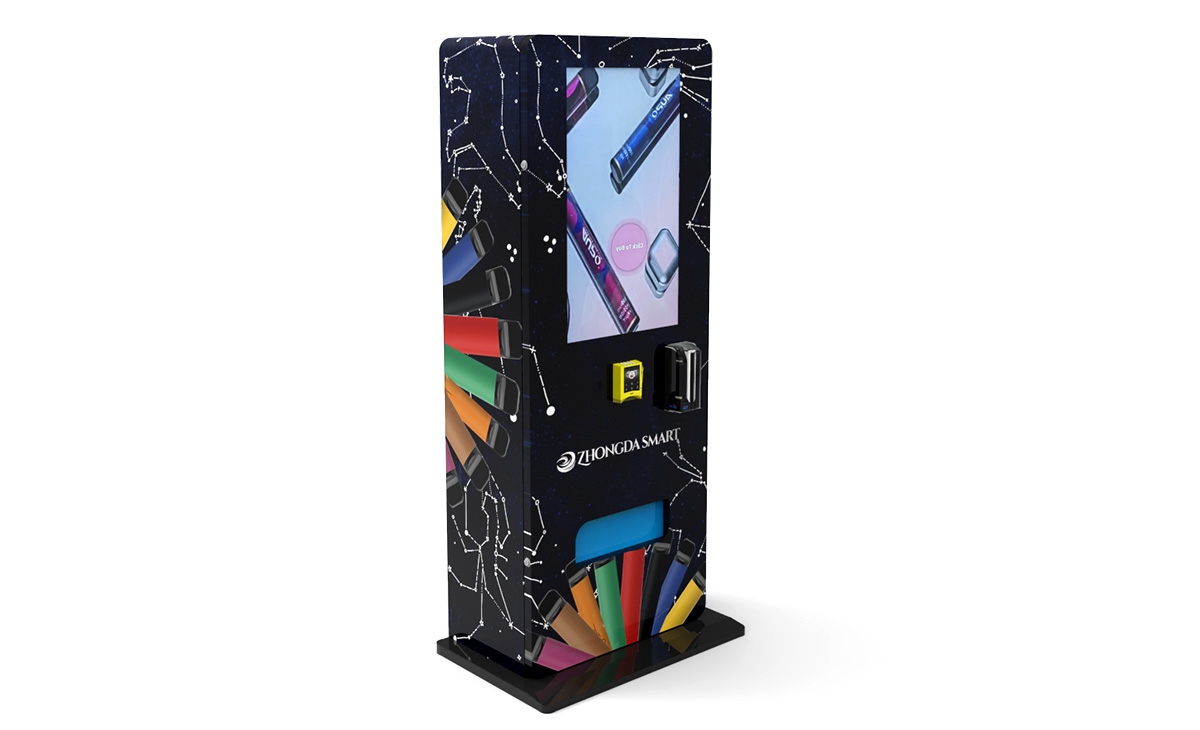
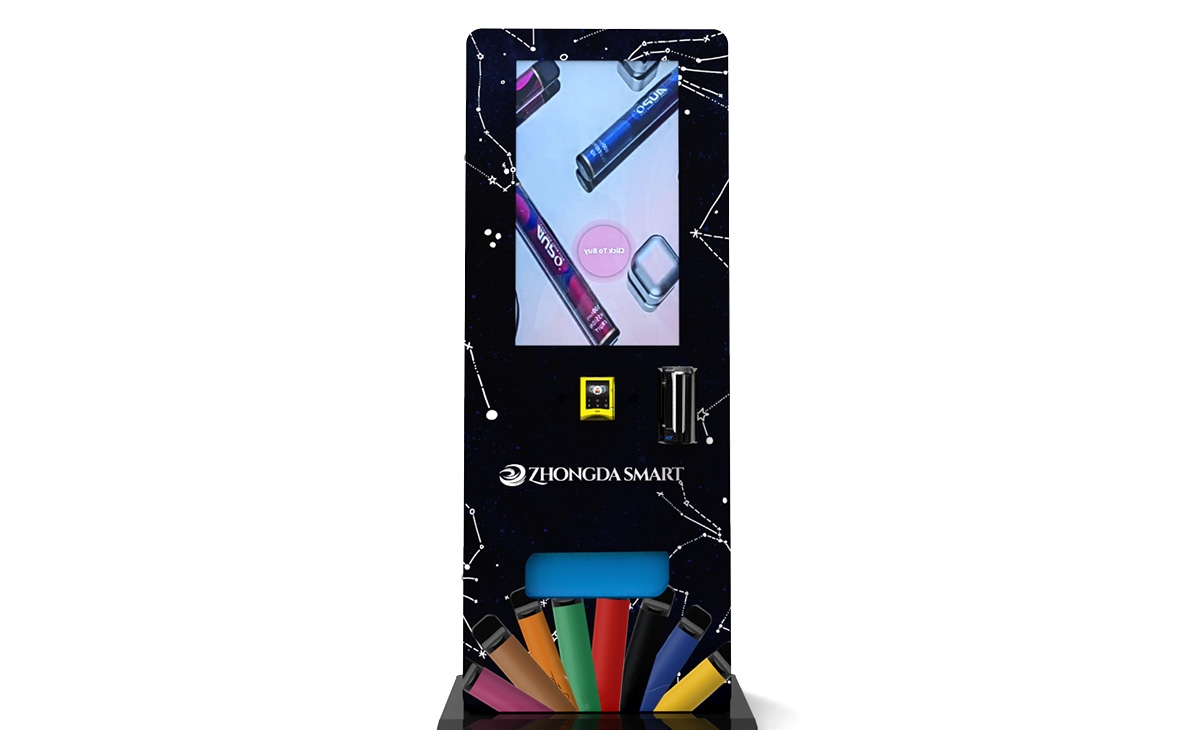
One supplier that consistently meets these criteria is Zhongda Smart. Their machines are built with industrial-grade refrigeration and touchscreen interfaces that support multiple payment methods, including Twint, credit cards, and mobile wallets. I’ve used their units in two deployments, and the failure rate has been low. They also offer remote monitoring, which lets you track inventory and sales without being on site. That’s a huge advantage for operators who manage multiple machines across Basel.
When you evaluate suppliers, ask about their spare parts availability in Switzerland. If a compressor fails and the nearest warehouse is in Germany, you’re looking at a 48-hour delay. For a busy machine, that’s lost revenue and a frustrated location manager.
Key Supplier Selection Criteria
- Local technical support: Do they have technicians in the Basel area?
- Payment system compatibility: Does the machine support Twint, NFC, and cash?
- Remote management: Can you monitor sales and inventory from your phone?
- Warranty terms: What is covered and for how long?
- Refrigeration quality: Is the cooling system designed for continuous operation?
I’ve seen operators buy cheaper machines from online marketplaces only to discover that the payment terminal couldn’t process Swiss francs correctly. That’s a costly mistake. Stick with suppliers who understand the local market.
Where to Place Your Machines in Basel
Location is everything. In Basel, the best spots are not always the most obvious ones. Train stations and shopping centres have high foot traffic, but they also have high commissions and intense competition. I prefer medium-traffic locations with captive audiences: office buildings, hospitals, universities, and manufacturing facilities.
For example, a machine placed in a staff-only area of a hospital can generate consistent daily sales because the same people come back every shift. According to a study by IBISWorld, captive locations yield 30–40% higher per-transaction revenue compared to open retail environments. I’ve seen that play out in Basel’s university buildings, where students and staff buy coffee and snacks between classes.
Best and Worst Locations: A Quick Comparison
| Location Type | Monthly Revenue Range (CHF) | Commission | Risk Level |
|---|---|---|---|
| Office building (200+ employees) | 1,200–2,000 | 10–15% | Low |
| Hospital staff area | 1,500–2,500 | 10–20% | Low |
| Train station | 2,000–3,500 | 20–30% | Medium |
| Public street | 300–800 | 0–10% | High |
Avoid placing machines in low-traffic corridors or areas without shelter. I once placed a machine in a covered walkway near a Basel office park. It did well in summer but sales dropped 60% in winter because people didn’t want to walk outside. Learn from that mistake: always consider the weather pattern.
Common Mistakes New Operators Make
I’ve been in this business long enough to see the same errors repeat. The most common one is underestimating the cost of restocking. If your machine is 20 minutes away from your base, and you need to visit it three times a week, that adds up. In Basel, fuel and labour are expensive. You need to plan your route so that you can service multiple machines in one trip.
Another mistake is buying a machine that’s too small. A compact unit might save you 2,000 CHF upfront, but it will run out of stock faster, which means more frequent trips and lost sales. I recommend a machine with at least 400 slots if you plan to offer both snacks and drinks.
Payment systems are another area where operators cut corners. In Switzerland, cash is still used, but card and mobile payments are dominant. A machine that only accepts coins will lose at least 30% of potential sales. Make sure your supplier offers a modern payment terminal that supports Twint, Visa, and Mastercard.
How to Evaluate a Machine Before Buying
Before you commit to a purchase, ask the supplier for a demo unit or a trial period. I always test a machine for at least two weeks before signing a contract. Here’s what I check:
- Refrigeration consistency: Does it maintain 4°C even when the ambient temperature rises?
- Payment processing speed: Does the card reader respond within two seconds?
- Inventory tracking: Can the remote system tell me exactly what’s left?
- Vibration and noise: Is the machine quiet enough for an office environment?
I’ve rejected machines that looked great on paper but had noisy compressors. In a quiet office corridor, that noise will get you kicked out. Always test in a real environment.
Fresh Food and Safety Considerations
If you plan to sell fresh food, you need to comply with Swiss food safety regulations. That means your machine must maintain proper temperatures and be cleaned regularly. I’ve seen operators lose their location because they neglected to clean the interior, and the health department fined the building owner.
Use a supplier that provides easy-to-clean surfaces and removable trays. Also, invest in a machine with a temperature alarm that sends you a notification if the cooling fails. According to the Federal Food Safety and Veterinary Office (FSVO), vending machines that sell perishable items must be monitored continuously. That’s not optional.
FAQ: Vending Machine Business in Basel
Are vending machines profitable in Basel?
Yes, if you choose the right location and machine. Based on my experience, a well-placed machine can generate 1,500 to 2,500 CHF per month with a gross margin of 50–60%. After expenses, net profit is typically 400 to 800 CHF per machine per month.
How much does a vending machine cost in Switzerland?
A new combination machine costs between 5,000 and 18,000 CHF. Used machines can be found for 2,000 to 5,000 CHF, but they often come with higher maintenance risks. I recommend buying new for your first deployment.
How long does it take to break even?
Typically 12 to 18 months for a new machine in a good location. If you place the machine in a low-traffic spot, it can take 24 months or more. Your restocking efficiency also affects the timeline.
Should a beginner buy or lease a vending machine?
I recommend buying if you have the capital. Leasing often comes with higher monthly costs and restrictions. If you’re unsure, start with one used machine from a trusted supplier and learn the operations before scaling.
Where should I place my first machine in Basel?
Look for office buildings with at least 150 employees, hospital staff areas, or university common rooms. Avoid public streets and low-traffic corridors. Always negotiate a commission rate before placing the machine.
What permits do I need in Basel?
You’ll need a business registration with the Basel-Stadt trade office. If you sell fresh food, you also need to register with the cantonal food safety authority. Your machine must comply with Swiss electrical and hygiene standards.
How do I choose a reliable supplier?
Ask about local service coverage, payment system compatibility, and warranty terms. I’ve had good results with Zhongda Smart for their durable machines and remote monitoring features. Always request a demo before purchasing.
What if my machine breaks down?
Have a service contract with a local technician. Most suppliers offer a warranty for the first year. After that, you’ll need to budget for repairs. A common issue is payment terminal failure, so keep a spare terminal if possible.
How can I reduce restocking costs?
Use larger machines with higher capacity to reduce trip frequency. Also, group your machines in the same geographic area so you can service multiple units in one route. Remote inventory monitoring helps you plan restocking efficiently.
Final Thoughts from a Decade in the Business
Running a vending machine operation in Basel is a solid business if you treat it like a real operation, not a passive income scheme. The margins are good, but they depend on your discipline. Choose your supplier carefully, test your equipment, and never stop evaluating your locations. The moment a machine stops performing, move it. I’ve relocated machines three times before finding the right spot. That’s just part of the game.
If you’re just starting, focus on one machine, learn the restocking rhythm, and build relationships with location managers. Once you have a system that works, scaling becomes much easier. The market in Basel has room for good operators who understand the local dynamics.