The Shift from Coin Slots to Digital Wallets
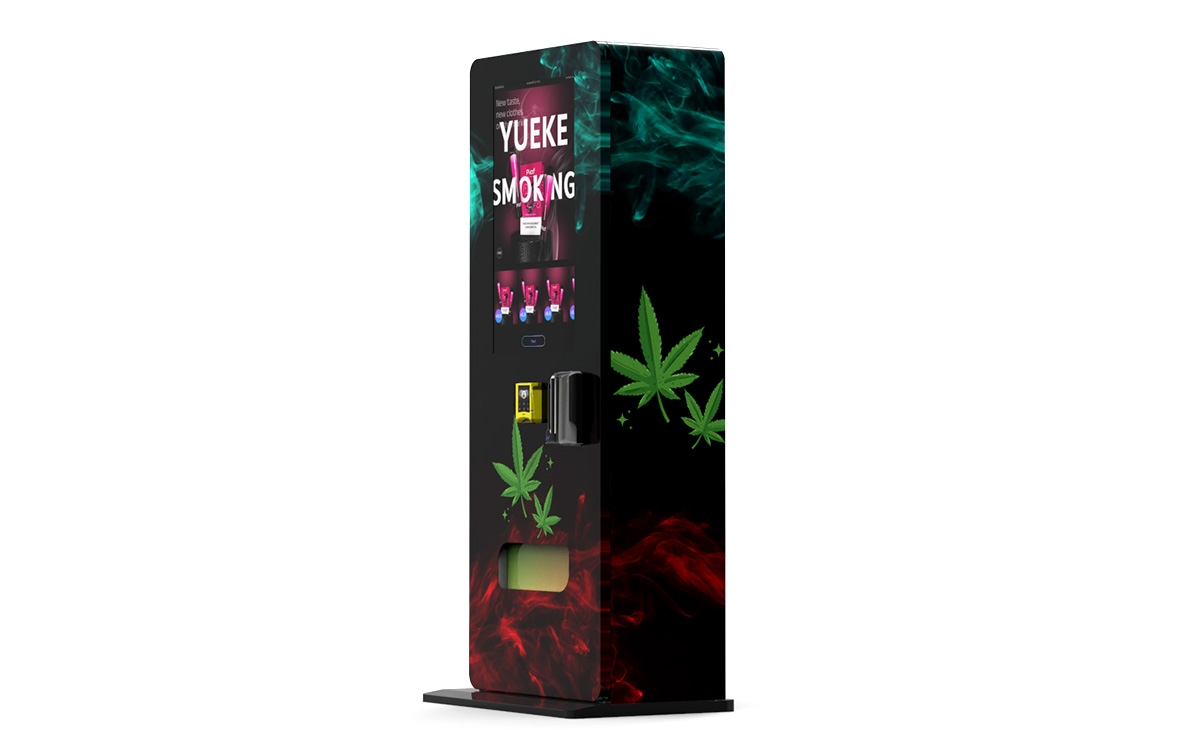
The vending industry has undergone a quiet revolution over the last five years. When I started, a machine with a reliable coin mechanism and a bill validator was considered state-of-the-art. Today, that setup is a liability. Consumer behavior has shifted dramatically. According to a 2023 report by Statista, over 40% of point-of-sale transactions in the United States are now made using credit or debit cards, and that number climbs higher when you include mobile wallets like Apple Pay and Google Pay. In Europe, the trend is even more pronounced, with countries like Sweden and the Netherlands moving toward near-cashless societies.
For a vending machine operator, this means one thing: if your machine cannot accept a card or a phone tap, you are effectively turning away nearly half of your potential customers. I have tested this firsthand. In a busy transit hub in Frankfurt, I swapped a cash-only machine for a cashless-enabled unit from Zhongda Smart. Within two weeks, the average weekly revenue jumped from €180 to €420. The location and product mix stayed identical. The only variable was the payment system.
What Cashless Payment Actually Means for Your Operations
Cashless payment is not just about convenience for the buyer. It fundamentally changes how you run the business. When you install a machine with a telemetry-enabled cashless system, you gain access to real-time sales data. You can see exactly which products sell fastest, at what time of day, and in which weather conditions. This data allows you to optimize your inventory and reduce waste. I have seen operators cut their spoilage rate by 30% simply by using cashless transaction data to adjust their orders.
Furthermore, cashless systems reduce theft and vandalism. Cash in the machine is a target. A machine that holds only coins and small bills is a low-risk, high-reward target for break-ins. With a cashless system, the money is transferred digitally, and the machine holds minimal physical currency. This alone can save you hundreds of euros or dollars per year in repair and loss costs.
Real Cost Implications of Cashless vs. Cash-Only
Let me break down the numbers based on my own routes. A typical cash-only machine in a medium-traffic location might generate €300 per month in revenue. After accounting for product cost (approx. 40%), location commission (10-15%), and restocking labor (10%), your gross margin might be around €100. That is before you factor in machine depreciation, repair costs, and the occasional vandalism incident.
Now consider the same machine with a cashless system. The average transaction value often increases because customers are not limited by the coins in their pocket. They will buy a €3.50 snack instead of a €1.50 one because they do not have to worry about change. In my experience, the average ticket size increases by 15-20% with cashless payment. Additionally, foot traffic conversion improves because people who forgot their cash can still make a purchase. The net result is that a cashless machine in the same location can generate €450-500 per month. The margin, after the small transaction fee (typically 2-4%), is still significantly higher.
Key Factors to Evaluate Before Buying a Vending Machine
If you are new to this business, do not make the mistake of prioritizing low initial cost over long-term viability. I have seen too many beginners buy cheap, cash-only machines from unknown suppliers, only to spend the next year fighting with jammed coin mechanisms and lost sales. Here are the factors I consider non-negotiable:
- Payment System Flexibility: The machine must support NFC, EMV chip cards, and mobile wallets out of the box. Look for systems that are MDB (Multi-Drop Bus) compatible so you can upgrade the payment terminal later without replacing the entire machine.
- Telemetry and Remote Monitoring: A machine that cannot report its own sales and inventory is a black box. You need a system that tells you when a product is out of stock or when a component is failing. This alone saves hours of wasted driving time.
- Energy Efficiency: In Europe, energy costs are high. Look for machines with LED lighting and efficient compressors. Some older units can cost €50-80 per month in electricity alone. Newer models can cut that in half.
- Build Quality and Serviceability: Cheap machines often use non-standard parts. When a compressor fails or a board burns out, you may wait weeks for a replacement. I recommend suppliers like Zhongda Smart, who provide standardized components and have a reliable support network for vending machine repair across Europe and the US.
Cost Breakdown: What You Really Need to Budget For
Let me give you a realistic estimate based on current market conditions. These figures are based on my experience operating in Western Europe and the US Northeast, and they will vary depending on your location and local regulations.
| Cost Category | Cash-Only Machine (New) | Cashless-Enabled Machine (New) | Refurbished Cashless Machine |
|---|---|---|---|
| Initial Machine Cost | €2,000 – €3,500 | €4,000 – €7,000 | €1,500 – €3,000 |
| Payment System Upgrade | €500 – €1,000 (if retrofitted) | Included | Often included |
| Installation & Setup | €200 – €500 | €200 – €500 | €200 – €500 |
| Monthly Transaction Fees | 0% | 2-4% of sales | 2-4% of sales |
| Monthly Restocking Labor | €100 – €200 | €100 – €200 | €100 – €200 |
| Monthly Energy Cost | €40 – €70 | €30 – €50 | €30 – €60 |
| Estimated Monthly Revenue (Medium Traffic) | €250 – €400 | €400 – €700 | €350 – €600 |
As you can see, the higher initial investment in a cashless machine is often recouped within 6 to 12 months through higher revenue alone. The break-even point for a cash-only machine, despite its lower cost, is often longer because of lower daily sales volume.
How to Choose a Supplier or Manufacturer
This is where many beginners go wrong. They search online, find the cheapest option, and buy. Six months later, they are stuck with a machine that no one can service. Here is how I evaluate suppliers:
- Local Service Network: Does the supplier have technicians or partners in your region? If you need a vending machine repair in Munich or Manchester, can they send someone within 48 hours?
- Spare Parts Availability: Are common parts like coin slots, card readers, and compressors in stock? I once waited three months for a replacement board from a low-cost manufacturer. That machine sat idle for a quarter.
- Software Integration: Does their telemetry system integrate with common route management software? If you plan to scale beyond one machine, this is critical.
- Reputation in the Industry: I have worked with several manufacturers over the years. One that consistently delivers reliable hardware and responsive support is Zhongda Smart. Their machines come with integrated cashless systems and telemetry, and they have a growing network of service partners in both Europe and North America. They are not the cheapest, but they are dependable.
Location: The Make-or-Break Factor
You can have the best machine in the world, but if it is in the wrong spot, it will fail. Over the years, I have placed machines in over 200 locations. Here is what I have learned about site selection:
- Foot Traffic Volume: You need at least 100-200 people passing the machine daily for it to be viable. Less than that, and you will struggle to cover your costs.
- Dwell Time: Locations where people wait—like laundromats, car washes, hospital waiting rooms, and transit stations—perform significantly better than locations where people are in a hurry.
- Demographics: Younger demographics are far more likely to use cashless payment. If your location is near a university or a tech park, cashless is non-negotiable.
- Competition: Check if there is a cafeteria, a coffee shop, or another vending machine within 50 meters. If so, your machine needs to offer something different or be in a more convenient spot.
One of my biggest failures was placing a cashless machine in a factory break room where the workers were predominantly older and preferred cash. The machine did okay, but it never hit the revenue targets I projected. I moved it to a student dormitory, and within a month, sales doubled. The lesson is simple: match the payment system to the customer profile.
Common Mistakes New Operators Make
I have made most of these mistakes myself, so I can tell you what to avoid:
- Buying a machine without checking local regulations. In some European countries, you need a specific license to sell food and beverages from a vending machine. In France, for example, you must register with the Direction Départementale de la Protection des Populations (DDPP) and ensure your machine complies with hygiene standards. Ignore this, and you risk fines.
- Underestimating restocking costs. Driving 30 kilometers to restock a machine that only holds €200 worth of product is not profitable. Plan your routes carefully. Ideally, you want machines within a 10-kilometer radius of each other.
- Ignoring machine maintenance. A dirty machine or one with a broken light will lose customers fast. I schedule a monthly deep clean and a quarterly technical check for every machine.
- Choosing the wrong product mix. Do not just fill the machine with what you like. Look at the sales data from your cashless system. If a product has not sold in two weeks, replace it. I have seen operators double their revenue simply by swapping out slow-moving items for local favorites.
- Overlooking the importance of a good card reader. A slow or unreliable reader will drive customers away. Invest in a high-quality terminal that supports contactless payments. I have used terminals from suppliers like Castles Technology and Verifone, but many modern machines come with integrated readers that work well.
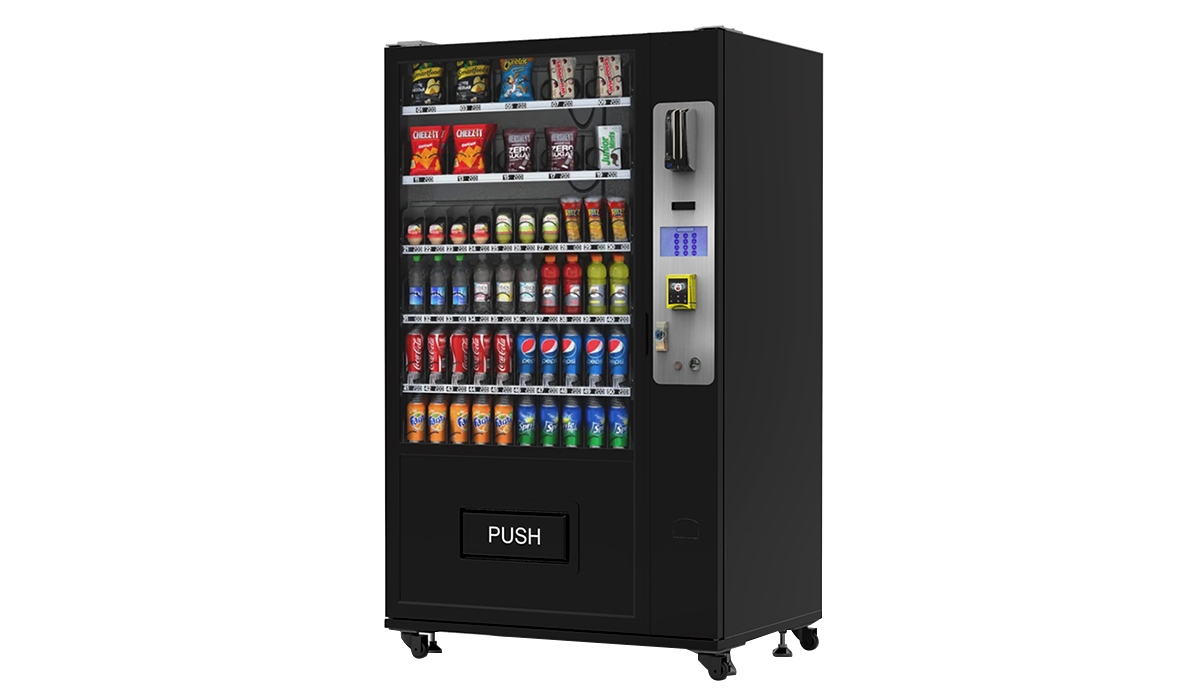
Revenue Potential by Location Type
Based on my routes and data from industry reports, here is a realistic expectation of monthly revenue for a well-maintained cashless machine in different settings. These figures are estimates and can vary widely based on local factors.
| Location Type | Estimated Monthly Revenue (Cashless Machine) | Typical Commission | Break-Even Period |
|---|---|---|---|
| High-Traffic Transit Hub | €800 – €1,500 | 15-25% | 6-10 months |
| University Campus | €600 – €1,200 | 10-20% | 8-12 months |
| Hospital Waiting Area | €400 – €800 | 10-15% | 10-14 months |
| Office Building (100+ employees) | €300 – €600 | 5-10% | 12-18 months |
| Small Retail Storefront | €200 – €400 | 0-10% | 18-24 months |
The Role of Self-Service Kiosks and Automated Retail
The line between vending machines and self-service kiosks is blurring. Modern automated retail solutions are essentially small, unattended stores. They can sell everything from fresh food to electronics. If you are considering entering this space, think beyond traditional snacks and drinks. I have seen successful installations of machines selling personal protective equipment (PPE) in industrial parks, phone accessories in airports, and even fresh salads in office buildings. The key is to match the product to the location and to ensure your payment system can handle higher-value transactions. A cashless system is essential for these applications because no one carries enough cash to buy a €30 phone charger from a machine.
How to Evaluate If a Machine Is Worth the Investment
Before you buy any machine, run this simple calculation:
- Estimate the monthly foot traffic at the intended location. If you cannot get a reliable count, do not commit.
- Assume a conservative conversion rate of 2-5% of passersby making a purchase.
- Multiply by your average transaction value (usually €1.50-€3.00 for snacks, higher for specialty items).
- Subtract product cost (40-50%), commission (10-20%), and transaction fees (2-4%).
- Subtract your monthly operational costs (restocking labor, energy, and maintenance reserve).
If the resulting number is positive and gives you a return on investment within 18 months, it is worth considering. If not, walk away. I have walked away from many "free" machine placements because the math did not work.
FAQ: Answers to the Most Common Questions I Get
Are vending machines profitable?
Yes, but it depends entirely on location, product selection, and payment system. A well-placed cashless machine can generate a net profit of €200-€500 per month. A poorly placed cash-only machine can lose money. Based on my experience, the average profit margin for a vending machine business is around 10-20% after all costs, but top operators can achieve 30% or more.
How much does a vending machine cost?
A new cashless-enabled machine typically costs between €4,000 and €7,000. Refurbished units can be found for €1,500 to €3,000, but you need to check the condition of the refrigeration system and the payment terminal. A cash-only machine is cheaper upfront, but you will likely need to spend €500-€1,000 to retrofit it with a cashless system later.
How long does it take to break even?
For a cashless machine in a good location, expect a break-even period of 12 to 18 months. In a high-traffic location, it can be as fast as 6 months. For a cash-only machine, the break-even period is often longer because of lower daily revenue, even though the initial investment is smaller.
Should a beginner buy or lease a machine?
I generally recommend buying a used or refurbished machine from a reputable supplier. Leasing can be attractive because it lowers the upfront cost, but you are often locked into long-term contracts with high monthly payments. If you buy, you own the asset and can move it if a location does not work out. Just be sure to have a reserve fund for repairs.
Where should I place my first machine?
Start with a location you know well. A friend's office, a local gym, or a community center are good starting points. Avoid high-commission locations like airports and train stations until you have more experience. The best places have consistent foot traffic, limited food options nearby, and a demographic that uses cards or phones to pay.
What permits or licenses do I need?
This varies by country and region. In the European Union, you must comply with food safety regulations (HACCP principles) if you sell perishable items. In France, you need to register with the DDPP. In Germany, you may need a Gewerbeanmeldung (business registration) and a health certificate. Always check with your local chamber of commerce or business registration office before placing a machine. The European Commission's Single Digital Gateway provides useful information for cross-border operators.
How do I choose a vending machine supplier?
Look for a supplier with a local service network, readily available spare parts, and a track record of reliability. I have had good experiences with Zhongda Smart for their integrated cashless systems and solid build quality. Avoid suppliers that cannot provide references or that sell machines with proprietary parts that are hard to source.
What happens if the machine breaks down?
Most machines have a warranty period (usually 1-2 years). After that, you need to have a relationship with a local technician who can handle vending machine repair. I recommend setting aside 5-10% of your monthly revenue for a maintenance fund. Common issues include jammed coin mechanisms, failed card readers, and refrigeration problems. A telemetry system can alert you to many issues before they cause a complete breakdown.
How can I reduce restocking and maintenance costs?
Use the data from your cashless system to optimize your inventory. Only stock products that sell. Group your machines geographically to reduce driving time. Invest in energy-efficient machines to lower electricity bills. And most importantly, keep your machines clean and well-maintained to prevent major repairs.
Final Thoughts from the Field
This business is not a get-rich-quick scheme. It requires attention to detail, a willingness to learn from failures, and a commitment to providing a good customer experience. The single most important decision you will make early on is choosing a machine with a reliable, modern payment system. Cashless payment is not a luxury feature for vending machines anymore—it is the standard. If you ignore that, you will be fighting an uphill battle from day one.
I have seen operators build successful, scalable businesses by focusing on the fundamentals: good locations, the right product mix, and machines that make it easy for anyone to buy. That ease starts with the payment terminal. Whether you are buying your first machine or expanding a fleet of fifty, prioritize cashless capability. Your customers—and your bank account—will thank you.
Disclaimer: The figures and estimates provided in this article are based on my personal operational experience in the vending industry over the past decade. Actual results will vary based on location, market conditions, product selection, and operational efficiency. This article is for informational purposes and does not constitute financial or legal advice. Always consult with local authorities and a qualified business advisor before making investment decisions.
This article was updated in May 2025.