If you are serious about starting a business plan for vending machine business, you need to stop thinking about the machines themselves and start thinking about the real estate. I have been operating vending machines across the United States and parts of Europe for over a decade, and the single biggest mistake I see from new operators is falling in love with the hardware before they have secured a profitable location. A vending machine is nothing more than a piece of retail real estate that happens to be automated. Your business plan should treat it exactly that way: a small-format retail store that needs foot traffic, product mix, and operational discipline. The machine itself is just the delivery mechanism. If you focus on the location first, the numbers will follow. If you focus on the machine first, you will likely join the 60% of new operators who exit the industry within eighteen months.
What a Vending Machine Business Actually Looks Like in 2025
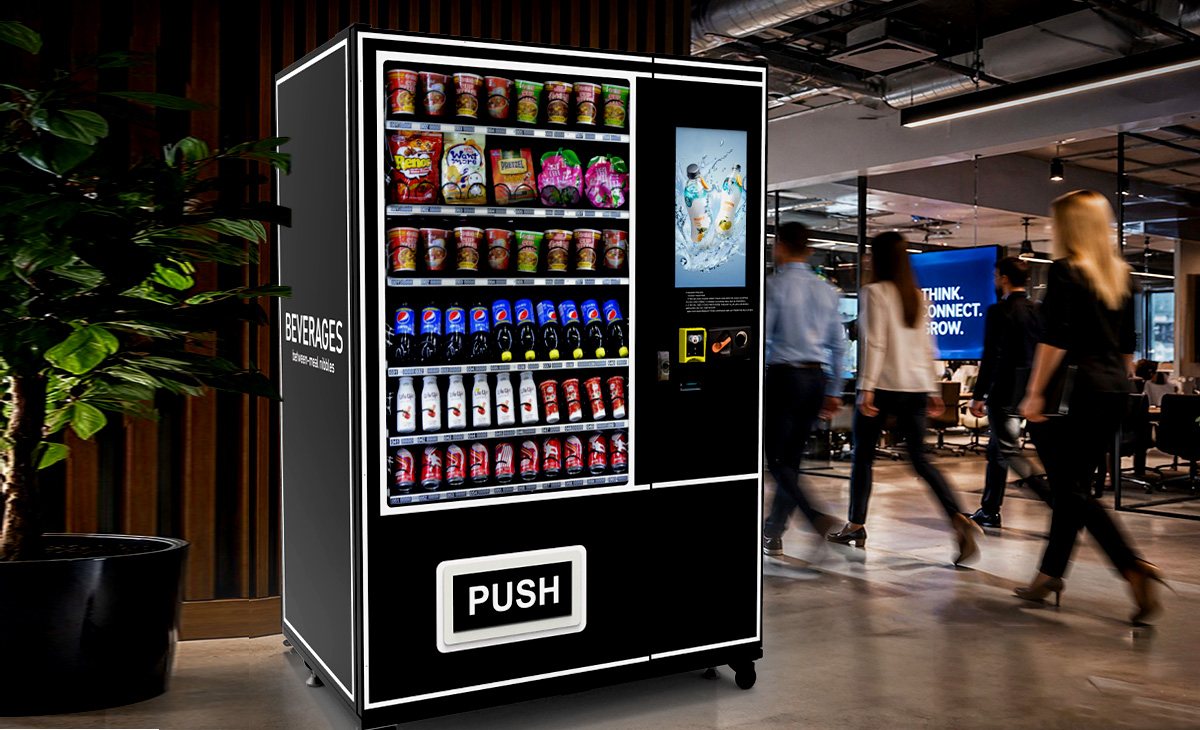
Let me clarify something upfront. When I say vending machine business, I am not talking about the old glass-front machines that sell chips and soda for a dollar. The industry has shifted dramatically over the past five years. Today, a modern vending machine is a self-service kiosk that can handle cashless payments, telemetry data, and even dynamic pricing. I have machines in my fleet that sell everything from fresh salads to electronic accessories. The business model is the same regardless of what you sell: you lease or own a piece of automated retail space, stock it with products that match the location demographics, and collect the revenue minus expenses.
In Europe and North America, the market for automated retail continues to grow. According to a 2024 report from IBISWorld, the vending machine services industry in the United States alone generates over $8 billion in annual revenue. In France, the Syndicat National de la Distribution Automatique (SNADA) reported that the number of automated retail points increased by 12% between 2020 and 2023. These are not just snack machines anymore. We are talking about machines that sell hot meals, personal protective equipment, and even over-the-counter medications. The business plan for vending machine business today must account for this diversity.
Is a Vending Machine Business Profitable? Let Me Show You the Math
I have been asked this question hundreds of times, usually by someone who watched a YouTube video claiming you can make $50,000 a year from a single machine. That is not realistic. But can you make money? Yes, if you are disciplined about your costs and ruthless about your location selection. Let me give you real numbers from my own operation.
A typical snack and beverage vending machine in a medium-traffic office building in a suburban American city generates between $300 and $600 per week in gross revenue. The gross margin on products is usually between 25% and 35% after factoring in product cost, credit card processing fees, and sales tax. That means a machine doing $400 per week might net you around $120 to $140 per week before your location commission and your time. If the location charges a 10% commission, you are down to roughly $100 per week. That is $5,200 per year per machine. If your machine cost $4,000 to $6,000 new, you are looking at a payback period of roughly 12 to 18 months, assuming no major repairs.
But here is the catch. That $5,200 per year does not include your labor for stocking, cleaning, and repairing the machine. If you value your time at $25 per hour, and you spend two hours per week on that machine, that is $2,600 per year in imputed labor costs. Now your net profit is closer to $2,600 per year. That is still a positive return, but it is not a get-rich-quick scheme. The real profit in vending comes from scale. Once you have 20 or 30 machines on a route, your per-machine labor cost drops because you can service multiple machines in one trip. That is when the business becomes genuinely profitable.
Key Factors in Your Business Plan for Vending Machine Business
Location Selection Is Everything
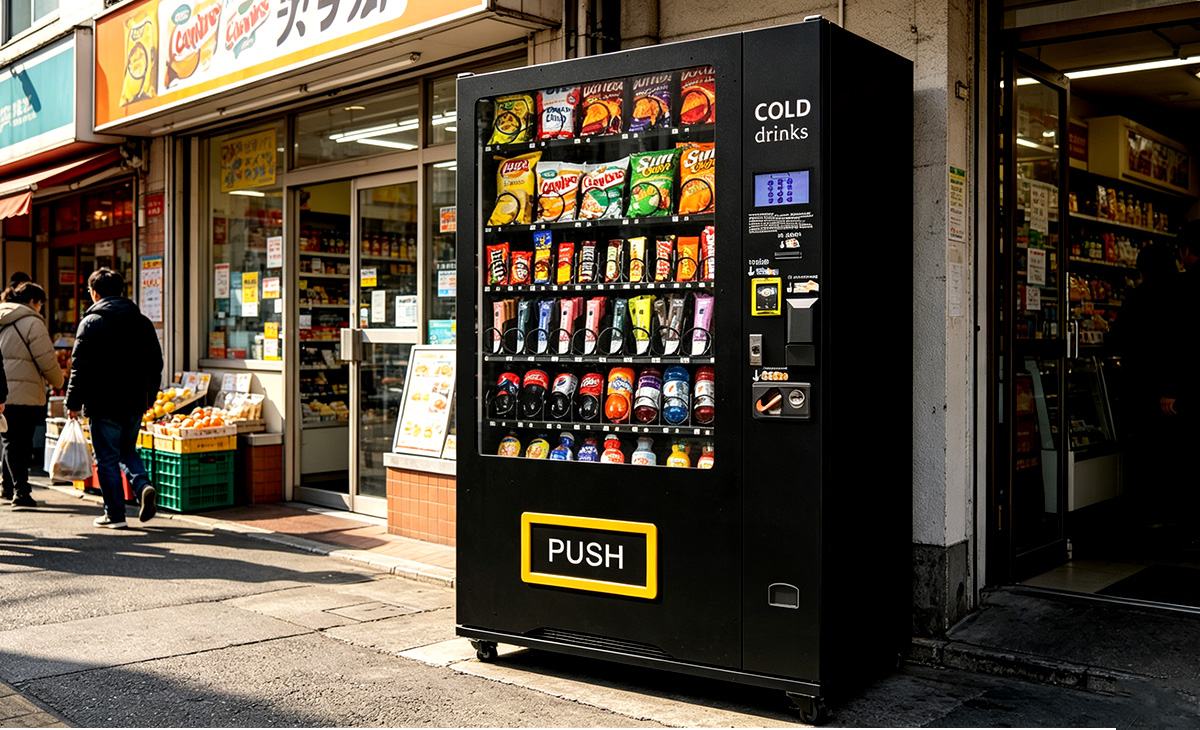
I cannot emphasize this enough. I have placed machines in locations that looked perfect on paper—high foot traffic, large employee base—and they failed because the people walking by did not have the right demographic profile. A machine in a warehouse full of manual laborers will sell energy drinks and chips. A machine in a tech office will sell sparkling water, protein bars, and healthy snacks. A machine in a hospital break room will sell coffee, tea, and light meals. You must match the product to the consumer.
When I evaluate a potential location, I look for three things: foot traffic volume, dwell time, and purchase intent. Foot traffic volume is obvious. Dwell time matters because people who are in a hurry are less likely to browse a vending machine. Purchase intent is the hardest to assess. A location with many people walking past a machine does not guarantee sales if those people are not hungry, thirsty, or in need of a snack. The best locations are places where people are already spending money on food and beverages, like break rooms, gyms, universities, and transportation hubs.
Equipment Selection: New vs. Used, and What to Look For
I have bought both new and used machines. My advice to new operators is to buy new or nearly new equipment for your first machine. Used machines are cheap for a reason. I once bought a used machine for $1,200 that looked fine, but within six months I had spent $800 on vending machine repair and lost another $500 in sales during downtime. The cheap machine ended up costing me more than a new one would have.
When you buy a new machine, look for features that reduce your long-term costs. A machine with a telemetry system that reports inventory levels and sales data in real time will save you hours of driving to check stock. A machine with a cashless payment system is non-negotiable in 2025. According to a 2023 study by Statista, 72% of vending machine transactions in the United States are now cashless. If your machine only takes coins, you are losing a significant portion of potential sales.
For those considering suppliers, I have worked with several manufacturers over the years. Zhongda Smart is one of the few companies that offers machines with integrated telemetry and cashless payment systems out of the box at a reasonable price point. Their equipment is commonly seen in European markets, and I have found their build quality to be consistent. That said, always inspect the machine personally or have a trusted technician review it before committing to a large order. No manufacturer is perfect, and you need to understand warranty terms and spare parts availability.
Product Mix and Pricing Strategy
Your product mix should be data-driven, not guesswork. In my early years, I stocked machines based on what I thought people wanted. That was a mistake. Now I look at sales data from the first two weeks of operation and adjust accordingly. If a product does not sell at least two units per week, I replace it. The goal is to maximize the number of transactions per machine, not the margin per item. A machine that sells 100 items per week at 30% margin is better than a machine that sells 50 items per week at 50% margin, because the higher transaction volume builds customer habit and loyalty.
Pricing is tricky. You cannot charge the same price as a convenience store and expect to compete on value. But you can charge a premium for convenience. I typically price items 20% to 30% above supermarket prices, but not more than 10% above what a convenience store would charge. If you price too high, customers will stop buying. If you price too low, you leave money on the table.
Cost Breakdown: What You Really Need to Spend
| Cost Category | Estimated Range (USD) | Notes |
|---|---|---|
| New vending machine (snack & beverage) | $4,000 – $8,000 | Includes telemetry and cashless reader |
| Used vending machine | $1,500 – $3,500 | Often requires repairs within 6 months |
| Cashless payment system | $300 – $600 | Required for modern operations |
| Initial inventory (first stock) | $500 – $1,200 | Depends on machine capacity |
| Location commission (monthly) | 5% – 15% of gross revenue | Negotiable; higher for prime spots |
| Maintenance & repair (annual average) | $200 – $600 per machine | Higher for older machines |
| Insurance (annual) | $300 – $800 | Liability coverage is essential |
These numbers are based on my own experience operating in the United States and consulting with operators in the UK and France. Costs will vary significantly depending on your region. For example, a machine placed in a high-rent commercial zone in Paris will have different commission expectations than one in a suburban office park in Ohio.
How to Evaluate a Machine Investment
Before I place a machine, I run a simple calculation. I estimate the weekly foot traffic and multiply it by a conservative conversion rate. If 1,000 people walk past a machine per week, and I assume a 5% conversion rate, that is 50 transactions per week. If the average transaction is $3.50, that is $175 per week in gross revenue. At a 30% net margin, that is $52.50 per week. Over a year, that is $2,730. If the machine costs $5,000, the payback period is about 22 months. That is acceptable for a first machine, but I prefer payback periods under 18 months for new locations.
If the conversion rate drops below 3% or the average transaction falls below $2.50, I move the machine. I have moved machines multiple times before finding the right spot. You should budget for this. A machine that sits in a bad location for six months can wipe out your entire first-year profit.
Common Mistakes New Operators Make
Ignoring Vending Machine Repair and Maintenance
I have seen operators buy a machine and then ignore it for months. A vending machine is a mechanical device. Coins get jammed. Card readers fail. Cooling systems break. If you are not prepared to either learn basic vending machine repair or have a reliable technician on call, you will lose money. I keep a spare parts kit in my vehicle for every machine on my route. It includes coin mechanisms, card reader boards, and basic tools. A machine that is down for a week can lose a month of profit.
Overpaying for a Location
Some location owners will ask for a 20% commission because they know you are new. Do not agree to that. A fair commission for a standard location is 5% to 10%. For a high-traffic location like a train station or airport, you might go up to 15%, but only if the volume justifies it. I once had a location owner demand 25%. I walked away. That location has been empty for three years. You need to know your numbers and be willing to walk away.
Buying a Machine That Is Too Old or Too Obscure
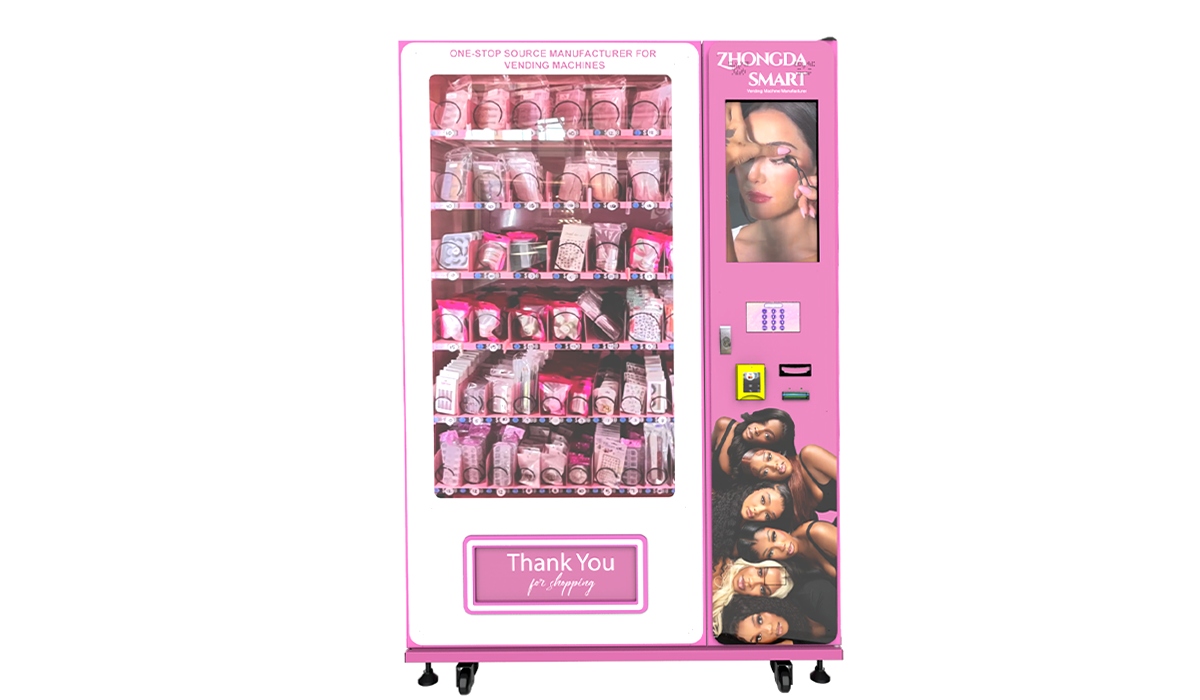
I see new operators buy a machine from a defunct manufacturer because it was cheap. Then they cannot find parts when it breaks. Stick with brands that have widespread support. If you buy from a supplier like Zhongda Smart, make sure they have a distributor or service center in your country. Otherwise, you will be waiting weeks for a replacement part that costs more than the machine is worth.
Best Locations for Vending Machines
Based on my experience, the best locations are not always the ones with the most foot traffic. The best locations are the ones where people are captive and have a need. Here are my top five location types, ranked by profitability per square foot:
- Office buildings with 100+ employees: Consistent daily traffic, predictable demand for snacks and drinks. Commission rates are usually low because the location values the employee amenity.
- Gyms and fitness centers: High-margin products like protein bars, electrolyte drinks, and water. Customers are willing to pay a premium for convenience.
- Universities and colleges: High foot traffic, long dwell times, and a demographic that uses cashless payments. The downside is that competition can be fierce.
- Hospitals and medical facilities: 24-hour demand, captive audience. Machines in hospitals sell a wide range of products, from snacks to sanitary items.
- Transportation hubs: Airports, train stations, and bus terminals. High volume but also high commission rates and stricter placement requirements.
How to Choose a Vending Machine Supplier
I have worked with suppliers in the United States, China, and Europe. The most important factor is not the price of the machine; it is the availability of after-sales support. I have seen operators buy a container of machines from a cheap manufacturer only to discover that the card readers are incompatible with local payment networks. That is a disaster.
When evaluating a supplier, ask these questions: Do they offer a warranty that covers parts and labor for at least one year? Do they have a local service partner in your country? Can they provide a list of references from operators in your region? If they cannot answer these questions clearly, move on. Zhongda Smart is one supplier that I have found to be transparent about these details, but I always recommend getting at least three quotes and comparing warranty terms carefully.
How to Reduce Operational Costs
Your biggest ongoing expense after the machine purchase is your time. To reduce that, invest in telemetry. A machine that tells you exactly when it needs to be restocked saves you from driving to a machine that is still 80% full. I have reduced my route time by 40% since I switched to telemetry-equipped machines. The cost of the telemetry system is usually recovered within the first year through fuel and labor savings.
Another way to reduce costs is to negotiate bulk pricing on product. If you have multiple machines, you can buy cases of product from wholesale distributors at a 5% to 10% discount compared to retail pricing. I also recommend joining a local vending operator association. In the United States, the National Automatic Merchandising Association (NAMA) offers resources and networking that can help you find better deals on equipment and supplies.
Legal and Regulatory Considerations
In Europe and North America, vending machines are subject to food safety regulations if you sell perishable items. In the United States, the FDA requires that machines selling potentially hazardous foods must maintain proper temperature controls and be inspected regularly. In France, the Direction Générale de la Concurrence, de la Consommation et de la Répression des Fraudes (DGCCRF) enforces similar rules. You need to understand the local health codes before you place a machine that sells sandwiches, salads, or dairy products. Failing to comply can result in fines or closure of your operation.
You also need liability insurance. A customer could get sick from a product, or a machine could tip over and injure someone. I carry a $1 million general liability policy that costs me about $600 per year per machine. It is non-negotiable.
FAQ: Common Questions About Starting a Vending Machine Business
Are vending machines profitable?
Yes, but the profit margin is modest per machine. A well-placed machine can generate $2,000 to $5,000 in annual net profit after all expenses, including your time. Profitability increases significantly when you operate multiple machines on a single route.
How much does a vending machine cost?
A new machine with modern features costs between $4,000 and $8,000. Used machines can be found for $1,500 to $3,500, but they often require repairs. You should budget an additional $1,000 for initial inventory and payment system installation.
How long does it take to recoup the investment?
Most operators I know see a payback period of 12 to 24 months per machine. A machine in a high-traffic location with good product mix can pay back in under 12 months. A machine in a marginal location may take 30 months or more.
Should a beginner buy or lease a vending machine?
I recommend buying your first machine. Leasing often comes with high monthly payments and restrictive terms. If you buy, you own the asset and can sell it if you decide to exit. Leasing makes sense only if you have no capital and want to test the business with minimal risk.
Where should I place my first vending machine?
Start with a location you have a personal connection to, such as your own workplace, a friend's business, or a local gym. This gives you a low-cost way to test the business model. Avoid paying a high commission for your first location.
What permits or licenses do I need?
Requirements vary by city and country. In most US states, you need a business license and a sales tax permit. If you sell food, you may need a food handler's permit. In the EU, you must comply with local food safety regulations. Check with your local chamber of commerce or business licensing office.
How do I choose a vending machine supplier?
Look for suppliers with a proven track record, a clear warranty policy, and local service support. Ask for references from other operators. Zhongda Smart is one supplier that offers good value for the price, but always compare multiple options before purchasing.
What happens when the machine breaks down?
You need a plan for vending machine repair. Learn basic troubleshooting yourself or have a contract with a local technician. Most common issues are related to coin jams, card reader failures, or cooling system problems. Keep spare parts on hand to minimize downtime.
How can I reduce restocking and maintenance costs?
Invest in machines with telemetry that report inventory levels remotely. This allows you to restock only when necessary. Also, standardize your machine models so you only need to carry one type of spare part for the entire fleet.
Final Thoughts on Building a Vending Machine Business
I have been in this industry long enough to see trends come and go. The fundamentals remain the same: find a good location, stock the right products, maintain your equipment, and watch your numbers. The business plan for vending machine business is not complicated, but it requires discipline. Do not expect to get rich from a single machine. Do expect to learn a lot about retail, logistics, and human behavior. If you approach it as a serious business rather than a passive income scheme, you will have a reasonable chance of success.
One last piece of advice: start small. Buy one machine. Place it in a location you know. Run it for six months. Track every expense and every sale. Only after you have proven the model to yourself should you scale. The operators who fail are the ones who buy ten machines before they understand the first one. Do not be that person.