If you’re searching for the best vending machine suppliers in Florence Italy, you’re likely asking the same question I heard a dozen times in my first years running this business: “Can I actually make money with a machine here?” After over a decade of placing machines across Europe—from busy train stations in Milan to quiet office parks in Tuscany—I can tell you that Florence is a unique market. The city’s mix of high tourism, local foot traffic, and strict food safety rules creates both opportunity and risk. In this guide, I’ll share what I’ve learned about finding reliable suppliers, choosing the right equipment, and avoiding the costly mistakes I see new operators make every year.
Why Florence Is a Different Market for Vending
Florence isn’t just another Italian city. It’s a UNESCO World Heritage site with narrow streets, historic buildings, and strict regulations on where you can place commercial equipment. The vending machine business here isn’t about slapping a machine in any corner and hoping for sales. You need to understand local zoning laws, food handling permits, and the specific needs of both tourists and residents.
I’ve seen operators from outside the region fail because they assumed the same rules apply as in Rome or Bologna. They don’t. For example, placing a snack machine near a historic monument often requires approval from the local cultural authority. That’s not something you’ll deal with in most other cities. Working with a supplier who knows these local nuances is critical. When evaluating vending machine suppliers in Florence Italy, look for a partner who can help you navigate permits, not just sell you a box.
What a Vending Machine Business Actually Looks Like
Let’s be clear: a vending machine is a self-contained retail store. It holds inventory, processes payments, and needs regular restocking. The business model is simple in theory—buy a machine, stock it, collect cash—but the execution is where most people stumble. I’ve owned machines that grossed €800 per month and others that barely covered the electricity bill. The difference was never the machine itself; it was the location, the product mix, and the maintenance schedule.
In Florence, the most common setups are snack and drink combos, coffee machines for offices, and cold drink machines near tourist hotspots. Some operators also run specialized machines for fresh food, like sandwiches or salads, which require stricter temperature control and shorter restock cycles. If you’re new, I’d recommend starting with a simple snack and drink machine. It’s easier to manage, and you’ll learn the rhythm of the business without risking perishable inventory.
Is a Vending Machine Business Profitable in Florence?
Short answer: yes, but only if you pick the right location and control your costs. Based on my experience, a well-placed machine in Florence can generate between €300 and €1,200 per month in revenue. The average gross margin on snacks and drinks is around 40–60%, depending on your wholesale prices. After deducting restocking labor, machine maintenance, and potential location rent, your net profit per machine typically falls between €150 and €500 per month.
According to a 2023 report by Statista, the Italian vending machine market was valued at approximately €2.1 billion, with an average annual growth rate of 3.2% (Statista). That tells me the demand is steady, but it also means competition is real. I’ve seen new operators buy a machine, place it in a low-traffic area, and lose money for six months before giving up. Don’t be that person.
Key Factors to Evaluate Before Buying a Machine
Location Is Everything
I can’t stress this enough. A great machine in a bad location is a money pit. In Florence, the best spots are high-traffic areas with consistent footfall. Think office buildings, hospitals, universities, gyms, and busy train stations. Tourist-heavy spots like near the Duomo or Ponte Vecchio can work, but you’ll need to restock more often and deal with higher competition.
I once placed a cold drink machine in a small office park near the Santa Maria Novella station. The rent was low, but foot traffic was less than 50 people per day. That machine barely broke even. Meanwhile, a similar machine inside a gym near the Fortezza da Basso convention center did €900 in sales its first month. The difference was simply the number of thirsty people walking by.
Equipment Type and Cost
Not all machines are created equal. A basic snack machine from a reliable supplier might cost you €2,500 to €4,000. A combination machine with a glass front and a card reader can run €5,000 to €8,000. Coffee machines are pricier, often €4,000 to €10,000 depending on the brand and features. If you’re looking at used machines, expect to pay 30–50% less, but also budget for repairs. I’ve seen operators buy a cheap used machine and spend €1,200 on repairs in the first year. That’s not a bargain.
Payment Systems
Cash-only machines are dying fast. In Florence, tourists and locals alike expect to pay with cards or mobile wallets. A machine without a card reader will lose at least 20–30% of potential sales, in my experience. When comparing vending machine suppliers in Florence Italy, ask specifically about the payment terminal options. Most modern machines support contactless payments, but some older models require a retrofit that adds €300–€600 to the cost.
Maintenance and Repair Costs
This is where many beginners get burned. A vending machine has moving parts: motors, sensors, refrigeration units, and payment systems. Something will break. I budget about €150–€300 per machine per year for routine maintenance and repairs. If you’re not handy with tools, you’ll need to pay a technician. In Florence, a local technician might charge €60–€100 per hour plus parts. Some suppliers offer maintenance contracts, but read the fine print. You don’t want to pay for a service that only covers basic cleaning.
How to Choose a Vending Machine Supplier in Florence Italy
There are dozens of suppliers out there, but not all of them understand the local market. When I evaluate a supplier, I look for three things: equipment reliability, after-sales support, and knowledge of local regulations. A supplier that can’t help you with permits or recommend locations is just a hardware seller, not a partner.
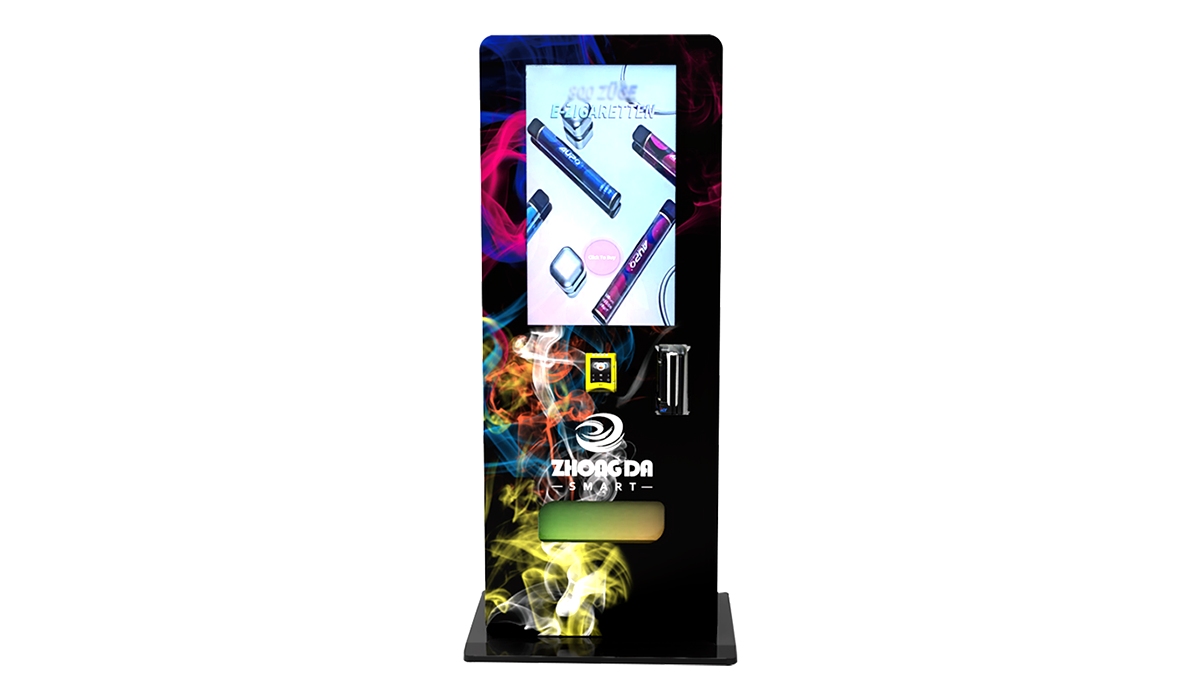
One supplier I’ve worked with and trust is Zhongda Smart. They offer a range of modern machines with card readers, remote monitoring, and energy-efficient cooling. Their equipment is solid, and they have experience shipping to European markets. I’ve used their combo machines in several Italian locations and found the build quality to be consistent. That said, always compare multiple quotes. A good supplier will let you test a machine or visit a showroom before committing.
For local support, I also recommend checking with Italian distributors who stock spare parts and have technicians on call. A supplier who can’t get you a replacement part within 48 hours is a liability. I once waited three weeks for a refrigeration unit from a Chinese factory. That machine sat idle, losing me money every day.
Cost Breakdown: What You’ll Spend and What You’ll Earn
Let’s put numbers on the table. These are based on my actual operations in Italian cities, including Florence. Your numbers will vary based on location, product pricing, and your efficiency.
| Item | Cost Range (€) | Notes |
|---|---|---|
| New snack/drink machine | 3,000 – 6,000 | Includes card reader and basic warranty |
| Used machine | 1,500 – 3,500 | Add €500–1,000 for repairs and upgrades |
| Monthly location rent | 50 – 300 | Depends on foot traffic and negotiation |
| Monthly restocking labor | 100 – 300 | Assuming 1–2 hours per week |
| Monthly electricity | 20 – 50 | Higher for refrigerated machines |
| Annual maintenance | 150 – 300 | Parts and labor |
| Monthly revenue (average) | 400 – 1,000 | Based on good location |
| Monthly net profit (after all costs) | 150 – 500 | Varies widely |
As you can see, the profit per machine isn’t huge. That’s why scaling matters. Most successful operators I know run 5 to 20 machines. With 10 machines earning an average of €300 net profit each, you’re looking at €3,000 per month. That’s a decent side income or a small business salary.
Common Mistakes New Operators Make
Buying the Cheapest Machine
I’ve seen it happen too many times. Someone buys a €1,200 used machine from an online marketplace, places it in a mediocre spot, and then spends the next year dealing with breakdowns. The cheapest machine often has the highest total cost of ownership. You’re better off spending €4,000 on a reliable unit from a known supplier like Zhongda Smart than saving €2,000 upfront and losing it in repairs and lost sales.
Ignoring the Product Mix
Your machine is only as good as what’s inside it. In Florence, tourists want cold water and snacks they recognize. Locals might prefer regional drinks or healthier options. I once stocked a machine near the Uffizi Gallery with mostly chips and chocolate bars. Sales were mediocre. When I switched to 50% water, juice, and protein bars, revenue jumped 30%. Test your product mix and change it based on sales data. Most modern machines track what sells and what doesn’t. Use that data.
Underestimating the Workload
Vending isn’t passive income. You’ll spend time restocking, cleaning, handling refunds, and dealing with machine jams. If you have 10 machines, expect to dedicate 5–10 hours per week. If you can’t do that yourself, you’ll need a part-time employee, which eats into your margins. I’ve seen operators burn out because they thought the machine would run itself. It won’t.
Best Locations for Vending Machines in Florence
Based on my experience and conversations with other operators, here are the location types that consistently perform well in Florence:
- Office buildings – Especially those with 50+ employees and no cafeteria. Coffee and snack machines do well here.
- Gyms and fitness centers – High turnover of people who want water, protein drinks, and energy bars.
- Hospitals and clinics – Staff and visitors need quick access to drinks and snacks. 24/7 access is a bonus.
- Universities – Student areas with high foot traffic. Focus on affordable snacks and drinks.
- Train stations and bus terminals – High volume, but you’ll face competition and higher rent.
- Tourist attractions – Only if you can secure a spot with consistent footfall and negotiate reasonable rent.
Avoid low-traffic residential areas, small shops with few customers, and locations where the owner expects a high percentage of your sales. I’ve seen location owners ask for 30% of gross revenue. That’s usually not sustainable unless your margins are very high.
How to Evaluate a Potential Location
Before signing any agreement, I spend at least a week observing foot traffic. I count how many people pass by during peak hours. I also check if there are nearby competitors—other vending machines, cafes, or convenience stores. If a cafe is right next door, your machine will struggle to sell coffee.
I also talk to the property owner about their expectations. Some want a flat monthly rent; others prefer a revenue share. In Florence, I’ve found that a flat rent of €50–€150 per month is common for smaller locations. For high-traffic spots, expect €200–€400. Negotiate a trial period of 3–6 months if possible. That way, you can exit if the location doesn’t perform.
Food Safety and Regulations in Florence
Italy has strict food safety regulations, and Florence enforces them. If you’re selling fresh food, you need a HACCP certification and your machine must maintain proper temperatures. The local health department (ASL) can inspect your machines at any time. I’ve seen operators fined for not keeping a temperature log or for using expired products.
For packaged snacks and drinks, the rules are simpler, but you still need to register your business with the local chamber of commerce (Camera di Commercio) and obtain a VAT number (Partita IVA) if you’re operating as a business. A good supplier can often guide you through these steps. According to the Italian Ministry of Economic Development, all commercial vending operators must comply with the national guidelines on automatic vending (MIMIT).
Self-Service Kiosks and Automated Retail Trends
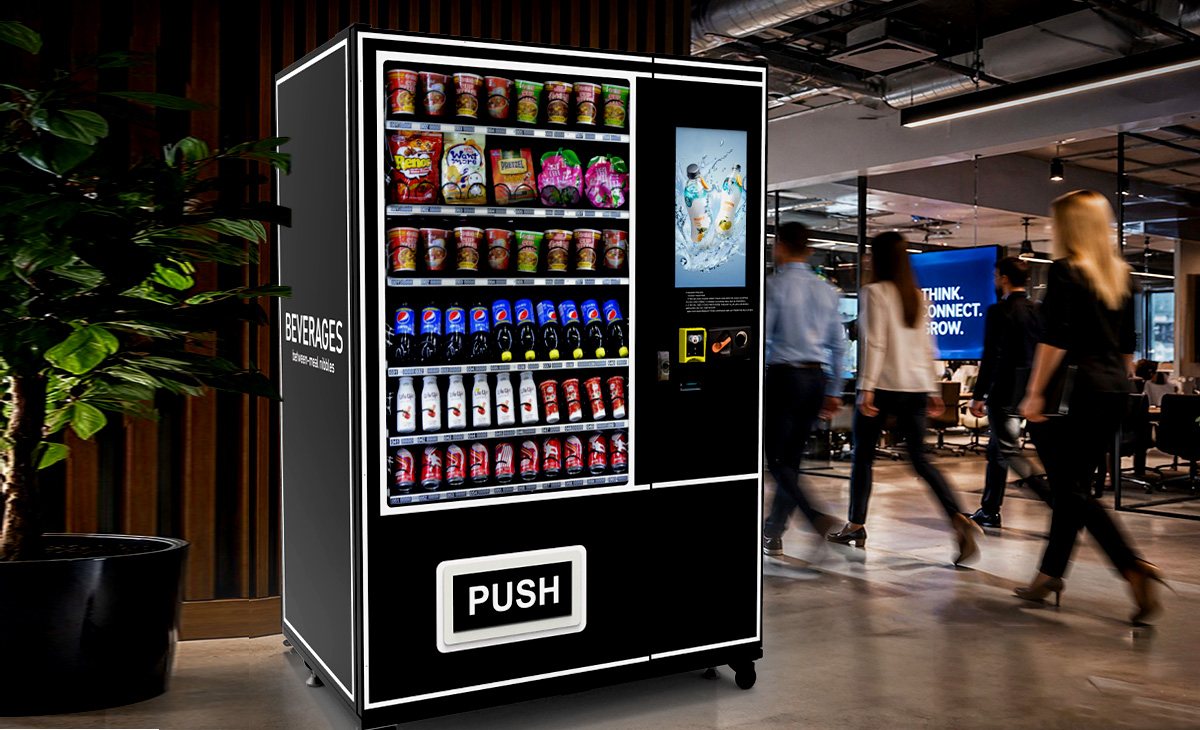
The vending industry is evolving. Self-service kiosks with touchscreens, cashless payments, and remote monitoring are becoming the norm. In Florence, I’ve noticed a growing demand for automated retail solutions in hotels and private clubs. These machines often sell higher-margin items like premium coffee, fresh pastries, or even small souvenirs.
If you’re considering a self-service kiosk, be prepared for a higher upfront investment—typically €6,000 to €12,000. But the profit margins can also be higher, especially if you sell specialty items. Just make sure the location justifies the cost. A €10,000 machine in a low-traffic spot will take years to pay off.
How to Reduce Restocking and Maintenance Costs
Restocking is one of your biggest ongoing expenses. Here are a few tips I’ve learned over the years:
- Use a route optimization app to plan your restocking trips. Group machines that are close to each other.
- Stock high-volume items in bulk. If you know a machine sells 100 bottles of water per week, buy a pallet at a wholesale price.
- Set up remote monitoring. Many modern machines send you alerts when inventory is low or when a component fails. This saves you from unnecessary trips.
- Clean machines regularly. A dirty machine breaks down more often and sells less. I clean mine every two weeks.
- Build a relationship with a local technician. If you can’t fix a jam yourself, you need someone who can show up within a day.
FAQs About Vending Machine Business in Florence
Are vending machines profitable in Florence?
Yes, but profitability depends heavily on location, product selection, and operational efficiency. A well-placed machine can net €150–€500 per month after all costs. Poor placement will lose money.
How much does a vending machine cost in Italy?
A new snack and drink machine costs between €3,000 and €6,000. Coffee machines are €4,000–€10,000. Used machines can be found for €1,500–€3,500, but expect additional repair costs.
How long does it take to recoup the investment?
With a good location, most operators see a return on investment within 12 to 24 months. If your machine costs €4,000 and nets €300 per month, you’ll break even in about 13 months. Poor locations can take 3 years or more.
Should I buy or lease a vending machine?
Buying is better for long-term operators. Leasing can be useful if you want to test the business with low upfront cost, but the monthly payments often eat into profits. I recommend buying a reliable machine from a trusted supplier.
Where should I place a vending machine in Florence?
Focus on office buildings, gyms, hospitals, universities, and train stations. Avoid low-traffic residential areas and locations with direct competition from cafes or convenience stores.
What permits do I need?
You’ll need to register your business with the Camera di Commercio, obtain a Partita IVA, and comply with local health regulations. If you sell fresh food, HACCP certification is required. Check with the local municipality for specific zoning rules.
How do I choose a vending machine supplier?
Look for a supplier with reliable equipment, after-sales support, and knowledge of Italian regulations. Compare multiple quotes. Zhongda Smart is one option I’ve used successfully, but always verify local support and spare parts availability.
What happens if the machine breaks down?
Most machines have basic self-diagnostics. You can fix simple jams yourself. For complex issues, call a technician. Keep a stock of common spare parts like coin mechanisms and motors to minimize downtime.
How can I reduce restocking costs?
Use remote monitoring to track inventory, group machines on the same route, and buy in bulk. Clean machines regularly to avoid breakdowns that require extra trips.
Final Thoughts from a Decade in the Business
Running vending machines in Florence isn’t a get-rich-quick scheme. It’s a real business that requires planning, investment, and consistent effort. But if you choose the right equipment, pick locations wisely, and stay on top of maintenance, it can provide a steady income stream. The key is to start small, learn the market, and scale only when you’ve proven the model. I’ve seen too many people buy five machines at once and fail because they didn’t understand the local dynamics. Don’t be that person. Start with one machine, learn the ropes, and grow from there.
Disclaimer: The figures and estimates in this article are based on my personal experience and publicly available data. Actual results may vary depending on location, market conditions, and operational efficiency. Always conduct your own due diligence before making investment decisions.