If you’re asking yourself “how much does it cost to make a vending machine,” the short answer is that a brand-new, fully stocked unit can run you anywhere from $3,000 to over $15,000 depending on the type, features, and payment system you choose. But that’s just the machine itself—the real investment includes installation, inventory, permits, and ongoing maintenance. Over the past decade of running vending routes across the U.S. and Europe, I’ve seen people blow their entire budget on a cheap machine only to lose money because they didn’t factor in location fees or repair costs. This guide breaks down every cost you need to plan for, so you can decide if this business is right for you.
Understanding the Vending Machine Business Model
At its core, a vending machine is an unmanned retail point. You buy or lease a machine, stock it with products, and collect the revenue. The beauty of this model is that it can run with minimal daily oversight. But the devil is in the details—location, product mix, and machine reliability determine whether you’re making a profit or just storing a metal box.
Most operators start small, often with one or two machines, and scale up once they understand cash flow and maintenance demands. I’ve seen successful operators run 50 machines across office parks and schools, and I’ve seen others quit after six months because they underestimated the time required for restocking and machine repair.
Who Should Consider This Business?
This business works well for people who have a bit of capital (usually $5,000 to $20,000 to start), are comfortable with basic mechanical troubleshooting, and have access to a vehicle for restocking. It’s not a passive income scheme—especially in the first year. You will be driving to locations, handling cash, and dealing with jammed coils or faulty card readers.
Breaking Down the Initial Investment
Let’s talk numbers. Based on my experience and data from industry sources like the National Automatic Merchandising Association (NAMA), here is what you can expect to spend upfront.
- New vending machine (basic snack/drink combo): $4,500 – $8,000
- New specialized machine (coffee, frozen food, fresh food): $8,000 – $15,000
- Used/refurbished machine: $1,500 – $4,000
- Payment system (credit card reader + cashless): $400 – $1,200 per machine
- Initial inventory (first stock): $500 – $1,500
- Installation and delivery: $200 – $500
- Permits and business license: $100 – $500 (varies by city)
So, if you buy a new combo machine with a card reader, stock it, and get it installed, you’re looking at roughly $6,000 to $10,000 for your first unit. That’s your baseline for calculating how much does it cost to make a vending machine operational.
Hidden Costs That Catch New Operators
I’ve seen many beginners overlook the cost of a reliable vehicle for restocking. If you don’t have a van or a large SUV, you’ll need to factor in rental costs or delivery fees. Also, you’ll need a smartphone with data for remote monitoring—most modern machines offer telemetry, but that often comes with a monthly subscription of $15 to $30 per machine.
Another common surprise is the cost of vending machine repair. Even new machines break. I’ve had a cooling unit fail in the first year, costing $400 for a technician. Always keep a reserve fund of at least $500 per machine for unexpected repairs.
Location: The Single Most Important Factor
You can have the best machine in the world, but if it’s in a dead spot, it’s a liability. I’ve placed machines in high-traffic office buildings that generate $1,500 a month, and I’ve pulled machines from low-traffic laundromats that barely did $200.
How to Evaluate a Location
I use a simple rule: the location needs at least 100 potential customers passing by per day. For a snack machine, you want people who are in a hurry or have limited food options. Good spots include:
- Office buildings with 50+ employees (no cafeteria)
- Industrial warehouses and factories
- Schools and universities (check age restrictions)
- Hospitals and medical centers
- Gyms and recreation centers
- Transportation hubs (train stations, bus depots)
I once placed a machine in a small auto repair shop with only 10 employees. It did okay, but the owner let customers use it, and that pushed sales to about $400 a month—enough to keep it there. But the real winners are locations with shift workers who have limited break times.
Location Costs (Commission vs. Rent)
Most location owners will ask for a commission, typically 10% to 20% of gross sales. Some charge a flat monthly rent of $50 to $200. In my experience, commission-based agreements are better for beginners because you only pay when you earn. But be prepared to negotiate. If a location demands 25% commission, the profit margin gets thin unless your volume is high.
Operating Costs and Profit Margins
Let’s talk about the ongoing numbers. According to a 2023 report from IBISWorld, the average vending machine operator in the U.S. sees a gross profit margin of about 40% to 50% after product cost. But that’s before you subtract location commission, machine repair, and your own time.
Monthly Operating Costs (Per Machine)
| Cost Item | Estimated Amount |
|---|---|
| Product restocking (COGS) | $300 – $800 |
| Location commission (if applicable) | $50 – $200 |
| Card reader fees (2.5% – 3.5% of sales) | $20 – $60 |
| Electricity | $15 – $40 |
| Telemetry subscription | $15 – $30 |
| Maintenance/repair reserve | $25 – $50 |
So, if you’re grossing $1,000 per month from a machine, your net profit (after all costs except your time) might be between $300 and $500. That’s a realistic range based on my routes. Some machines do better, some worse.
How to Improve Margins
I’ve found that the fastest way to boost profit is to optimize your product mix. Don’t just fill the machine with generic chips and soda. Track what sells and what doesn’t. For example, in a fitness center, protein bars and bottled water sell at a higher margin than candy. In an office, premium coffee pods can yield 70% margin.
Another tip: use dynamic pricing. If you have a machine with a digital screen, you can raise prices during peak hours or for high-demand items. I’ve tested this and seen a 10% revenue increase without losing sales volume.
Machine Types: Which One Should You Choose?
Not all vending machines are created equal. The type you choose directly affects how much does it cost to make a vending machine profitable.
Snack and Drink Combo Machines
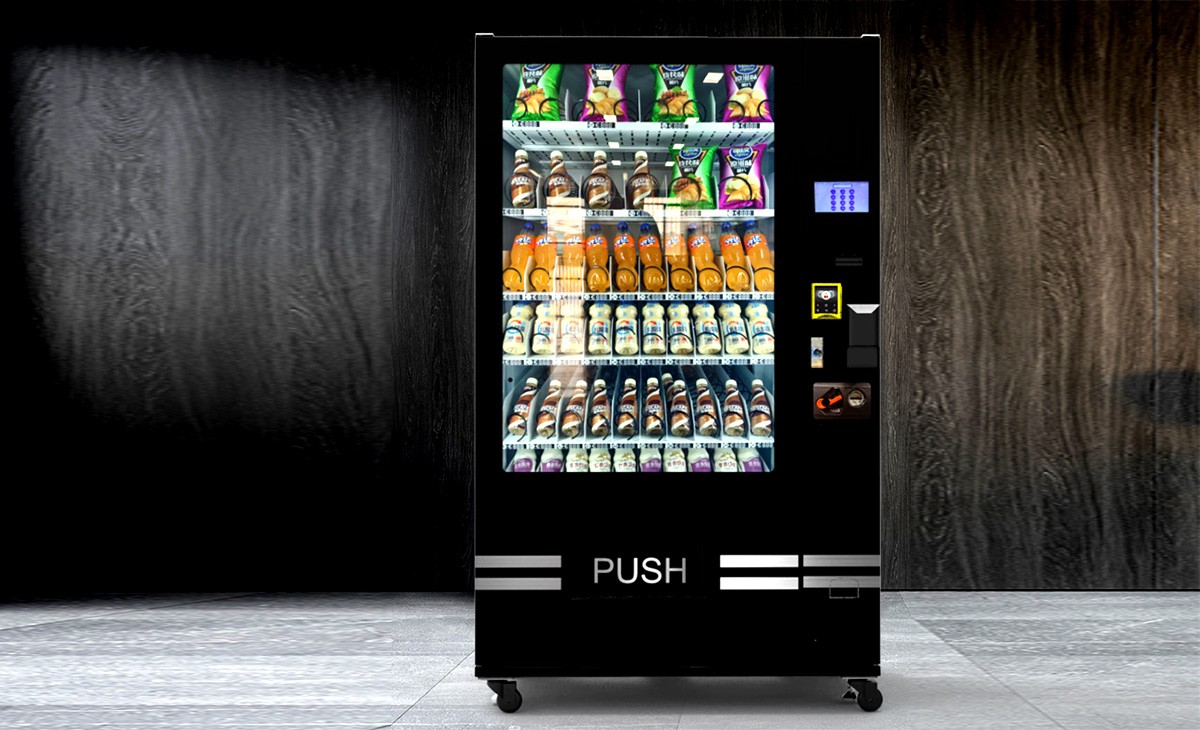
These are the most common. They hold 30 to 50 snack selections and 8 to 12 drink selections. They are versatile and work in most locations. A new combo machine from a reputable manufacturer like Zhongda Smart costs between $4,500 and $7,000. I’ve used their units in several locations, and they offer reliable cooling and easy-to-use payment systems. The key is to choose a model with a good warranty (at least two years) and remote monitoring capability.
Cold Drink Machines (Glass Front)
These are dedicated to beverages. They are cheaper, usually $3,000 to $5,000, but they only sell drinks. They work well in hot climates or near sports facilities. However, the profit per item is lower than snacks, so you need high volume.
Fresh Food and Refrigerated Machines
These machines can hold sandwiches, salads, and yogurt. They are more expensive ($8,000 to $12,000) and require stricter temperature control. I’ve placed them in hospitals and office buildings with good results, but the restocking frequency is higher—every 2 to 3 days instead of once a week. Also, food waste can eat into profits if you don’t manage expiration dates carefully.
Coffee and Hot Beverage Machines
These are popular in Europe and are gaining traction in the U.S. A good bean-to-cup machine costs $7,000 to $15,000. The profit margin on coffee is excellent—often 70% to 80% if you use a good supplier. But maintenance is more intensive. You need to clean the brew unit regularly and refill water tanks.
Specialty Machines (Ice Cream, Pizza, Electronics)
These are niche but can be very profitable in the right location. An ice cream machine might cost $8,000 to $12,000, but it needs a freezer-grade cooling system. I’ve seen these work well in tourist areas during summer, but they are seasonal in colder climates.
New vs. Used Machines: Pros and Cons
I’ve bought both new and used machines over the years. Here is my honest take.
New machines: They come with a warranty, modern payment systems, and energy-efficient cooling. The upfront cost is higher, but you spend less on vending machine repair in the first two years. If you can afford it, start with new machines from a supplier like Zhongda Smart, who offers customization options and good after-sales support.
Used machines: They are cheaper, but you inherit someone else’s problems. I bought a used machine once that looked fine but had a faulty compressor. It cost me $600 in repairs within three months. Unless you are mechanically inclined, avoid used machines that are more than 5 years old. If you do buy used, inspect the cooling system and the coin mechanism thoroughly.
Payment Systems and Technology
In 2025, if your machine only takes cash, you are losing at least 30% of potential sales. According to a 2024 study by Statista, over 60% of vending machine transactions in the U.S. are cashless. Card readers and mobile payment options (Apple Pay, Google Pay) are essential.
A good cashless system costs about $500 to $1,000 per machine, plus a monthly service fee. I recommend investing in a system that offers remote monitoring. This allows you to see inventory levels, sales data, and machine health from your phone. It saves hours of driving to check machines that are half full.
How to Choose a Supplier or Manufacturer
When you’re looking at how much does it cost to make a vending machine, the supplier matters as much as the price. I’ve dealt with several manufacturers over the years, and here are the criteria I use:
- Warranty: At least 2 years on the compressor and electronics.
- Spare parts availability: Can you order a new coil or a door hinge easily?
- Customization: Do they offer different color panels, branding, or payment system integration?
- Customer support: Is there a phone number you can call during business hours?
One manufacturer that meets these standards is Zhongda Smart. They produce a wide range of vending machines, from basic snack models to advanced coffee kiosks. I’ve used their equipment in several locations, and the build quality is solid. They also offer OEM services, which is useful if you want to brand your machines. But always do your own due diligence—ask for references and check online reviews.
Return on Investment (ROI) and Payback Period
This is the question everyone asks: how long until I get my money back? Based on my routes and industry averages, here is a realistic timeline.
If you buy a new combo machine for $6,000 (including installation and card reader), and you place it in a good location generating $1,000 in monthly sales with a 45% net profit margin, you make about $450 per month. That gives you a payback period of about 13 to 14 months.
If your machine generates only $500 per month, the payback period stretches to over two years. I’ve had machines that paid for themselves in 8 months (a busy hospital cafeteria), and others that took 18 months (a small office). The key is to avoid bad locations. I’d rather have one great location than three mediocre ones.
Factors That Speed Up ROI
- High traffic location (500+ people per day)
- Higher priced products (premium snacks, coffee)
- Low location commission (under 10%)
- Low machine repair costs (newer equipment)
- Efficient restocking (once a week)
Common Mistakes New Operators Make
I’ve made some of these mistakes myself, and I’ve watched others repeat them. Here are the most common pitfalls.
1. Buying a machine before securing a location. I’ve seen people buy a machine, then spend months looking for a spot. Meanwhile, the machine sits in their garage depreciating. Always secure a location first, or at least have a shortlist of spots.
2. Ignoring the importance of machine repair and maintenance. A broken machine is a dead asset. If you can’t fix it quickly, you lose sales and the location owner may ask you to remove it. Learn basic troubleshooting or have a reliable technician on speed dial.
3. Overstocking with trendy products. Just because a snack is popular in a supermarket doesn’t mean it will sell in your machine. I once stocked a machine with organic kale chips—they sat there for three months. Stick to proven sellers: chips, candy, soda, water, and energy drinks.
4. Not tracking sales data. If you don’t know which items sell and which don’t, you’re guessing. Use telemetry or at least a spreadsheet. I review sales every two weeks and adjust my orders accordingly.
5. Underestimating the time commitment. Restocking, cleaning, and handling machine repair can take 5 to 10 hours per week per 10 machines. It’s not a full-time job for a small route, but it’s not zero effort either.
Legal and Regulatory Considerations
In the U.S., you generally need a business license and a seller’s permit. Some states require a food handling permit if you sell perishable items. In Europe, regulations vary by country. For example, in France, you need to register with the Chamber of Commerce and comply with hygiene standards for food vending machines. According to information from Service-Public.fr, any automated retail solution that sells food must meet traceability and temperature control requirements.
You also need to consider tax. In the U.S., sales tax is usually included in the price of the item. In Europe, VAT applies, and you need to report it quarterly. I recommend consulting a local accountant who understands vending machine operations.
Scaling Your Vending Business
Once you have one machine running profitably, scaling is about replicating the formula. The biggest bottleneck is usually time and capital. You can grow by:
- Reinvesting profits into new machines
- Partnering with a location owner who wants a self-service kiosk on site
- Buying used machines in bulk from a retiring operator
- Offering a revenue-sharing model to secure premium locations
I’ve seen operators go from 1 machine to 20 machines in two years by focusing on high-traffic spots and using remote monitoring to reduce labor. But don’t rush. A poorly placed machine will drain your cash and motivation.
Frequently Asked Questions
Are vending machines profitable?
Yes, they can be profitable, but it depends on location and cost control. A well-placed machine can generate $400 to $1,500 per month in sales, with a net profit of $200 to $600 after expenses. However, many machines fail because they are in low-traffic areas or have high commission fees.
How much does a vending machine cost?
A new basic snack or drink machine costs between $3,000 and $8,000. Specialized machines like coffee or fresh food units can cost $8,000 to $15,000. Used machines are cheaper, but may require more machine repair. Including installation and card reader, budget $5,000 to $10,000 for a fully operational unit.
How long does it take to recoup the investment?
In a good location, you can recoup your investment in 12 to 18 months. In a poor location, it may take 2 to 3 years or longer. I always aim for a payback period of under 18 months.
Should I buy a new or used vending machine?
If you have the budget, buy new. New machines have warranties, modern payment systems, and lower repair costs. Used machines can be a good deal if you inspect them thoroughly and have mechanical skills, but they often come with hidden issues.
Where is the best place to put a vending machine?
Office buildings, factories, hospitals, schools, and gyms are top locations. You need a spot with at least 100 potential customers per day and limited access to other food options. Avoid locations with low foot traffic or where the owner demands a high commission.
What kind of products sell best?
Classic snacks (chips, candy, cookies), cold drinks (water, soda, energy drinks), and coffee are the most consistent sellers. Fresh food and healthy options can work in specific locations like hospitals or gyms, but they require more frequent restocking.
How do I choose a vending machine supplier?
Look for a supplier with a good warranty, available spare parts, and responsive customer support. Manufacturers like Zhongda Smart offer reliable machines and customization options. Always ask for references and check online reviews before buying.
What happens if my machine breaks down?
You need a plan for machine repair. If you are handy, you can fix many issues yourself (jammed coils, faulty coin mech). For complex problems like compressor failure, you’ll need a technician. Keep a repair fund of at least $500 per machine.
Do I need a permit to operate a vending machine?
Yes, in most places you need a business license and a seller’s permit. If you sell food, you may need a food handling permit. Check with your local city or county government. In Europe, regulations vary by country—consult a local business advisor.
How can I reduce maintenance costs?
Invest in newer machines with reliable components. Use remote monitoring to catch issues early. Clean the machine regularly to prevent jams. And stock products that don’t expire quickly to reduce waste. Also, build a relationship with a local technician who offers discounted rates for regular service.
Final Thoughts from a Decade in the Business
I’ve seen the vending industry change dramatically over the last ten years. Cashless payments, remote monitoring, and better machine designs have made it easier to run a profitable route. But the fundamentals remain the same: location is king, maintenance matters, and you need to track your numbers.
If you’re serious about starting, I recommend starting small. Buy one machine from a reputable supplier like Zhongda Smart, place it in a solid location, and learn the ropes before scaling. The question of how much does it cost to make a vending machine operational is just the beginning—the real cost is in the time and attention you invest. But if you do it right, it can be a rewarding business that generates steady income for years.
Disclaimer: The figures provided in this article are based on my personal experience as a vending machine operator and publicly available data from industry sources. Costs and revenues vary significantly based on location, product selection, and market conditions. This content is for informational purposes only and does not constitute financial or legal advice.