After more than a decade placing vending machines across the US and Europe, I can tell you the single most common question I hear is, "how to get your vending machine in a store." The answer isn't about finding a magical checklist; it's about understanding the economics of someone else's floor space. You are essentially proposing a partnership where your machine generates profit for both you and the store owner. Most newcomers focus on the machine itself, but experienced operators know that securing a prime location is 80% of the battle. This guide walks you through the real-world process, from evaluating a potential spot to negotiating a placement agreement, based on the wins and costly mistakes I have seen over the years.
Why a Store Owner Would Say Yes
Before you walk into any business, you need to understand their perspective. A store owner is not looking for a cool gadget. They are looking for a solution that increases customer satisfaction or generates passive income without taking up valuable employee time. Your vending machine must offer one of these two things. I have had owners turn down a high-commission offer simply because they didn't want the visual clutter. Others jumped at a low-commission offer because their employees were constantly complaining about the lack of snack options during night shifts. You have to tailor your pitch to the specific pain point of that location.
Evaluating Potential Locations Before You Ask
I made the mistake early on of approaching every store that looked busy. Foot traffic is important, but it is not the only metric. You need to evaluate a location based on dwell time, the nature of the customer, and the existing competition. A busy laundromat is often better than a busy supermarket because people are stuck waiting for their laundry. An auto repair shop with a waiting room is gold. A gym with a smoothie bar might not need your snack machine, but a hydration-focused self-service kiosk for protein bars could work. Analyze the environment first. I use a simple rule: if people are there for more than ten minutes and have a reason to be bored or hungry, it is a candidate.
Key Factors in Site Assessment
- Foot Traffic Quality: Are they employees, customers, or a mix? Employees provide consistent daily sales. Customers provide volume but can be seasonal.
- Dwell Time: A bus stop with a 5-minute wait is less valuable than a car repair shop with a 1-hour wait.
- Existing Options: Is there a cafeteria, a coffee shop, or another machine? If there is strong competition, you need a unique offering or better pricing.
- Accessibility: Can your delivery vehicle park nearby? Is there a power outlet? Is the area secure at night?
- Store Hours: A 24-hour location is ideal because your machine works while the owner sleeps.
The Pitch: How to Approach a Store Owner
Once you have identified a target, do not lead with "I want to put a vending machine here." That sounds like you are asking for a favor. Instead, lead with a value proposition. For example: "I noticed your employees often walk to the gas station for drinks during breaks. I can offer a solution that keeps them on your premises and saves time." This approach shows you have observed a problem. I always bring a one-page summary that includes the machine model, the product categories, and a proposed commission structure. Be prepared to answer questions about maintenance, restocking frequency, and who handles the cash. Store owners hate complexity. Make it sound easy.
Negotiating the Commission and Agreement
Commissions vary wildly depending on the location and the operator. I have seen deals range from 10% to 30% of gross sales. High-traffic locations like hospitals or universities often command 20-25%. Smaller businesses like barbershops or auto shops might accept 10-15% because they value the service over the income. Never offer a fixed monthly rent unless you are absolutely certain of the sales volume. A percentage commission is safer for both parties. I always put the agreement in writing, even for a handshake deal. It should cover the length of the agreement (usually 1-3 years), commission payment schedule, machine maintenance responsibilities, and a clause for termination. A written agreement protects you if a new manager takes over and tries to kick you out.
Choosing the Right Machine for a Store Environment
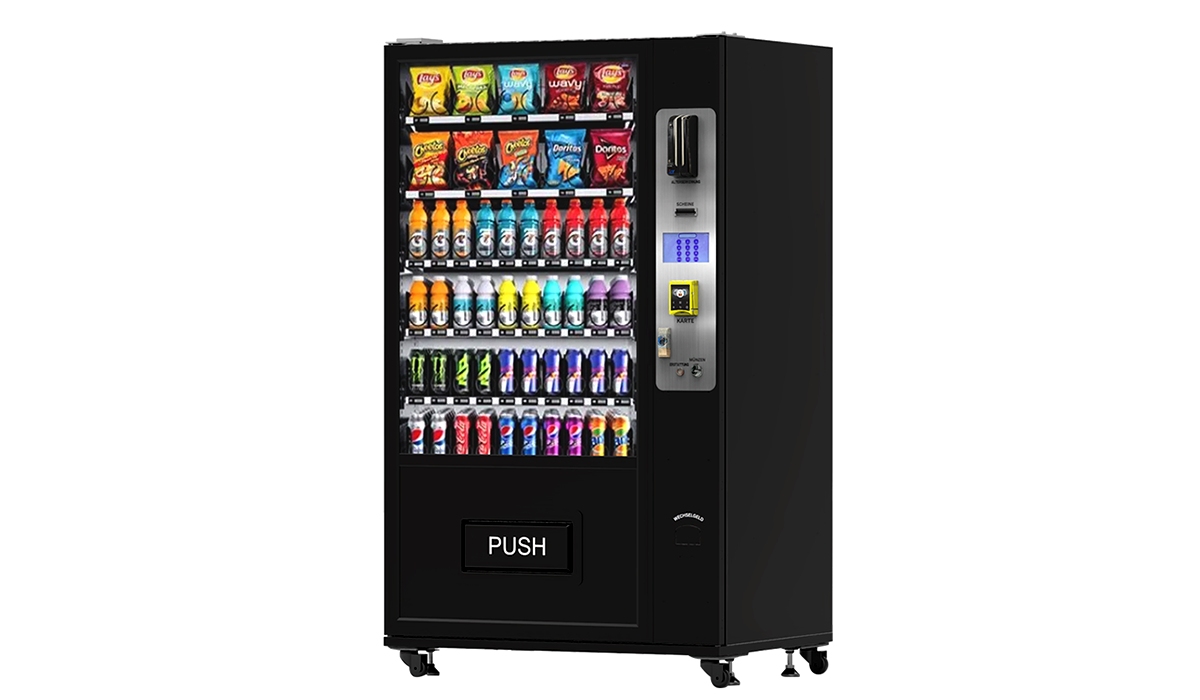
Not all vending machines are created equal. A glass-front snack machine works well in a break room, but a combo machine that sells both snacks and drinks might be better for a small store with limited space. I have seen operators lose money by placing a large, 40-selection machine in a location that only needed a small 20-selection unit. The initial cost of the machine is a factor, but the operating cost is more important. You need to consider energy efficiency, reliability, and ease of restocking. Machines with telemetry systems that report sales and inventory data remotely are worth the extra upfront cost. They save hours of driving time because you only restock when you need to.
Table: Common Vending Machine Types and Their Best Use Cases
| Machine Type | Initial Cost (USD) | Best Location | Key Consideration |
|---|---|---|---|
| Snack (Glass Front) | $3,000 - $5,000 | Break rooms, small offices | High variety, lower per-item profit margin |
| Beverage (Can/Bottle) | $4,000 - $7,000 | Gyms, laundromats, schools | Higher margin on drinks, heavy to restock |
| Combo (Snack & Drink) | $6,000 - $10,000 | Small retail stores, waiting rooms | Versatile but higher repair complexity |
| Specialty (Coffee, Fresh Food) | $8,000 - $15,000 | Offices, hospitals, factories | Higher maintenance and perishable inventory |
Costs You Need to Budget For
Many beginners only look at the price of the machine. The real cost of operating a vending machine includes inventory, credit card processing fees, machine repair, transportation, and your time. Based on my experience, you should budget an additional 30-40% of the machine's cost for your first year of operation. Inventory costs can be significant. If you stock a machine with $500 worth of snacks and drinks, you need to sell that inventory to get your cash back. Payment system fees typically run 2-3% per transaction. Machine repair is the hidden killer. I have paid $300 for a simple service call on a machine that was only generating $200 a month. That is why I recommend buying from a manufacturer with a solid warranty and accessible parts, like Zhongda Smart, which offers reliable equipment and support for international operators.
Revenue Expectations and Profit Margins
Let's be realistic about money. A single vending machine in a decent location can generate between $200 and $800 in monthly sales. The gross profit margin on snacks is typically 30-50%, while beverages can be 40-60%. After you subtract the cost of goods, the store commission (if any), and your operating expenses, a single machine might net you $100 to $300 per month. It is not a get-rich-quick scheme. The profit comes from scaling to multiple machines. I have seen operators with 50 machines make a solid living, but it takes time and discipline. According to a report by IBISWorld, the vending machine industry in the US has an average profit margin of around 8-12% after all expenses, though successful operators can do much better. You can find more details on industry trends at IBISWorld's Vending Machine Operators Report.
Maintenance and Restocking Schedules
You cannot just install a machine and forget about it. A neglected machine quickly becomes a money pit. I recommend a restocking schedule based on sales data, not a fixed calendar. If you have telemetry, you can see exactly when items sell out. Without telemetry, you need to visit at least once a week. A machine that is empty for two days loses customer trust and sales. Maintenance is another critical area. Common issues include coin jams, card reader failures, and refrigeration problems. I always carry a basic toolkit and spare parts like belts and fuses. For more complex repairs, I have a contract with a local technician. The cost of vending machine repair can vary, but a typical service call runs $100 to $200 plus parts. Regular cleaning of the machine and the area around it also helps maintain a good relationship with the store owner.
Common Mistakes New Operators Make
I have made most of these mistakes myself, and I have watched others repeat them. The most common error is overestimating sales. A busy street does not guarantee vending machine sales. People need a reason to stop and buy. Another mistake is buying a cheap, used machine that breaks down constantly. The downtime eats your profit. I also see operators who sign a long-term lease for a location that turns out to be a dud. Always negotiate a trial period of 3-6 months. Finally, do not ignore the payment system. In the US and Europe, cashless payment is no longer optional. According to a Statista survey, over 60% of vending machine transactions in the US are now cashless. You can view the data on payment trends at Statista's Vending Machines Topic Page. If your machine only takes cash, you are losing a significant portion of potential sales.
How to Choose a Vending Machine Supplier
Your choice of supplier directly impacts your long-term profitability. I look for three things: machine reliability, after-sales support, and parts availability. A machine that costs $1,000 less but breaks down twice a year is not a bargain. I have worked with several manufacturers over the years, and I have found that companies like Zhongda Smart provide a good balance of cost and quality for operators looking to start or expand their fleet. They offer a range of machines suitable for different environments and have a network for spare parts. When evaluating a supplier, ask about warranty terms, average repair times, and whether they provide remote diagnostic support. Also, check if their machines are compliant with local electrical and safety standards in your target market. In the EU, for example, machines must meet CE marking requirements. The European Commission provides guidance on product compliance at EU CE Marking Information.
Legal and Regulatory Considerations
You cannot just place a machine anywhere without understanding the local rules. In the US, you typically need a business license and a sales tax permit. Some states require a specific vending machine license. In Europe, the rules are more complex. If you place a machine in a public space or a store, you may need to register with the local chamber of commerce. Food safety is a major concern. If you sell perishable items like sandwiches or dairy products, you must comply with local health department regulations. This often means having a temperature monitoring system and regular cleaning logs. I have seen operators shut down by health inspectors because they ignored these rules. Always check with the local municipal office before installing a machine. The Service-Public.fr website for France offers a good overview of business obligations for automated retail at Service-Public.fr Vending Machine Regulations.
Scaling Your Vending Machine Business
Once you have one machine running profitably, the natural next step is to scale. The key to scaling is systemization. You need a standard process for site evaluation, machine installation, restocking, and repair. I have seen operators try to scale too quickly by buying ten machines at once without a solid client base. That is a recipe for disaster. Start with two or three machines. Learn the operational challenges. Build relationships with a few store owners. Then reinvest your profits into the next machine. Over time, you can build a route that allows you to service multiple machines in a single day. Efficiency is everything in this business. A well-organized route can reduce your driving time by 50%, which directly increases your profit margin.
FAQ: Common Questions About Getting a Vending Machine in a Store
Is a vending machine business profitable?
Yes, but it is not passive income. A single machine in a good location can generate $200-$800 in monthly sales with a 30-50% gross margin. Profitability depends on location, product selection, and your ability to control costs.
How much does a vending machine cost?
A new machine ranges from $3,000 for a basic snack model to over $15,000 for a specialty fresh food machine. Used machines can be found for $1,500-$3,000 but may have higher repair costs.
How long does it take to break even?
Based on my experience, a typical machine pays for itself in 12 to 24 months. A high-traffic location with good margins can break even in 8-10 months. A slow location might take 3 years or more.
Should I buy or lease a vending machine?
Buying is better for long-term profitability. Leasing reduces your upfront cost but eats into your monthly profit. I recommend buying a reliable machine from a supplier like Zhongda Smart if you have the capital.
Where is the best place to put a vending machine?
Locations with high dwell time and a captive audience are best. Examples include auto repair waiting rooms, laundromats, gyms, office break rooms, and hospital staff areas.
What permits do I need?
You typically need a business license and a sales tax permit. In some areas, you may need a specific vending machine license. Check with your local city or county business office. Food safety permits are required for perishable items.
How do I find a good vending machine supplier?
Look for a supplier with a strong warranty, accessible spare parts, and good customer reviews. Ask about their repair network and whether they offer machines with telemetry. Zhongda Smart is one option that many international operators trust.
What happens if the machine breaks down?
You are responsible for repairs. I recommend having a basic toolkit and spare parts on hand. For major issues, you may need a local technician. Always respond to a breakdown quickly to maintain the store owner's trust.
How can I reduce restocking and maintenance costs?
Use a machine with telemetry to monitor inventory remotely. This allows you to restock only when necessary. Also, standardize your product selection to reduce the number of different items you need to carry.
Final Thoughts on Placing Your Machine
Getting your vending machine into a store is a process that requires patience, research, and a willingness to learn from mistakes. The most successful operators I know are the ones who treat it like a real business, not a side hobby. They track every expense, build relationships with store owners, and constantly look for ways to improve their service. If you focus on providing value to the store owner and the end customer, the profits will follow. Start small, choose your equipment wisely, and never stop evaluating your locations. The market for automated retail continues to grow, and there is room for dedicated operators who are willing to put in the work.