After a decade in the automated retail space, I can tell you the single biggest mistake new operators make: they fall in love with the machine before they understand the location. I have seen hundreds of people sink their savings into a shiny vending machine, only to watch it gather dust in a low-traffic office lobby. The truth is, your success depends far more on where you place the unit and what you stock than on the equipment itself. If you are serious about starting a vending machine business, you must treat it like a mini-retail operation, not a passive income hack. Every decision—from the payment system to the product mix—directly affects your bottom line. This article walks through the common pitfalls I have witnessed and how to avoid them, based on real operational experience in the U.S. and European markets.
Mistake #1: Choosing a Location Before Understanding Traffic Patterns
The most common question I get from newcomers is, "Where should I put my first machine?" My answer is always the same: do not ask where to put it until you understand how many people actually pass through that space and what they might buy. I once placed a machine in a busy warehouse with 200 employees, assuming it would do well. It did not. The reason was simple: the workers had a cafeteria with subsidized prices. My machine was convenient but not competitive.
You need to count foot traffic at different times of the day. A location that gets 500 people per day but only during a 30-minute lunch rush is very different from one with steady flow from 7 a.m. to 6 p.m. Also, consider the type of traffic. A gym attracts health-conscious buyers. A car repair shop attracts people waiting for an hour with nothing to do. A university dormitory attracts students looking for late-night snacks. Each requires a different product strategy.
I recommend spending at least three days observing a potential location before signing anything. Talk to the property manager, business owner, or facility manager. Ask about shift changes, break schedules, and whether there are existing food options. If the location already has a vending machine, ask how often it is serviced and what brands it carries. That information is gold. Do not rely on gut feeling. Use data.
Mistake #2: Buying the Cheapest Machine Available
I understand the appeal of a low upfront cost. A used machine on a marketplace might cost $1,500, while a new unit from a reputable manufacturer runs $4,000 to $8,000. But here is what I have learned the hard way: cheap machines break more often, have limited payment options, and cost more in vending machine repair over two years than you saved on the purchase price. I have seen operators abandon machines because replacement parts were no longer available.
When you buy a machine, you are not just buying hardware. You are buying into an ecosystem. Can you get spare parts easily? Does the manufacturer support modern payment systems like NFC, Apple Pay, and Google Wallet? Is the software interface intuitive for remote monitoring? These questions matter more than the initial price tag. A reliable machine with a good telemetry system can save you hundreds of hours in unnecessary trips.
If you are sourcing from a supplier, look for one that has been in business for at least five years and has a service network in your region. For example, Zhongda Smart manufactures a range of machines that are popular in both European and North American markets because they support multiple payment protocols and have modular designs that simplify maintenance. I have seen their units in commercial buildings and schools, and operators generally report fewer breakdowns compared to budget brands.
Mistake #3: Ignoring Payment System Compatibility
In 2025, cash-only vending machines are a liability. I have watched operators lose 30% or more of their potential revenue because their machines only accept coins and bills. Younger consumers simply do not carry cash. If your machine does not accept credit cards, mobile wallets, or contactless payments, you are excluding a significant portion of your audience.
Different markets have different payment preferences. In the United States, credit card penetration is extremely high, and NFC payments are becoming the norm. In parts of Europe, like Germany and the Netherlands, contactless debit cards and mobile payments dominate. A machine that only accepts cash will struggle in these environments. When evaluating a machine, verify that the payment terminal supports EMV chip cards and NFC. Some older machines require a retrofit, which can cost $300 to $600 per unit.
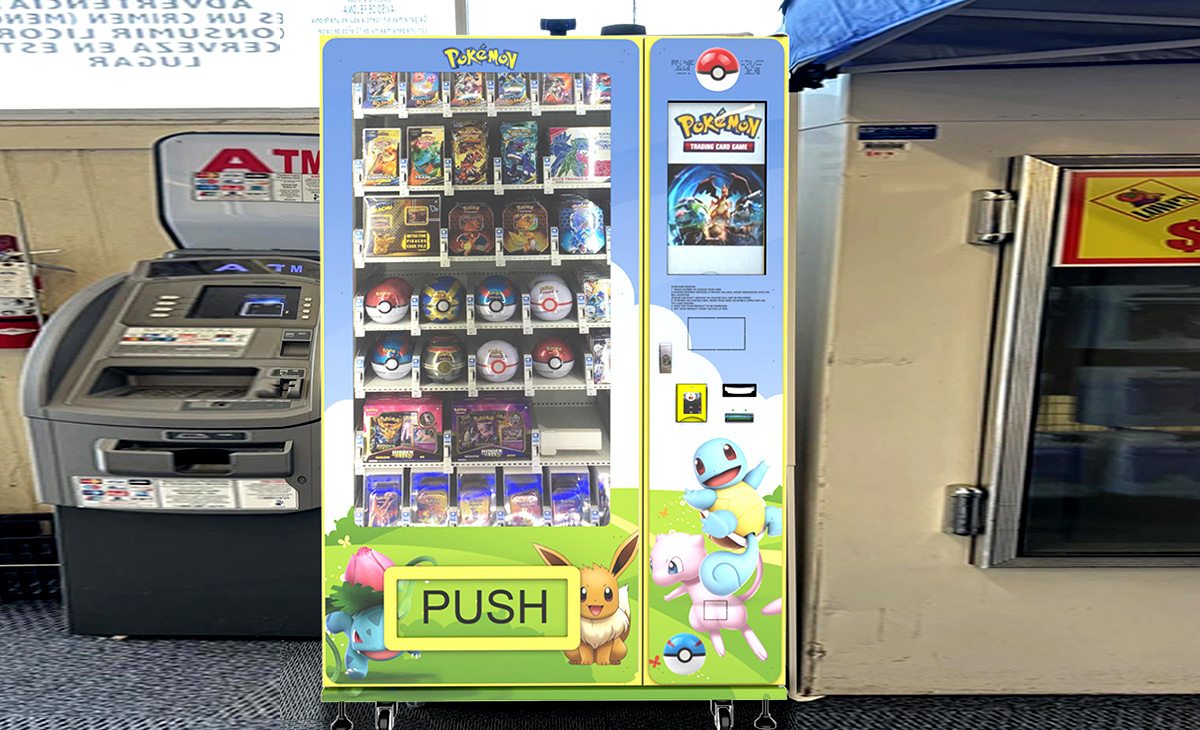
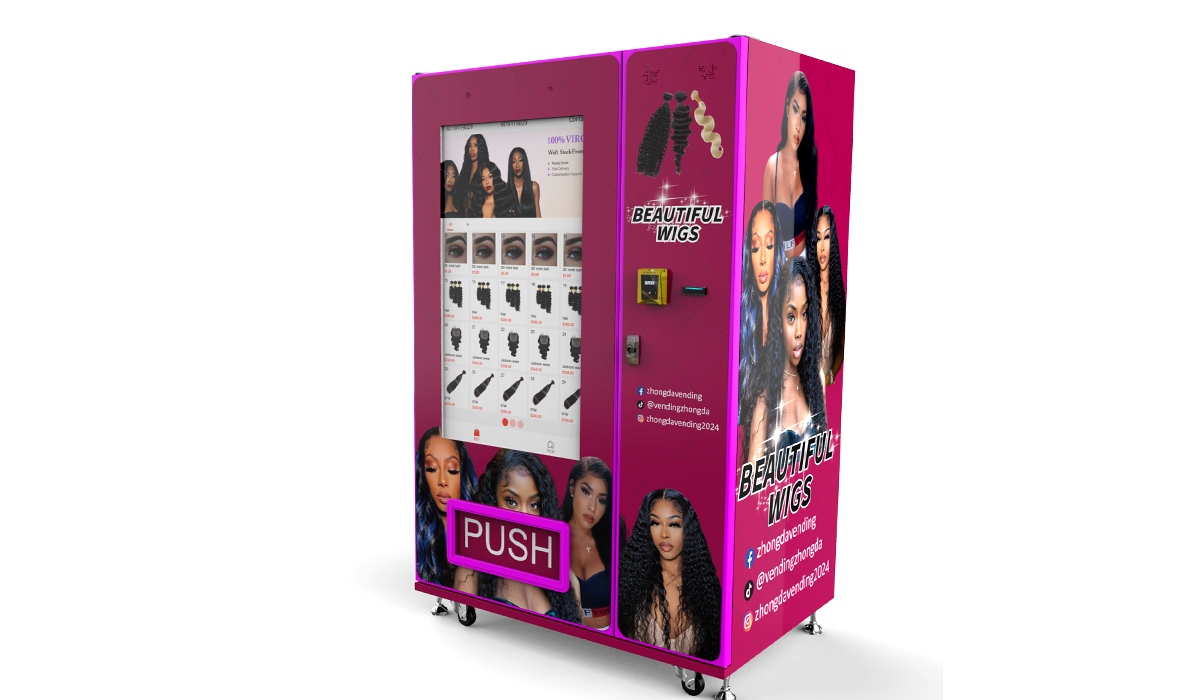
Also, consider the transaction speed. A slow payment terminal creates a bottleneck, especially during peak hours. If a customer has to wait ten seconds for the payment to process, they might leave. I have replaced payment terminals on several machines just to improve the user experience, and the revenue increase paid for the upgrade within three months.
Mistake #4: Overlooking Maintenance and Restocking Costs
Many beginners assume that once the machine is placed, the work is done. That is far from reality. A vending machine business requires consistent maintenance and restocking. I typically budget 1 to 2 hours per week per machine for cleaning, restocking, and minor repairs. If you have ten machines, that is ten to twenty hours of labor per week. If you are doing it yourself, your time has value. If you hire someone, that cost eats into your margin.
Restocking frequency depends on the location and product type. High-traffic locations may need restocking twice a week. Low-traffic spots might go ten days. The key is to avoid empty slots. A machine that looks half-empty signals neglect, and customers stop using it. I use remote monitoring software to track inventory levels and sales velocity. That way, I only visit when necessary, not on a fixed schedule.
Maintenance costs also vary. A typical vending machine repair for a jammed coil or a faulty cooling system can run $100 to $300, depending on the technician's rate. I recommend setting aside 10% of your monthly revenue for maintenance and unexpected repairs. It is not a glamorous number, but it keeps your business running. I have seen operators ignore small issues until the machine breaks down completely, losing weeks of revenue.
Mistake #5: Choosing the Wrong Product Mix
Product selection is not about what you like. It is about what sells in that specific location. I once stocked a machine in a dentist office with chocolate bars and chips. It did okay, but not great. When I switched to sugar-free gum, mints, and bottled water, sales tripled. The customers were patients who had just had their teeth cleaned. They did not want sticky candy. They wanted something neutral.
You need to test and iterate. Start with a broad mix of bestsellers: water, sports drinks, energy drinks, chips, chocolate, granola bars, and crackers. Then track what sells and what does not. After two months, remove the slow movers and replace them with variations of the fast sellers. If you sell ten bottles of water for every one bottle of juice, double the water slots. It sounds obvious, but many operators keep underperforming items because they bought them in bulk and want to use them up.
Pricing also matters. I typically mark up products 25% to 50% over wholesale cost, depending on the location. In a hospital, people expect a slight premium. In a school, you need to be competitive with the cafeteria. Check local regulations. Some states and countries limit what you can sell in vending machines, especially in schools and public buildings. For example, France has strict rules on sugary drinks in school vending machines, as outlined by the French Ministry of Health.
Mistake #6: Not Understanding the Local Regulatory Landscape
Every city, state, and country has its own rules about vending machines. Some require permits. Some require health inspections if you sell perishable food. Some have taxes specific to automated retail. I have seen operators get fined because they did not register their machine with the local health department. In New York City, for example, vending machines that sell food must comply with the city's food safety regulations, which include temperature logging and regular cleaning schedules.
In Europe, the rules can be even more complex. The EU has strict food safety regulations that apply to vending machines, including requirements for traceability and allergen labeling. If you sell packaged food, you need to ensure that all products have clear ingredient lists and expiration dates. I recommend checking with the local chamber of commerce or a business attorney before placing your first machine. The cost of non-compliance can be much higher than the cost of getting proper permits upfront.
Another often overlooked aspect is waste disposal. Some municipalities require vending machine operators to have a waste management plan, especially if you sell beverages in plastic bottles. In Germany, for instance, the packaging law requires businesses to register with a central agency and pay fees based on the volume of packaging they put into the market. Ignoring these requirements can lead to fines and legal trouble.
Mistake #7: Scaling Too Quickly
I have seen operators buy five or ten machines at once, thinking they would build a network overnight. Almost always, they end up with several machines in mediocre locations that barely break even. The smarter approach is to start with one machine, prove the concept, and then expand. One profitable machine is better than five machines that each lose money.
Scaling too quickly also strains your cash flow. Each machine requires inventory, maintenance, and potentially a vehicle to service it. If you have ten machines but only enough capital to restock five, the other five will sit empty and lose customer trust. Build your business methodically. Focus on learning the operational rhythm first. Once you have a system that works, replicate it.
I recommend a minimum of three months of data from your first machine before buying a second. That gives you enough time to understand the sales cycle, the maintenance needs, and the true cost of operation. Use that data to refine your approach. You will make mistakes with the first machine, but they will be small and manageable. Scaling up multiplies both success and failure.
Real Revenue and Cost Benchmarks
Based on my experience and industry data, here are some realistic numbers. A well-placed vending machine in a commercial office building with 300 employees can generate between $400 and $800 in monthly revenue. In a high-traffic retail location, that number can go up to $1,200. But these are gross figures. After cost of goods sold (typically 40% to 50% of revenue), location commission (5% to 15%), and maintenance, your net profit might be $150 to $400 per machine per month. According to a 2023 report by IBISWorld, the average profit margin for vending machine operators in the U.S. is around 12% to 15% after all expenses.
The initial investment for a new machine ranges from $3,000 to $9,000, depending on features. Used machines can be found for $1,500 to $3,000, but they often require upgrades. A typical vending machine repair or component replacement can cost $100 to $400. The payback period for a new machine in a good location is usually 12 to 18 months. In a great location, it can be as short as 9 months. In a poor location, you may never recoup your investment.
Here is a simple comparison table based on typical scenarios I have encountered:
| Scenario | Machine Cost | Monthly Revenue (Est.) | Monthly Net Profit | Payback Period |
|---|---|---|---|---|
| New machine, office location | $6,000 | $600 | $200 | 30 months |
| Used machine, high-traffic gym | $2,500 | $900 | $350 | 7 months |
| New combo machine, school | $8,000 | $500 | $150 | 53 months |
| Used machine, hospital break room | $2,000 | $700 | $280 | 7 months |
These numbers are estimates based on my operational experience and should not be taken as guarantees. Actual results vary significantly based on location, product pricing, and local economic conditions.
How to Evaluate a Machine Before Buying
Before you commit to any equipment, ask yourself these questions. First, what is the total cost of ownership? Include the purchase price, installation, payment system setup, and any required permits. Second, can you get spare parts locally or from the manufacturer within 48 hours? Third, does the machine have remote monitoring capability? If not, you will spend more time on site checking inventory. Fourth, is the machine energy efficient? Older machines can consume $50 to $100 per month in electricity, which directly reduces your profit.
If you are considering a supplier, look for one that offers a warranty of at least one year and has a responsive support team. Zhongda Smart, for example, provides a two-year warranty on their machines and offers remote diagnostics, which can reduce the need for on-site vending machine repair. I have found that manufacturers with a strong service network are worth paying a premium for, because downtime is expensive.
Also, consider the machine's footprint. A large machine might not fit through a standard door or elevator. I have seen operators buy machines that could not be delivered to the intended location because of size constraints. Measure the delivery path before you buy. It sounds basic, but it happens more often than you think.
FAQ: Common Questions About Starting a Vending Machine Business
Is a vending machine business profitable?
It can be, but it is not a get-rich-quick scheme. Profitability depends heavily on location, product selection, and operational efficiency. In my experience, a single machine in a good location can net $150 to $400 per month after all costs. Multiple machines in good locations can scale that income, but each machine requires ongoing work.
How much does a vending machine cost?
New machines range from $3,000 to $9,000. Used machines can be found for $1,500 to $3,000, but may need upgrades. Combo machines that sell both snacks and drinks cost more. Payment system upgrades add $300 to $600.
How long does it take to break even?
In a good location, 12 to 18 months is typical. In a high-traffic location, it can be as short as 7 to 9 months. In a poor location, you may never break even. I always recommend calculating your payback period before buying.
Should I buy or lease a vending machine?
Buying is better long-term if you have capital and plan to operate for more than two years. Leasing can reduce upfront costs but usually results in higher total cost over time. Some suppliers offer rent-to-own options, which can be a middle ground for beginners.
Where should I place my first machine?
Look for locations with steady foot traffic and a captive audience. Offices, hospitals, schools, gyms, and manufacturing facilities are common starting points. Avoid locations where people have easy access to cheaper alternatives, like a supermarket next door.
What permits do I need?
Requirements vary by city and state. You may need a business license, a vending permit, a food handling permit if selling perishable items, and a sales tax registration. Check with your local government before placing any machine. In the EU, you may also need to comply with the General Food Law Regulation.
How do I choose a supplier?
Look for a supplier with a proven track record, good warranty terms, and available spare parts. Ask about payment system compatibility and remote monitoring. Zhongda Smart is one manufacturer that meets these criteria, but always compare multiple options before deciding. Read reviews from other operators, not just the supplier's website.
What if my machine breaks down?
Have a plan for vending machine repair before you need it. Either learn basic troubleshooting yourself or have a technician on call. Keep a list of common spare parts like coils, motors, and payment terminals. A machine that is down for two weeks can lose a month's worth of profit.
How can I reduce maintenance costs?
Invest in a machine with a good track record for reliability. Use remote monitoring to catch issues early. Clean the machine regularly to prevent jams. Buy spare parts in bulk if you have multiple machines. Preventive maintenance is cheaper than emergency repairs.
Can I run this business part-time?
Yes, but only if you have a small number of machines in convenient locations. Once you have more than five machines, it becomes a part-time job that requires regular attention. Many operators start part-time and transition to full-time as their network grows.
Final Thoughts
Starting a vending machine business is not complicated, but it is also not as simple as buying a machine and watching money roll in. The operators who succeed are the ones who treat it like a real business. They research locations, track their numbers, maintain their equipment, and adapt their product mix based on sales data. They avoid the common mistakes of buying cheap equipment, ignoring payment trends, and scaling too fast. If you go into this with realistic expectations and a willingness to learn, you can build a steady, profitable operation. Just remember: the machine is only a tool. Your decisions around placement, products, and maintenance are what make it work.
This article was updated in May 2025. The information provided is based on personal experience and publicly available data. It does not constitute financial or legal advice. Always consult with a local professional before making business decisions.