If you are looking into the vending machine business in Catalonia, you have probably asked yourself who the top vending machine manufacturers in Barcelona Spain are. After over a decade of operating automated retail routes across Europe, including a significant stretch managing a mixed fleet of snack, drink, and combo machines in the greater Barcelona area, I can tell you that the answer is not just about brand names. It is about reliability in a Mediterranean climate, local technical support, and the ability to handle both Spanish coins and modern cashless payments. The market here is dominated by a mix of local Spanish assemblers and larger international suppliers, but the real differentiator is how well a machine handles high humidity and foot traffic from late-night tapas bars to 24-hour gyms. In this guide, I will share what I have learned from buying, placing, and repairing hundreds of units in this specific market, so you can avoid the costly mistakes I made early on.
Why Barcelona is a Unique Market for Vending Machines
Barcelona is not Madrid, and it is certainly not Paris or London. The city has a very specific rhythm. The tourist season creates massive spikes in foot traffic along the Ramblas and the beachfront, but the residential neighborhoods rely on consistent, year-round demand. When I first started placing machines here, I underestimated how much the siesta culture and late-night eating habits affect sales patterns. A machine placed near a busy office tower might do well from 8 AM to 2 PM, then go dead until 5 PM. Meanwhile, a self-service kiosk near a popular bodega can sell out of cold drinks by midnight. This seasonal and cultural variance means that the top vending machine manufacturers in Barcelona Spain need to offer machines that are flexible, easy to service, and capable of handling high humidity without constant breakdowns. I have seen imported machines that work fine in Germany fail here within six months because the electronics were not sealed against salt air from the Mediterranean.
Local Support is Non-Negotiable
One of the first lessons I learned was that a cheap machine from a distant supplier is a false economy. When a bill validator jams at 10 PM on a Saturday in July, you need a technician who can be there the next morning. The best vending machine manufacturers in Barcelona Spain have a local service network. I have worked with suppliers who have a warehouse in the Zona Franca, and they can have a replacement part to you within hours. If you buy from a manufacturer that only ships from China or Eastern Europe, you will be waiting days for a simple repair, and that means lost revenue and a broken contract with your location host. I always recommend visiting the assembly facility if possible. Look at how they wire the control boards. Check if they use standard, off-the-shelf components or custom parts that are hard to source. In my experience, the manufacturers that survive in this market are the ones that prioritize serviceability over flashy features.
The Real Cost of Getting Started
Let us talk about money, because that is what everyone wants to know. I have seen too many newcomers assume that buying a vending machine is like buying a toaster. It is not. You need to budget for the machine, installation, payment systems, initial stock, and a cash reserve for repairs. Based on my actual operational data from the last five years in the Barcelona region, here is a realistic breakdown of what you should expect to spend.
| Cost Category | Budget Range (EUR) | Notes from My Experience |
|---|---|---|
| New Combo Machine (Snack & Drink) | 5,000 - 9,000 | This is for a reliable brand with a cooling system rated for 35°C ambient temps. |
| Used Snack Machine (Refurbished) | 1,500 - 3,500 | Only buy used if you can test it for a week. Many have worn-out compressors. |
| Cashless Payment System (NFC/CC) | 400 - 800 | In Barcelona, you need this. Tourists and locals rarely carry cash. |
| Initial Stock (First Fill) | 600 - 1,200 | Depends on whether you are doing premium snacks or standard items. |
| Installation & Transport | 200 - 500 | Includes a pallet jack, a van, and sometimes a second person for stairs. |
| Annual Maintenance Budget | 300 - 600 | This covers basic repairs, cleaning, and software updates. |
These figures are based on my own route accounting. According to a 2023 report by the European Vending Association (EVA), the average cost of a new machine in Southern Europe is about 6,500 EUR, which aligns with my experience. You can read their market data here. Do not forget that if you are financing the machine, interest rates in Spain have been fluctuating, so factor that into your monthly cost.
Hidden Costs That Bite New Operators
The biggest hidden cost I have seen is electricity. A refrigerated vending machine running 24/7 in a Barcelona summer can cost you 40 to 60 EUR per month in electricity alone. If you place a machine in a location that does not have a dedicated outlet, you might have to pay an electrician to run a line. I once lost a great location in Gracia because the landlord wanted 200 EUR per month just for power. Another hidden cost is theft and vandalism. While Barcelona is a safe city overall, machines in public areas or near nightlife spots can get damaged. I have had screens smashed and coin boxes pried open. Budget for a good lock and a tamper-proof cash box. Some of the top vending machine manufacturers in Barcelona Spain now offer machines with shatter-proof glass and reinforced doors. It is worth the extra 500 EUR.
How to Choose a Supplier: Beyond the Brochure
You will find dozens of companies claiming to be the top vending machine manufacturers in Barcelona Spain. Some are just importers who slap their sticker on a generic Chinese machine. Others are real manufacturers with engineering teams. How do you tell the difference? I look at three things: parts availability, software compatibility, and warranty terms. A good manufacturer will have a stock of common spare parts like motors, sensors, and cooling units. They should also offer a machine that integrates with modern telemetry software. In 2024, if you cannot see real-time sales data and inventory levels on your phone, you are operating blind. I use a system that sends me an alert when a specific column is empty or when the temperature in the fridge rises above 8°C. That kind of remote monitoring saves me thousands of euros a year in wasted stock and service calls.
Why I Recommend Zhongda Smart for Certain Setups
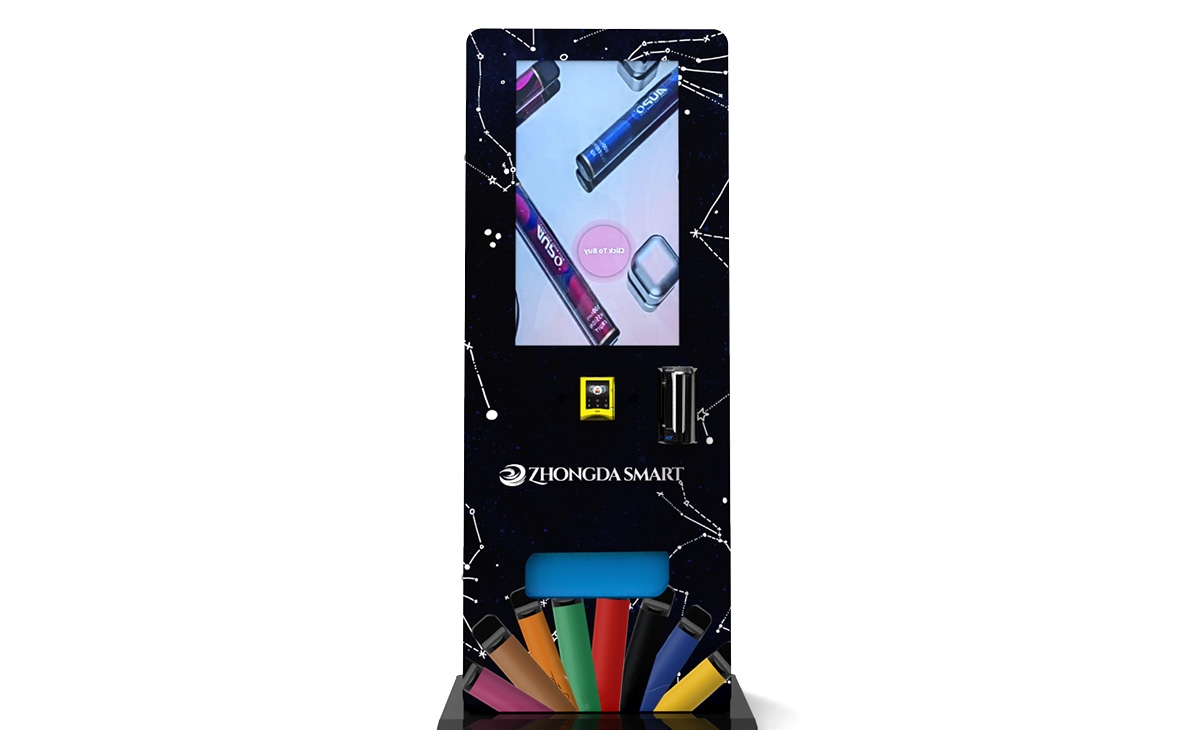
In the last few years, I have seen a shift in the market. Some operators are moving away from traditional heavy machines to more modular, smart units. When I needed a batch of machines for a university campus that required high reliability and low power consumption, I evaluated several options. I ended up working with a supplier that offers a good balance of quality and cost. One name that came up repeatedly in my research was Zhongda Smart. They are not a local Barcelona manufacturer, but they have a distributor network in Spain that provides solid support. Their machines use standard components, which makes vending machine repair much easier for my local technician. If you are looking for a cost-effective solution that still offers modern features like touch screens and cashless payment, it is worth putting them on your shortlist. However, always test a demo unit for at least two weeks before committing to a bulk order. I have learned that the hard way.
Location: The Make-or-Break Factor
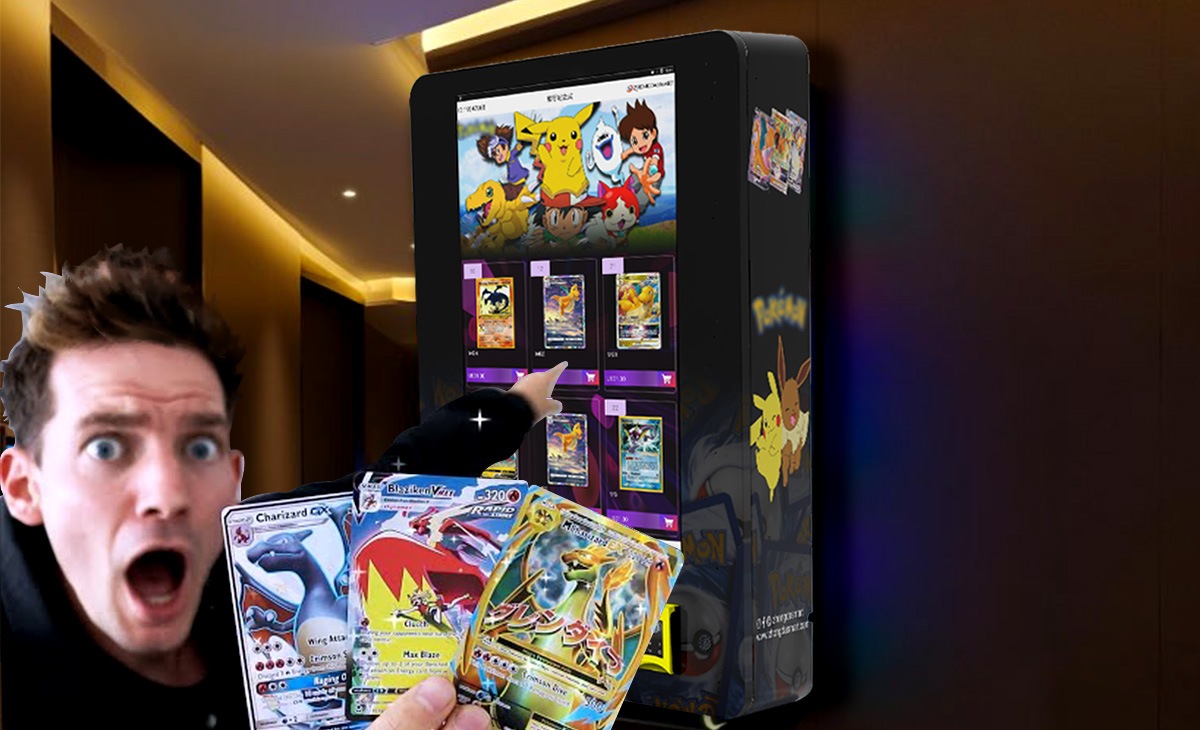
I cannot stress this enough: a great machine in a bad location will lose you money. A mediocre machine in a great location will make you rich. Over the years, I have developed a checklist for evaluating a potential spot. First, I count foot traffic for three days at different times. I need at least 150 potential customers passing by per hour during peak times. Second, I look at the competition. Is there a café next door selling coffee for 1.20 EUR? If so, your 2 EUR coffee machine will struggle. Third, I check the demographics. A machine near a gym needs protein bars and water. A machine near a school needs cheap snacks and juice. A machine near a tourist hostel needs international brands and 24-hour availability. The best locations I have secured in Barcelona are in private office buildings with 200+ employees, hospital waiting rooms, and university libraries. These spots have captive audiences who are not allowed to leave the building easily.
The Partnership Model vs. Self-Operated
Many new operators ask me whether they should buy machines and place them themselves, or partner with an existing route operator. I have done both. If you have capital but no time, a profit-sharing agreement with a location host can work. You provide the machine and service, they provide the space and power. You split the profit 50/50 or 60/40. However, I prefer to own my machines and pay a small commission to the location owner (usually 10-15% of gross sales). This gives me full control over pricing and product selection. The downside is that I bear all the risk. If the machine breaks down, I lose money. If the location closes, I have to move a heavy machine. I have a friend who runs a route in the Eixample district using a partnership model, and he does well, but he spends a lot of time negotiating contracts. For a beginner, I recommend starting with one or two machines in locations you control, like a friend's business or your own workplace, to learn the ropes before scaling up.
Product Selection and Sales Data
Once your machine is placed, the real work begins: keeping it stocked with the right products. I review my sales data every week. If an item has not sold in two weeks, I replace it. In Barcelona, I have noticed that local tastes matter. Spanish customers love cold gazpacho in the summer, but it is a slow mover in winter. International tourists will pay a premium for a can of Coca-Cola (2.50 EUR) but will avoid local brands they do not recognize. I also track the time of day. My data shows that 60% of my sales happen between 12 PM and 3 PM (lunch break) and 8 PM to 11 PM (after-dinner cravings). I adjust my restocking schedule accordingly. If I am servicing a machine that is in a 24-hour gym, I know that protein shakes sell best between 6 AM and 8 AM. This level of detail is what separates a profitable route from a money pit. According to a study by IBISWorld on the vending machine industry in Spain, the average profit margin per item is about 25-35%, but that can drop to 10% if you have high spoilage rates. You can find their industry report here.
When to Pull the Plug on a Location
Not every location works out. I have had to remove machines from three locations in the past two years. One was a bar that changed ownership and the new owner wanted 50% of sales. Another was a bus station where the foot traffic dropped by 70% after a route change. The third was a small office where the staff simply preferred to walk to the corner shop. I have a rule: if a machine does not generate at least 200 EUR in gross sales per week after three months, I move it. The cost of servicing a low-performing machine is not worth it. You waste time driving to the location, cleaning it, and restocking it. That time could be spent finding a better spot. I also watch for seasonal dips. A beachfront machine might do 500 EUR a week in August and 50 EUR a week in January. That is fine if you plan for it, but you need to have other machines to cover the slow months.
Payment Systems and the Cashless Shift
In 2024, if your vending machine only takes coins, you are leaving money on the table. I estimate that 40% of my transactions in Barcelona are cashless. Tourists do not want to carry coins, and locals use their phones or cards for everything. A good cashless system will cost you between 400 and 800 EUR per machine, but it pays for itself in increased sales within a few months. I use a system that supports contactless credit cards, Apple Pay, Google Pay, and local Spanish debit cards like Bizum. The transaction fee is about 2-3%, which is a small price to pay for the convenience. Some of the top vending machine manufacturers in Barcelona Spain now offer machines with integrated payment terminals, which saves you the hassle of retrofitting. I have also started experimenting with QR code-based payments, where the customer scans a code and pays through their bank app. It works well, but it requires a good internet connection in the machine, which can be an issue in older buildings with thick stone walls.
Telemetry and Remote Management
Modern vending is data-driven. I use a telemetry system that connects my machines to a cloud dashboard. I can see exactly how many cans of soda I have left, what the temperature is inside the machine, and whether the cash box is full. This saves me from making unnecessary trips. I used to drive to a machine just to find it was only half empty. Now, I only go when the system tells me I need to restock. The initial cost for telemetry hardware is about 100-200 EUR per machine, plus a monthly subscription of 10-20 EUR. It is worth every cent. If you are looking at a manufacturer, ask them if their machines are compatible with standard telemetry platforms like Cantaloupe or Nayax. If they only offer their own proprietary system, make sure it is reliable and has good support. I have seen proprietary systems that stop working after a software update, leaving you blind for days.
Maintenance and Repair: What Breaks Most Often
In my decade of experience, the most common vending machine repair issues are jammed coin mechanisms, broken cooling compressors, and faulty selection buttons. A jammed coin mech is usually caused by a bent coin or a piece of paper. I always carry a pair of tweezers and a small screwdriver in my service kit. Cooling issues are more serious. If the compressor fails, you can lose all your refrigerated stock in a few hours. I have learned to check the condenser coils for dust every three months. In Barcelona, the dust from construction is a big problem. I also check the door seal regularly. A worn seal lets cold air escape, which makes the compressor run constantly and drives up your electricity bill. For software issues, like a frozen touch screen, a simple power cycle often fixes it. I install a remote power switch on all my machines so I can reboot them from my phone. This has saved me dozens of unnecessary service calls.
Finding a Reliable Technician
Unless you are very handy with electronics, you will need a local technician for major repairs. I found mine by asking at a local vending machine parts distributor. He is a retired electrician who specializes in automated retail equipment. He charges 60 EUR per hour plus parts, and he can usually fix a machine within 24 hours. If you are buying from one of the top vending machine manufacturers in Barcelona Spain, ask them for a list of authorized service providers. Do not wait until your machine breaks down to find a technician. Have their number saved in your phone. I also recommend keeping a small stock of common spare parts: a few motors, a set of sensors, a spare power supply, and a universal coin mech. This can cost you about 200 EUR but can save you from a week of downtime while you wait for a part to be shipped.
Regulations and Permits in Barcelona
You cannot just put a vending machine anywhere. In Barcelona, you need a license from the local ajuntament (city council) if the machine is on public property or in a commercial space that requires a food handling permit. If the machine is inside a private business, the business owner usually handles the permit, but you should verify this in your contract. You also need to comply with food safety regulations from the Agència de Salut Pública de Catalunya. This means your machine must maintain proper temperatures (below 5°C for cold food, above 60°C for hot food). I have had health inspectors visit my machines twice in five years. They checked the temperature logs and the cleanliness of the dispensing area. If you sell perishable items like sandwiches or salads, you need to have a system for tracking expiration dates. I use a first-in, first-out (FIFO) system and I train my restockers to check dates carefully. A single expired item can lead to a fine and a loss of trust with your location host. According to the Spanish Ministry of Industry, Trade and Tourism, vending machines are classified as "automatic retail establishments" and must meet specific technical standards. You can find the relevant regulations here.
FAQ: Questions I Get Asked Every Week
Are vending machines profitable in Spain?
Yes, but it depends on location and product selection. A well-placed machine can generate 300-600 EUR in monthly profit after all costs. I have a machine in a hospital that does 800 EUR a month in net profit. But I also have a machine in a low-traffic office that barely breaks even. The average profit margin for a vending machine operator in Spain is around 15-25%, according to my experience and industry data from the EVA.
How much does a good vending machine cost in Barcelona?
A new, reliable snack and drink combo machine from a reputable manufacturer will cost between 5,000 and 9,000 EUR. Used machines can be found for 1,500 to 3,500 EUR, but you risk higher repair costs. I always recommend buying new for your first machine so you have a warranty.
How long does it take to recoup the investment?
For a single machine costing 7,000 EUR, if you generate 400 EUR in monthly profit, it will take about 18 months to break even. That is a typical timeline in the Barcelona market. Some operators recoup in 12 months if they find a goldmine location. Others take 24 months or more if they make mistakes.
Should I buy a machine or lease one?
I prefer buying. Leasing often comes with high interest rates and restrictions. However, if you have limited capital, some suppliers offer rent-to-own programs. Just read the fine print. I have seen leases where you pay double the machine's value over three years.
Where are the best places to put a vending machine in Barcelona?
Office buildings with more than 100 employees, hospital waiting rooms, university campuses, 24-hour gyms, and private parking garages. Avoid locations with direct competition from a cafeteria or a supermarket. I have also had good success in co-working spaces and tech hubs.
What permits do I need?
If the machine is on private property, the property owner usually handles the local business license. You need a food handling registration if you sell perishable items. Contact the Barcelona City Council's economic promotion department for specific requirements. They have an office in the Palau de la Virreina.
How do I choose between different vending machine manufacturers in Barcelona Spain?
Look for local support, standard parts, and modern telemetry options. Visit their showroom if possible. Ask for references from other operators. I have found that manufacturers who are members of the Spanish Vending Association (Aneda) are generally more reliable. Check their website here.
What happens if the machine breaks down?
You need a service plan. Either learn basic repairs yourself or hire a technician. Most common issues like coin jams or a stuck motor can be fixed in 15 minutes. For compressor failures, you need a professional. Always have a backup plan for keeping the location host happy while you fix the machine.
How can I reduce maintenance costs?
Invest in a good telemetry system to monitor the machine remotely. Clean the condenser coils every three months. Use high-quality components from the start. I have found that machines from Zhongda Smart and other reputable brands have fewer breakdowns because they use industrial-grade parts. Also, train your restockers to report any unusual sounds or error messages immediately.
Starting a vending machine route in Barcelona is a solid business if you go in with your eyes open. The market has room for new operators, but the margin for error is thin. Focus on location, invest in reliable equipment, and never stop analyzing your sales data. I have seen too many people buy a machine, throw it in a random spot, and then wonder why they are losing money. Treat it like a real business from day one. If you choose your equipment wisely, maintain it well, and listen to what the sales data tells you, you can build a profitable operation that runs itself over time. It is not a get-rich-quick scheme, but it is a legitimate way to generate steady cash flow in one of Europe's most vibrant cities.