If you have ever stared at a vending machine and wondered if there is a legitimate way to get free food from a vending machine without breaking the glass, the short answer is yes, but not in the way most people think. After over a decade of operating, repairing, and placing automated retail units across Europe and the United States, I have seen every trick, glitch, and loophole in the field. The reality is that free food from a vending machine usually comes from machine malfunctions, product mis-vends, promotional credits, or manufacturer coupon programs—not from hacking the machine. Most operators, including myself, have built-in policies for refunds or free product replacements for customers who experience a failed transaction. This guide is not about theft; it is about understanding the system, the technology, and the business behind it, so you can make informed decisions whether you are a curious consumer or a serious investor looking at vending machine repair and placement for profit.
Understanding the Reality of Free Food from Vending Machines
Let me be direct: no legitimate operator wants to give away product for free. But the reality of automated retail is that machines are mechanical, and mechanical systems fail. Over my years running routes in the UK and Germany, I have processed thousands of refunds for stuck products, wrong selections, or payment errors. If you know how to report a failed transaction properly, you can often get a free replacement or a credit. The key is knowing the machine type and the operator's policy. Many modern self-service kiosks have a customer service number printed directly on the machine. Calling that number is the fastest way to get a free product when the machine fails to deliver. I have personally seen operators who prefer to issue a free product over sending a technician out for a single stuck spiral. It is cheaper for them, and it builds goodwill.
Another legitimate avenue is manufacturer and brand promotional programs. For example, major snack brands sometimes run "buy one get one free" promotions through connected vending machines. If you are using a machine with a digital screen and a loyalty app, you might receive a coupon code for a free item. This is not a hack; it is a marketing expense built into the product budget. I have worked with brands that allocate up to 5% of their vending sales volume to sampling and promotional giveaways. In those cases, the free food is intentional, but you need to know which machines and which apps to use. The old mechanical machines rarely offer this, but newer telemetry-equipped units do.
How to Get Free Food Legitimately: Practical Methods
1. Report a Malfunction Immediately
The most reliable method I have seen over the years is simply reporting a problem. When a machine takes your money and does not dispense, or dispenses the wrong item, the operator has a legal and ethical obligation to make it right. In the United States, the Federal Trade Commission considers a failed vending transaction a form of unfair business practice if not resolved. In the EU, consumer protection laws are even stricter. I have seen operators in France and Germany who are legally required to post a contact number on the machine. Call that number, explain the issue clearly, and most operators will mail you a voucher or ask the local route driver to leave a free product at the machine for you. This is not a fast process, but it is legitimate.
2. Use Loyalty Apps and Digital Wallets
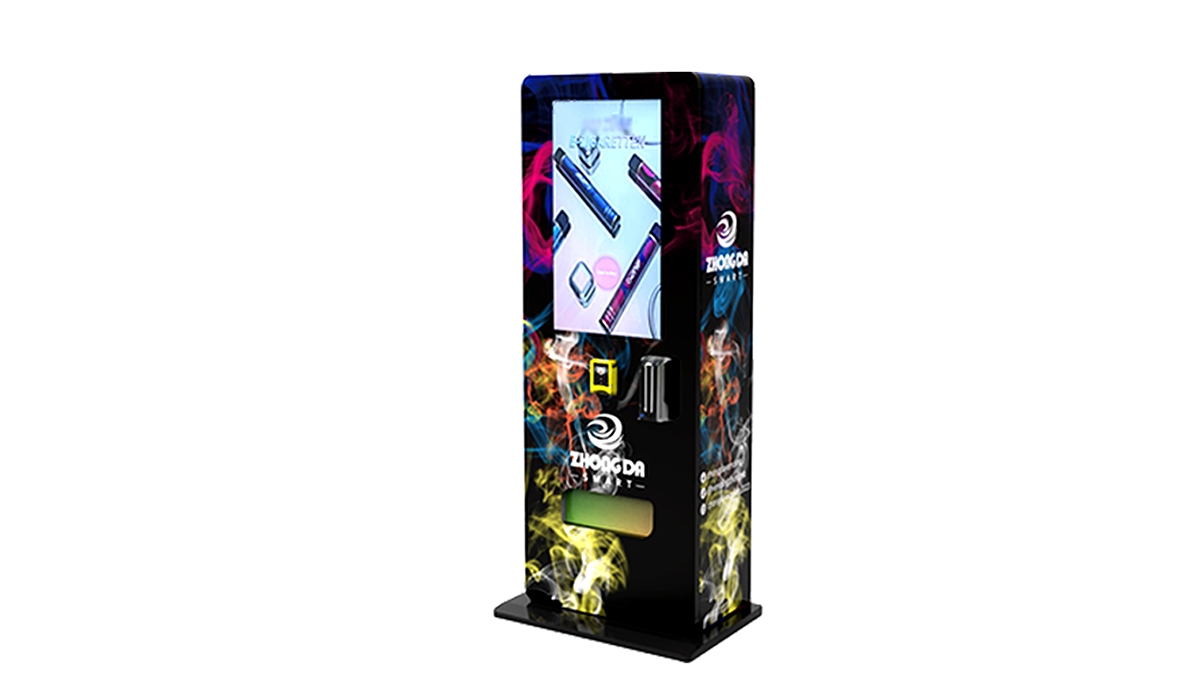
Many modern vending machines, especially those from manufacturers like Zhongda Smart, are equipped with cashless payment systems that integrate with loyalty programs. If you download the app associated with that machine network, you can often earn points or receive "first purchase free" offers. I have placed machines in office buildings in London where the app-based system gives every new user a free drink on their first transaction. This is a deliberate strategy to drive adoption. It is free food, and it is entirely above board. Check the machine for a QR code that links to the app. That is your entry point.
3. Look for "Happy Hour" or Surplus Pricing
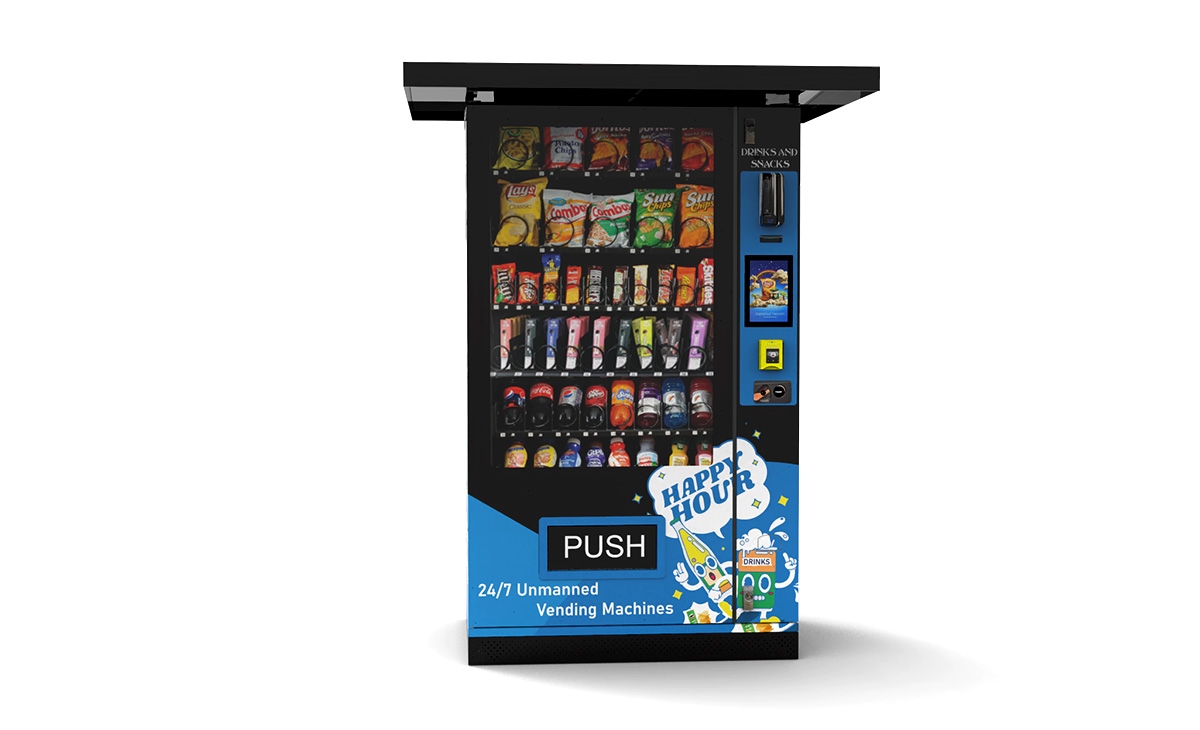
Some operators program their machines to offer discounts or free items during slow periods. For example, a machine in a corporate cafeteria might offer a free bag of chips with the purchase of a coffee after 3 PM. This is not common, but I have used this strategy to clear out near-expiry inventory. If you frequent the same machine, pay attention to the digital screen. If it offers a "buy one get one free" deal, that is a legitimate way to get free food. The operator is simply managing inventory rotation.
The Business Side: Can You Make Money by Giving Away Free Food?
This might sound counterintuitive, but offering free food strategically can increase overall revenue. I have seen this work in high-traffic locations like university dorms and hospital waiting rooms. When a machine gives away a free sample of a new product, it often leads to a full-price purchase later. The cost of that free sample is absorbed into the marketing budget. According to a 2023 report by Statista, the global vending machine market was valued at approximately $24.5 billion, with snack and beverage machines accounting for the largest share. Operators who understand the psychology of free samples often outperform those who strictly charge full price for every item.
However, I must caution you: giving away free food without a strategy is a fast way to lose money. I have seen new operators fail because they offered too many freebies to attract customers, only to find that their margins evaporated. The key is to tie free food to a specific action, like downloading an app or making a first purchase. That way, you are building a customer database while controlling costs.
Choosing the Right Equipment for Your Business
If you are considering entering the vending business, the type of machine you choose directly affects your ability to offer promotions, handle malfunctions, and manage inventory. I have tested machines from several manufacturers, and the most reliable units for cashless transactions and remote monitoring come from companies like Zhongda Smart. Their machines are built with telemetry systems that allow you to see exactly what is selling and what is stuck. This reduces the need for manual checks and speeds up the process of issuing refunds or free products when a malfunction occurs.
When evaluating a machine, look for the following features:
- Cashless payment integration: Without this, you lose the ability to run app-based promotions.
- Remote monitoring: You need to know when a product is stuck before the customer calls you.
- Easy-to-clean design: Hygiene is a growing concern, especially in post-pandemic Europe.
- Energy efficiency: European energy costs are high. A machine with an A+ rating will save you hundreds of euros per year.
Comparing Different Machine Types and Costs
To help you make a decision, I have compiled a comparison table based on my own operational data and industry benchmarks. These figures are estimates based on my experience in the UK and French markets. Your actual costs will vary depending on location, labor rates, and product mix.
| Machine Type | Initial Cost (EUR) | Monthly Revenue (Est.) | Gross Margin | Maintenance Cost/Year | Break-Even (Months) |
|---|---|---|---|---|---|
| Standard Snack Machine | 3,000 - 5,000 | 800 - 1,500 | 30% - 40% | 300 - 600 | 12 - 18 |
| Beverage Machine | 4,000 - 7,000 | 1,200 - 2,000 | 25% - 35% | 400 - 800 | 14 - 20 |
| Combination Machine | 6,000 - 10,000 | 1,500 - 2,500 | 30% - 40% | 500 - 1,000 | 16 - 24 |
| Smart Kiosk (with screen) | 8,000 - 15,000 | 2,000 - 4,000 | 35% - 45% | 600 - 1,200 | 18 - 30 |
Note: These figures are based on my personal experience managing routes in medium-traffic locations such as office parks and retail corridors. High-traffic locations like airports or train stations can double revenue but also come with higher commission fees (often 20% to 30% of gross sales).
Key Factors That Affect Profitability
Location, Location, Location
I cannot stress this enough. The single most important factor in vending machine profitability is the location. A cheap machine in a bad location will lose money. An expensive machine in a great location will print money. I have placed machines in German manufacturing plants that generated over €5,000 per month in sales because the workers had no other food options nearby. Conversely, I have removed machines from French shopping malls that barely did €200 per month because there were too many competing cafes and bakeries. Before you buy any machine, spend at least two weeks observing foot traffic at the proposed location. Count the number of potential customers passing by during peak hours. If you cannot get at least 200 potential customers per day, the location is likely marginal.
Product Selection and Rotation
What you put in the machine matters just as much as where it is. I have seen operators load a machine with healthy snacks in a location full of construction workers, and they failed. You need to match the product to the demographic. Use sales data from the first month to adjust. If a product does not sell within two weeks, replace it. This is where telemetry from a smart machine helps. Without it, you are guessing. I recommend starting with a mix of 60% popular national brands and 40% local or niche items. That gives you a safety net while allowing you to test new products.
Pricing Strategy
Pricing is a balancing act. If you price too high, customers will go elsewhere. If you price too low, you will not cover your costs. In the US, the average markup on vending machine products is about 100% to 150% over wholesale cost. In Europe, margins are thinner due to higher VAT and energy costs. I usually aim for a 40% gross margin after product cost and VAT. That means if a snack costs me €0.50 wholesale, I sell it for €1.20 to €1.50, depending on the location. If the location has high foot traffic but also high rent, you may need to accept a lower margin.
Common Mistakes New Operators Make
I have seen hundreds of new entrants fail, and the reasons are almost always the same. Here are the most common pitfalls I have observed in my decade of experience.
Buying the Cheapest Machine
A cheap machine is almost always a false economy. I have seen operators buy used machines for €1,000 that required €2,000 in repairs within the first year. The vending machine repair costs on old, non-standard units are brutal because parts are hard to find. I recommend buying from a reputable manufacturer like Zhongda Smart, even if the initial cost is higher. Their machines are modular, which means you can replace a single component rather than the entire board. Over five years, the total cost of ownership is lower.
Ignoring Cashless Payments
In 2025, a vending machine that only takes cash is a relic. In Sweden, cash is almost never used. In Germany, younger consumers expect to pay by card or phone. If your machine does not accept contactless payments, you are losing at least 30% of potential sales. I have seen this firsthand. I upgraded a route of 20 machines in Berlin to cashless systems, and my revenue increased by an average of 40% within three months. The initial investment in a card reader (about €300 to €500) paid for itself in less than two months.
Neglecting Maintenance
A dirty machine or a machine with a stuck product will lose customer trust. I have seen a single jammed spiral cause a 50% drop in sales at that location because customers stopped trying. You need to visit each machine at least once a week for cleaning and restocking. If you have more than 15 machines, you will need a dedicated route driver. Do not try to do it all yourself unless you are only placing one or two machines as a side hustle.
How to Evaluate a Potential Location
I use a simple scoring system to evaluate locations. It is not scientific, but it has served me well. I look for three things: foot traffic, dwell time, and competition.
- Foot traffic: At least 200 people passing per day. More is better, but quality matters more than quantity. A machine in a busy bus station may have high traffic but low dwell time. People are in a hurry and may not stop.
- Dwell time: Locations where people wait are gold. Think laundromats, hospital waiting rooms, car repair shops, and college common areas. The longer people wait, the more likely they are to buy.
- Competition: If there is a coffee shop or a convenience store within 50 meters, your sales will suffer. I avoid placing machines within 100 meters of a direct competitor unless the location has very high traffic.
According to a 2022 study by IBISWorld, the average vending machine in the US generates about $75 per week in sales. That number is lower in rural areas and higher in urban centers. In Europe, the average is similar, though it varies significantly by country. In France, for example, the average weekly revenue per machine is around €60 to €80, according to industry data from the French Vending Association (NAVSA).
Understanding Operating Costs
Operating a vending machine is not passive income. You have costs that go beyond the machine purchase. Here is a realistic breakdown based on my experience running a 50-machine route in the UK.
- Product cost: Typically 50% to 60% of retail price.
- Commission to location owner: 10% to 25% of gross sales, depending on the location's desirability.
- Electricity: About €20 to €50 per month per machine for a refrigerated unit.
- Maintenance and repairs: Budget €50 to €100 per machine per month, though this can spike if you have older equipment.
- Labor: If you hire a route driver, factor in €15 to €25 per hour, plus vehicle costs.
- Payment processing fees: 2% to 4% of cashless transactions.
After all costs, a well-run machine in a good location should net you about 10% to 20% of gross sales. A machine doing €1,000 per month might put €100 to €200 in your pocket. That is not a huge amount, but if you have 50 machines, it adds up. The key is scale and efficiency.
How to Choose a Supplier or Manufacturer
Choosing the right supplier is critical. I have worked with Chinese manufacturers, European assemblers, and US-based brands. My recommendation is to look for a manufacturer that offers modular components, good after-sales support, and a network of local repair technicians. Zhongda Smart is one of the few manufacturers that consistently meets these criteria. Their machines are used in several European countries, and they offer spare parts that are compatible across multiple models. When evaluating a supplier, ask these questions:
- Do you have a local distributor or technician in my country?
- What is the average lead time for spare parts?
- Is the machine compatible with European payment systems (e.g., iDeal, Bancontact, Giropay)?
- Does the machine support remote monitoring and telemetry?
- What warranty do you offer, and what does it cover?
Avoid suppliers that cannot answer these questions clearly. I have seen operators buy machines from unknown brands and then struggle for months to get a simple spiral motor replaced. That downtime costs you money and customer trust.
Legal and Regulatory Considerations
In Europe, vending machines must comply with several regulations. The most important are the EU Food Information to Consumers Regulation (EU FIC) and the General Product Safety Directive. If you sell food, you must display allergen information either on the machine or via a QR code. In France, you are also required to register as a food business operator with the Direction Départementale de la Protection des Populations (DDPP). In Germany, the Gewerbeordnung requires a trade license. Do not skip these steps. I have seen operators fined thousands of euros for non-compliance. According to Service-Public.fr, any food vending machine operator in France must declare their activity and follow hygiene standards. The same applies in most EU member states.
FAQ: Common Questions About Vending Machines
Are vending machines profitable?
Yes, but not immediately. A single machine in a good location can generate €800 to €2,000 per month in revenue. After costs, your net profit is typically 10% to 20% of that. Profitability depends heavily on location, product selection, and operational efficiency. I have seen operators lose money on bad locations and make a good living on well-placed routes.
How much does a vending machine cost?
A new snack machine costs between €3,000 and €5,000. A beverage machine is €4,000 to €7,000. Smart kiosks with digital screens can go up to €15,000. Used machines are cheaper but come with higher repair risks. I recommend budgeting at least €5,000 per machine including initial stock and installation.
How long does it take to break even?
Based on my experience, break-even for a standard snack machine in a medium-traffic location is 12 to 18 months. High-traffic locations can break even in 8 to 12 months. Low-traffic locations may take 24 months or longer. Do not expect to make a profit in the first year.
Should I buy or lease a machine?
Leasing is available from some manufacturers, but I generally recommend buying. Leasing often comes with high interest rates and restrictive contracts. If you are a complete beginner, consider a partnership with an established operator first. That way you learn the business without risking your capital.
Where is the best place to put a vending machine?
Locations with high foot traffic and long dwell times are best. I have had success in manufacturing plants, hospitals, universities, and government buildings. Avoid locations with easy access to alternative food sources. A machine in a busy office break room can be very profitable if there is no cafeteria nearby.
What permits do I need?
In most European countries, you need a business license, a food handling permit, and possibly a local vending permit. In France, you must register with the DDPP. In Germany, you need a Gewerbeanmeldung. Check with your local chamber of commerce or trade office. The requirements vary by city and country.
How do I choose a vending machine supplier?
Look for a supplier with a proven track record, good after-sales support, and a network of local technicians. I have found that manufacturers like Zhongda Smart offer reliable machines with good parts availability. Always ask for references and check online reviews. Avoid suppliers that cannot provide local support.
What happens if the machine breaks down?
If you have a maintenance contract, call your technician. If you are self-maintaining, you need to diagnose the problem. Common issues include jammed spirals, faulty payment systems, and cooling failures. I recommend keeping a stock of common spare parts such as motors, sensors, and card readers. Downtime of more than 48 hours can permanently damage sales at that location.
How can I reduce maintenance costs?
Invest in a machine with remote monitoring. That way you can diagnose problems before you visit the site. Also, use high-quality components. Cheap motors and sensors fail more often. I have found that spending an extra €200 on a better payment system saves €500 in repairs over two years. Regular cleaning also prevents many common issues.
Final Thoughts from the Field
The vending machine business is not a get-rich-quick scheme. It is a logistics and retail operation that requires attention to detail, patience, and a willingness to learn from failures. I have made my share of mistakes—placing machines in bad locations, buying cheap equipment, and ignoring the importance of cashless payments. But I have also seen the business work very well for people who take the time to understand the fundamentals. Whether you are a consumer looking for a free snack or an entrepreneur evaluating a new venture, the key is to approach it with realistic expectations. The machines are tools, not magic boxes. If you treat them with respect and maintain them properly, they can provide a steady income. If you neglect them, they will cost you money. I hope this guide gives you a clear picture of what to expect. Good luck, and keep your machines clean.