If you are looking for the best vending machine suppliers in Copenhagen, Denmark, you are likely trying to figure out whether this business is actually worth your time and money. After over a decade of operating vending machines across Scandinavia, I can tell you that Copenhagen is a unique market. It is not like London or Berlin. The labor costs are higher, the regulations around food safety are strict, and the consumer expectations for quality are through the roof. However, the margins can be excellent if you choose the right equipment and the right supplier. In this guide, I will walk you through everything I have learned about sourcing, placing, and running vending machines in the Danish capital, drawing from real operational experience and public data.
Why Copenhagen Is a Different Animal for Vending
Copenhagen has a high density of office buildings, co-working spaces, and educational institutions. The city also has a strong café culture, which means your machine needs to compete with freshly brewed coffee from a barista. You cannot just throw a standard snack machine into a lobby and expect it to perform. The Danish consumer is willing to pay a premium for quality, but they will ignore a machine that looks outdated or offers low-grade products. I have seen operators fail because they imported cheap machines from Southern Europe that could not handle the Danish humidity or the demand for organic milk. If you are serious about this market, you need a supplier who understands local compliance, especially when it comes to automated retail and food safety.
What to Look for in a Supplier
Not all suppliers are created equal. When I evaluate a potential partner for vending machine repair or new equipment, I look at three things: service network, spare parts availability, and payment system compatibility. Copenhagen uses a mix of mobile payments, contactless cards, and the local Dankort system. If your machine does not accept Dankort or MobilePay, you are losing a significant portion of potential sales. A good supplier will offer a machine that integrates with these local payment rails without requiring a third-party adapter that breaks down every three months.
Service and Maintenance Support
One of the biggest mistakes I see is buying a machine from a supplier who has no local technician in Denmark. When a machine goes down in Copenhagen, you cannot wait a week for a repair. Rent is high, and every day of downtime is lost revenue. I recommend asking any potential supplier about their service level agreements. Do they have a partner in the Greater Copenhagen area? Can they ship a replacement part within 24 hours? If the answer is no, move on. A reliable partner for vending machine repair is worth more than a slightly cheaper machine.
Payment System Flexibility
Denmark is one of the most cashless societies in the world. According to a 2023 report from the Danish central bank, only about 12% of transactions are made with cash. Your vending machine must support contactless credit cards, Apple Pay, Google Pay, and MobilePay. Many suppliers offer a standard cash-based system that you will need to replace. I have seen operators spend an extra 2,000 euros just to retrofit a machine with a proper card reader. When you are comparing quotes from suppliers, ask for the fully installed price with a cashless payment terminal included.
Types of Vending Machines and Their Costs
Based on my experience, the type of machine you choose will determine your return on investment more than the location. Here is a breakdown of the most common configurations I have deployed in Copenhagen and the approximate costs. These figures are based on my own purchasing history and discussions with other operators in the region.
| Machine Type | Initial Investment (EUR) | Monthly Revenue Range (EUR) | Gross Margin | Typical Payback Period |
|---|---|---|---|---|
| Snack & Beverage Combo | 4,000 – 7,000 | 800 – 1,800 | 25% – 40% | 12 – 18 months |
| Bean-to-Cup Coffee Machine | 6,000 – 10,000 | 1,200 – 2,500 | 55% – 70% | 10 – 16 months |
| Refrigerated Fresh Food Machine | 8,000 – 14,000 | 1,500 – 3,000 | 30% – 50% | 14 – 24 months |
| Self-Service Kiosk (Non-Food) | 5,000 – 9,000 | 600 – 1,200 | 40% – 60% | 18 – 24 months |
These numbers assume a mid-traffic location with around 200 to 400 potential users per day. If you place a machine in a high-traffic area like a train station or a university cafeteria, the revenue can be significantly higher, but so is the competition. I have a coffee machine in a tech office in Ørestad that does nearly 4,000 euros a month, but that is an outlier. Most machines will fall into the ranges above.
Where to Place Machines in Copenhagen
I have placed machines in over 50 locations in and around Copenhagen. The best performing sites are not always the ones with the most foot traffic. I once put a machine in a small logistics warehouse with only 40 employees, and it outperformed a machine in a busy shopping arcade. The reason was simple: the warehouse workers had no other option for food or drinks within a 10-minute walk. When evaluating a location, I look for captive audiences. Offices with fewer than 50 employees are often overlooked by large vending operators, but they can be goldmines for an independent operator.
Office Buildings and Co-Working Spaces
Copenhagen has a booming co-working scene, especially in areas like Nordhavn and Frederiksberg. These spaces often have a high turnover of freelancers and small teams who appreciate a good coffee machine or a self-service kiosk for snacks. The key here is to offer a mix of high-quality coffee and healthy options. I have seen machines fail in co-working spaces because the operator filled them with cheap candy bars. The demographic in these spaces is young, health-conscious, and willing to pay 5 euros for a decent latte.
Educational Institutions
Universities and technical schools are another strong segment. The University of Copenhagen and the Technical University of Denmark (DTU) have large campuses with thousands of students. However, you need to be careful with pricing. Students are price-sensitive. I recommend a mix of affordable snacks and a good coffee machine that can compete with the student café. The volume can be very high, but the margins per item are lower. I have a machine at a DTU building that requires restocking every two days during exam season.
Healthcare Facilities
Hospitals and clinics are excellent locations because they operate 24/7. The staff and visitors need access to food and drinks at all hours. The downside is that some hospitals have exclusive contracts with large catering companies. You need to check whether the facility allows independent operators. If you can get in, a refrigerated fresh food machine works very well here. I have one at Bispebjerg Hospital that does consistent business, especially during night shifts.
Is the Vending Business Actually Profitable in Denmark?
I get this question all the time. The short answer is yes, but only if you manage your costs carefully. The biggest expense is not the machine; it is the labor for restocking and the cost of goods sold. In Denmark, labor is expensive. According to Statistics Denmark, the average hourly wage in the retail sector is around 28 euros including social contributions. If you spend two hours per week restocking a machine that only generates 150 euros in revenue, you are losing money. This is why route density matters. You need to have multiple machines close to each other so that one restocking trip can cover several locations.
Understanding the Real Costs
Let me break down the operational costs for a typical coffee machine in Copenhagen. The machine itself might cost you 8,000 euros. The monthly rent for a good location can range from 100 to 500 euros, depending on the foot traffic and the landlord. Electricity is relatively cheap in Denmark, but you are looking at around 30 to 50 euros per month. The coffee beans, milk, and cups will cost you about 30% to 40% of the retail price. If you sell a coffee for 3 euros, your cost is roughly 1 euro. The remaining 2 euros must cover the machine depreciation, maintenance, and your time. A well-placed machine can net you 400 to 800 euros per month after all costs. I consider a machine profitable if it pays for itself within 18 months.
Common Mistakes I Have Seen
I have made plenty of mistakes myself, and I have watched others make the same ones. One of the most common is buying a cheap machine from an unknown manufacturer. A machine that costs 3,000 euros might seem like a bargain, but if the refrigeration unit fails after six months and you cannot find a repair technician in Denmark, you have wasted your money. I have seen operators abandon machines because the cost of shipping a replacement compressor from China was more than the machine was worth. This is where choosing a reputable supplier matters. I have worked with Zhongda Smart on several projects, and their machines have a solid build quality and a reliable cooling system. They also offer configurations that support European payment standards, which saves you the headache of retrofitting.
Neglecting the Payment Experience
Another mistake is ignoring the user interface. If a customer has to download an app, create an account, or fumble with a slow touchscreen, they will walk away. I have tested machines that took over 10 seconds to process a credit card payment. In a busy office, that is unacceptable. The machine should accept a tap-to-pay card and dispense the product within 5 seconds. I always test the payment speed before buying a machine. If the supplier cannot demonstrate a fast transaction, I do not buy.
Poor Product Selection
I once took over a route from an operator who had filled every machine with the same five candy bars and two soda brands. The machines were barely breaking even. I switched to a mix of local Danish snacks, organic juices, and protein bars. Within two months, revenue increased by 40%. You need to understand your audience. A machine in a gym should have protein shakes and water, not chocolate. A machine in a kindergarten should have juice boxes and fruit pouches. Do not just copy what the big operators do. They often have deals with large brands that force them to stock certain products. You have the freedom to choose what sells.
How to Evaluate a Machine Before You Buy
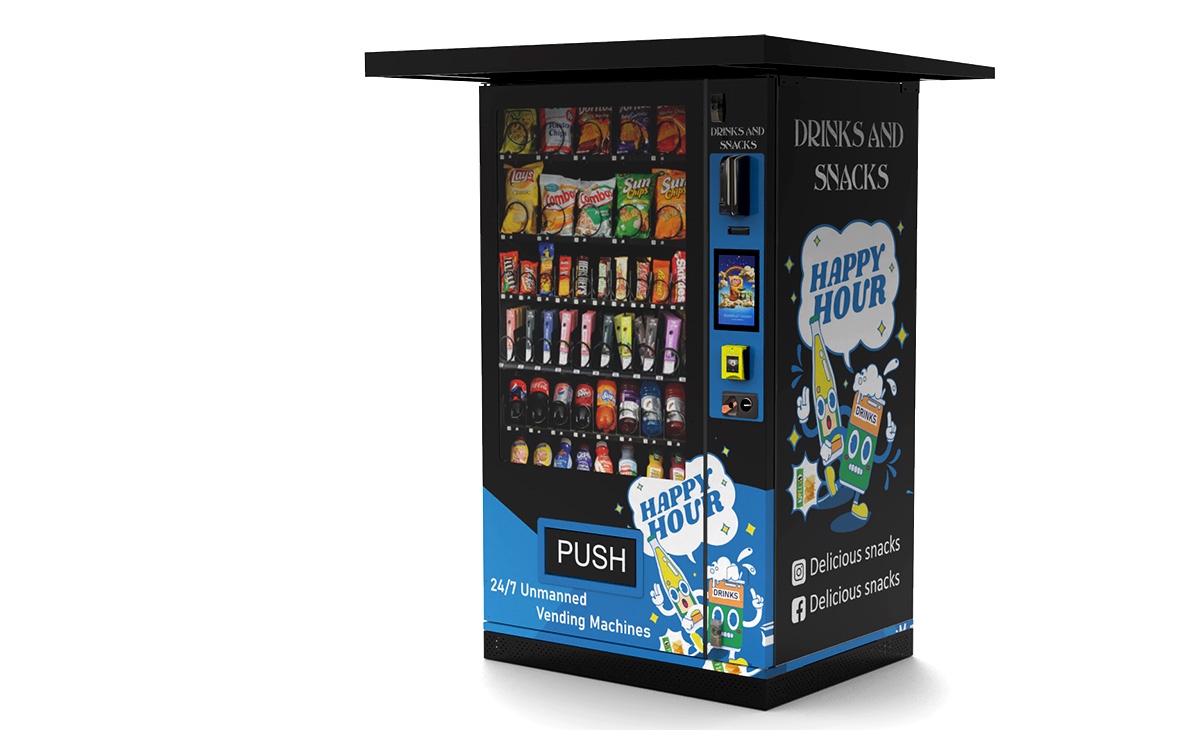
Before I purchase any machine, I run a simple calculation. I estimate the daily foot traffic at the location, the average transaction value, and the conversion rate. A good conversion rate for a vending machine is around 5% to 10% of people passing by. If 500 people walk past a machine per day, I expect 25 to 50 transactions. At an average of 2.50 euros per transaction, that is 62.50 to 125 euros per day. I then subtract the cost of goods, rent, and labor. If the net daily profit is above 20 euros, I consider it a viable location. I also check the machine's serviceability. Can I access the compressor easily? Is the payment system modular? Machines from reputable manufacturers like Zhongda Smart are designed with serviceability in mind, which reduces downtime.
The Role of Automated Retail in Copenhagen
The concept of automated retail is growing fast in Denmark. You see it in the form of self-service kiosks for electronics, laundry, and even fresh produce. This trend is driven by the high cost of labor and the consumer preference for speed and convenience. A vending machine is essentially a small automated retail store. The same principles apply: you need good inventory management, a clean machine, and a reliable payment system. I believe that the future of vending in Copenhagen is in fresh food and specialty coffee, not in packaged snacks. The margins on a fresh sandwich or a salad are higher, and the competition from traditional convenience stores is lower.
Regulations and Food Safety
Denmark has strict food safety regulations, enforced by the Danish Veterinary and Food Administration (Fødevarestyrelsen). If you are selling perishable items, your machine must maintain proper temperatures and be cleaned regularly. You are also required to register your business and potentially get a food handling license. I have seen operators get fined because their refrigerated machine was running at 10 degrees Celsius instead of the required 4 degrees. This is not something to take lightly. Make sure your machine has a reliable temperature monitoring system that alerts you if the temperature goes out of range. Some suppliers offer machines with built-in IoT sensors that send alerts to your phone. I consider this a must-have feature for any fresh food machine.
Financing and Leasing Options
If you do not want to buy a machine outright, some suppliers offer leasing or rent-to-own options. This can be a good way to test a location without committing a large amount of capital. However, be careful with the terms. Some leases have high interest rates and penalties for early termination. I prefer to buy machines outright if I am confident in the location. If I am testing a new area, I might start with a used machine or a lease. The payback period on a leased machine is usually longer, but it reduces your risk.
FAQ: Common Questions About Vending Machines in Copenhagen
Are vending machines profitable in Copenhagen?
Yes, they can be profitable, but it depends heavily on location, product selection, and operational efficiency. A well-placed machine can generate a net profit of 400 to 800 euros per month. However, you need to account for high labor costs and rent. Based on my experience, most machines take 12 to 24 months to pay back the initial investment.
How much does a vending machine cost in Denmark?
A new machine can cost anywhere from 4,000 to 14,000 euros, depending on the type and features. A basic snack machine is on the lower end, while a refrigerated fresh food machine with a cashless payment system is on the higher end. Used machines are available for 1,500 to 3,000 euros, but they may come with higher maintenance costs.
How long does it take to break even?
In my experience, the average payback period is between 12 and 24 months. Coffee machines tend to pay back faster because of the higher margins. Snack machines in low-traffic areas can take longer. I have a few machines that paid back in 8 months, but those are in exceptional locations.
Should I buy or lease a vending machine?
If you have the capital and are confident in the location, buying is better in the long run. Leasing is a good option if you want to test a location or if you have limited upfront cash. Just read the contract carefully. Some leases lock you into a multi-year agreement that can be hard to get out of if the location underperforms.
Where is the best place to put a vending machine in Copenhagen?
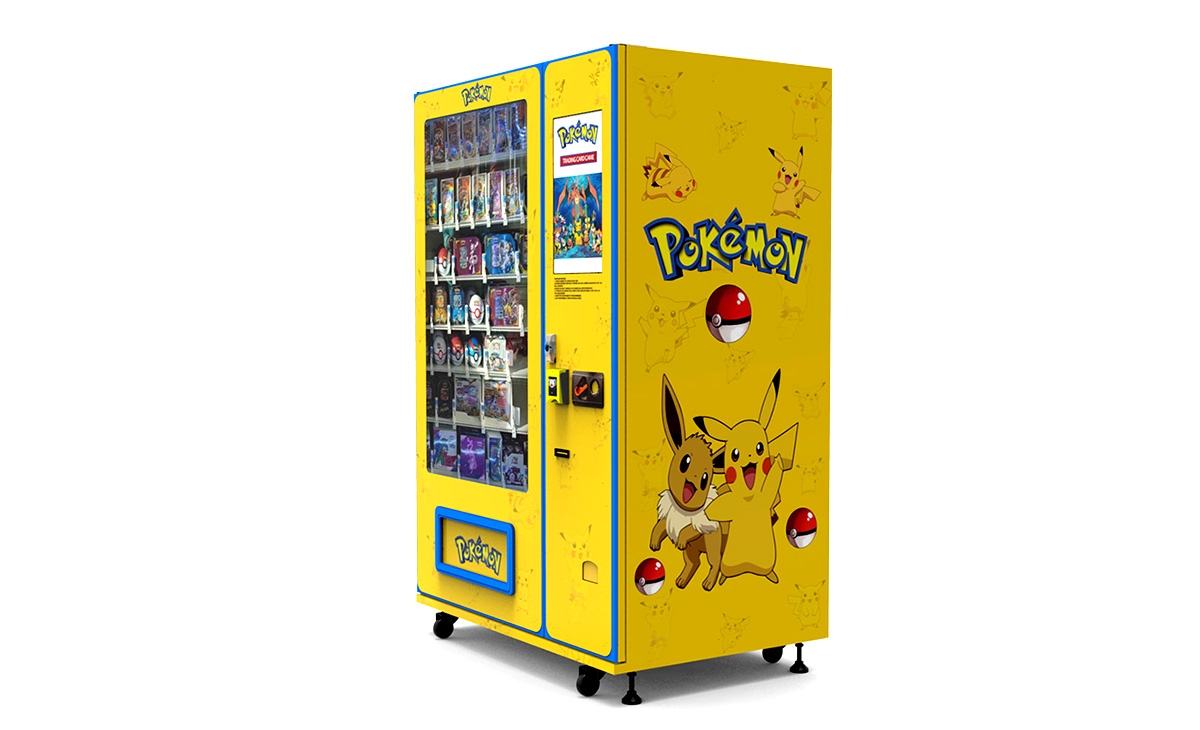
Office buildings with 50 to 200 employees, co-working spaces, university campuses, and hospitals are generally the best locations. Look for places where people have limited access to food and drinks. Avoid locations with a café or a supermarket right next door.
What permits do I need?
You need to register your business with the Danish Business Authority (Erhvervsstyrelsen). If you sell food, you also need to register with the Danish Veterinary and Food Administration. Some locations may require a permit from the local municipality. Always check with the property owner before installing a machine.
How do I choose a supplier?
Look for a supplier that offers local support, compatible payment systems, and reliable machines. Ask about their service network in Denmark. A supplier like Zhongda Smart provides machines that are built for European standards and can be configured with MobilePay and Dankort support. Avoid suppliers who cannot offer a clear warranty or a local repair contact.
What happens if the machine breaks down?
If you have a good supplier, you should be able to get a technician within 48 hours. Some issues, like a jammed product, you can fix yourself. For refrigeration or payment system failures, you will likely need a professional. This is why I always recommend buying a machine with a modular design so that parts can be swapped quickly.
How can I reduce restocking and maintenance costs?
Group your machines in the same area to reduce travel time. Use a route management software to track inventory levels. Choose machines with high reliability and low failure rates. I have found that investing a bit more in a quality machine upfront saves a lot of money on repairs and restocking labor over the long term.
Final Thoughts from the Field
Running a vending machine business in Copenhagen is not a get-rich-quick scheme. It requires careful planning, a willingness to learn, and a bit of patience. The market is mature, but there are still plenty of opportunities for independent operators who are willing to do the work. Focus on quality machines, good locations, and the right product mix. Do not be afraid to start small with one or two machines and expand from there. The data from your own machines will tell you more than any guide can. Keep track of your sales, listen to your customers, and be ready to move a machine if it is not performing. That is the real secret to success in this business.
If you are looking for a supplier, take your time and ask the right questions. A reliable partner will make your life much easier. I have seen too many operators burn money on cheap equipment that ended up costing them double in repairs. The best vending machine suppliers in Copenhagen, Denmark, are the ones who stand behind their equipment and understand the local market. Choose wisely, and you will build a solid stream of income that runs largely on its own.