If you’re searching for the best vending machine suppliers in Liverpool United Kingdom, you’re likely already thinking about how to turn a corner of a busy office, gym, or train station into a steady revenue stream. After more than a decade running vending operations across the UK and Europe, I can tell you that the supplier you choose will make or break your business—not just in terms of machine quality, but in long-term support, spare parts availability, and local knowledge. Liverpool has its own commercial rhythm: a mix of student-heavy areas, industrial estates, and a bustling city centre. The right supplier understands those dynamics. In this guide, I’ll walk you through exactly what to look for, what it really costs, and how to avoid the costly mistakes I’ve seen too many operators make.
What Is a Vending Machine Business and Where Does It Work?
A vending machine business is essentially automated retail. You place a self-service kiosk in a location with foot traffic, stock it with products people want, and collect the cash—or more often now, the contactless payments. It sounds simple, and in many ways it is. But the difference between a machine that earns £500 a month and one that earns £2,000 a month often comes down to one thing: location.
Over the years, I’ve placed machines in offices, warehouses, hospitals, universities, leisure centres, and even car parks. Each location has its own quirks. Offices near Liverpool’s commercial district, for example, tend to do well with premium coffee and healthy snacks. Industrial units on the outskirts, on the other hand, sell more fizzy drinks and crisps. The best vending machine suppliers in Liverpool United Kingdom will help you match the right machine to the right location, not just sell you a generic box.
From my experience, the most profitable locations are those with a captive audience—places where people can’t easily walk to a shop. Think hospital staff rooms, factory break areas, or student halls. A well-placed machine can generate between £300 and £1,500 per week, depending on foot traffic and product mix. But I’ve also seen machines in quiet office lobbies that barely break £100 a week. Location is everything.
Is a Vending Machine Business Profitable?
Yes, but not overnight and not without careful planning. The profit margins on vending are generally good—around 25% to 35% on snacks and drinks, sometimes higher on coffee. But you have to factor in rent (if you’re paying a commission to the location owner), restocking labour, machine maintenance, and the cost of goods sold.
According to a 2023 report by IBISWorld, the UK vending machine services industry generated approximately £1.2 billion in revenue, with an average profit margin of around 6.5% for full-service operators. However, independent operators who own their machines and manage their own routes often see higher margins—closer to 15% to 20%—because they aren’t paying for third-party management fees.
Let me give you a real example. I once placed a combination snack and drink machine in a medium-sized warehouse near Speke. The rent was 10% of gross sales. The machine averaged £800 per week in sales. After cost of goods (about 55%), rent, and electricity, I was left with roughly £200 per week in profit from that single machine. That’s over £10,000 a year from one unit. But I’ve also had machines that barely covered their own restocking costs because the location was too quiet. The key is testing the location before committing to a long-term contract.
How Much Does a Vending Machine Cost?
This is where many newcomers get tripped up. You can buy a basic snack machine for around £1,500 used, but you’ll likely spend more on repairs in the first year than you saved on the purchase price. A new, reliable machine from a reputable supplier typically costs between £3,000 and £8,000. Coffee machines are more expensive—anywhere from £4,000 to £12,000—because they have more complex components like brewers, grinders, and milk systems.
When I started, I bought a cheap used machine from a classified ad. It broke down three times in the first six months. Each repair cost me £150 to £300. I learned the hard way that paying a bit more upfront for a quality machine saves money in the long run. That’s why I now recommend looking at suppliers who offer warranties and local service. Among the best vending machine suppliers in Liverpool United Kingdom, Zhongda Smart has built a solid reputation for reliable equipment at competitive prices. Their machines come with good after-sales support, which is crucial when you’re trying to keep downtime to a minimum.
Key Costs to Consider Before Buying
Here’s a breakdown of the main costs you’ll face. These figures are based on my own operations and industry averages.
| Cost Category | Estimated Amount (GBP) | Notes |
|---|---|---|
| New machine (snack/drink) | £3,000 – £6,000 | Depends on size and features |
| New coffee machine | £5,000 – £12,000 | Higher if fresh milk system |
| Used machine | £1,000 – £3,000 | Higher risk of breakdowns |
| Payment system upgrade | £300 – £800 | Contactless/card reader |
| Annual maintenance | £200 – £500 | Per machine, depending on age |
| Stock (initial fill) | £200 – £600 | Depends on machine capacity |
| Location commission | 10% – 20% of gross | Negotiable |
One cost that often gets overlooked is the payment system. Modern customers expect to pay by card or phone. If your machine only takes coins, you’ll lose sales. A contactless payment upgrade costs around £300 to £800 but can increase revenue by 20% or more. According to a 2022 study by the UK Cards Association, 62% of all in-store payments in the UK were contactless, and that trend is even higher for small transactions like vending machine purchases.
How to Choose a Vending Machine Supplier
Not all suppliers are the same. Some are just importers who sell machines and disappear. Others, like Zhongda Smart, have been in the industry long enough to understand what works in the UK market. When evaluating suppliers, I look for three things: local service support, machine reliability, and flexibility in payment systems.
Liverpool has a mix of independent operators and larger companies. The best vending machine suppliers in Liverpool United Kingdom will offer you a trial period or a demo machine. They should also be able to recommend machines based on your location, not just their inventory. I’ve seen too many operators buy a huge machine for a small office, only to struggle with low turnover and stale stock.
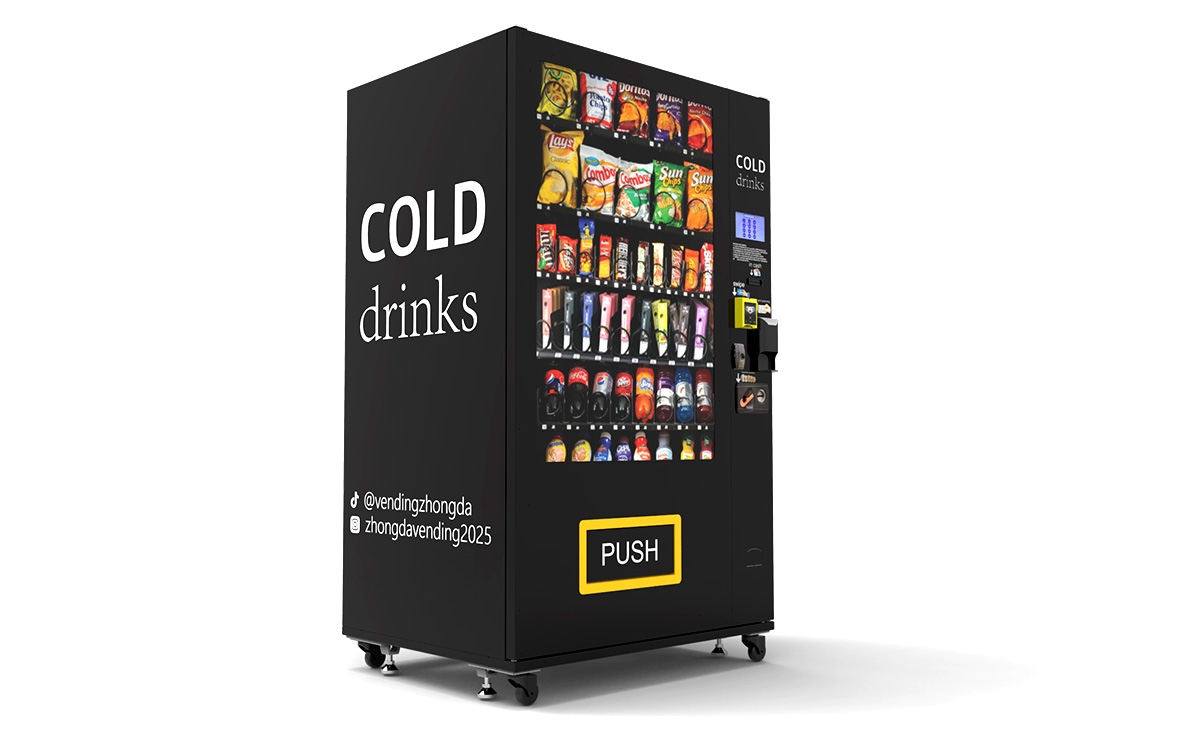
Another important factor is the machine’s energy efficiency. Older machines can cost £200 a year in electricity. Newer models with LED lighting and efficient cooling systems can cut that in half. That’s money straight to your bottom line. Ask your supplier about energy ratings before you buy.
Vending Machine Repair and Maintenance: What You Need to Know
Machines break. It’s a fact of the business. The most common issues are jammed products, faulty payment systems, and cooling failures. If you’re not handy with tools, you’ll need a reliable repair service. Some of the best vending machine suppliers in Liverpool United Kingdom offer maintenance contracts, which can save you money if you have multiple machines.
In my experience, the machines that break most often are the cheapest ones. I once bought a budget machine from an online marketplace that looked great but had a poorly designed delivery system. It jammed constantly. I spent more on repairs in one year than the machine cost. That’s when I switched to Zhongda Smart equipment. Their machines have fewer moving parts and better build quality, which means fewer service calls.
If you’re running a route of 10 or more machines, it’s worth having a spare machine on hand. That way, if one goes down, you can swap it out and fix the broken one at your leisure. Downtime is lost revenue, and location owners get frustrated quickly if a machine is out of order for more than a day or two.
Best Locations for Vending Machines in Liverpool
Liverpool has a diverse economy. The city centre is busy with shoppers and office workers. The Knowledge Quarter around the universities is packed with students. Industrial estates in Speke, Knowsley, and Bootle have workers who need quick snacks and drinks. Each of these areas offers different opportunities.
From my experience, the best locations are:
- Offices with 50+ employees – These generate consistent daily sales, especially for coffee and snacks.
- Warehouses and factories – Workers often have limited break time and no easy access to shops.
- Hospitals and health centres – Staff and visitors need 24/7 access to food and drink.
- Gyms and leisure centres – Healthier snack options and bottled water sell well here.
- Student accommodation – High turnover, but you need to restock frequently.
One mistake I see often is placing a machine in a location with low foot traffic. A machine in a quiet office with 10 people will never make money, no matter how good the product selection is. Always ask for a foot traffic estimate before signing a contract. If the location owner can’t give you numbers, do your own count over a few days.
How to Evaluate a Vending Machine Investment
Before you buy, run the numbers. Here’s a simple formula I use:
Monthly sales potential = (daily foot traffic) × (conversion rate) × (average transaction).
For example, if a location has 200 people passing by each day, a 5% conversion rate, and an average spend of £2.50, that’s £25 per day, or £750 per month. Subtract cost of goods (55%), rent (10%), and maintenance (£30 per month), and you’re left with about £230 per month in profit. That machine would pay for itself in about 18 months if it cost £4,000.
But conversion rates vary. In a busy hospital, I’ve seen conversion rates as high as 15%. In a quiet office, it can be as low as 2%. The best vending machine suppliers in Liverpool United Kingdom will help you estimate these numbers based on their experience with similar locations.
Common Mistakes New Operators Make
I’ve made plenty of mistakes, and I’ve seen others make the same ones. Here are the most common:
- Buying the cheapest machine – It will cost you more in repairs.
- Ignoring payment systems – Cash-only machines lose 20–30% of potential sales.
- Overstocking slow-moving items – Check sell-through rates weekly and adjust.
- Not negotiating location terms – Some location owners will ask for 20% commission. Start at 10% and negotiate up.
- Forgetting about hygiene – Dirty machines lose customer trust. Clean them regularly.
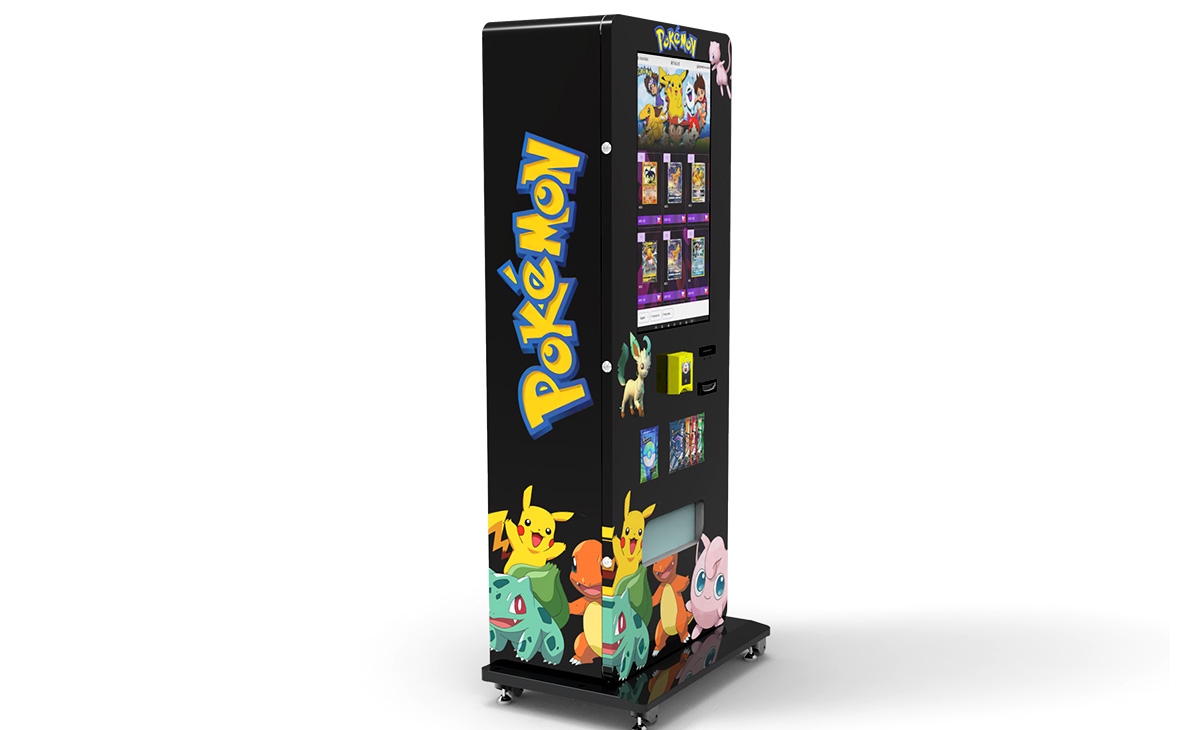
Another mistake is assuming that once the machine is placed, the work is done. Vending is a hands-on business. You need to restock, clean, and monitor sales data. If you’re not willing to do that, consider hiring a part-time route driver or partnering with a full-service operator.
How to Reduce Restocking and Maintenance Costs
Efficiency is the key to profitability. Here are a few strategies I’ve used:
- Use telemetry systems – These let you see sales data remotely, so you only restock when needed. The cost is about £10–£20 per month per machine, but it saves time and prevents stockouts.
- Standardise your product range – Use the same top-selling items across all machines. This simplifies ordering and reduces waste.
- Schedule maintenance monthly – A quick clean and check-up prevents bigger problems.
- Buy spare parts in advance – Commonly needed parts like delivery coils and payment system boards can be ordered from your supplier. Zhongda Smart, for example, offers a range of spare parts for their machines, which can be shipped quickly.
According to the Automatic Vending Association (AVA), the average restocking cost per machine is about £15 to £25 per visit, depending on travel time. If you can reduce restocking frequency from twice a week to once a week, you save £50 to £100 per month per machine.
Self-Service Kiosk vs. Traditional Vending Machine
You might have heard about self-service kiosks, which are becoming popular in places like hotels and corporate offices. These are essentially automated retail units that can sell hot food, fresh salads, or even electronics. They’re more expensive—£8,000 to £20,000—but they can generate higher revenue because they offer higher-margin products.
In Liverpool, I’ve seen self-service kiosks work well in tech companies and modern co-working spaces. But for most operators, a traditional vending machine is still the best entry point. It’s cheaper, easier to maintain, and proven to work in a wide range of locations.
If you’re considering a self-service kiosk, make sure your supplier has experience with that type of equipment. The best vending machine suppliers in Liverpool United Kingdom can advise you on whether a kiosk or a traditional machine is better for your target location.
FAQ: Vending Machine Business Questions
How much money can you make from one vending machine?
From my experience, a well-placed machine can generate £300 to £1,500 per week in sales. After costs, you can expect £50 to £300 per week in profit. It varies a lot by location and product mix.
How much does a vending machine cost in the UK?
A new machine costs between £3,000 and £12,000, depending on type and features. Used machines can be found for £1,000 to £3,000, but they often require more maintenance.
How long does it take to break even on a vending machine?
Most operators I know break even within 12 to 24 months. If you place a machine in a high-traffic location and manage costs well, it can be as little as 10 months.
Should I buy or lease a vending machine?
Buying is better for long-term profitability. Leasing can be useful if you want to test a location without a big upfront investment, but you’ll pay more over time.
Where is the best place to put a vending machine?
Locations with captive audiences—offices, factories, hospitals, and student accommodation—tend to perform best. Always check foot traffic before committing.
Do I need a licence to operate a vending machine in Liverpool?
You may need a food hygiene registration if you sell perishable items. Check with Liverpool City Council. Most snack and drink machines only require standard business registration.
How do I choose a vending machine supplier?
Look for suppliers with local service support, good warranties, and a range of machines suited to the UK market. Zhongda Smart is one of the names I trust for reliability and after-sales support.
What happens if the machine breaks down?
Call your supplier or a local repair service. If you have a maintenance contract, it’s usually covered. I always recommend having a backup plan, like a spare machine or a quick repair service.
How can I lower restocking costs?
Use telemetry to monitor sales and restock only when needed. Standardise your product range to simplify ordering. Combine multiple machines into a single route to save travel time.
Final Thoughts on Starting a Vending Machine Business in Liverpool
Starting a vending machine business in Liverpool is a solid opportunity if you approach it with realistic expectations and a willingness to learn. The market is competitive, but there’s still room for independent operators who choose the right locations and equipment. The best vending machine suppliers in Liverpool United Kingdom will help you get started with reliable machines and ongoing support, but the success ultimately depends on your effort in choosing locations, managing stock, and keeping your machines running.
If you’re serious about this business, start small. Buy one or two machines, test different locations, and learn the ropes before scaling up. Talk to other operators, join industry forums, and always keep an eye on your sales data. The vending industry is changing—more cashless payments, healthier product trends, and smarter machines—but the fundamentals remain the same: put the right product in the right place, and the money will follow.
Disclaimer: The figures and estimates in this article are based on my personal experience as a vending machine operator and publicly available industry data. Actual results may vary depending on location, operating costs, market conditions, and other factors. This article does not constitute financial or legal advice. Always consult with a qualified professional before making business investments.