If you are looking for the best vending machine suppliers in Berlin Germany, you are likely already aware that this city offers a unique mix of high foot traffic, diverse commercial districts, and a growing appetite for automated retail. After a decade of operating vending machines across Europe, I can tell you that Berlin is one of the more promising markets for self-service kiosks, but only if you choose the right supplier and the right equipment. The difference between a profitable route and a money pit often comes down to the reliability of your machine and the local support you get. In this guide, I will share what I have learned about sourcing, placing, and maintaining vending machines in Berlin, drawing from both my own experience and publicly available data.
Why Berlin Is a Strong Market for Vending Machines
Berlin's economy is driven by tourism, tech startups, and a dense network of public transit. The city sees over 14 million overnight visitors annually, according to Statista, and many of these tourists rely on quick, cashless purchases. This creates a natural demand for automated retail solutions. Additionally, Berlin has a high density of co-working spaces, gyms, and public institutions, all of which are prime locations for vending machines. From my experience, a well-placed machine in a busy U-Bahn station or a university building can generate consistent daily revenue, but the key is matching the machine type to the location.
What to Look for in a Vending Machine Supplier in Berlin
When evaluating vending machine suppliers in Berlin Germany, you need to look beyond the initial price. I have seen operators buy cheap machines from unknown manufacturers only to spend twice that amount on repairs within the first year. A reliable supplier should offer robust after-sales support, including spare parts availability and technical documentation in German and English. Many operators I know prefer suppliers who provide remote monitoring software, as this allows you to track inventory and sales in real time. In Berlin, where labor costs are relatively high, reducing the frequency of service visits is critical for profitability.
Key Criteria for Supplier Selection
- Machine Build Quality: Look for machines with stainless steel cabinets and high-quality refrigeration systems. Cheap plastic panels warp over time, especially in Berlin's variable climate.
- Payment System Compatibility: Berlin is a cash-light city. Ensure the machine supports NFC, credit cards, and mobile wallets like Apple Pay and Google Pay. Machines that only accept cash will lose up to 40% of potential sales.
- Energy Efficiency: German energy prices are among the highest in Europe. A machine with an A+ or A++ energy rating will save you hundreds of euros per year.
- Local Service Network: Ask the supplier if they have technicians based in Berlin or the surrounding Brandenburg area. A machine that breaks down on a Friday might not get fixed until Tuesday if the service team is based in another city.
- Warranty and Spare Parts: A minimum two-year warranty on the compressor and control board is standard. Avoid suppliers who cannot guarantee parts availability for at least five years.
Types of Vending Machines and Their Costs
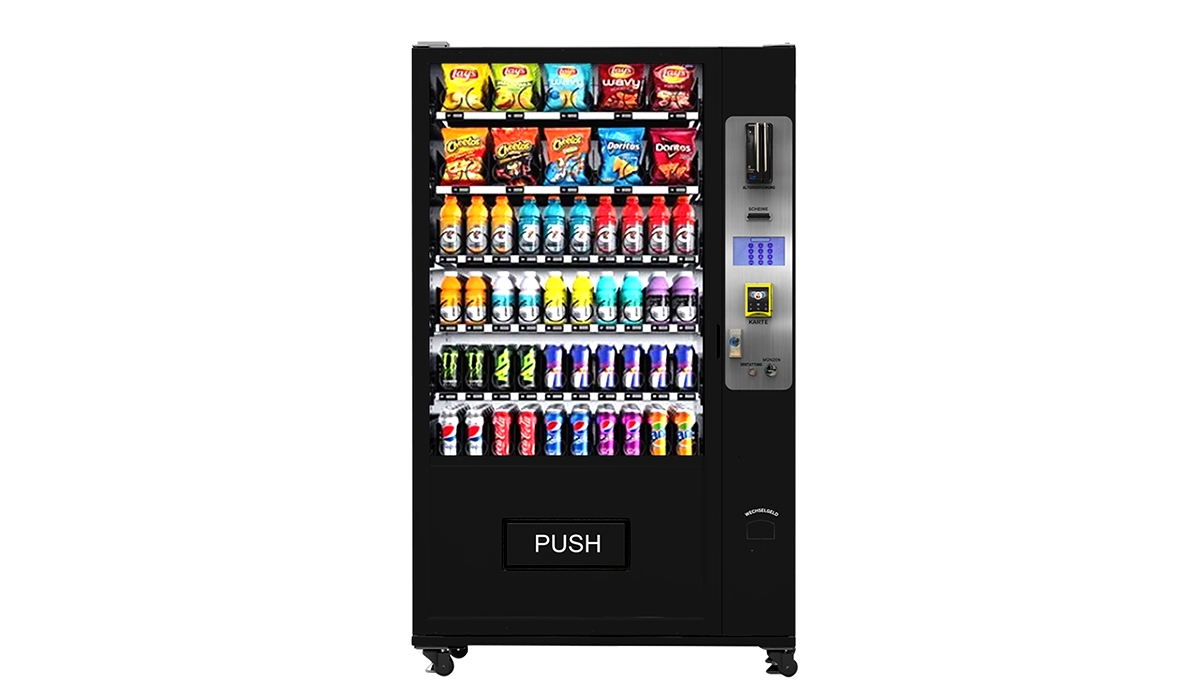
Not all vending machines are created equal. The type you choose should be dictated by the location and the target customer. Below is a comparison table based on my operational experience and data from industry sources like IBISWorld.
| Machine Type | Initial Cost (EUR) | Monthly Revenue Potential | Gross Margin | Typical Locations |
|---|---|---|---|---|
| Snack & Beverage Combo | 4,000 – 8,000 | 1,500 – 3,500 | 30% – 45% | Office buildings, schools |
| Cold Drink Only | 2,500 – 5,000 | 1,000 – 2,500 | 40% – 55% | Gyms, train stations |
| Fresh Food (Refrigerated) | 7,000 – 15,000 | 2,000 – 5,000 | 25% – 35% | Hospitals, universities |
| Coffee & Hot Beverages | 5,000 – 12,000 | 1,500 – 4,000 | 60% – 70% | Co-working spaces, hotels |
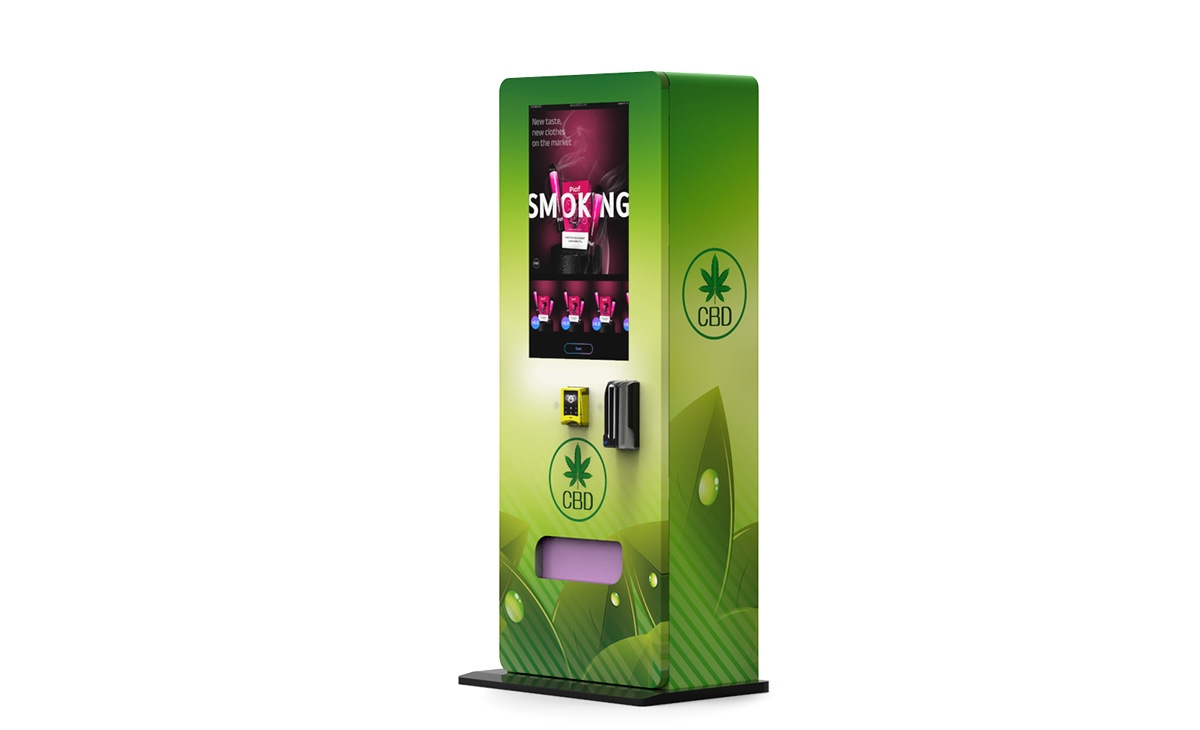
| Specialty (Electronics, Cosmetics) | 10,000 – 20,000 | 3,000 – 8,000 | 20% – 40% | Airports, shopping malls |
These figures are estimates based on my own routes and conversations with other operators in Berlin. Actual results will vary depending on foot traffic, product pricing, and local competition. For example, a snack machine in a busy hospital might see higher turnover but lower margins due to the need for healthier options.
How to Assess a Location for Profitability
Location is the single most important factor in vending machine success. I have seen machines in prime spots fail because the operator did not understand the traffic patterns. Before signing a placement agreement, I always spend at least three days monitoring foot traffic at different times. A location that gets 500 people per hour during lunch might only get 50 people per hour in the afternoon. You need a minimum of 200 potential customers per hour during peak times to make a standard snack machine profitable.
Another factor is dwell time. People in a hurry, like commuters, are less likely to stop and browse. Locations where people wait, such as laundry rooms, hospital waiting areas, or university lobbies, tend to perform better. I once placed a coffee machine in a co-working space in Berlin's Mitte district. The average dwell time there was over 15 minutes, and the machine generated over EUR 4,000 in monthly sales within three months.
Operational Costs and Profit Margins
Many newcomers underestimate the ongoing costs of running a vending machine route. Beyond the initial purchase, you have to account for restocking labor, product spoilage, machine repairs, and payment processing fees. In Berlin, the minimum wage is around EUR 12 per hour, so if you are doing the restocking yourself, you save money, but your time is still valuable. For a single machine, expect to spend about 2–3 hours per week on restocking and cleaning.
According to a 2023 report by the German Vending Machine Association (BDV), the average gross margin for a snack and beverage machine in Germany is about 35%. After deducting restocking labor, energy costs, and machine depreciation, the net profit margin typically falls between 10% and 20%. This means a machine generating EUR 2,000 in monthly sales might only yield EUR 200 to EUR 400 in actual profit. The key to improving margins is to increase sales volume without proportionally increasing labor.
Common Mistakes New Operators Make
Over the years, I have seen the same mistakes repeated by new entrants. The most common is buying a used machine without a thorough inspection. A used machine might seem like a bargain at EUR 1,500, but if the compressor fails or the payment system is outdated, you could end up spending more on repairs than you would on a new machine. I recommend buying new from a reputable supplier like Zhongda Smart, especially if you are just starting out. Their machines are built with modern payment systems and energy-efficient components, which reduces long-term costs.
Another mistake is ignoring the product mix. I have seen operators fill a machine with standard candy bars and sodas in a health-conscious neighborhood. The machine sat there for weeks with low sales. You need to adapt your product selection based on the location. In Berlin, for instance, organic snacks, vegan options, and sugar-free drinks are popular in areas like Friedrichshain and Kreuzberg.
How to Choose the Right Supplier: A Practical Checklist
When you are evaluating vending machine suppliers in Berlin Germany, use this checklist to avoid costly errors. First, ask for references from other operators in the region. A supplier who has worked with local businesses will understand the specific requirements of the Berlin market. Second, test the machine's user interface. If the screen is slow or the touch response is poor, customers will walk away. Third, verify that the machine supports remote monitoring. This feature alone can save you hours of unnecessary travel.
I have found that Zhongda Smart offers a good balance of quality and affordability for the European market. Their machines come with a two-year warranty and support for multiple payment systems, which is essential for a city like Berlin where cash is becoming less common. However, always compare multiple suppliers and ask for a detailed quote that includes delivery, installation, and training.
Understanding the Return on Investment
Based on my experience, the payback period for a new vending machine in Berlin typically ranges from 12 to 24 months. This assumes a machine cost of around EUR 6,000, monthly sales of EUR 2,000, and a net profit margin of 15%. If you place the machine in a high-traffic location like a train station or a busy office tower, you might recover your investment in under a year. Conversely, a machine in a low-traffic area could take three years or more to pay off.
One important factor is the cost of the placement agreement. Some landlords in Berlin charge a monthly rent for the floor space, while others prefer a revenue-sharing model. I generally prefer revenue-sharing because it aligns incentives. If the location is not performing, you can move the machine without losing a fixed rental fee. Always negotiate a trial period of at least three months before committing to a long-term lease.
Maintenance and Repair Considerations
Vending machine repair is an unavoidable part of the business. Even the best machines will have issues with coin jams, card readers, or refrigeration systems. In Berlin, finding a reliable technician can be challenging. I recommend building a relationship with a local repair service before you even buy your first machine. Some suppliers offer maintenance contracts, which can be cost-effective if you have multiple machines. For a single machine, it might be cheaper to handle minor repairs yourself.
Common issues include payment system failures, which account for about 30% of all service calls, according to a study by the European Vending Association. To minimize downtime, keep a spare card reader and a set of basic tools in your vehicle. Also, make sure your supplier provides a detailed troubleshooting manual. Many modern machines have diagnostic codes that can help you identify the problem without calling a technician.
Legal and Regulatory Requirements in Berlin
Operating a vending machine in Berlin requires compliance with German food safety regulations if you are selling perishable items. The local health authority (Gesundheitsamt) may inspect your machines, especially if they are located in schools or hospitals. You need to register your business with the Gewerbeamt and obtain a food handling license if you are selling fresh food. I also recommend getting liability insurance, as a malfunctioning machine could cause injury or property damage.
For machines that sell alcoholic beverages, you need to ensure that the machine has an age verification system. In Germany, selling alcohol to minors is strictly prohibited, and vending machines must be equipped with a mechanism to verify the buyer's age, such as a driver's license scanner or a mobile ID app. Failure to comply can result in fines of up to EUR 50,000.
FAQ
Are vending machines profitable in Berlin?
Yes, they can be profitable, but it depends heavily on location and product selection. A well-placed machine can generate EUR 1,500 to EUR 4,000 per month, with net profit margins between 10% and 20%. The key is to choose high-traffic locations and monitor sales data regularly.
How much does a vending machine cost in Germany?
A new snack and beverage combo machine typically costs between EUR 4,000 and EUR 8,000. Specialty machines for fresh food or electronics can cost up to EUR 20,000. Used machines are cheaper but come with higher maintenance risks.
How long does it take to break even?
Most operators see a return on investment within 12 to 24 months. High-traffic locations can reduce this to under a year, while low-traffic spots may take three years or more.
Should I buy or lease a vending machine?
Buying is generally better for long-term profitability, as leasing often comes with high monthly fees and strict contracts. However, leasing can be a good option if you want to test the market without a large upfront investment.
What are the best locations for vending machines in Berlin?
Office buildings, co-working spaces, universities, hospitals, and train stations are among the best. Look for locations with high foot traffic and a captive audience, such as waiting areas or break rooms.
What permits do I need?
You need to register your business with the Gewerbeamt and obtain a food handling license if selling perishable items. Machines selling alcohol must have age verification systems. Liability insurance is also recommended.
How do I choose a vending machine supplier?
Look for suppliers with a strong local service network, good warranty terms, and machines that support modern payment systems. Check references and ask for a trial period if possible.
What if my machine breaks down?
Have a backup plan. Keep spare parts like card readers and power supplies. Establish a relationship with a local repair technician before you need one. Many suppliers offer maintenance contracts that cover labor and parts.
How can I reduce restocking and maintenance costs?
Invest in machines with remote monitoring software. This allows you to see exactly what needs restocking, reducing unnecessary trips. Also, choose energy-efficient machines to lower electricity costs.
Final Thoughts on Operating in Berlin
Berlin offers a vibrant market for vending machines, but success requires careful planning and a willingness to adapt. The city's diverse neighborhoods mean that a machine that works in Mitte might fail in Neukölln. Start with one or two machines, track your data religiously, and scale only when you have a proven formula. Avoid the temptation to buy the cheapest equipment, as repair costs will eat into your profits. Instead, invest in quality machines from a reputable vending machine supplier in Berlin Germany, and build a relationship with a local service provider. With the right approach, automated retail can be a stable and rewarding business in this dynamic city.