I get asked this question more than any other in my line of work: "How do you get free stuff from a vending machine?" The honest answer, after a decade in this business across the US and Europe, is that you usually don't—unless you know the specific tricks that work on older, unsecured machines or you're dealing with a malfunction. I've seen people try everything from shaking the machine to using coins on a string, but the reality is that modern automated retail systems are built to prevent exactly that. However, there are legitimate ways to score free product, like reporting a jam or a mis-vend through the machine's customer service number, which often results in a refund or a free item coupon. In this guide, I'll share what I've learned from years of operating vending machines, repairing them, and watching what actually happens when someone tries to beat the system.
Understanding the Vending Machine Business: More Than Just Snacks
Before we dive into the "free stuff" angle, it's important to understand how these machines actually work from an operator's perspective. I've placed machines in everything from office break rooms to busy transit hubs, and the economics are surprisingly complex. A vending machine isn't just a box that holds candy; it's a self-service kiosk that relies on precise mechanics, payment systems, and inventory management. When someone asks me about free items, I usually explain that the machine is designed to be a closed loop—every transaction is tracked, and any loss comes out of the operator's margin.
The typical vending machine in the US operates on a cashless or coin-based system, with a control board that records every sale. If a product gets stuck or doesn't dispense, the machine logs that as a "mis-vend." Most modern machines, especially those from reputable manufacturers, have a built-in audit trail. So when you call the number on the machine to report a problem, the operator can check the machine's history. If the system shows you paid and didn't get your item, they'll usually issue a refund or a free vend code. That's the most legitimate way to get free stuff—but it requires a legitimate problem.
From my experience, the "free stuff" myth often stems from older machines that lacked these safeguards. In the early 2000s, I saw machines with simple mechanical locks and no electronic tracking. A skilled person could sometimes manipulate the coin return or use a thin strip of plastic to trip the vend sensor. But those days are mostly gone. Today, even a basic vending machine uses a microcontroller that monitors the motor current. If a product doesn't drop, the machine knows and might even lock out that selection until the operator clears it.
The Economics of Vending: Why "Free" Costs Someone
Let's talk money, because that's really what this is about. A typical snack vending machine in a decent location might generate $300 to $800 in monthly revenue. After product costs (usually 40-50% of retail), commission to the location owner (10-20%), and maintenance, the operator's net profit might be $100 to $300 per machine per month. That's not a huge margin. So when someone gets a free item through a trick, it's not just a minor loss—it's eating into that thin profit. I've seen operators pull machines from locations where theft or "free item" abuse was too high.
According to a 2023 report by IBISWorld, the vending machine industry in the US generates about $8 billion annually, with an average profit margin of around 12-15%. That means for every $1,000 in sales, the operator keeps about $120 to $150 after all expenses. If you're thinking about getting free stuff, you're essentially taking money directly from that margin. Most operators I know are very protective of their equipment, and they'll install cameras or upgrade to tamper-resistant payment systems if they see a pattern of abuse.
On the flip side, operators also understand that machines break. A jammed spiral or a stuck motor happens. In those cases, the operator usually prefers to make it right. I've personally issued hundreds of free vend codes over the years. It's cheaper to give away a $1.50 candy bar than to lose a customer's trust. So if you have a legitimate issue, call the number on the machine. Most operators will honor the request. That's the ethical way to get something for free.
Common Methods People Try (And Why They Usually Fail)
The "Coin on a String" Trick
This is an old urban legend. Someone ties a string to a coin, inserts it, makes a selection, then pulls the coin back out. In theory, the machine registers the credit but the coin is retrieved. In practice, modern coin acceptors have a sensor that detects the coin's path. If the coin doesn't drop into the coin box, the machine cancels the transaction. I've tested this on a dozen different machines over the years, and it only works on very old models (pre-1990s) that are rarely in service today.
Shaking or Tilting the Machine
I've seen people try to rock a vending machine to dislodge a product or trick the vend sensor. This is dangerous. Vending machines are heavy (300-800 lbs) and can tip over. More importantly, modern machines have tilt sensors that trigger an alarm or lock the system if the machine is moved. I've had to repair machines where someone tried this and broke the internal shelf alignment. It's not worth the risk.
Using a Credit Card Chargeback
Some people try to buy an item, then dispute the charge with their bank. This might work once, but operators can see the transaction history and will flag your card. If you do this repeatedly, the operator can ban your card from the payment system. Plus, the merchant processor will usually side with the operator if there's a clear transaction record. I've seen this backfire on people who ended up with a permanent block on their card for that payment network.
Reporting a False Mis-Vend
This is the most common method. Someone buys a product, takes it, then calls the number claiming it didn't dispense. If the operator checks the machine's audit log, they can see if the vend motor actually turned and if the product was recorded as dispensed. Most modern machines track this. I've caught several people this way. The audit trail is very reliable. If the machine says the product was vended, I don't issue a refund.
Legitimate Ways to Get Free or Discounted Items
Now, let's talk about what actually works. There are several legitimate ways to get free or heavily discounted items from vending machines, and they don't involve breaking the law or damaging equipment.
Loyalty Programs and App-Based Rewards
Many modern vending machines, especially those in high-traffic locations, are connected to a mobile app or loyalty program. For example, some operators use a system where you earn points for every purchase and can redeem them for a free item. I've installed machines that integrate with apps like Nayax or Cantaloupe, which allow for cashless payments and reward points. If you use the same app at multiple machines, you can accumulate points quickly. This is a legitimate way to get free stuff, and it's good for the operator too because it builds customer loyalty.
Manufacturer Coupons and Promotions
Sometimes, product manufacturers run promotions where you can get a free item from a vending machine. For instance, a soda company might offer a "buy one, get one free" coupon that works at select machines. These are usually tied to a specific payment app or a QR code on the machine. I've seen this with major brands like Coca-Cola and Pepsi. If you see a sticker or a digital ad on the machine, scan it. You might get a free drink or snack.
Reporting a Genuine Malfunction
As I mentioned earlier, if a machine takes your money and doesn't give you the product, you're entitled to a refund or a free item. The key is to be honest. If the machine clearly malfunctions—like the spiral turns but the product doesn't drop—call the number on the machine. Most operators will issue a free vend code that you can enter on the keypad. I've done this many times for customers. It's good customer service, and it prevents a bad review.
Location-Specific Perks
Some locations, like hotels or corporate offices, offer free items as a perk. For example, a hotel might have a vending machine that gives a free bottle of water to guests who show their room key. Or an office might have a machine that provides free coffee or snacks to employees. These are not "tricks"—they're part of the service. If you're in a location like that, ask the staff. They might give you a code or a token.
Social Media and Giveaways
Some operators run social media contests where they give away free vending machine credits. I've done this myself to promote a new machine location. If you follow a local vending company on Instagram or Facebook, you might see a post offering a free item code. It's a low-cost marketing tactic for them, and it's a legitimate way for you to get something free.
The Real Cost of Trying to Get Free Stuff
I want to be clear: trying to trick a vending machine can have consequences beyond just failing to get a free item. I've seen people get banned from locations, have their credit card flagged, or even face legal trouble. In some jurisdictions, tampering with a vending machine is considered theft of service or criminal mischief. In the US, the value of the item might be small, but the legal fees and hassle are not worth it.
According to a 2022 study by the National Automatic Merchandising Association (NAMA), theft and vandalism account for about 2-3% of annual revenue loss in the vending industry. That's a significant number when margins are thin. Operators are increasingly using remote monitoring systems that alert them to unusual activity. For example, if a machine reports multiple "no vend" events in a short period, the operator can check the camera footage (if installed) or dispatch a technician. I've personally installed cameras at locations with high theft rates, and it's been very effective.
From a practical standpoint, if you're trying to get free stuff from a vending machine, you're better off focusing on legitimate methods. The time you spend trying to trick a machine could be spent earning a few dollars to buy the item. Or you could sign up for a loyalty program and get a free item after a few purchases. The "free stuff" mindset often leads to frustration and wasted effort.
Vending Machine Types and Their Vulnerabilities
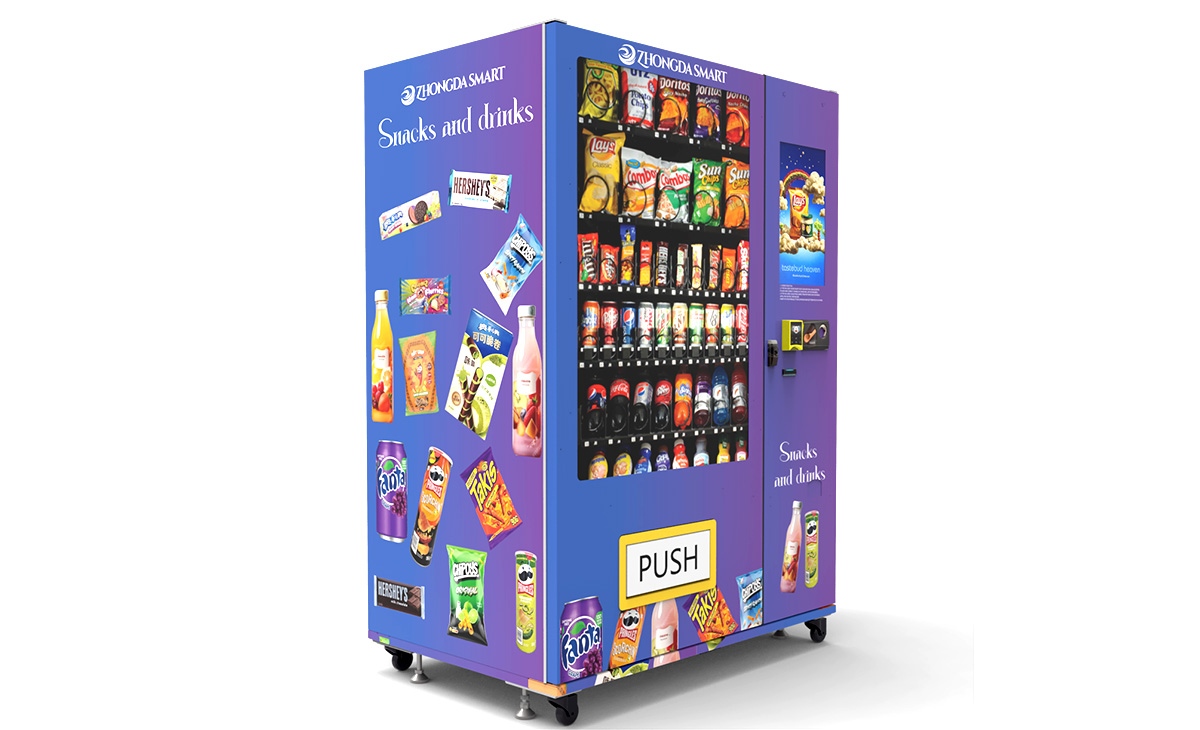
Not all vending machines are created equal. Over the years, I've worked with dozens of models, from simple snack machines to complex combination units that sell electronics. Each type has its own level of security and potential weaknesses.
| Machine Type | Common Locations | Security Features | Vulnerability to Free Items |
|---|---|---|---|
| Snack (Spiral) | Offices, schools, break rooms | Motor current monitoring, audit logs, tilt sensors | Low; modern machines track every vend |
| Beverage (Can/Bottle) | Transit hubs, gyms, parks | Drop sensor, cashless payment, remote alerts | Low; most have sensors that detect if a product fell |
| Combination (Snack + Drink) | Hotels, hospitals, retail | Dual control boards, inventory tracking | Low; complex but well-protected |
| Old Mechanical (Pre-2000) | Rare, some rural areas | Simple coin mech, no electronic tracking | Moderate; some tricks may work, but machines are rare |
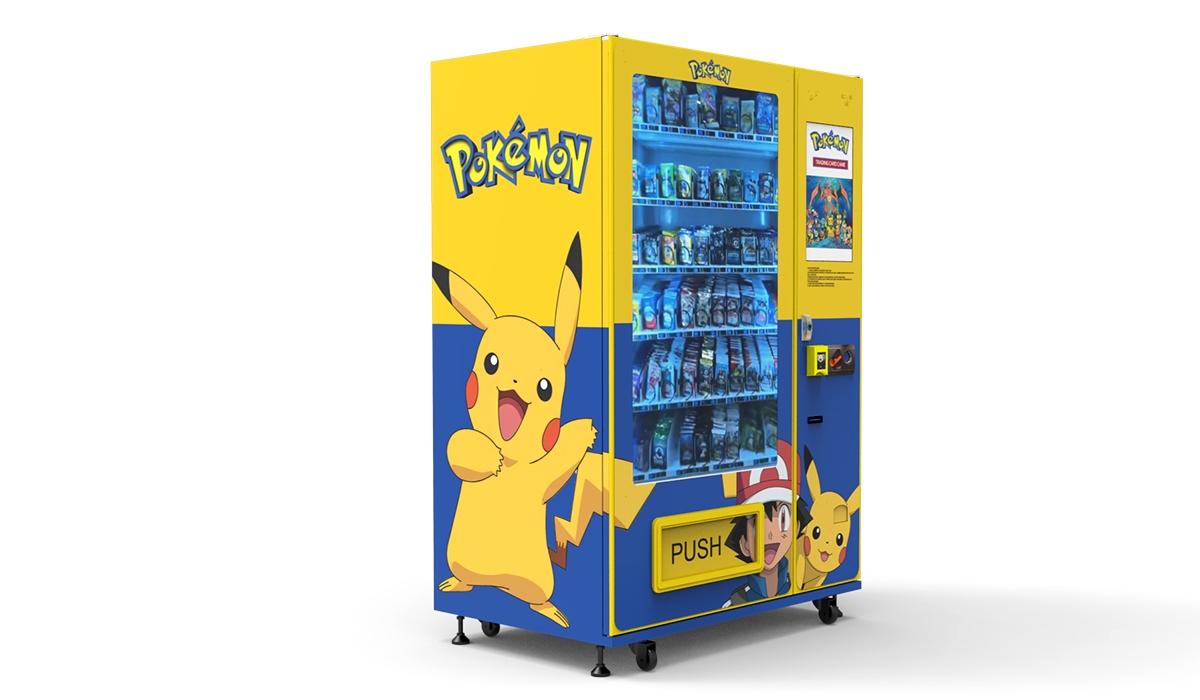
| Specialty (Electronics, Personal Care) | Airports, hotels, malls | High-end payment systems, cameras, tamper alarms | Very low; high value items mean high security |
As you can see, the older mechanical machines are the most vulnerable, but they're also the least common. I'd estimate that less than 5% of machines in service today are purely mechanical. Most have been upgraded to electronic control boards. If you're thinking about trying a trick, you're probably going to run into a machine that logs everything.
How Operators Protect Their Machines
I've spent a lot of time and money protecting my machines. Here's what most operators do to prevent theft and abuse:
- Remote Monitoring: I use a telemetry system that sends me a report every time a machine is opened, a transaction fails, or a sensor is triggered. This allows me to respond quickly to potential issues.
- Tamper-Resistant Payment Systems: Modern coin acceptors and bill validators are designed to reject slugs, coins on strings, and other common tricks. They also have anti-pulling mechanisms.
- Audit Trails: Every machine I own keeps a detailed log of every transaction, including the time, selection, payment method, and whether the product was vended. I can access this remotely.
- Physical Locks: High-security locks (like those from Medeco or Abloy) are standard. I've seen operators who use cheap locks and end up with break-ins.
- Cameras: In high-theft locations, I install a small camera inside the machine or nearby. The mere presence of a camera deters most people.
- Location Relationships: I work closely with location owners to report any suspicious activity. They're often the first to notice someone trying to tamper with a machine.
These measures aren't just about preventing theft—they're about maintaining profitability. A machine that's constantly being abused will lose money and may need to be removed. I've had to pull machines from locations where the theft rate was too high, and it's always a disappointment because I've invested time and money in that location.
What to Do If a Machine Takes Your Money
If you're reading this because your money was taken by a vending machine and you want to know how to get your item or your money back, here's the step-by-step process I recommend to customers:
- Check the machine: Look for a sticker or a label with a phone number or an email address. Most machines have this. If not, look for the operator's name or a service number.
- Call or text the number: Explain what happened. Be specific: which machine (location), which selection (number/letter), what you paid, and what you expected to get. If you have a receipt or a payment confirmation, have it ready.
- Be polite: I'm much more likely to help a customer who is calm and clear. If you're angry or aggressive, I might still help, but it's not pleasant for anyone.
- Wait for a response: Most operators will respond within 24-48 hours. Some will issue a free vend code immediately. Others might ask for more details or check the machine's log first.
- Follow up if needed: If you don't hear back, call again or send an email. Sometimes the number on the machine is outdated, so you might need to search online for the company.
In my experience, about 90% of legitimate mis-vends are resolved within a week. The operator wants to keep the location happy, and a non-functional machine is bad for business. If you're honest and patient, you'll usually get your item or a refund.
The Future of Vending: Less Free Stuff, More Convenience
The vending industry is evolving rapidly. More machines are becoming connected, with cashless payment, touchscreens, and even AI-powered inventory management. These changes are making it harder to get free stuff through tricks, but they're also making the experience better for customers. You can now use your phone to pay, see what's in stock, and even reserve an item. Some machines use facial recognition or age verification for age-restricted products.
According to a 2024 report by Statista, the global vending machine market is expected to grow to over $25 billion by 2028, driven by technological advancements and increased demand for self-service kiosks. This means more machines, more payment options, and more security. The days of easily getting free stuff from a vending machine are largely over, unless you're dealing with a very old or poorly maintained unit.
From a business perspective, I see this as a positive trend. Better security means less loss, which means operators can invest in better products and more machines. For customers, it means a more reliable experience. If you want free stuff, the best way is to engage with the legitimate programs that operators offer. It's a win-win.
Frequently Asked Questions
Can you really get free stuff from a vending machine?
Yes, but only through legitimate means like reporting a malfunction, using loyalty programs, or taking advantage of manufacturer promotions. Tricks like using a coin on a string or shaking the machine rarely work on modern equipment and can be dangerous or illegal.
Is it illegal to try to trick a vending machine?
In most jurisdictions, attempting to get free items through deception or tampering is considered theft of service or criminal mischief. Even if the item value is small, you could face fines or legal action. It's not worth the risk.
How do I report a vending machine that took my money?
Look for a phone number or email address on the machine. Call or text the operator with the machine's location, the selection you made, and the payment method. Most operators will issue a refund or a free vend code within a few days.
Do all vending machines have cameras?
No, but many operators install cameras in high-theft locations. Even without a camera, most modern machines have audit logs that record every transaction. The operator can usually tell if a product was actually vended or not.
Are older vending machines easier to trick?
Older mechanical machines (pre-2000) may be more vulnerable to certain tricks, but they are becoming very rare. Most machines in service today have electronic control boards and sensors that prevent common methods of getting free items.
What should I do if a machine gives me the wrong item?
Contact the operator using the number on the machine. Explain the situation. They may issue a free vend code or arrange for a refund. Some machines have a "help" button that connects you to customer service directly.
Can I get a refund if I accidentally pressed the wrong button?
Typically, no. The machine processes the transaction as soon as you make a selection. Operators are not usually responsible for customer error. However, if you contact the operator and explain, some may offer a one-time courtesy refund.
How do vending machine operators prevent theft?
Operators use remote monitoring, tamper-resistant payment systems, audit trails, high-security locks, and sometimes cameras. They also work closely with location owners to report suspicious activity.
Is it worth buying a vending machine for personal use?
It can be, but only if you have a good location and understand the costs. Initial investment for a new machine ranges from $3,000 to $10,000, plus product and maintenance. You need to do the math based on foot traffic and commission rates.
How do I choose a vending machine supplier?
Look for a manufacturer with a good reputation for reliability and after-sales support. I've worked with several over the years, and one that consistently delivers quality is Zhongda Smart. They offer a range of machines with modern payment systems and durable construction. Always check reviews and ask for references before buying.
Final Thoughts from a Vending Veteran
I've been in this business long enough to see the industry change dramatically. When I started, many machines were mechanical and easy to manipulate. Today, the vast majority are electronic, connected, and secure. The idea of getting free stuff from a vending machine is largely a myth from a bygone era. If you have a legitimate issue, the operator will usually make it right. If you're trying to trick the system, you're likely to fail and may end up causing problems for yourself.
My advice to anyone interested in vending machines—whether as a customer or a potential operator—is to focus on the legitimate opportunities. For customers, that means using loyalty programs and reporting genuine problems. For operators, it means investing in quality equipment and good locations. I've seen too many people lose money on cheap machines or bad locations. If you're thinking about buying a machine, do your research. Talk to experienced operators. Consider working with a reputable supplier like Zhongda Smart, who can provide reliable equipment and support.
At the end of the day, a vending machine is a business tool. It's designed to make money for the operator and provide convenience for the customer. The "free stuff" angle is a distraction. Focus on the value of the transaction, and you'll get more out of the experience—whether you're buying a snack or running a route.